

What Does a Farm Run on a Generator?
Agricultural production does not pause when the electrical grid does. Irrigation systems keep pumping, livestock keep needing air moved through the barn, and grain in a dryer keeps needing heat. Those are the critical systems that decide whether a power loss costs you an afternoon or costs you a crop. Modern farms carry more electrical load than most operators realize once you add up pumps, augers, fans, compressors, coolers, and the controls that run all of it.
Industrial generators cover farm buildings and field equipment that the utility cannot be trusted to carry year-round, especially in remote locations at the end of a long rural feeder line.
Which Agricultural Applications Need Generator Power?
Industrial generators are commonly used across the agricultural industry to support:
- Irrigation systems — center pivots, well pumps, and water distribution
- Dairy farms — milking machines, vacuum pumps, and milk storage cooling
- Poultry houses — ventilation fans and heaters holding proper temperature for many birds at once
- Grain storage — dryers, aeration fans, and handling equipment
- Livestock barns — ventilation, watering systems, and feed handling
- Greenhouses — temperature and humidity control
- Processing and packing — production equipment, cold storage, and shop power
Dairy and poultry are the two where timing is unforgiving. Milk storage has a temperature window, and a poultry house in a Texas July can go bad in under an hour with the fans down. Those operations treat a backup farm generator as production equipment, not insurance.
Why Do Modern Farms Lose Money When Grid Power Fails?
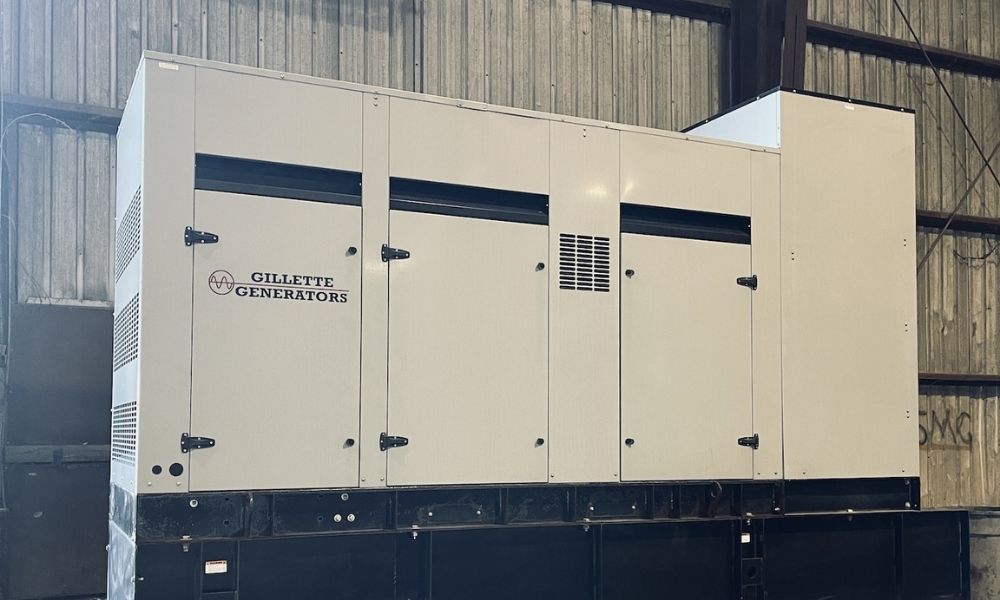
A power outage on a farm is rarely just a dark shop. Irrigation schedules slip during the exact week the crop needs water. Feeding and watering systems stop. Refrigeration warms up. Automated equipment drops out mid-cycle and has to be reset by hand.
Rural distribution lines also tend to be the last ones restored after a storm, which is why farms sitting at the end of a feeder plan for longer periods without grid power than a business in town would. Uninterrupted power is less about convenience here and more about protecting living assets and a season’s worth of work.
Carrying general insurance policies on the operation does not change that math either. Insurance pays after the loss. A generator prevents it.
What Size Agricultural Generator Do You Need?
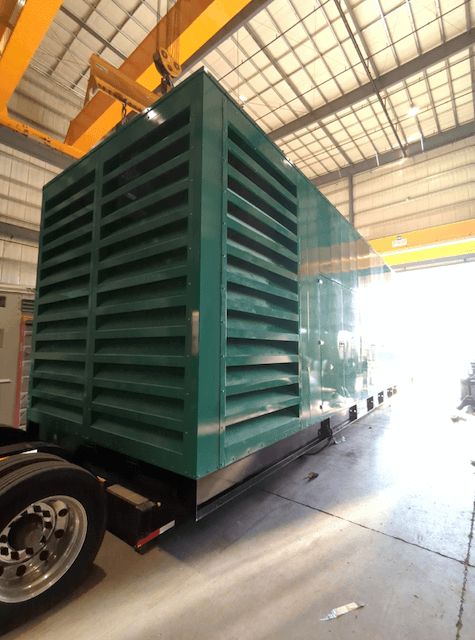
Generator size comes down to what you are starting and running, not farm acreage. Most farms land between 25 kW and 150 kW once irrigation pumps, grain handling, and barn ventilation are counted. The correct size is set by the largest motor on the circuit, because startup surge on a pump or fan motor can run two to six times its running draw.
For smaller operations running a well pump, lighting, and shop power, 65 kW generators are usually enough and burn less diesel fuel doing it. Operations running multiple pumps, a dryer, and ventilation at the same time generally need 150 kW generators or larger. Row-crop operations with several pivots often go to 175 kW or 200 kW so a second pivot can start without dragging voltage down.
Add up running load, identify your worst-case motor start, then size against that. Undersizing is the most common and most expensive mistake in farm use.
Diesel, Gas, or Portable — Which Generator Options Fit Farm Use?
Diesel generators are the default across the agricultural industry. Diesel engines handle long runtimes under heavy load, most farms already keep diesel fuel on site for equipment, and the fuel stores better than gasoline. Engine platforms common in this range include John Deere, Perkins, and Cummins — John Deere in particular shows up constantly on farms because operators already know the engine and parts are available through the same dealer network they use for tractors.
Gas generators make sense where you have a natural gas line to the site or where emissions rules push you that direction. They need less maintenance on the fuel side and there is nothing to haul or store.
Trailer-mounted and portable generators fit operations that need power in more than one spot — a remote pumping station in spring, a harvest site in fall, a flood-prone area where you want the unit moved to high ground ahead of weather. Permanently installed standby generators on a concrete pad with an automatic transfer switch fit the opposite case: one building, one load, start it without anyone on site.
One thing worth sorting out early is duty rating. A standby generator is built for intermittent outage duty. If you are running a dryer for twelve hours a day through harvest, or running prime power at a site with no utility at all, you need a prime-rated or continuous-duty unit instead.
Are New or Used Agricultural Generators the Better Buy?
The used market is where most farms get the best return. A low-hour used industrial generator costs meaningfully less than new and does the same work, because standby units frequently come off a building with very few hours on them. Cost per kW is the number to compare, not sticker price.
New makes sense when you need current emissions certification for a permitted permanent installation, when you want full factory warranty coverage, or when you need a specific configuration nobody has sitting used. We carry new industrial generators for those situations.
Every used unit that moves through our yard in Dickinson, Texas gets a 22-point inspection and is load bank tested before it ships, and it carries our 30-day IronClad warranty. That testing is the difference between buying a used generator and gambling on one. Efficiency matters too — a unit sized and loaded correctly burns less fuel per kilowatt-hour than an oversized one loafing at 20% load.
What Maintenance Does a Backup Farm Generator Need?
Preventive maintenance on an agricultural generator is not complicated, but skipping it is the reason units fail on the one day you need them. The basics: exercise the unit under load monthly, change oil and filters on the engine manufacturer’s interval, keep the fuel clean and treated, keep the batteries tested, and keep the cooling system clear.
Harvest adds one item. Chaff and fine dust from grain handling will clog an air filter in hours if the generator sits downwind of the combine or the dryer. Check filters daily during active harvest rather than weekly, and position the unit upwind of the dust source when you can.
Units needing maintenance give you warning — hard starting, exhaust smoke, coolant loss, a battery that will not hold charge. Reliable service beats emergency repair every time, and we can point you to support for the engine platform you end up with.
Looking to Buy or Sell a Used Farm Generator?
We stock one of the largest selections of used generators in the country. Based in Texas, we ship nationwide, and units leave here ready to run on arrival. We also buy used generators outright — if you have a unit sitting, tell us what you have here.
Shop Agricultural Generators by kW Range
Farms running pumps, ventilation, and lighting usually find the right fit in our 25kW–49kW and 50kW–74kW generators for sale, with 75kW–99kW generators covering operations running a dryer alongside barn ventilation. Larger operations powering grain drying, cold storage, and several simultaneous loads should look at 100kW–249kW industrial generators for sale, which covers the full electrical demand of a large-scale farming facility.
Need a Generator for One Season Instead?
Not every farm power problem calls for a purchase. If your primary unit is down for service during an irrigation window, if the operation is seasonal, or if you need temporary power at a remote field site through harvest, renting is cheaper. Stag Power Rentals — our rental division — keeps a fleet of industrial generators available for short and long-term rental across Texas and nearby states, often for same-day or next-day delivery. If you farm on the coast, a pre-season contingency power plan puts a unit under contract before storm season, instead of competing for equipment the week everybody needs one.
Not seeing what you need? Contact us and we will tell you what is moving through the yard.
Frequently Asked Questions: Generators for Agricultural Operations
What size generator do I need to run a center pivot irrigation system?
Center pivots vary by span length and pump depth, but most are driven by motors in the 50 to 150 horsepower range. A rough rule of thumb is 1 kW per horsepower at running load, but motor startup surge runs two to six times that — so a 75 HP pivot motor needs a generator that can absorb a 150 kW or larger startup draw before settling to running load. Spec against the locked-rotor amperage of the largest motor on the circuit, not the running wattage. If you are running multiple pivots off one generator, stagger the starts.
Can I run a grain dryer on a diesel generator?
Yes, and it is common where grid power is unreliable during harvest or where the dryer sits far from utility infrastructure. Grain dryers are a high-continuous-load application — they run extended periods at near-full rated load. That means sizing for continuous duty rating, not standby rating. Standby-rated generators are built for intermittent outage use; a dryer running twelve hours a day through harvest needs a prime-rated unit. Check the fuel consumption rate at your expected load before you commit, because dryers burn diesel faster than most operators expect.
How do I protect a generator from dust and chaff during harvest?
Harvest is hard on air filtration. Chaff and fine particulate from grain handling can clog a filter within hours if the generator sits downwind of harvesting equipment. Sound-attenuated enclosures help. Position the unit upwind of the dust source where possible, and inspect air filters daily during active harvest rather than on the standard weekly interval. Extended-life air filter systems are available on many commercial models and are worth it for seasonal agricultural use.
My farm is in a flood-prone area. How should I position a backup generator?
Elevation first. Standby units should sit on concrete pads above the 100-year flood level for your parcel — check FEMA flood maps rather than guessing. In a low-lying spot, a trailer-mounted unit can be pulled to higher ground ahead of a flood event, which a permanent installation cannot. Make sure the automatic transfer switch is elevated too and that conduit runs are sealed at floor penetrations. Water that reaches the enclosure without submerging the unit can still wreck controls and wiring if it gets in through unsealed cable entries.
Do agricultural generators have specific emissions requirements?
EPA Tier 4 Final applies to new diesel engines above 25 HP built after 2015, which covers most commercial generator sets in the agricultural power range. Agricultural operations often have exemptions for certain non-road engine applications depending on state regulation and how the unit is classified and used. Used generators built before Tier 4 may operate legally under prior tier ratings depending on your state’s air quality rules. In a non-attainment area, additional restrictions can apply. Check with your state environmental agency before buying older-tier equipment for a permanent installation.
What fuel tank size do I need for a multi-day outage?
Take your fuel consumption rate at the expected load — manufacturers publish consumption tables at 25%, 50%, 75%, and 100% load — and multiply by the hours you need to cover. A 150 kW generator at 75% load burns roughly 10 to 12 gallons per hour, so a 72-hour outage at that load takes 720 to 864 gallons on hand. Sub-base tanks mounting under the generator skid come in sizes up to 1,000 gallons and are the cleanest answer for farms needing extended runtime without manual refueling. Line up priority delivery with your fuel supplier before hurricane or winter storm season, when regional demand spikes.