

The Generator Is the Grid: Power Solutions for Oil and Gas Operations
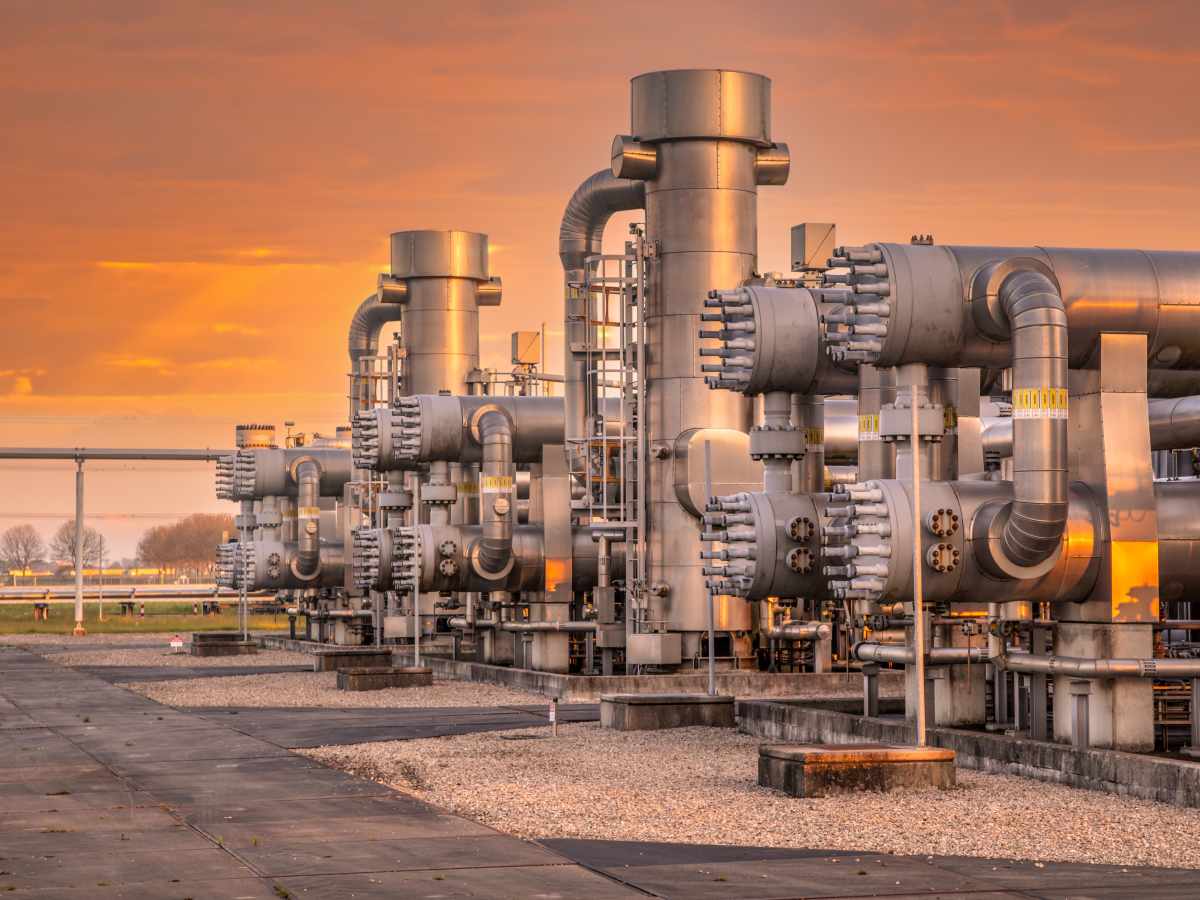
Permian Basin well sites. Gulf Coast offshore platforms. Remote exploration camps in west Texas. Pipeline compression stations in the middle of nowhere. These aren’t locations where you call the utility company — they’re locations where the generator is the utility company. Oil and gas operations run on diesel power precisely because grid infrastructure doesn’t reach where extraction happens. The generator powers the drilling rig, the BOP control systems, the mud pumps, the flare ignition systems, the safety shutdowns, the communications equipment, and the crew quarters. It runs continuously, in heat that would disable lesser equipment, under dust and vibration loads that accelerate failure in anything not built for the application. Turnkey Industries is based in Texas. We know this industry. We stock generators that meet its demands.
What Powers an Oil and Gas Operation?
The load profile varies dramatically by operation type. A remote well site running artificial lift and basic instrumentation has very different requirements than a gas processing plant or a refinery. Smaller well sites and exploration camps work with generators in the 80 kW to 125 kW range — enough for lighting, control systems, small pumps, and crew support infrastructure. Mid-size field operations running compression equipment, fluid handling systems, and larger processing infrastructure need significantly more. 200 kW to 500 kW is a realistic range for active production facilities of moderate scale. Refineries, offshore platforms, and major processing facilities push well into megawatt territory — multiple generator sets staged in parallel with automatic load sharing and failover to meet both the power demand and the redundancy requirements that safety-critical operations mandate.
Oil and Gas Applications That Require Dedicated Generator Power
- Drilling rigs and top drive systems
- Mud pump and BOP control systems
- Artificial lift equipment including ESP and rod pump systems
- Gas compression and pipeline compression stations
- Fluid separation and processing equipment
- Flare ignition and safety shutdown systems
- Remote camp accommodation and communications
- Cathodic protection systems for pipeline infrastructure
Sizing Generators for Oil and Gas Field Applications
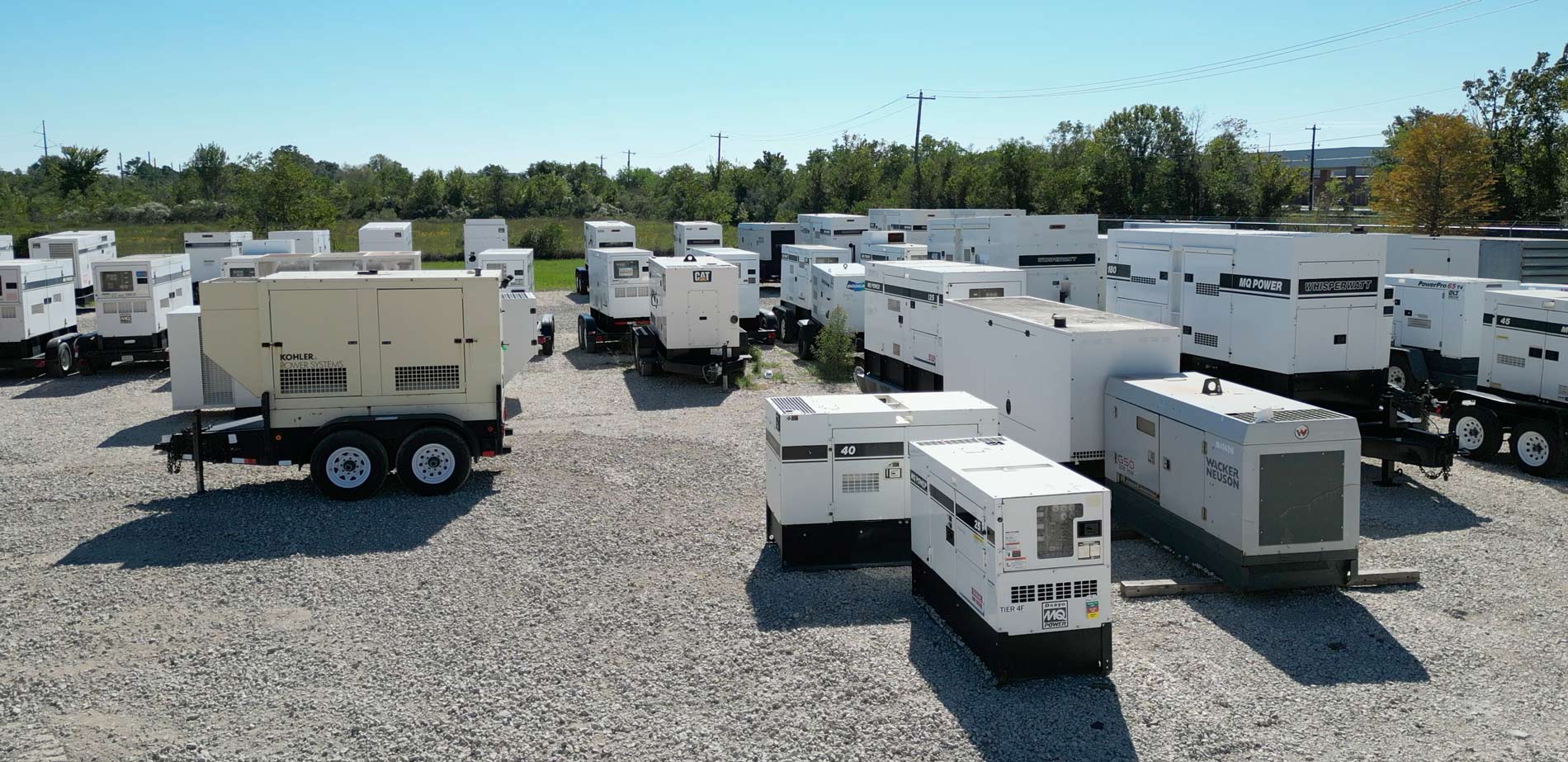
Get the sizing wrong in an oil and gas application and the consequences go beyond inconvenience. An undersized generator that drops voltage under load can damage variable frequency drives, corrupt PLC programs, and trigger safety shutdowns that take hours to reset. An oversized unit running chronically underloaded accumulates wet stacking — unburned fuel deposits in the exhaust system — that shortens engine life and increases maintenance costs dramatically. The right answer is a thorough load study before procurement, not a rule of thumb. That said, the general framework looks like this: well sites and small production facilities in the 50 kW to 200 kW range; active production facilities and compression stations from 500 kW upward; refineries and offshore platforms into multi-megawatt configurations with full redundancy architecture. Our power calculator is a useful starting point for load estimation before you call us.
Generator Models Built for Oil and Gas Environments
For mid-size field operations and compression station applications where high output, proven reliability, and fuel efficiency under continuous duty are non-negotiable, the Caterpillar XQ1250 diesel power module represents Cat’s commitment to the oil and gas market — a 1,250 kW unit engineered for exactly the kind of remote, high-demand, continuous-duty deployment that field operations require. For operations needing substantial but more portable output, the Atlas Copco QAS600 trailer-mounted diesel generator delivers 600 kW in a mobile configuration well suited to well sites and field facilities that move between locations or require rapid deployment on short notice. Both are in our current inventory.
Output Ranges for Oil and Gas Generator Procurement
Remote well sites and small production facilities — our 50kW–74kW and 75kW–99kW ranges cover the lighter end of field power requirements. Active compression stations and mid-size processing operations belong in our 500kW–669kW and 670kW–839kW ranges. Large-scale refinery and offshore platform applications requiring megawatt-class output with full redundancy should be looking at our 1,000kW–1,499kW generators and above.
Why Oil and Gas Companies Source Generators from Turnkey Industries
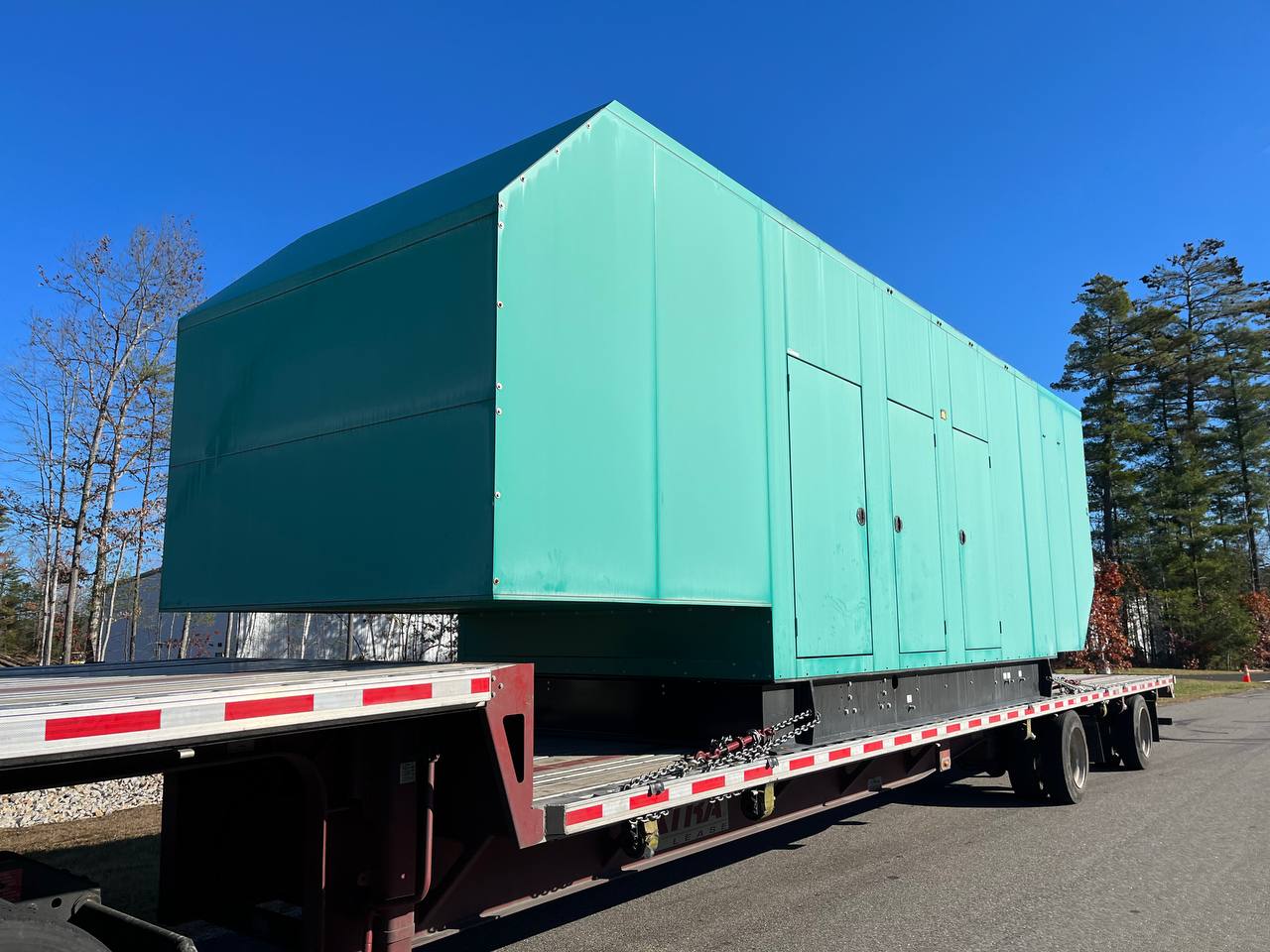
We’re in Dickinson, Texas. The oil and gas industry isn’t an abstract market segment to us — it’s the industry that surrounds us, and it’s one we’ve been supplying generator equipment to for years. We stock generators from Caterpillar, Cummins, Baldor, and other brands with proven track records in field applications. Every unit ships inspected and load bank tested. We move equipment fast — because in this industry, a rig or a compressor station waiting on a generator is burning through dayrate costs that dwarf the price of the equipment itself.
Generator Equipment Transactions in the Oil and Gas Sector
Project cycles in oil and gas create a constant flow of surplus equipment. Wells go on artificial lift and the drilling rig generator is no longer needed. A compression station gets grid-tied and the field units are decommissioned. Turnkey Industries buys this equipment and puts it back into service. If your operation is sitting on surplus generator assets, get a quote on selling them here. If you’re sourcing for an active project, browse our current inventory or talk to our team about what we have available and what we can locate on short notice.
Generator Types Available for Oil and Gas Field Applications
Field applications demand flexibility. Our oil and gas inventory covers used generators with documented service histories, new units for operations with OEM warranty requirements, trailer-mounted configurations for mobile and multi-well deployment, skid-mounted power modules for permanent pad installation, diesel-powered generators for remote sites with established fuel logistics, and natural gas generators — particularly relevant for production facilities where associated gas provides an economical on-site fuel source. If your project has a specific output, form factor, or emissions tier requirement that isn’t visible in our current listings, reach out directly.
Renting a Generator for Oil and Gas Field Operations
Rental makes sense in oil and gas when the project economics don’t support capital purchase — short-duration completions work, well testing programs, temporary compression while permanent equipment is on order, or bridging capacity when a field generator fails and dayrate costs make waiting for a purchased replacement unit economically irrational. Stag Rentals provides high-capacity industrial generators for oil and gas field rental applications, with trailer-mounted units deployable to remote Permian Basin, Eagle Ford, and Gulf Coast locations on short notice. For field operations running through hurricane season in coastal Texas and offshore Gulf markets, Stag’s contingency power planning program can pre-position rental equipment before a storm event — keeping production infrastructure powered through weather that takes regional grid capacity offline for days. Emergency generator rentals handle the unplanned failures that oil and gas procurement coordinators know come at the worst possible times — when dayrate equipment is sitting idle and every hour of downtime is a direct hit to the AFE.
Frequently Asked Questions: Generators for Oil and Gas Operations
What API and industry standards govern generator selection for oil and gas production facilities?
Several standards apply depending on the application and facility classification. API RP 14F (Design, Installation, and Maintenance of Electrical Systems for Fixed and Floating Offshore Petroleum Facilities) governs offshore electrical systems including emergency and standby power. API RP 505 covers recommended practices for classification of locations for electrical installations at petroleum facilities. NFPA 70 Article 700 (Emergency Systems) and Article 702 (Optional Standby Systems) apply to onshore facilities. For classified areas — locations where flammable gases or vapors may be present — all electrical equipment including generators must be appropriately rated for the hazardous location classification (Class I Division 1 or 2, or Zone 0, 1, or 2). A generator installed in or adjacent to a classified area requires enclosures, wiring methods, and installation practices appropriate to that classification. Consult your area classification drawing before specifying generator placement and equipment — this is a non-negotiable safety requirement enforced by OSHA and BSEE (offshore).
How do we prevent generator-related ignition hazards at a wellsite or production facility with flammable vapors present?
Siting is the first and most important control. Generators should be located upwind of wellheads, separator vessels, and tank batteries, outside the classified area boundary defined by your area classification drawing — typically a minimum of 50 feet from open hatches or pressure relief vents on production equipment, though your specific facility layout and area classification may require greater separation. The generator’s air intake must not draw from the classified area. Exhaust systems must be directed away from classified areas and equipped with spark arrestors. For situations where generators must be located closer to hazardous sources than ideal — offshore platform constraints being the most common — explosion-proof or purge-and-pressurize enclosures rated for the specific area classification are required. Review your facility area classification drawing with your electrical safety engineer before finalizing generator placement on any new wellsite or production facility installation.
What is the most cost-effective generator fuel strategy for a remote West Texas well site running ESP artificial lift?
Electric submersible pumps (ESPs) are continuous, high-load applications — the motor runs at or near full load around the clock. Diesel is the standard fuel for remote Permian Basin locations where pipeline gas isn’t accessible, but associated gas utilization is increasingly common where the well produces enough gas to fuel a natural gas generator. Running on field gas eliminates diesel trucking costs entirely, which at remote locations can represent $0.50 to $1.50 per gallon in delivery premium over rack price. Field gas generators require proper gas conditioning — removing liquids, hydrogen sulfide, and particulates that would damage the engine — and a gas quality analysis before specifying the engine. If the well’s gas composition and pressure are appropriate, a field gas generator typically pays back the additional equipment cost over diesel in 6 to 18 months depending on diesel delivery costs and gas production volume. Get a gas analysis from the wellsite before making the fuel type decision — not all field gas is suitable for engine fuel without conditioning equipment.
How do oil and gas companies handle generator selection for H2S-present environments?
Hydrogen sulfide is a serious hazard that affects both personnel safety and equipment selection. From an equipment standpoint, H2S attacks copper and silver — common materials in electrical windings, contacts, and control system components. In high-H2S environments, specify generators with H2S-resistant or sealed electrical components, and ensure control panels use H2S-resistant wiring and terminal materials. Stainless steel hardware should replace standard zinc or cadmium-plated fasteners in enclosures exposed to H2S atmosphere. Air intakes must be positioned to avoid drawing H2S-laden air into the generator enclosure — this is both an equipment protection and personnel safety issue if service technicians work inside the enclosure while the generator is running. From a personnel standpoint, any generator installation or service work in H2S areas requires proper H2S monitoring equipment, breathing apparatus availability, and personnel trained in H2S emergency response procedures per OSHA and API RP 49 requirements.
What are the generator requirements for BSEE-regulated offshore production facilities on the OCS?
The Bureau of Safety and Environmental Enforcement (BSEE) regulates offshore facilities on the Outer Continental Shelf under 30 CFR Part 250. Electrical systems on fixed platforms must comply with API RP 14F, which specifies requirements for emergency power systems including automatic startup on loss of normal power, the systems that must be covered by emergency power (personnel alarm systems, lighting, communications, fire and gas detection), and fuel storage requirements. For floating production facilities (FPSOs, semi-submersibles), USCG regulations under 46 CFR Subchapter I also apply. Emergency generators on OCS facilities are subject to BSEE inspection during facility audits — maintain test records and maintenance documentation that demonstrate compliance with the testing and maintenance requirements of API RP 14F. Failure to maintain compliant emergency power documentation is a citable violation during BSEE inspections.
How do procurement teams in oil and gas evaluate total cost of ownership for field generators versus dayrate rental?
The standard framework used by oil and gas procurement and AFE teams compares total rental cost over the expected project duration against the net acquisition cost of a purchased unit (purchase price minus projected resale value at project end). At typical used generator resale rates of 50% to 70% of purchase price for well-maintained units, the break-even duration is often 4 to 8 months depending on rental day rates and the output class of the generator. Beyond that break-even, ownership is economically superior — particularly for operators running multiple simultaneous wells or pads where the same generator moves between projects. The calculation changes when factoring in the operational cost of generator ownership: maintenance labor, parts, fuel management, and the overhead of tracking and managing owned equipment across multiple field locations. Operators with dedicated field equipment management staff and multiple concurrent projects typically favor ownership; smaller operators or those running short-duration programs often find rental more cost-effective when total operational overhead is included in the comparison.