
Power at the Edge of the Grid: Industrial Generators for Mining Operations

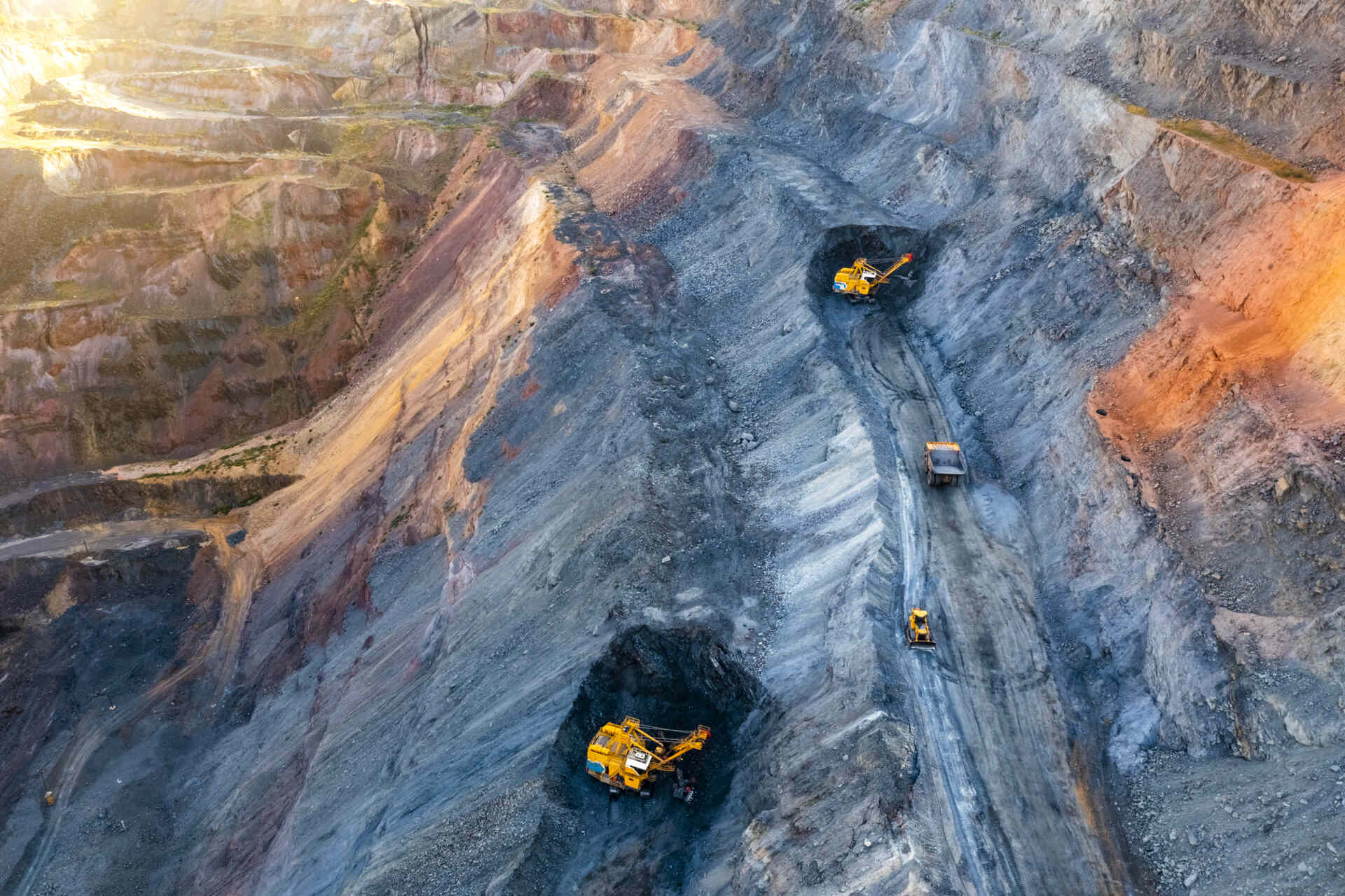
Most industries deal with power outages. Mining operations deal with something more fundamental — the near-total absence of grid infrastructure to begin with. Open-pit mines, underground coal and mineral operations, remote extraction sites in desert, mountain, and arctic environments — these aren’t places where you call the utility company when something goes wrong. The generator isn’t backup. It’s the grid. It runs the draglines, the ventilation shafts, the ore processing equipment, the worker accommodations, the communications infrastructure, and every safety system on the property. It does this continuously, in extreme temperatures, under heavy dust loading, at altitude, sometimes for months between scheduled maintenance windows. That’s the standard mining generators are built to meet.
What Mining Operations Actually Require from a Generator
The load profile of a mining site is unlike almost any other industrial application. Ventilation systems in underground mines can’t be interrupted — ever. Loss of ventilation underground isn’t an operational inconvenience. It’s a life-safety emergency. Add to that the startup surge requirements of large electric motors driving conveyors, crushers, hoists, and pumps; the continuous load of ore processing equipment running 24 hours a day; lighting across large surface areas; and the full electrical infrastructure of a worker camp if the mine is remote enough to require on-site accommodation. Generators in mining applications run harder and longer than in almost any other setting.
Typical Mining Systems That Depend on Generator Power
- Underground ventilation and air circulation systems
- Drilling, blasting, and extraction equipment
- Ore conveyors, crushers, and processing plants
- Dewatering and pump systems
- Site lighting across surface and underground areas
- Communications infrastructure and emergency systems
- Worker accommodation and camp facilities
Generator Sizing for the Mining Industry
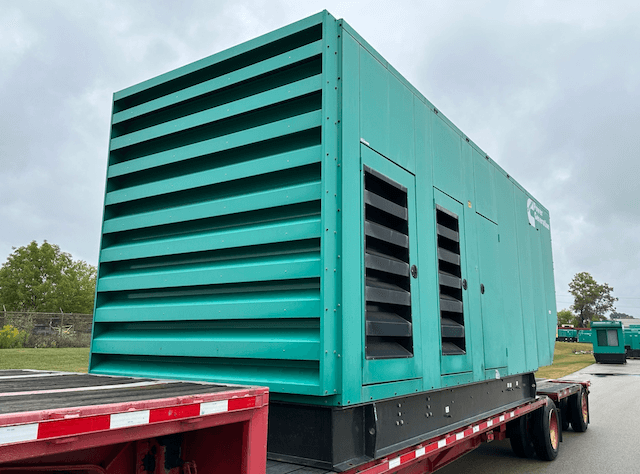
Surface mining activities and smaller extraction operations — those running individual pieces of heavy equipment, basic site lighting, and a modest support infrastructure — can work with generators in the 150 kW to 250 kW range. Not for long, and not without constraint, but adequately for the core operational load. Mid-size underground operations and surface mines with active processing plants are a different matter. Those sites routinely need 350 kW and above just to sustain the primary equipment load, with additional capacity staged for processing infrastructure. Large-scale open-pit or underground mines with full processing plants, deep shaft ventilation systems, and on-site accommodation push into megawatt territory — 500 kW to 999 kW for mid-tier operations, and well above 1,000 kW for major mining complexes running around the clock. The fuel logistics at these output levels are a significant operational consideration in their own right.
Generator Models Proven in Heavy Industrial and Mining Environments
For mid-scale mining operations that need sustained high-output diesel generation with proven reliability under demanding duty cycles, the Cummins DQFAD diesel power module is a well-regarded unit — Cummins’ reputation in heavy industrial applications is built precisely on the kind of continuous-duty, remote-site performance that mining demands. For larger operations where output requirements push into the upper range, the Caterpillar 3516 DITA skid-mounted diesel generator represents the upper tier of what Cat’s 3500 series delivers — a high-displacement unit built for extreme-duty continuous operation in the kind of harsh, remote environments that mining sites present. Both are in our current inventory.
Output Ranges for Mining Generator Applications
Smaller surface mining and extraction operations typically land in our 250kW–374kW generator range. Mid-size underground and open-pit operations with active processing infrastructure belong in our 500kW–999kW range. Major mining complexes running full processing plants, deep shaft ventilation, and extensive on-site accommodation should be looking at our 1,000kW–1,499kW generators and above — output levels where there is genuine capacity to sustain every active system on a large mining property simultaneously, with appropriate redundancy built in.
Robust Generator Solutions from Turnkey Industries
Mining procurement teams operate under timelines and site access constraints that most equipment suppliers aren’t equipped to handle. Turnkey Industries stocks generators from Caterpillar, Cummins, Multiquip, Baldor, and other proven industrial brands across a wide range of output capacities. Every unit in our inventory is inspected, load bank tested, and documented before it ships. We move equipment fast from our Texas facility, and we understand that a mining site waiting on a generator isn’t just idle — it’s burning through scheduled production hours and contractual commitments.
Generator Equipment Transactions for Mining Companies
Mining operations cycle through generator equipment at a rate most industries don’t. Projects end. Mines reach depletion. Operations consolidate or expand. Equipment that was spec’d for one site doesn’t fit the next. Turnkey Industries is actively buying and selling used industrial generators at the output levels mining operations require — if your company has surplus equipment coming off a project, get a valuation here. If you’re sourcing for an active site or upcoming project, browse our used generator inventory or speak with our team about what’s available and what we can source.
Available Generator Types for Mining Applications
Our mining-capable inventory includes used generators with documented service histories, new units for operations with warranty requirements, trailer-mounted configurations for mobile or multi-site deployment, skid-mounted units for permanent installation, diesel-powered generators suited to remote sites with established fuel logistics, and natural gas options where pipeline access makes that viable. If the specific output capacity or configuration your site requires isn’t currently listed, contact us — we source equipment continuously at the high-capacity end of the market.
Renting a Generator for Mining Operations
Mining operations don’t typically think of rental as a long-term power solution — but there are specific scenarios where it’s the right call. Project ramp-up before permanent power infrastructure is commissioned. Generator failure at a remote site where replacement procurement timelines don’t match production commitments. Temporary additional capacity during a processing plant expansion. Surge capacity during peak extraction periods that exceed installed generation. Stag Rentals maintains a fleet of high-capacity industrial generators available for rental at the output levels mining and heavy extraction operations require, with units deployable to remote sites across Texas and the surrounding region. For mining operations in areas with hurricane or severe weather exposure, Stag’s contingency power planning program can pre-position rental equipment before a weather event that threatens to disrupt fuel deliveries or damage permanent power infrastructure. Emergency generator rentals are available for unplanned failures requiring immediate replacement capacity to keep production running.
Frequently Asked Questions: Generators for Mining Operations
What MSHA regulations apply to generator use in underground mining environments?
The Mine Safety and Health Administration (MSHA) regulates electrical equipment in underground mines under 30 CFR Parts 56 (surface) and 57 (underground). For underground metal and nonmetal mines, Part 57 Subpart R covers electrical equipment requirements including grounding, insulation, overcurrent protection, and permissibility requirements for equipment used in potentially gassy mines. Diesel-powered generators used underground must meet specific requirements for diesel particulate matter (DPM) controls under 30 CFR 57.5060–57.5075 for metal and nonmetal mines. The DPM standard limits cumulative miner exposure to 160 micrograms per cubic meter as an 8-hour TWA. Underground generators require proper exhaust conditioning systems to meet these limits. Coal mines have additional and more stringent requirements under 30 CFR Part 75 — all electrical equipment used in underground coal mines must be MSHA-approved and permissible for use in methane-air atmospheres. Confirm MSHA approval status for any generator being considered for underground coal mine deployment.
How do we size a generator for an underground mine ventilation system as the primary load?
Mine ventilation fans are among the most demanding continuous loads in any industrial application. Main ventilation fans in mid-size underground operations commonly run 200 to 500 HP motors — that’s 150 to 375 kW in running load from the fan alone. Variable frequency drives (VFDs) on fan motors reduce startup surge significantly and improve energy efficiency over direct-on-line starts, but the generator must still be sized to handle the fan’s running load plus all other concurrent mine loads. Critically, mine ventilation cannot be interrupted — MSHA regulations and basic mine safety require that ventilation be maintained whenever personnel are underground. If the mine operates personnel underground, the ventilation generator is a life-safety system and must be sized, maintained, and tested accordingly, with documented redundancy or backup capacity. Size the ventilation generator for the fan’s full rated HP at the maximum operating point on its fan curve, not the average operating point.
What fuel storage and management practices are required for remote mine site generators running at megawatt-scale output?
At 500 kW to 1,000 kW of continuous output, a mining site generator consumes 35 to 70 gallons of diesel per hour at full load — 840 to 1,680 gallons per day. For remote sites where fuel delivery is weekly or less frequent, on-site storage requirements quickly reach 10,000 to 50,000 gallons or more. Above-ground storage tanks at this scale are subject to EPA SPCC (Spill Prevention, Control, and Countermeasure) regulations if total oil storage exceeds 1,320 gallons in above-ground containers — facilities with more than 10,000 gallons above ground in a single tank or more than 42,000 gallons total are subject to full SPCC plan requirements including secondary containment, inspections, and certified plan preparation. Remote sites should also implement fuel quality management — water accumulation and microbial contamination in large storage tanks are significant problems in high-humidity or temperature-variable environments, and contaminated fuel is a leading cause of injector and fuel system failures in high-output mining generators.
How should a mining company structure preventive maintenance for generators operating in extreme dust, altitude, or temperature environments?
Standard OEM maintenance intervals are established for temperate, low-dust, sea-level conditions — none of which describe most mining environments. In high-dust environments, air filter service intervals should be reduced to 25% to 50% of the OEM recommendation, with daily inspection of filter restriction indicators. At altitude above 3,000 feet, engines derate and run hotter relative to their cooling system capacity — coolant system inspection intervals should be tightened, and coolant condition testing (freeze point, pH, inhibitor concentration) should be conducted monthly rather than at standard intervals. In extreme cold, fuel gelling is a real risk — use winter-grade diesel formulated for the expected low temperature range and ensure block heater systems are functional and energized when the generator is in standby. Document all maintenance in a site-specific log that travels with the generator — this documentation is critical for warranty claims and is often required by insurers and joint venture partners.
What is the correct approach to load bank testing a mining site generator that cannot be taken offline without shutting down production?
For generators that serve as the primary power source for an active mining operation, traditional load bank testing — which requires disconnecting the facility load and applying a test load — is operationally impractical during production. Two approaches address this. First, schedule testing during planned maintenance shutdowns when production is already halted — this is the preferred method because it allows full-load testing without test-only load bank rental costs eating into operational time. Second, use a portable load bank in parallel with the facility load during low-production periods, adding load bank load incrementally to bring the generator to full rated output without disconnecting the operational load. This second method requires careful coordination with the electrical maintenance team to avoid exceeding generator capacity. In either case, test results should be documented with date, duration, load level, voltage and frequency stability readings, and any anomalies observed.
How do mining companies typically handle generator procurement for international operations in jurisdictions with import restrictions on used equipment?
This varies significantly by jurisdiction and is a question that requires coordination with local legal counsel and customs advisors in the target country. Many jurisdictions impose age restrictions on imported used equipment — some limit imports to equipment under 5 years old, others restrict by emissions tier rather than age. Temporary importation under ATA Carnet or similar bonded equipment frameworks allows equipment to enter for a defined project period without permanent import duties, which can be a viable approach for exploration-stage or fixed-term production contracts. New equipment avoids most import restriction issues but carries significantly higher capital cost. Used equipment purchased from suppliers with established export documentation practices — including proper customs value declarations, equipment age and condition documentation, and emissions certification records — reduces the risk of customs clearance delays that can hold up a mining project start date. Ask Turnkey Industries for documentation support requirements specific to your target jurisdiction early in the procurement process.