

Empowering Learning: The Importance of Educational Institution Generators

Schools serve a dual purpose that most facilities don’t. Day-to-day, they’re learning environments. During emergencies — hurricanes, ice storms, extended grid failures — they become community shelters, communication hubs, and coordination centers. That dual role makes reliable backup power not just an academic convenience but a genuine public safety requirement. Educational institution generators ranging from 55 kW for individual buildings to 100 kW and above for multi-building campuses keep lights on, security systems active, HVAC running, and communications live — whether the priority is finishing a school day or housing displaced community members through a regional emergency.
A 55 kW generator handles the essentials for a smaller school building well — lighting, computers, basic safety systems, and enough HVAC capacity to keep the environment habitable. Larger institutions with sprawling campus infrastructure, active research laboratories, and administrative networks spread across multiple buildings need the headroom that a 100 kW generator provides. Neither is a universal answer. The right specification always starts with a load assessment of the specific facility.
Enabling Continuous Education During Power Disruptions
Modern classrooms are power-dependent in ways that weren’t true a generation ago. Interactive displays, networked computers, online assessment platforms, building access control, and digital communication systems all require continuous electricity to function. When the grid goes down, a school without backup power doesn’t just lose lighting — it loses the infrastructure that modern teaching depends on. Generators restore that infrastructure instantly, allowing teachers to continue instruction, students to access resources, and administrative operations to proceed without the kind of disruption that forces school closures and makes up days inevitable.
What Size Generator Is Best for Educational Institutions?
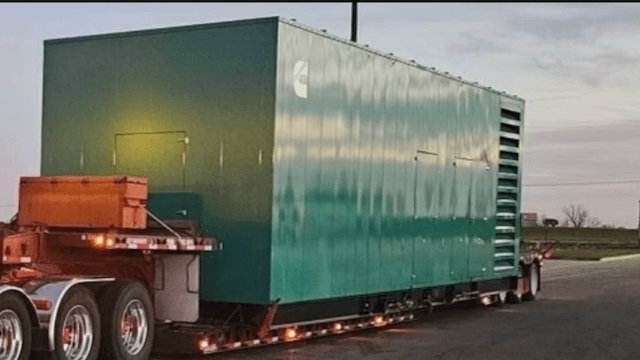
For individual departments, portable classrooms, or small standalone school buildings, 40 kW generators cover the core load — lights, computers, communications, and basic climate control — at a cost point that works for tighter facility budgets. Step up to a mid-size K-12 school or a college building with laboratory infrastructure, server rooms, and security systems and the load profile changes substantially. Those environments typically need 125 kW generators to sustain concurrent operations across multiple systems without overloading the supply. University campuses with distributed infrastructure across many buildings are a different category entirely — often requiring multiple generator units staged across the campus rather than a single centralized source.
Popular Generator Models for Schools, Colleges, and Universities
Two units from our current inventory that map well to educational facility requirements are the Multiquip DCA45SSIU4F standby diesel generator — a compact 40 kW unit well suited to individual school buildings, satellite campus facilities, or smaller institutions where the priority is keeping essential systems live without over-specifying capacity — and the Multiquip DCA125SSIU4F standby diesel generator, a 125 kW unit with the output capacity to support a full K-12 school or mid-size college building running classrooms, labs, administrative systems, and security infrastructure simultaneously through an extended outage.
Shop Educational Institution Generators by kW Range
Single buildings, portable classrooms, and smaller school facilities typically land in our 25kW–49kW generators for sale. Mid-size schools and individual university buildings with higher simultaneous load requirements belong in our 100kW–249kW industrial generator range — enough output to sustain classroom technology, HVAC, security, and administrative systems concurrently without risk of overload during a prolonged grid outage.
Tailored Generator Solutions from Turnkey Industries
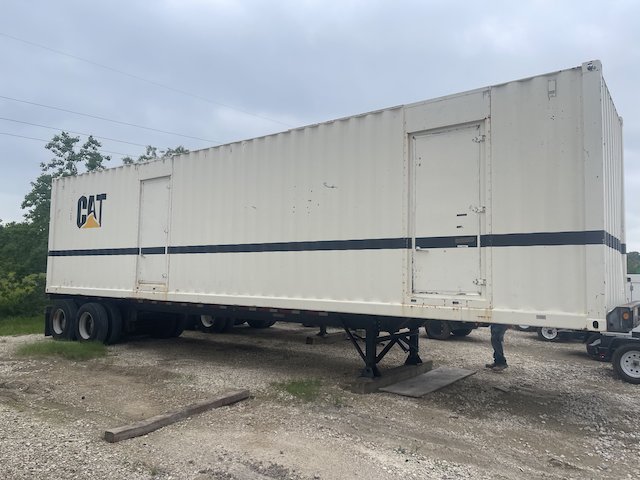
Every campus is different. A rural K-12 school and a research university have fundamentally different power requirements, budget structures, and procurement processes. Turnkey Industries works with facility managers, business officers, and operations teams at educational institutions to identify the right generator for each specific application — accounting for building load profiles, budget constraints, installation logistics, and the regulatory requirements that govern generator use on school property. Every unit ships inspected, tested, and documented, ready for immediate deployment.
Looking to Buy or Sell a Used Generator for a School or University?
Educational institutions operate under real budget constraints, and used generator procurement from a trusted source is one of the most effective ways to access dependable backup power without new equipment pricing. Every unit in our inventory has been thoroughly inspected and load bank tested before it ships. If your institution is upgrading or decommissioning existing generator equipment, we purchase used units as well — find out what your generator is worth here. To discuss available inventory or get guidance on sizing for your specific campus, get in touch with our team.
What Types of Generators for Schools Are Available?
Our educational institution generator inventory includes used generators, new units, trailer-mounted options for temporary or emergency deployment, permanent standby systems, diesel-powered and natural gas configurations across a wide range of output capacities. If the specific unit your institution needs isn’t currently listed, contact us — we source equipment continuously and can often locate the right unit faster than traditional procurement channels allow.
Renting a Generator for a School or University
Budget cycles, capital approval processes, and procurement timelines are constants in educational institution operations — but power emergencies and critical facility needs don’t wait for the next fiscal year. When a school’s permanent generator fails before hurricane season, when a university needs temporary power during a building renovation that requires utility disconnection, or when a campus needs backup capacity for a large-scale outdoor event or graduation ceremony, rental is the practical solution. Stag Rentals provides industrial generators for short and long-term rental sized for educational facility applications. For K-12 districts and universities in coastal Texas markets, Stag’s contingency power planning program is particularly valuable — schools that serve as designated community shelters during hurricanes can pre-arrange generator equipment under contract before storm season, ensuring the facility is powered and ready to receive displaced residents when a storm makes landfall. Stag’s educational institution rental program covers both planned and emergency deployments, with emergency generator rentals available for unplanned situations requiring rapid response.
Frequently Asked Questions: Generators for Schools and Universities
What procurement process do K-12 school districts typically use to purchase backup generators?
Public school districts are subject to competitive bidding requirements that vary by state but generally require formal bids or proposals for purchases above a defined threshold — in Texas, that threshold is $50,000 under the Texas Education Code. Districts can avoid the full RFP process by purchasing through cooperative purchasing agreements such as BuyBoard, SOURCEWELL, or OMNIA Partners, which satisfy competitive procurement requirements and significantly shorten lead times. Federal E-Rate funding does not cover generator purchases directly, but FEMA Hazard Mitigation Grant Program (HMGP) funding has been used by school districts to fund generator installations at facilities designated as community shelters — coordinate with your state education agency and local emergency management office to explore eligibility.
Our school is a designated emergency shelter. What generator specifications does that require beyond normal backup power?
Emergency shelter designation typically requires that the generator can sustain the facility’s full occupied load — lighting throughout the building, HVAC for the shelter population, communications equipment, kitchen facilities if the school serves meals, and medical equipment support areas if required by your shelter plan. This is often a substantially larger load than the school’s normal backup power requirement, which may cover only a portion of the building. Review your shelter operations plan to understand the maximum anticipated occupancy, the square footage of occupied space, and the equipment that must remain operational. Coordinate with your county emergency management office — they may have specifications for shelter facility power requirements and may offer funding assistance for upgrades needed to meet shelter standards.
How do we handle generator fuel storage and maintenance on school property with students present?
Diesel fuel storage on school property is subject to fire code requirements under NFPA 30 and local fire marshal authority. Above-ground storage tanks must be properly labeled, secondary-contained, and located at required distances from buildings and property lines — specific distances vary by jurisdiction and tank size. Tank access must be secured against unauthorized access, which is a particular concern on school campuses. Establish a locked enclosure around the generator and fuel system, document the enclosure access protocol in your facilities management procedures, and include the generator area in your facility security inspection routine. For maintenance, coordinate generator exercise runs and service visits outside of school hours when possible to minimize disruption and reduce the risk of students being in proximity to running equipment and exhaust.
Can a university use a single centralized generator to back up an entire campus, or is a distributed approach better?
For all but the smallest campuses, distributed generation is significantly more practical and reliable than a single centralized unit. A single large generator serving an entire campus requires extensive electrical distribution infrastructure to reach all buildings, introduces a single point of failure that takes down the entire campus if it malfunctions, and creates a fuel storage and logistics challenge at a single location. Distributed generators — smaller units assigned to specific critical buildings or facility clusters — are easier to install, easier to maintain, and limit the impact of any single failure to one area of campus. Prioritize buildings for generator backup in order of criticality: emergency operations and communications, health and counseling services, residence halls, dining, and then academic and administrative facilities. Not every building on campus requires generator backup — identify which ones truly do and right-size accordingly.
What are the liability implications if our school serves as an emergency shelter but our generator fails during a disaster?
This is a question for your institution’s legal counsel and insurance carrier, not a generator supplier. That said, the practical risk management answer is that documented maintenance records, regular testing logs, and a defensible maintenance program significantly reduce liability exposure in the event of a generator failure. Courts and regulators look at whether the institution took reasonable precautions to maintain its emergency infrastructure — a generator that failed because it was never tested or serviced is a very different legal situation than one that failed despite a documented maintenance program. Ensure your generator maintenance records are retained as part of your facility management documentation, test results are logged with dates and load conditions, and any anomalies identified during testing are documented alongside the corrective action taken.
How should a university facilities team handle generator load management across a multi-building campus during an extended outage?
Establish a load priority matrix before an outage occurs — not during one. Document which buildings and which circuits within those buildings are critical, which are non-essential, and which fall in between. During an extended outage, start with only critical loads energized and add non-essential loads only as generator capacity allows and fuel supply is confirmed to be adequate for the duration. Monitor fuel consumption rate against available supply and projected outage duration continuously, and establish a fuel resupply plan with your fuel supplier before hurricane and winter storm seasons. Assign a facilities team member as the designated generator operator for each shift during extended outages — someone with the training and authority to make load shedding decisions if capacity or fuel becomes constrained without waiting for administrative approval chains that may not be reachable during a major emergency.