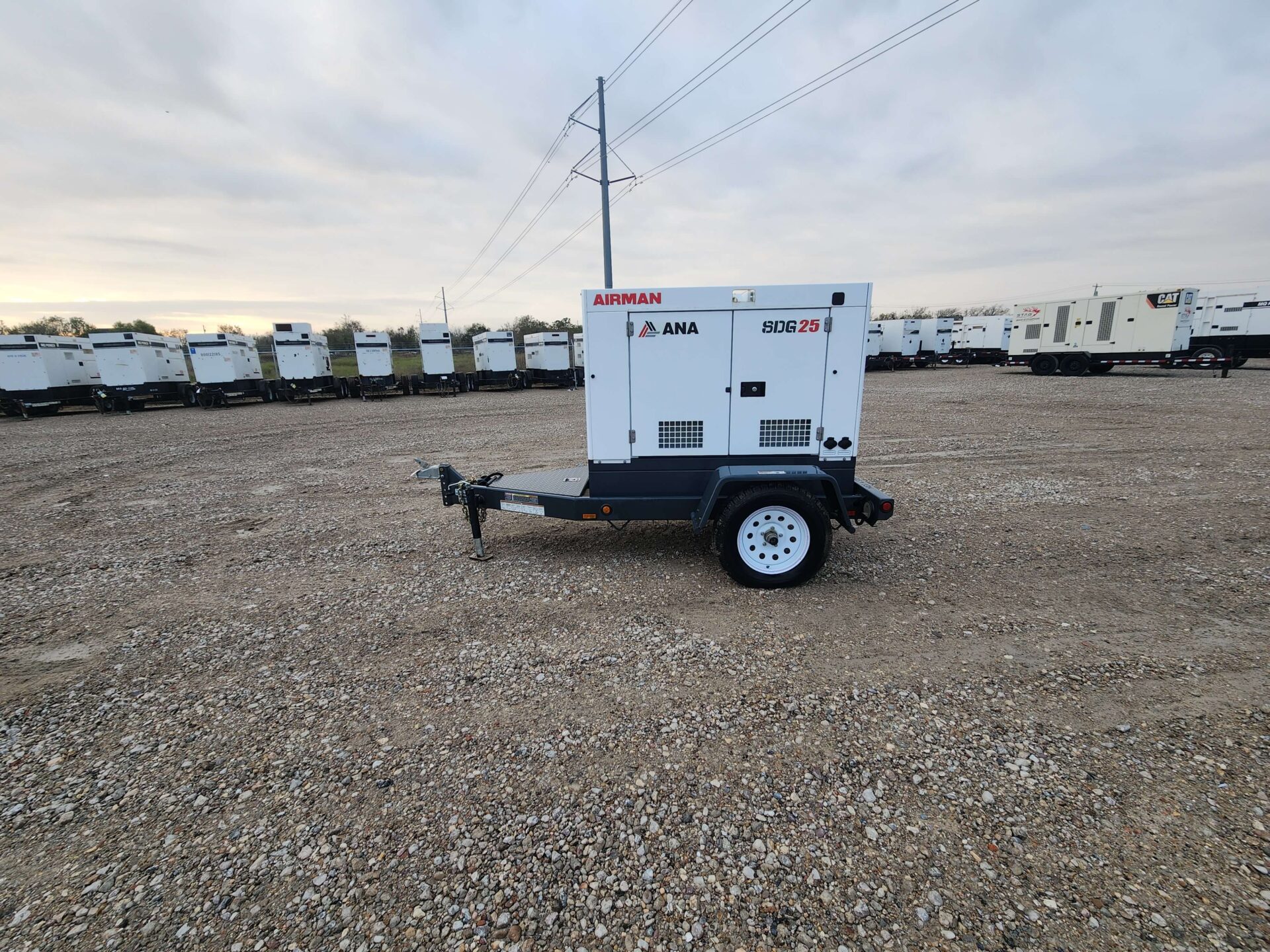
What New Industrial Generators Does Turnkey Industries Sell?
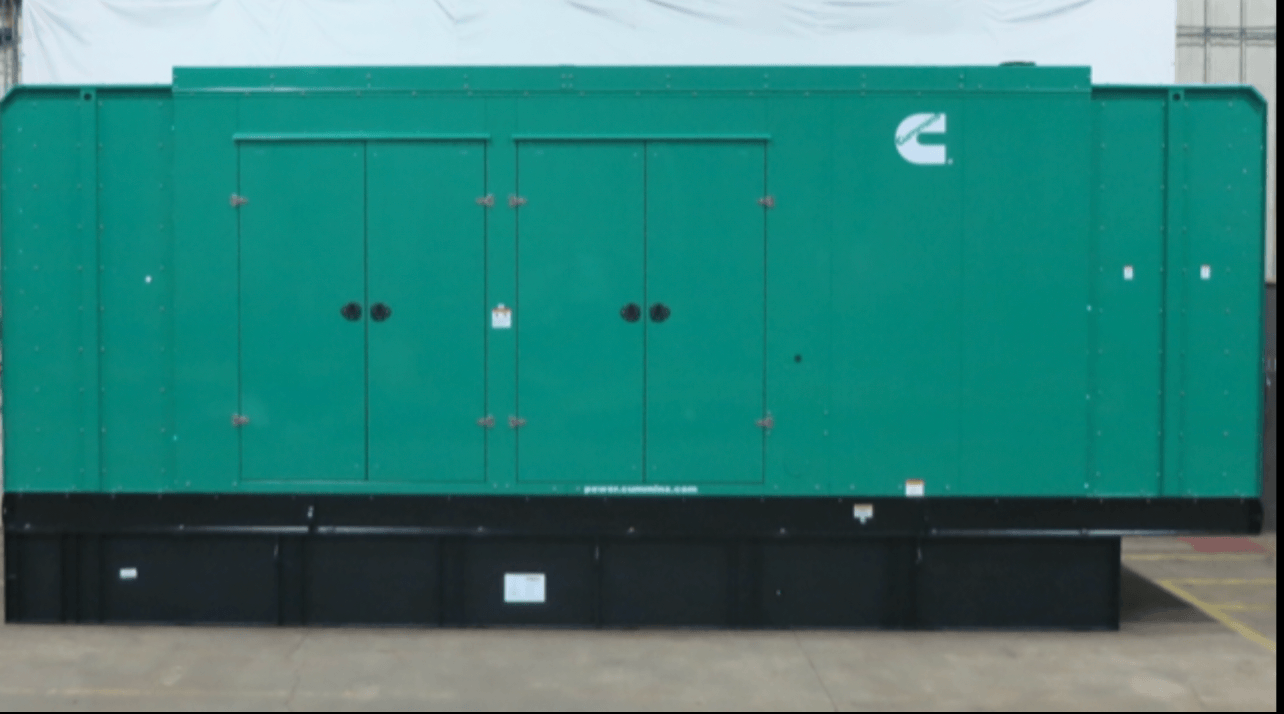
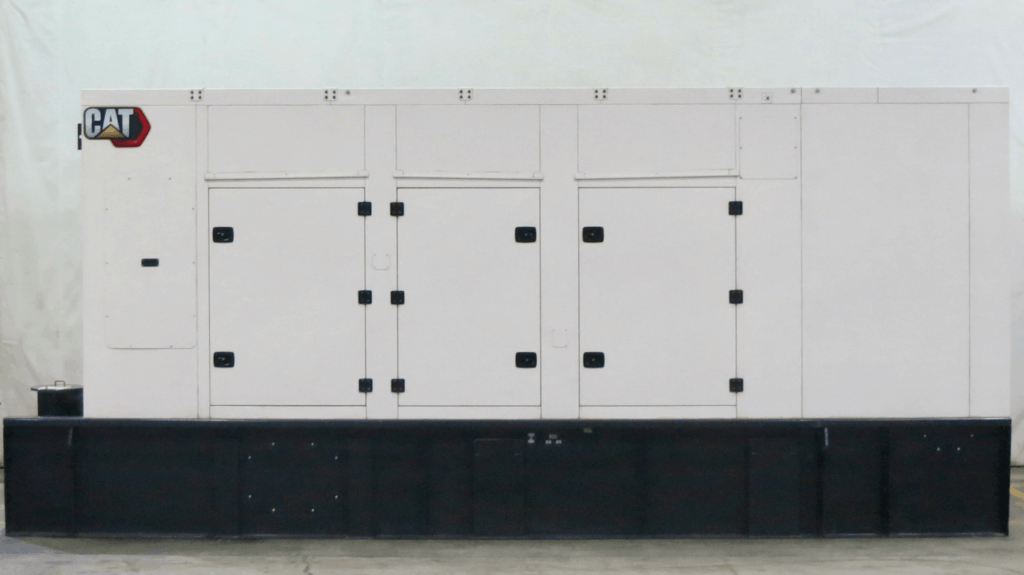
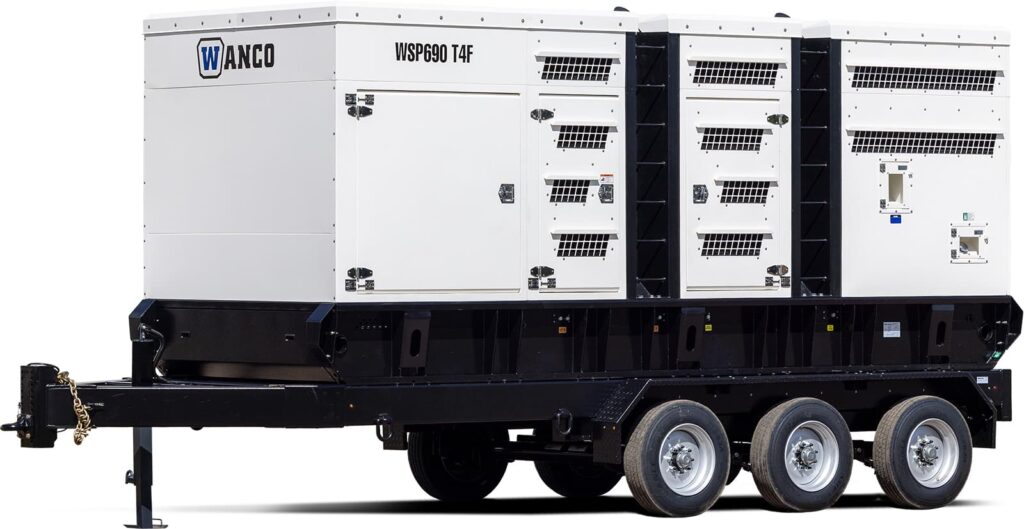
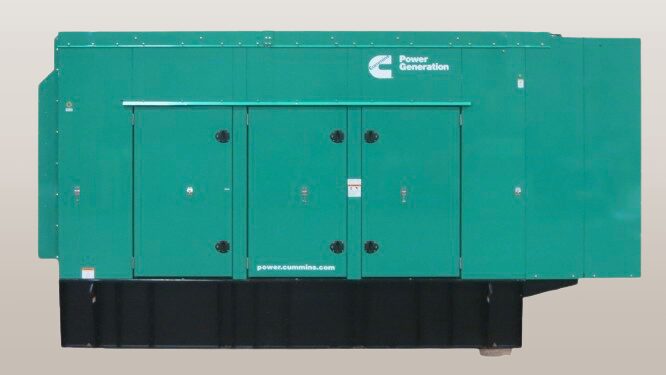
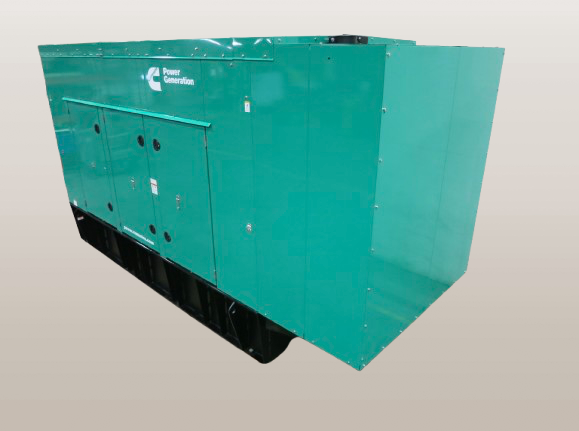
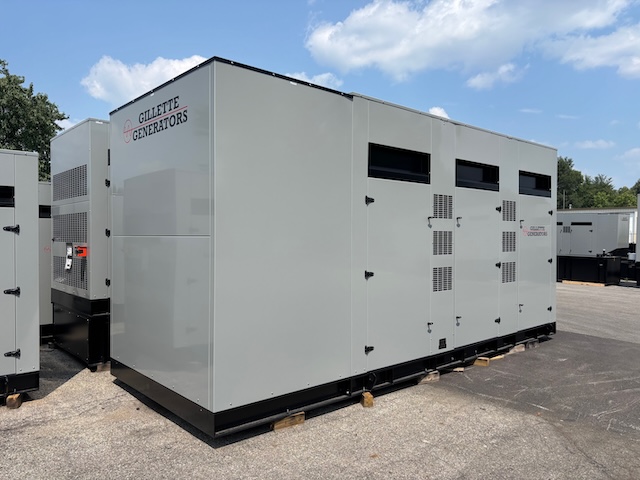
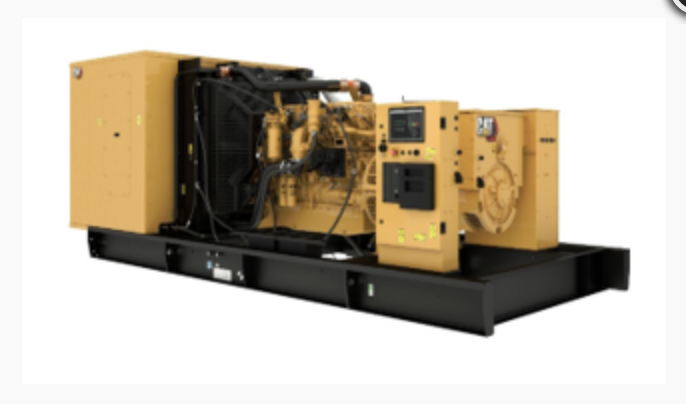
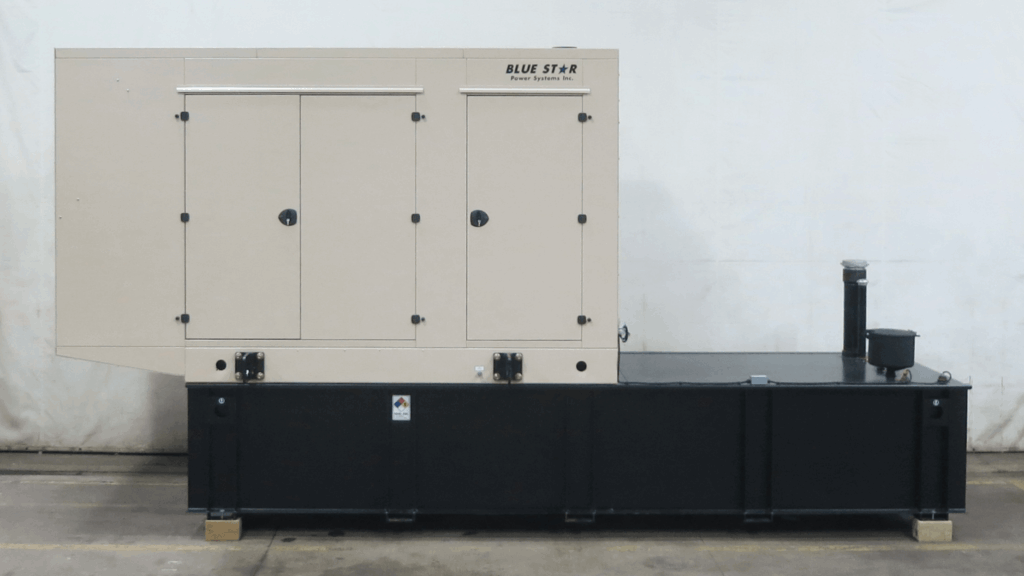
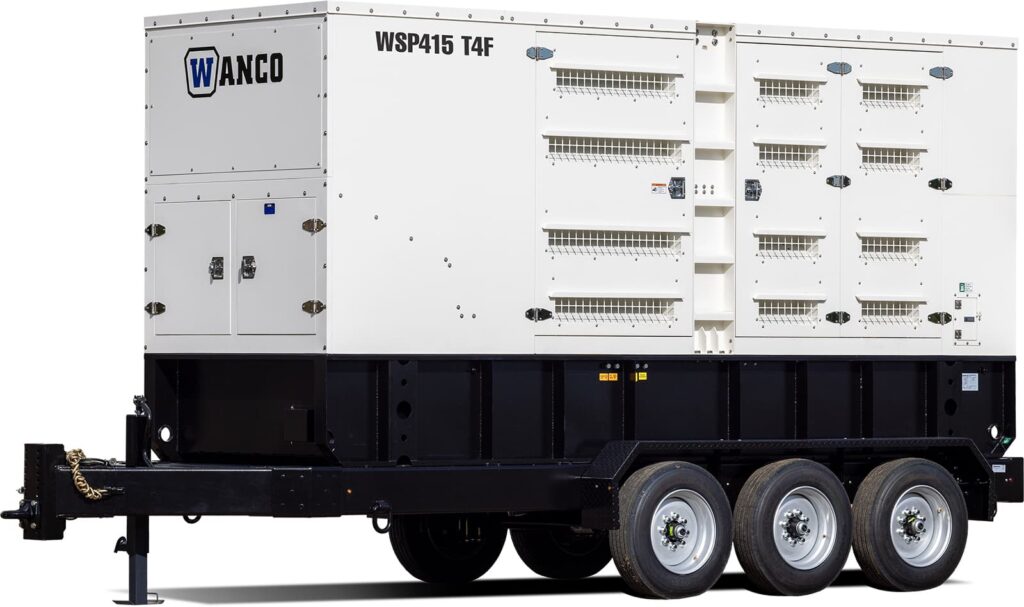
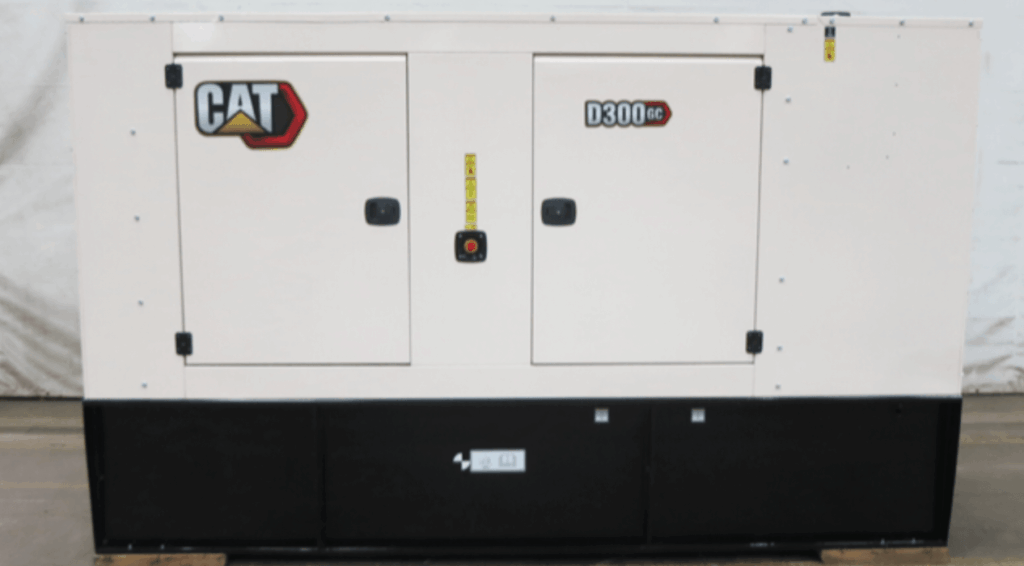
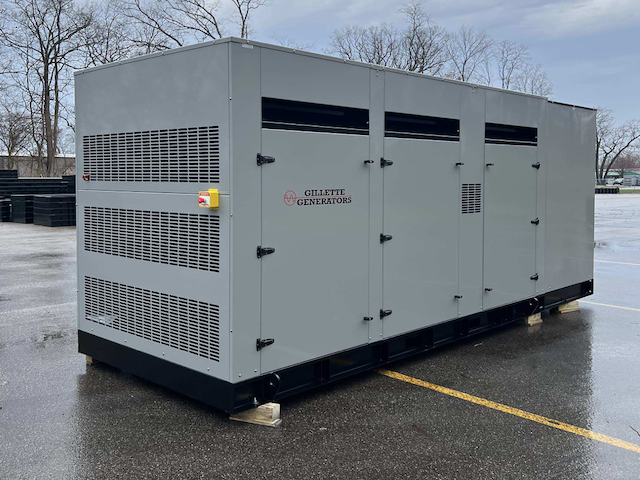
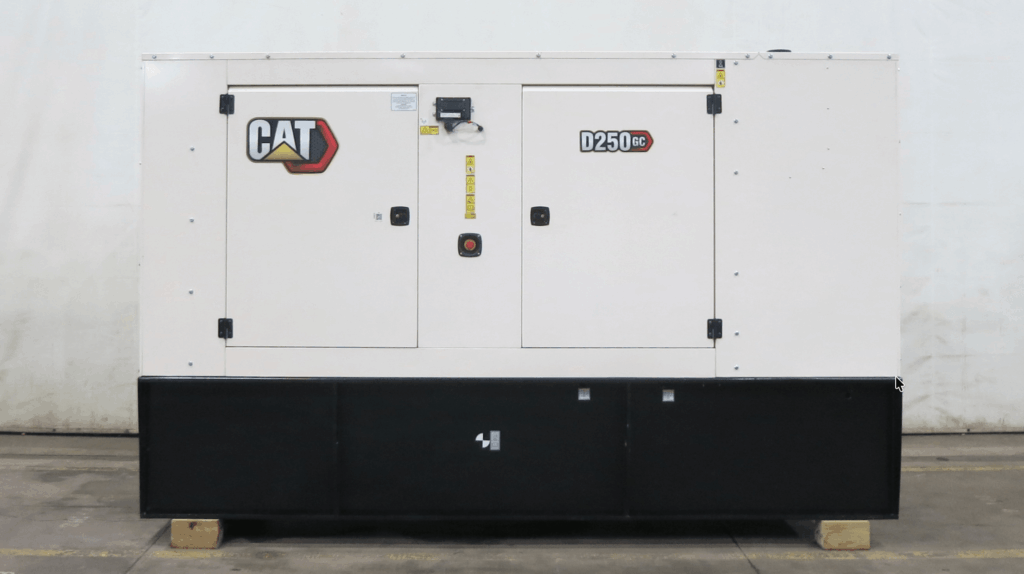
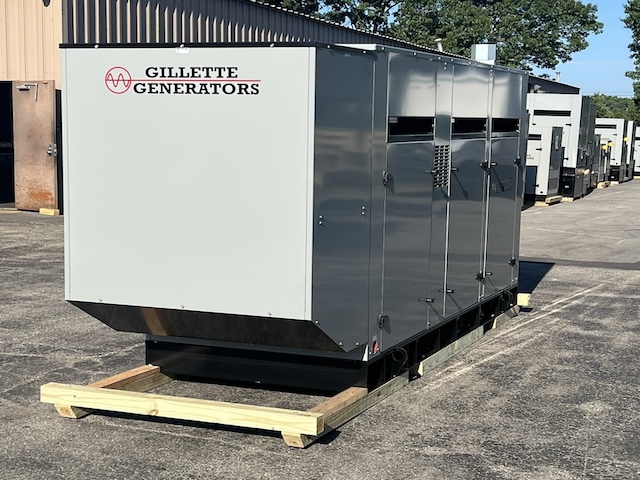
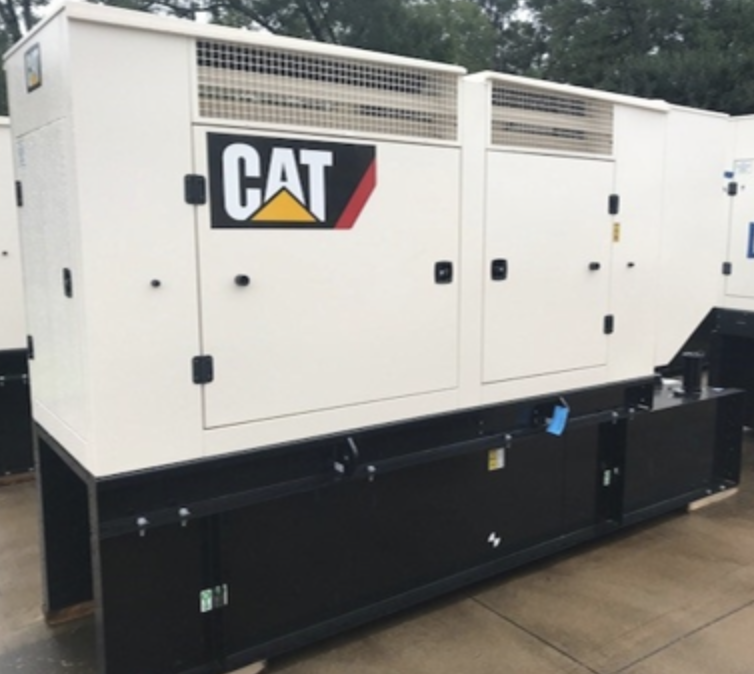
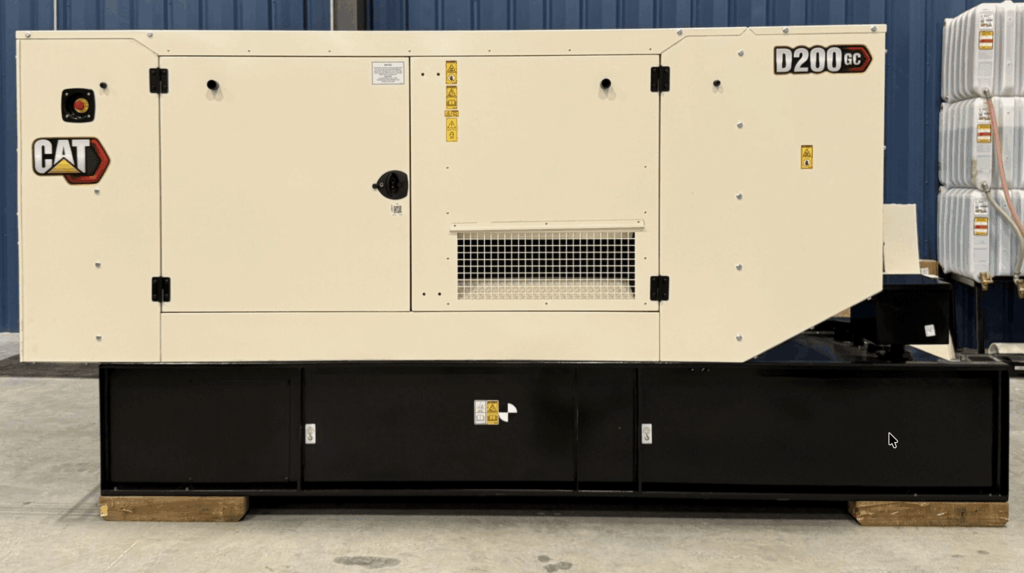
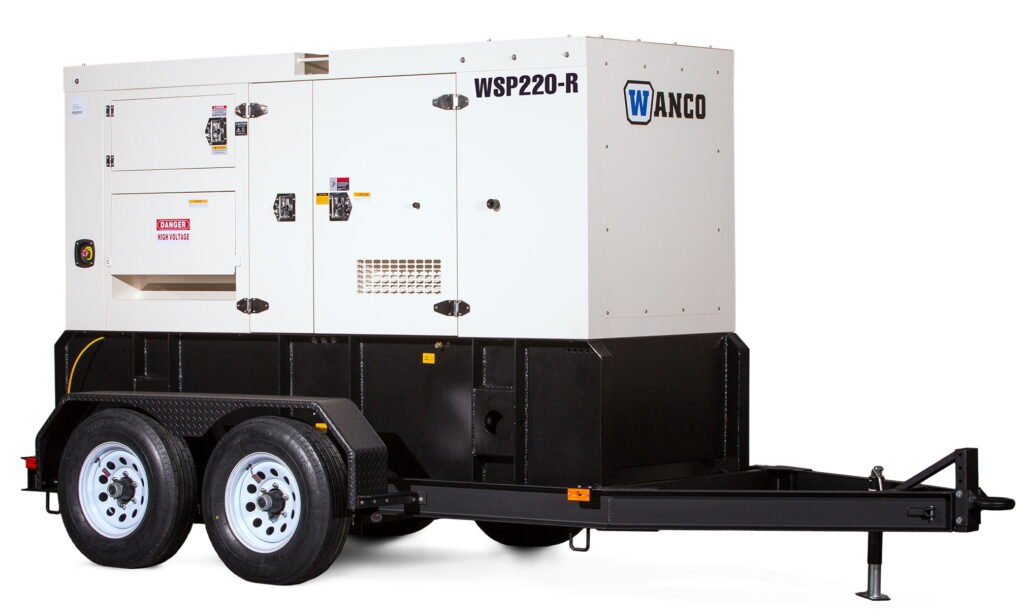
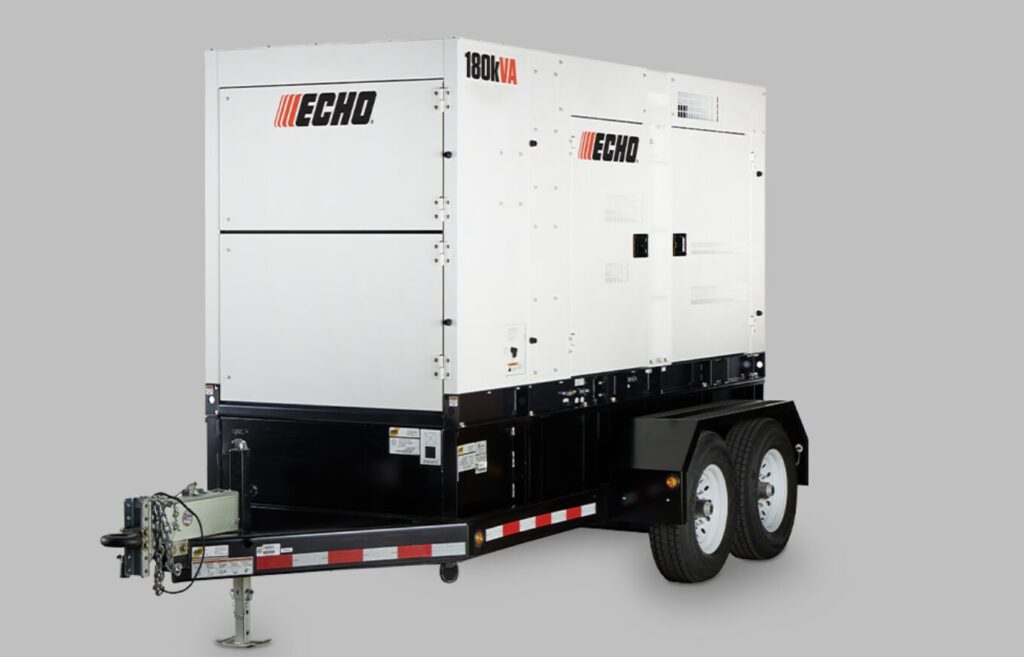
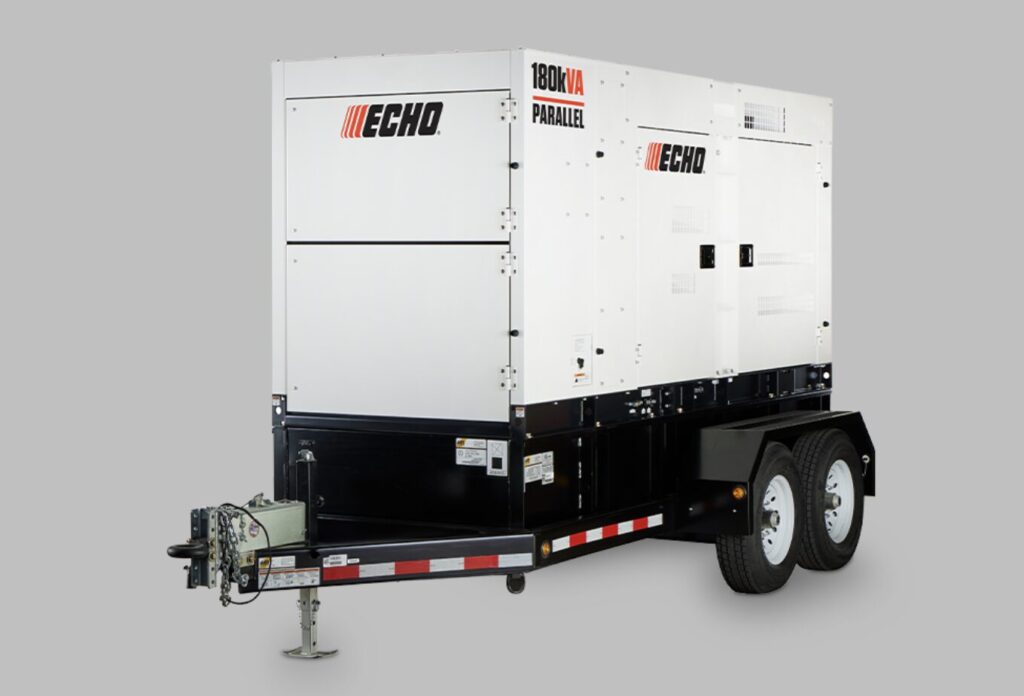
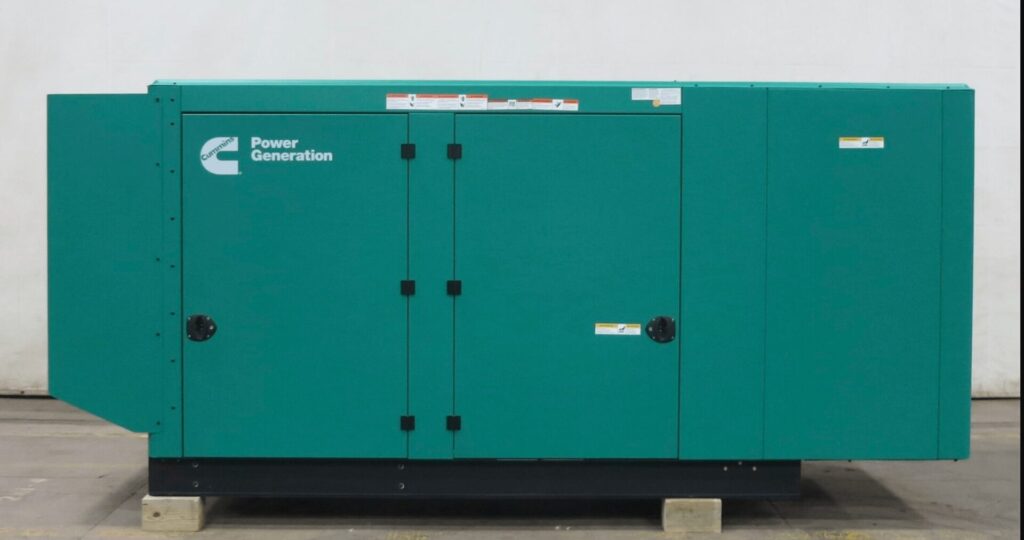
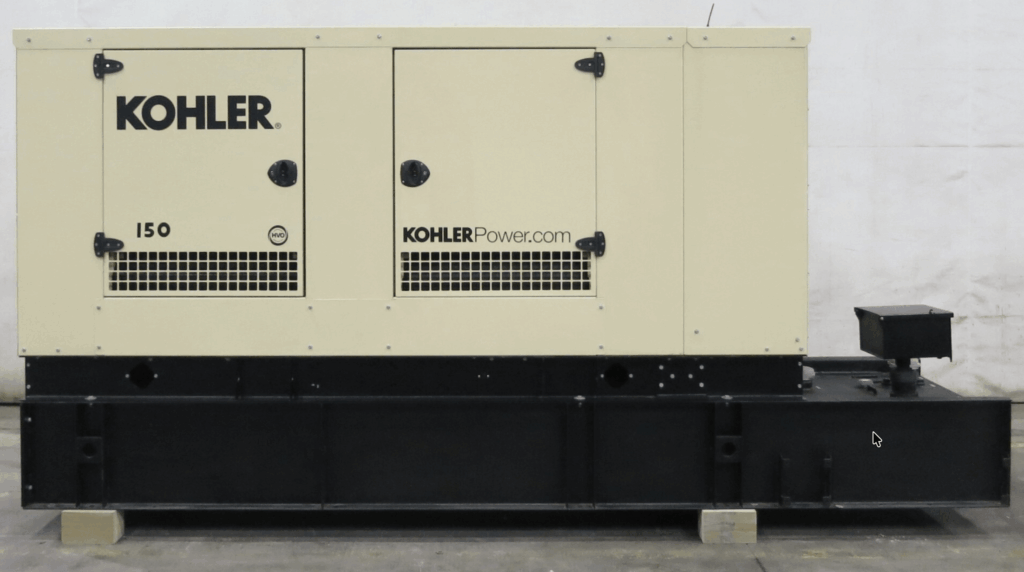
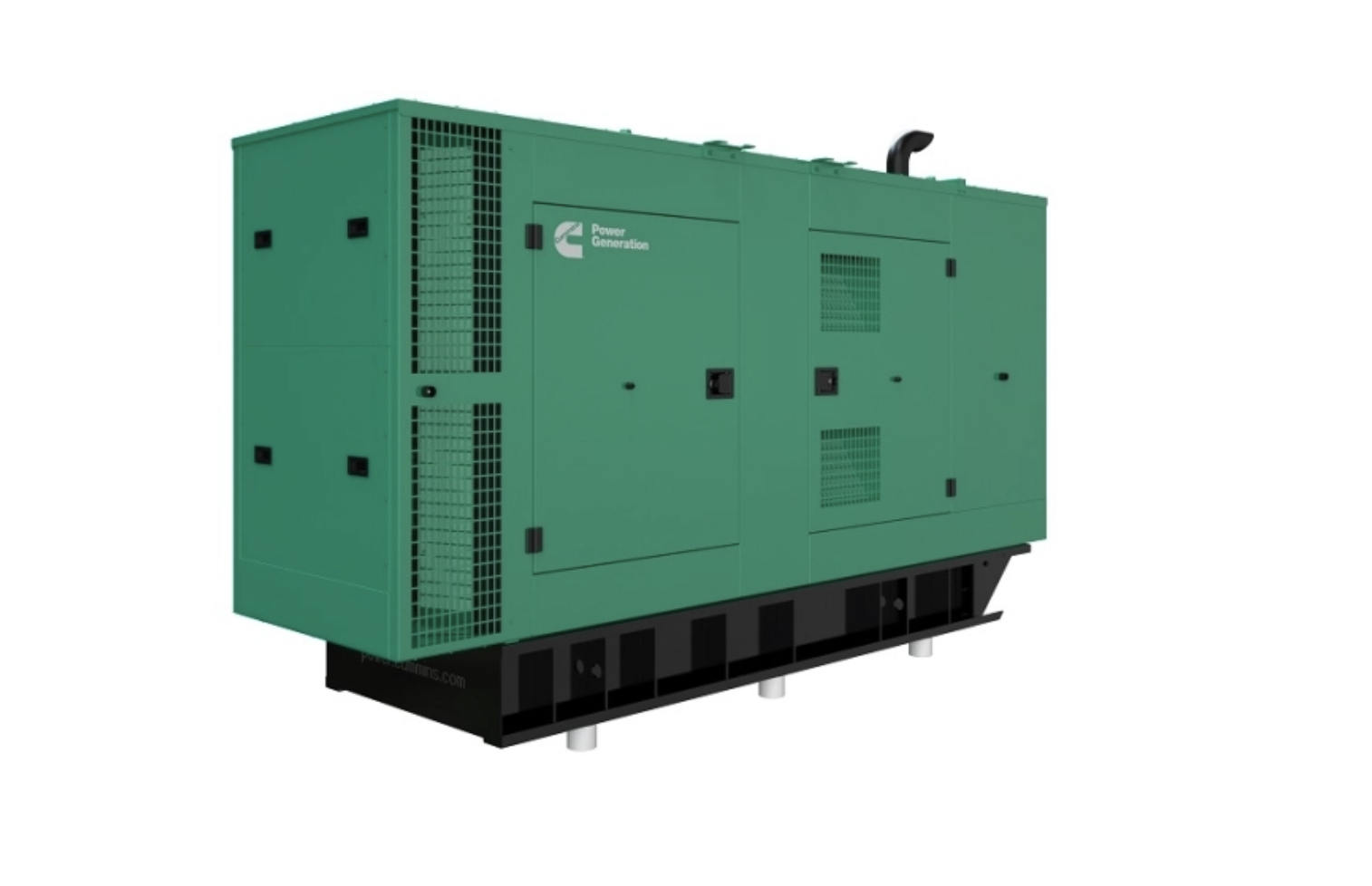
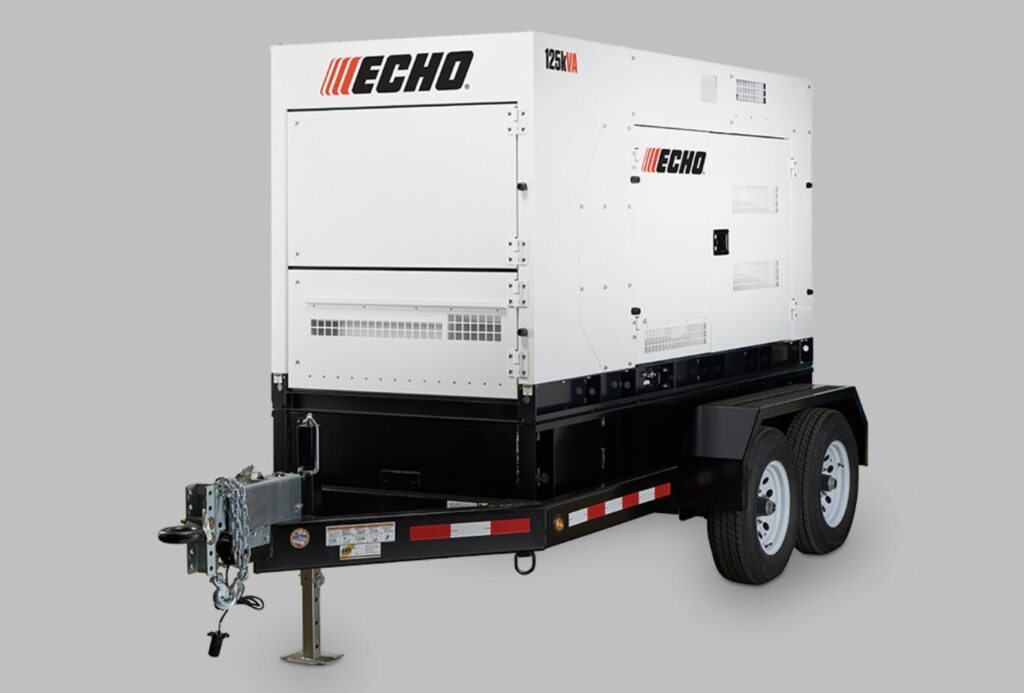
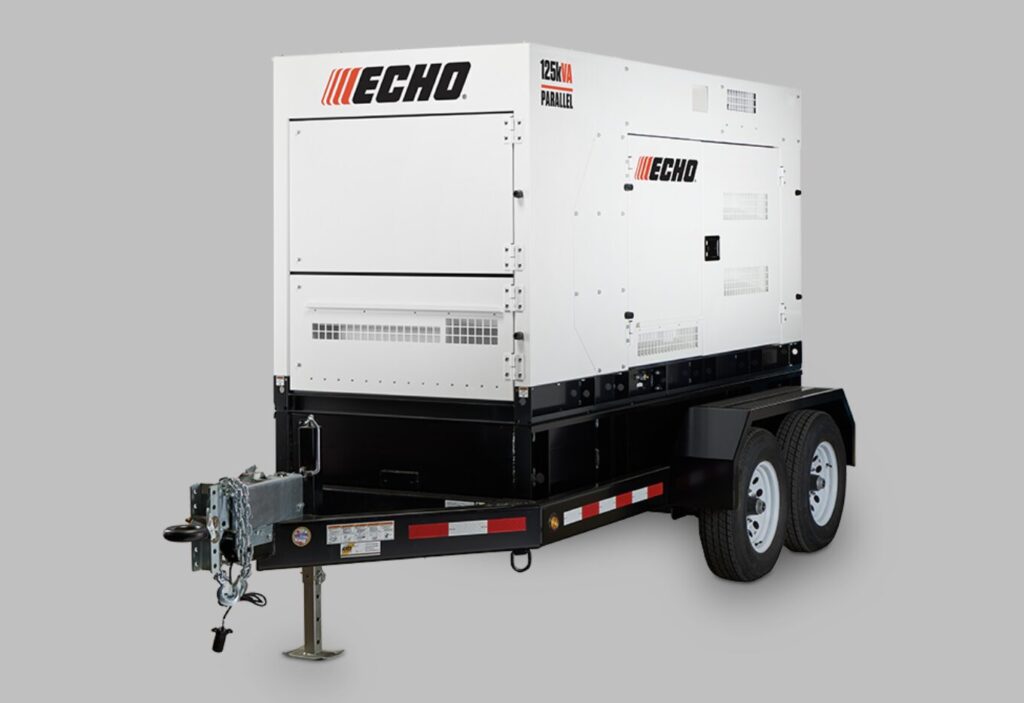
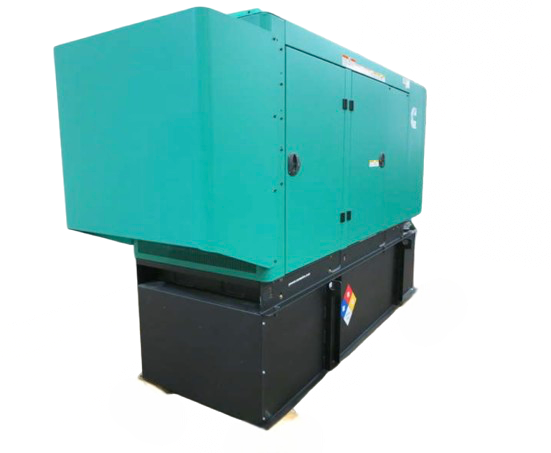
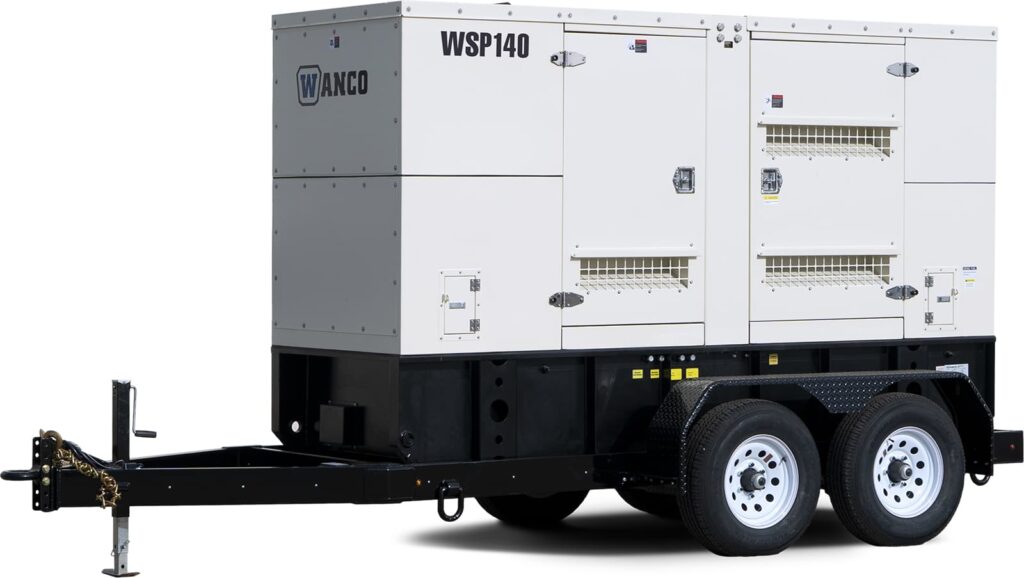
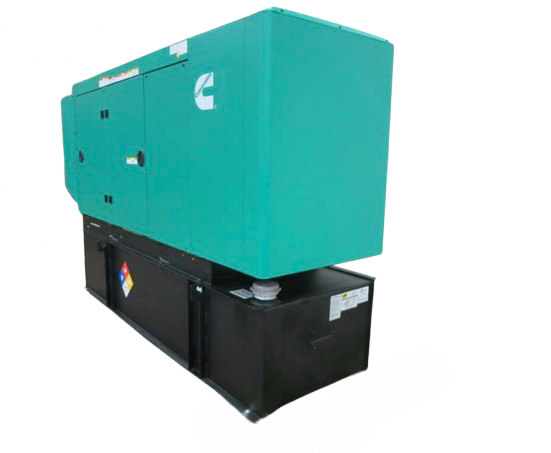
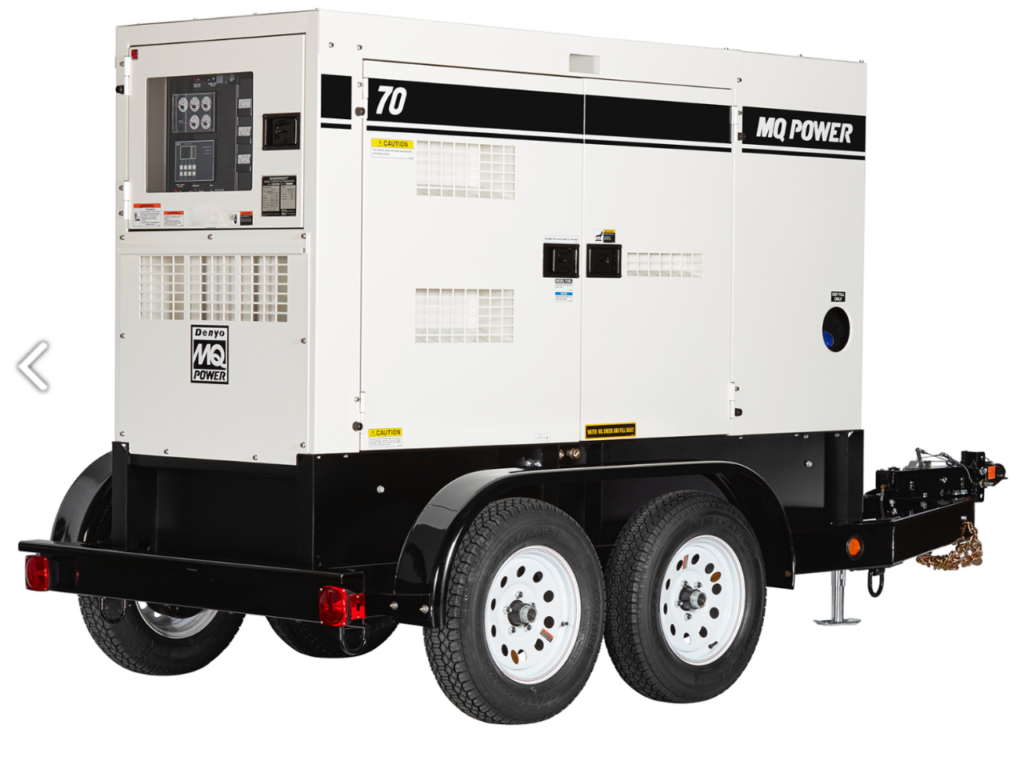
Turnkey Industries sells new industrial generators from 20kW to 3,000kW in diesel, natural gas, trailer-mounted, and standby configurations. Every new unit ships with a full manufacturer warranty, zero engine hours, and current emissions certification, which matters most for facilities planning long-term or mission-critical use. Brands in stock include Cummins generators, Caterpillar generators, and Kohler generators, with additional inventory available through the full Shop By Brand catalog.
Manufacturers building new units today are also pushing further into remote monitoring and predictive maintenance. Sophisticated control systems now flag maintenance needs before a fault occurs, optimize fuel management in real time, and allow facility managers to check generator status without a site visit — features that simply weren’t standard on equipment built even five years ago.
What a New Generator Purchase Typically Includes
- Zero operating hours and full mechanical warranty coverage
- Current EPA Tier emissions certification
- Manufacturer-backed parts and service network access
- Latest-generation control and remote monitoring systems
What Size New Generator Does a Facility Need?
Sizing starts with the total running wattage of everything that will operate simultaneously, plus roughly 20 to 25 percent headroom for motor starting loads. New units are available in the same size classes as used inventory, from 100kW–499kW up through 500kW–999kW, 1000kW–1499kW, 1500kW–1999kW, and 2000kW–3000kW for the largest mission-critical operations. Turnkey Industries’ power calculator and sales team can confirm exact sizing before you commit to a purchase.
Quick Sizing Reference by Facility Type
| Facility Type |
Typical New Generator Range |
| Small commercial site / light industrial |
25kW–99kW |
| Manufacturing plant / mid-size campus |
100kW–499kW |
| Hotel, school, or large construction project |
500kW–999kW |
| Hospital or mid-size data center |
1000kW–1499kW |
| Large data center / municipal infrastructure |
2000kW–3000kW |
How Does the Cost of a New Generator Compare to Used?
New industrial generators typically run 30 to 50 percent higher than equivalent used industrial generators at the same power output. That premium is buying zero engine hours, a full warranty term, and certification against whatever emissions standard is currently in effect — not just a newer serial number. For facilities running standby power occasionally, a well-inspected used unit often closes most of that reliability gap at a fraction of the cost. For facilities running near-continuous prime power, the extended service life of a new engine tends to justify the higher upfront cost over a 10- to 15-year ownership window.
New vs. Used: Quick Comparison
| Factor |
New Generator |
Used Generator |
| Upfront cost |
Higher |
30–50% lower |
| Lead time |
Longer (built/configured to order) |
Shorter (ships from stock) |
| Warranty |
Full manufacturer coverage |
Varies by seller/unit |
| Engine hours |
Zero |
Varies, disclosed at inspection |
| Emissions compliance |
Current standard guaranteed |
Depends on build year |
Neither column is the “right” answer on its own — it depends on how a facility weighs upfront capital against lead time and long-term service life. Our Used vs. New Industrial Generators guide walks through that decision in more depth.
What Lead Times Should Buyers Expect on New Equipment?
New generators are frequently built or configured to order rather than pulled from ready stock, so lead times run longer than used inventory. A facility that needs power online within a few weeks is usually better served by used equipment; a facility planning a new build or major upgrade months out has more flexibility to order new and specify exact features.
Which Industries Tend to Buy New Rather Than Used?
Data centers and hospitals lean toward new generators more often than other sectors, since mission-critical standby power makes full warranty coverage and zero operating history worth the added cost. Data center operators in particular can’t tolerate the risk of an unknown maintenance history on equipment protecting server uptime, and hospitals face the same calculus for life-safety systems like ventilators and ICU equipment. Schools and universities, along with municipalities facing strict, currently-enforced Tier emissions requirements, also frequently default to new equipment, since it removes any question about compliance at time of installation.
Construction, manufacturing, and oil and gas operations are more likely to weigh new against used on a project-by-project basis. Oil and gas operations running refineries treat backup power as a protective asset, since grid disturbances there can trigger tripped pumps and fail-safe shutdowns within seconds — a risk that often justifies the reliability of new equipment. Construction crews, by contrast, typically need used trailer-mounted power for tools, lighting, and temporary offices on short-term job sites and rarely stay long enough to justify a new order’s lead time. A permanent facility expansion, on the other hand, might justify ordering new instead.
What Warranty and Support Come With a New Generator?
Manufacturer warranty coverage is the headline benefit of buying new, but it’s not the only protection you get. Turnkey Industries backs every unit — new or used — with our own 30-day IronClad warranty on top of the manufacturer’s coverage, so you’re not relying on factory paperwork alone if something needs attention early on.
Once your new generator is installed, keeping that warranty intact and the unit running the way it should comes down to upkeep. Our service and maintenance team handles preventative maintenance, load bank testing, and emergency service for new units just as we do for used ones, so mission-critical facilities have one point of contact for the life of the equipment, not just the sale.
How Does Turnkey Industries Support a New Generator Purchase?
Turnkey Industries provides sizing guidance, brand and model selection, and delivery coordination for new industrial generator orders, alongside the same inspection and support standards applied to used equipment. If financing makes more sense than paying upfront, flexible terms are available through our financing partner. Contact our sales team to confirm current new-unit availability, manufacturer lead times, and pricing by brand and kW range.
Frequently Asked Questions
How long does it take to receive a new industrial generator?
Lead times vary by brand, size, and configuration, but new units are generally built or configured to order rather than shipped from ready stock. Smaller standard configurations may ship faster; large custom builds like 2000kW+ standby units can take considerably longer. Contact our sales team for current lead times on a specific brand and size.
Is a new generator always the better choice for a mission-critical facility?
Not automatically. New equipment offers zero hours, full warranty coverage, and guaranteed current emissions compliance, which matters most for facilities that can’t tolerate unknown maintenance history. But a well-inspected used unit with documented service records can still be a reliable option for facilities that need power sooner than a new order’s lead time allows.
What brands of new industrial generators does Turnkey Industries carry?
New inventory includes Cummins, Caterpillar, and Kohler, among others. Visit our full Shop By Brand catalog to see current availability across all manufacturers.
Do new generators come with a warranty from Turnkey Industries?
Yes. In addition to full manufacturer warranty coverage, every generator we sell — new or used — is backed by our own 30-day IronClad warranty.
Can I finance a new industrial generator purchase?
Yes. Turnkey Industries offers flexible financing options through our financing partner for customers who prefer to spread the cost of a new unit over time rather than paying upfront.
What size new generator do I need for my facility?
Sizing depends on the total running wattage of everything operating simultaneously, plus headroom for motor starting loads. Use our power calculator for an estimate, or contact our sales team to confirm exact sizing before committing to a purchase.

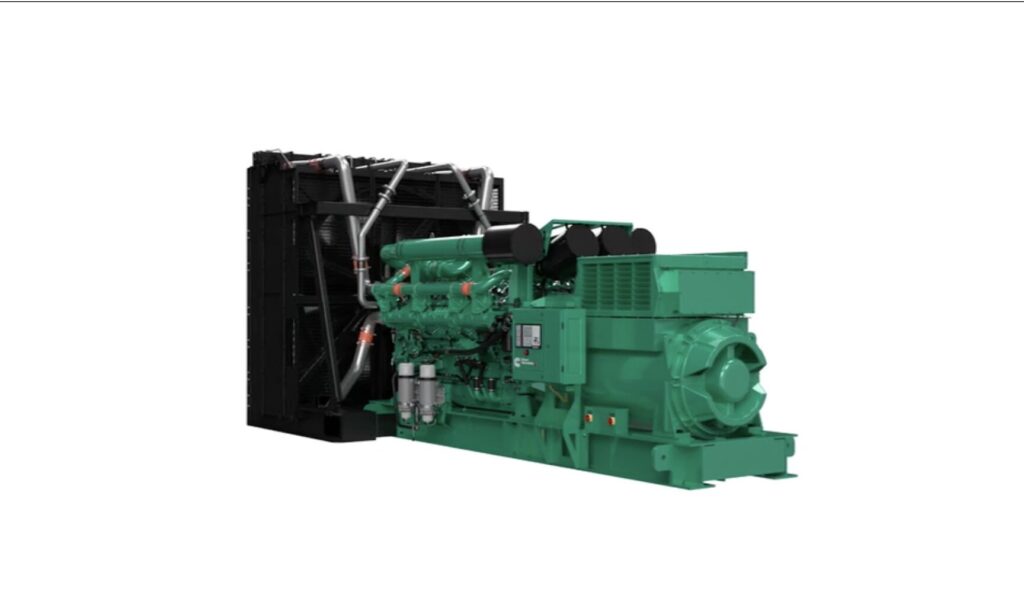

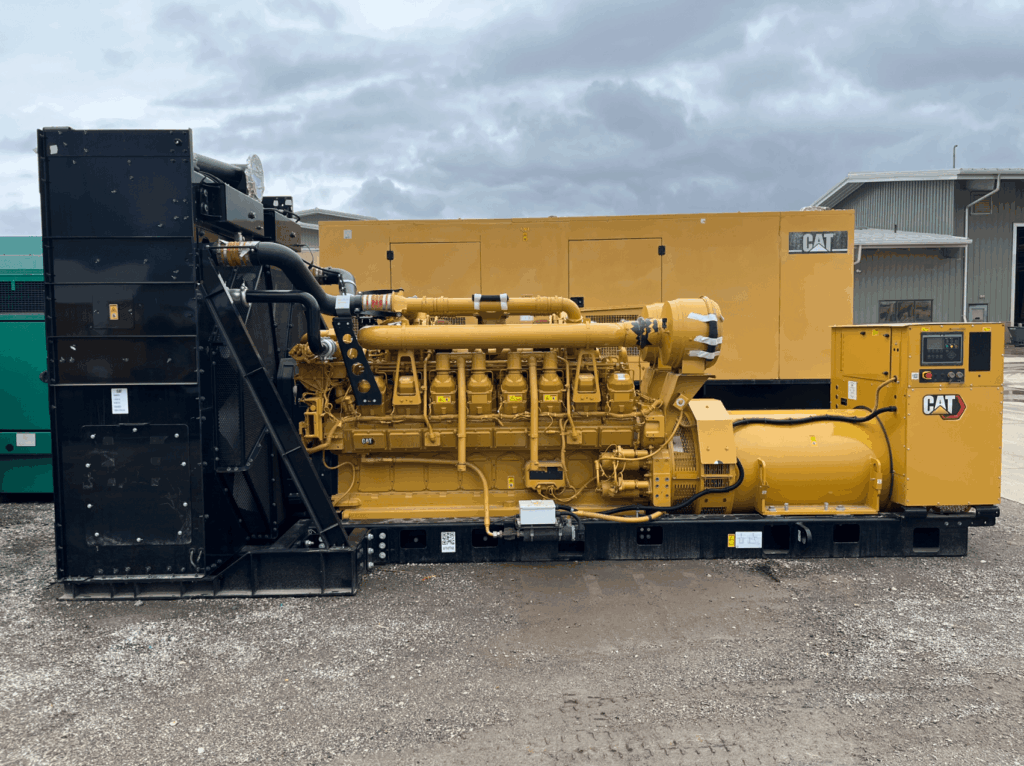
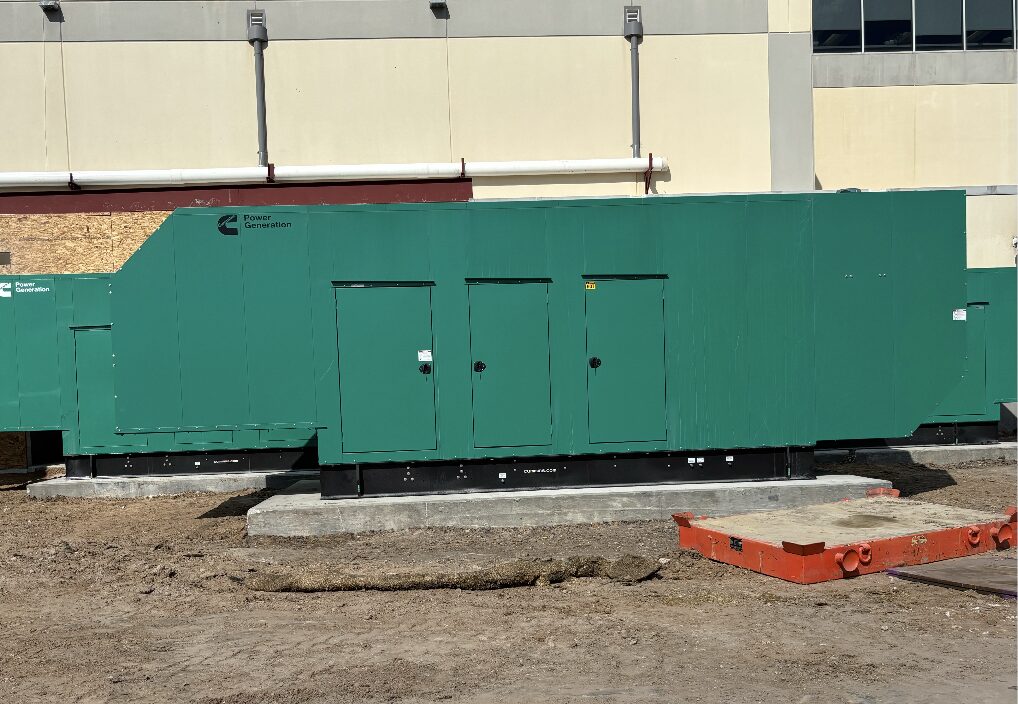
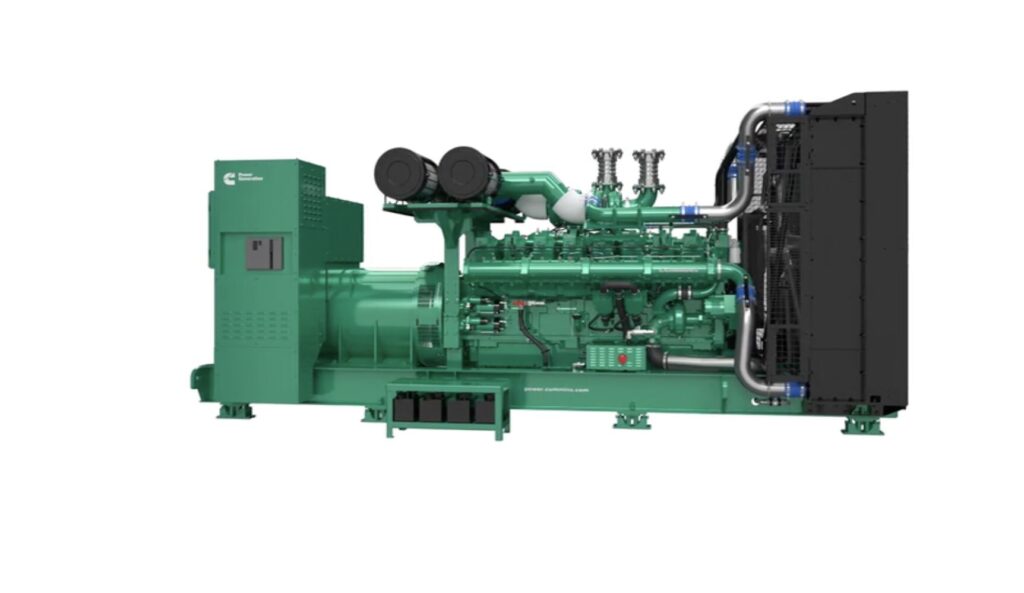 New - 0 Hours2,000 kW
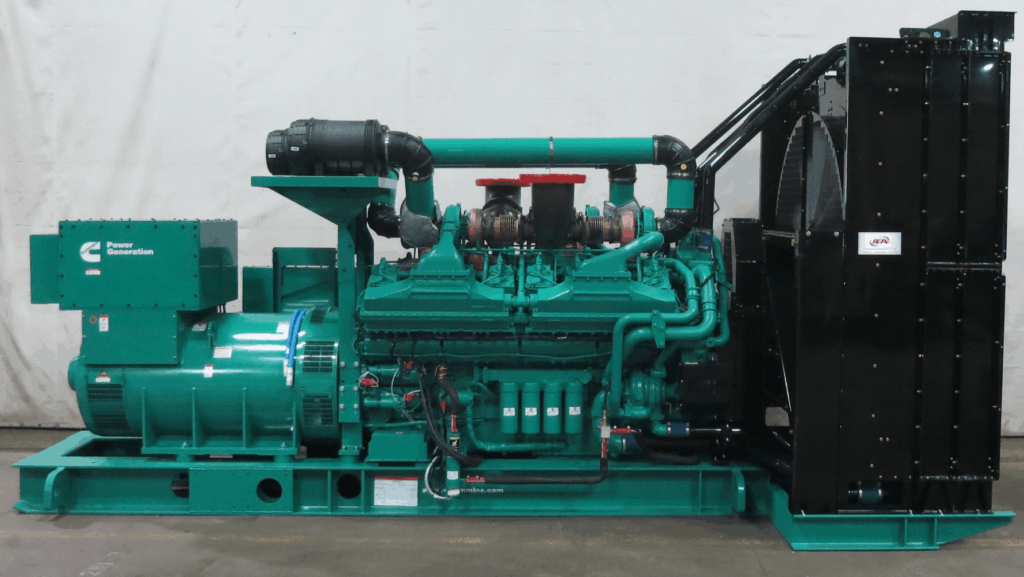
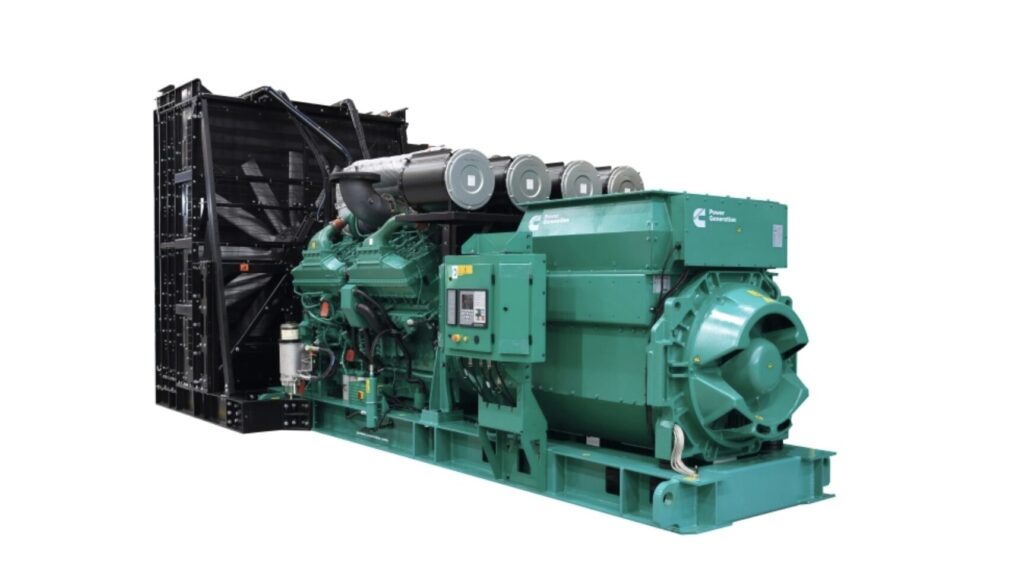
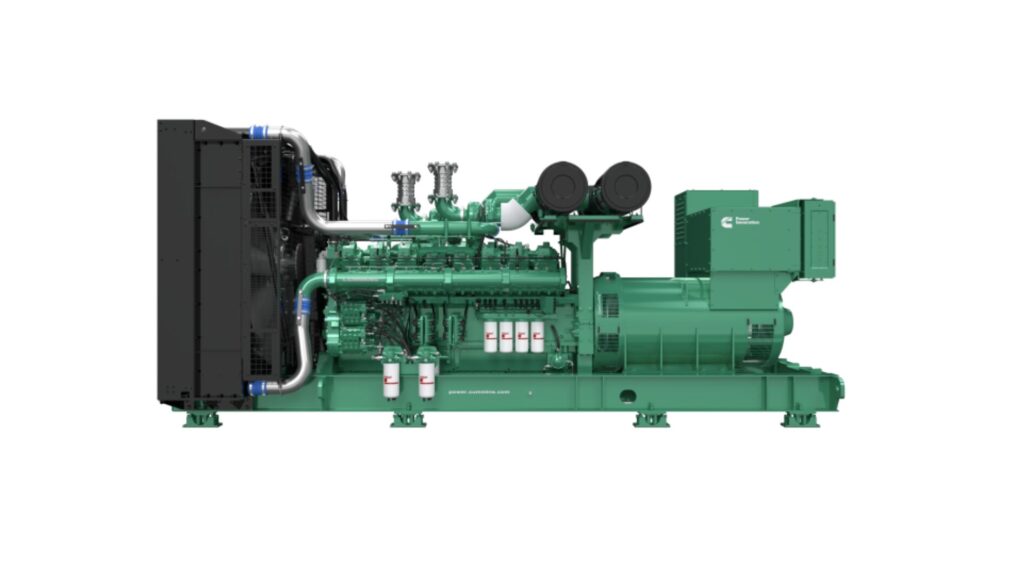 New - 0 Hours2,000 kW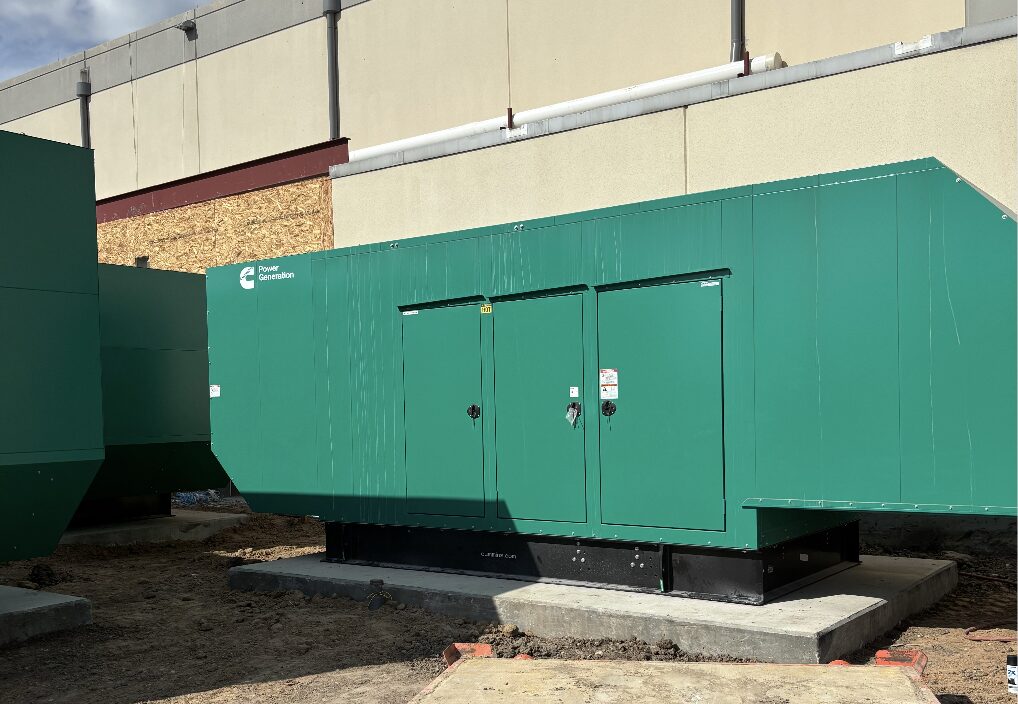
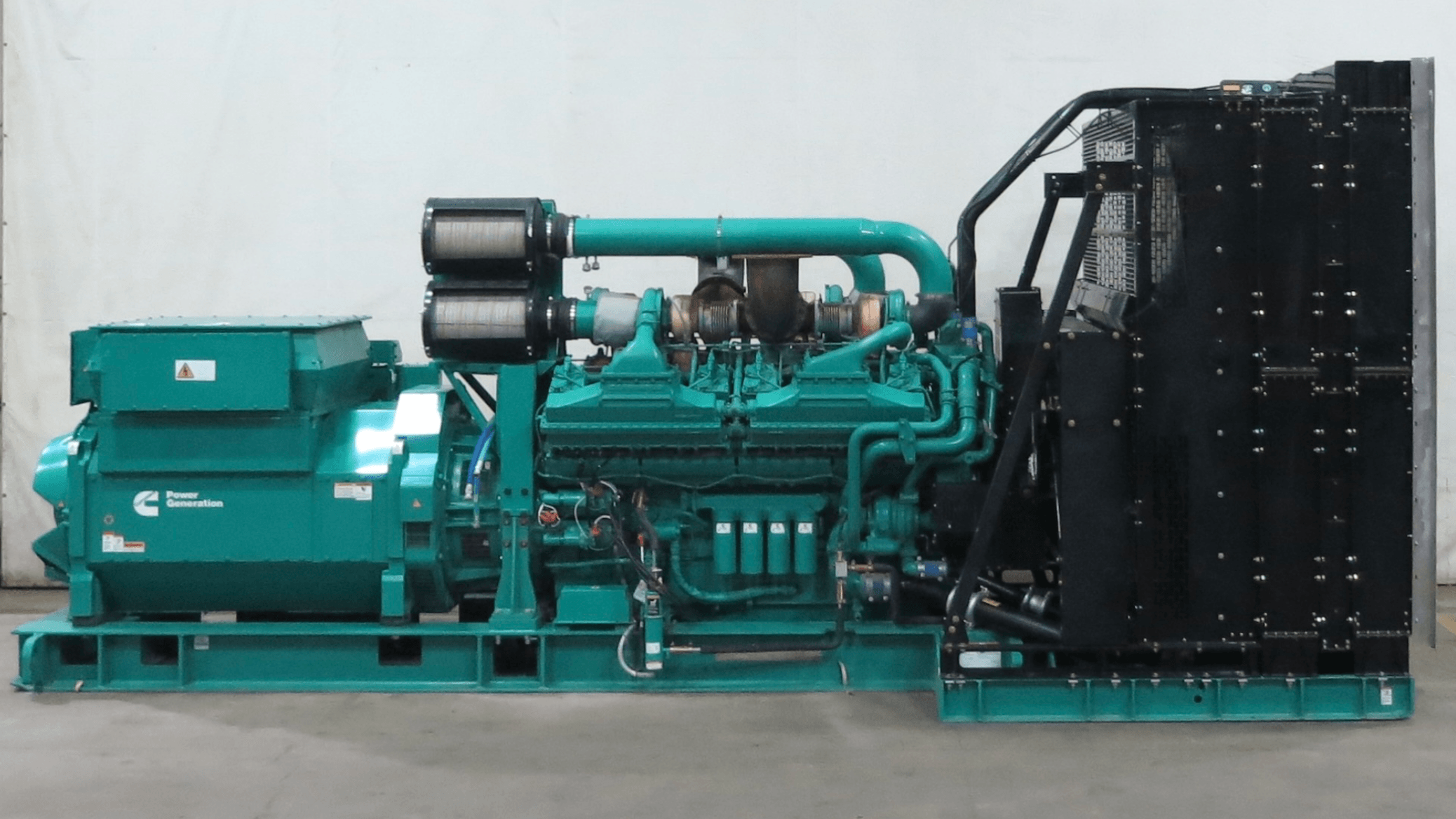
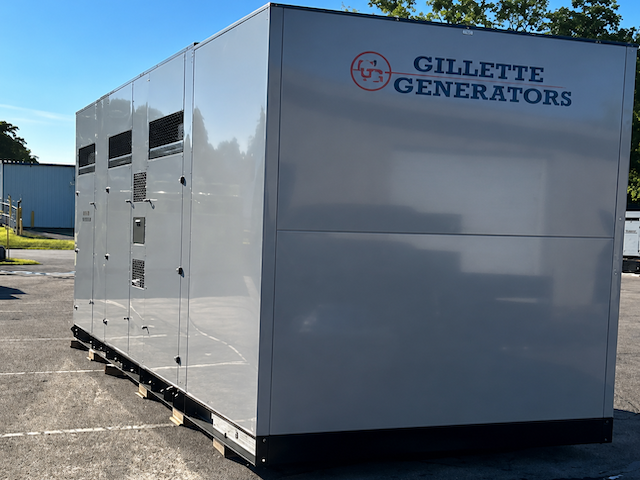 Sale Pending1,050 kW