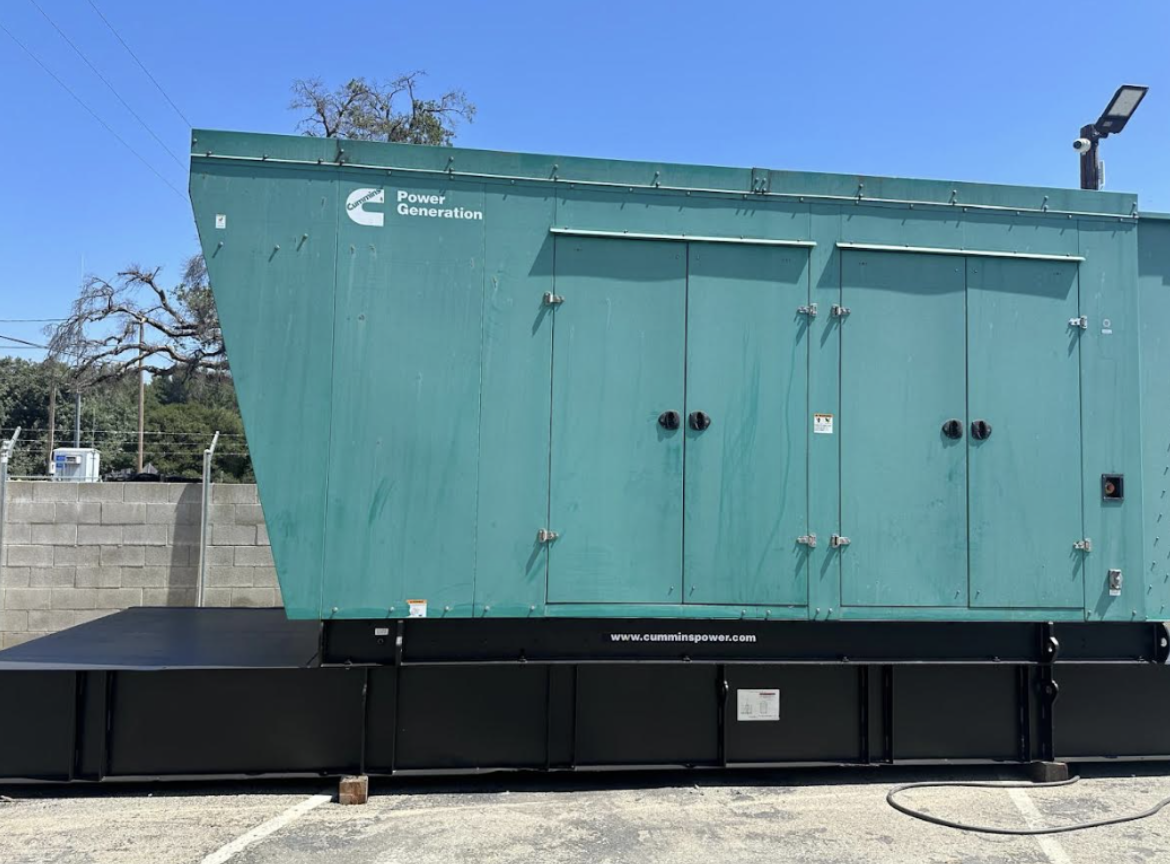
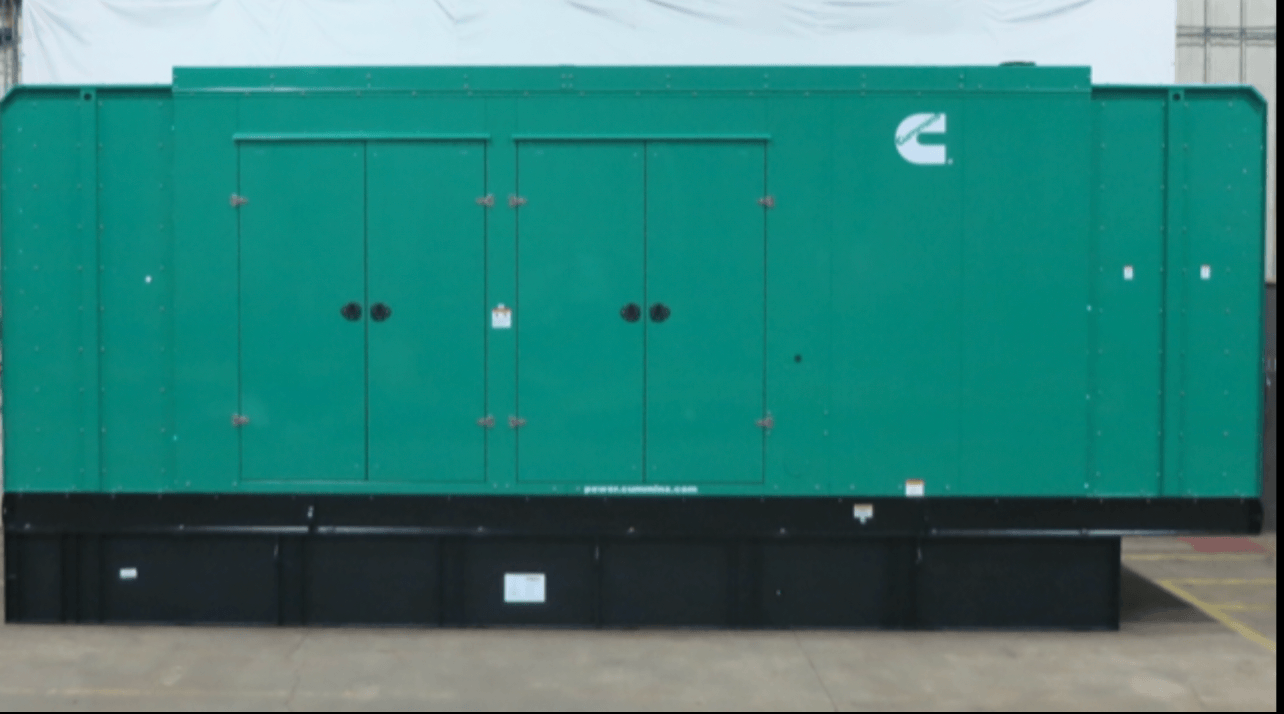
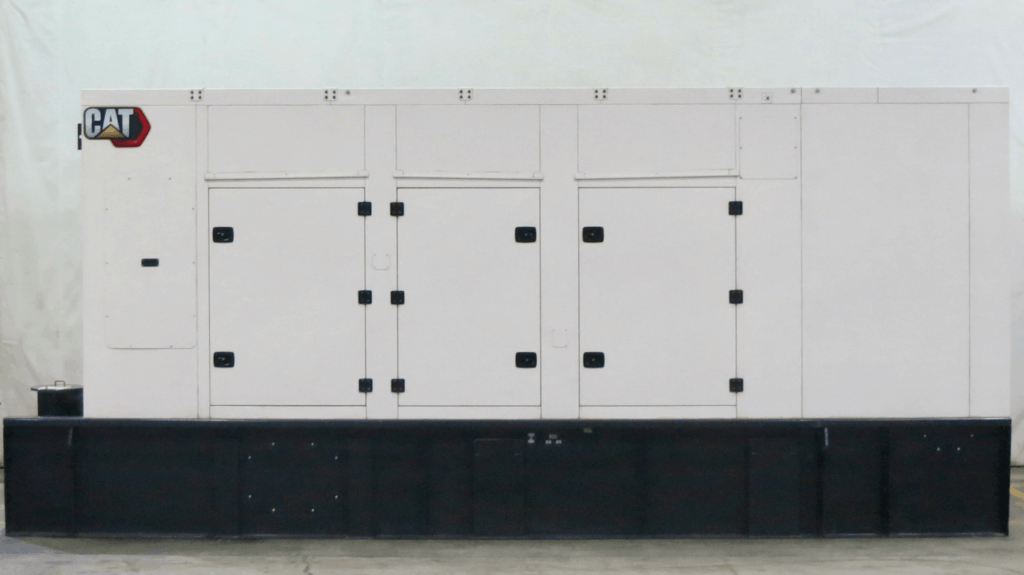
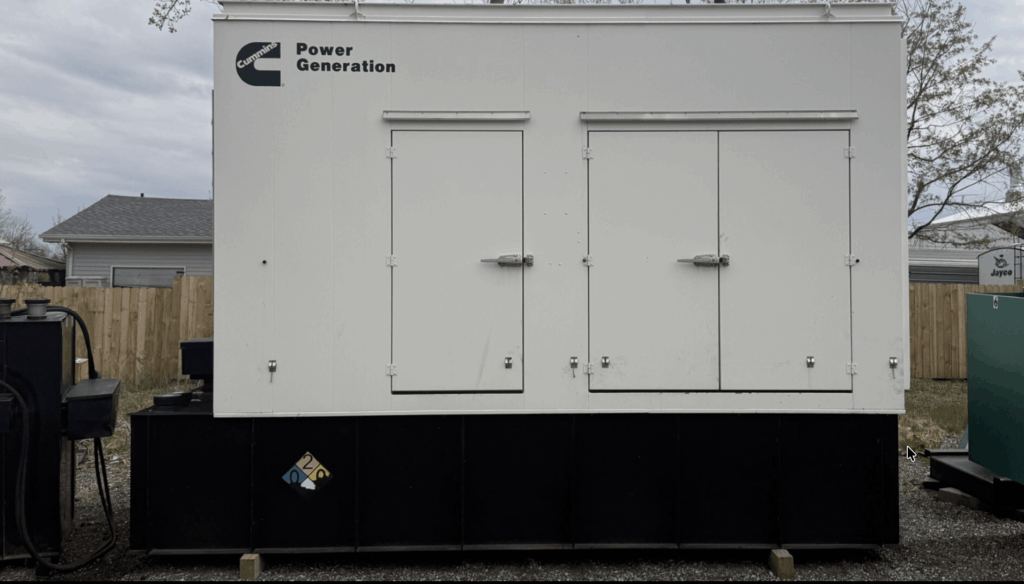
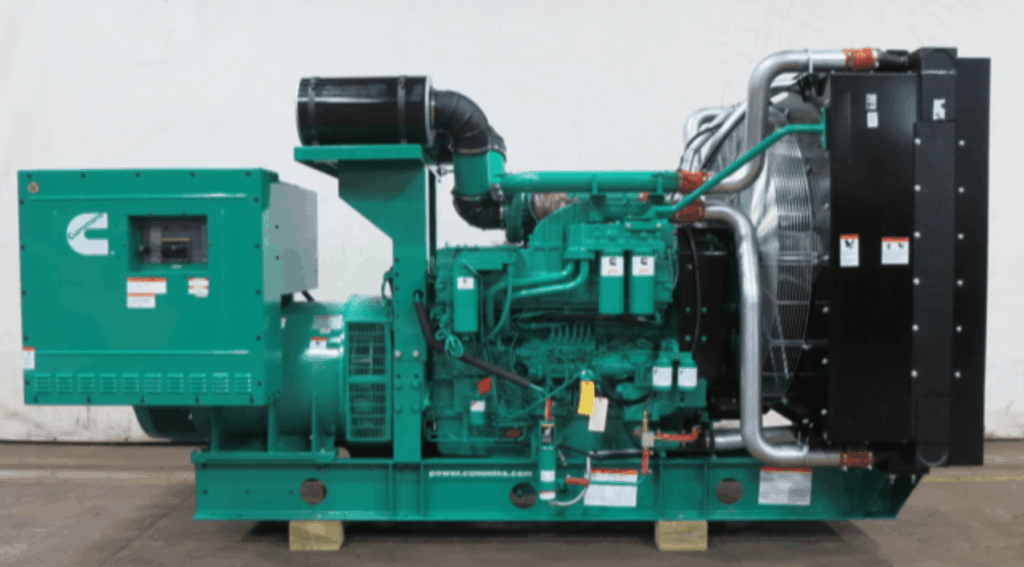
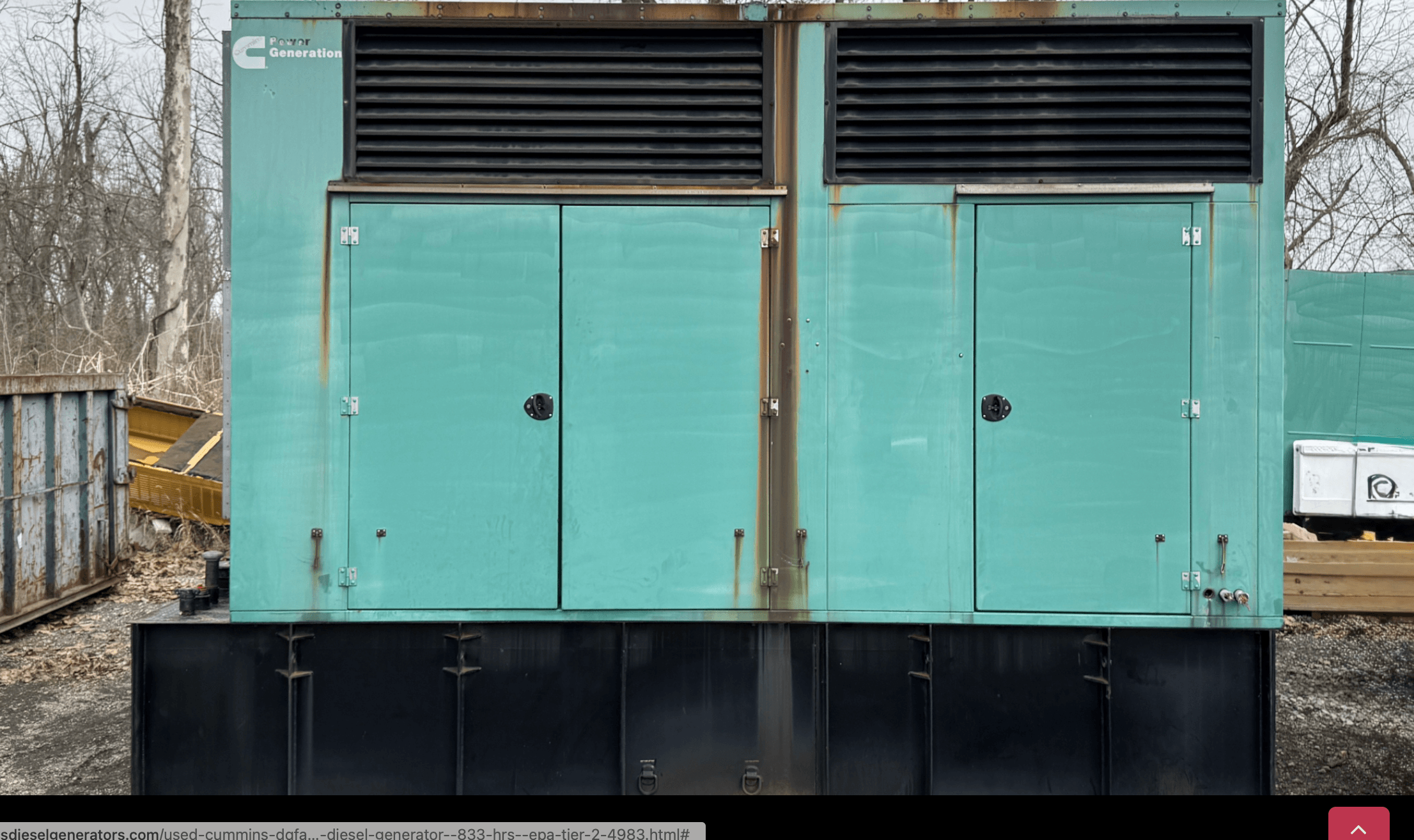
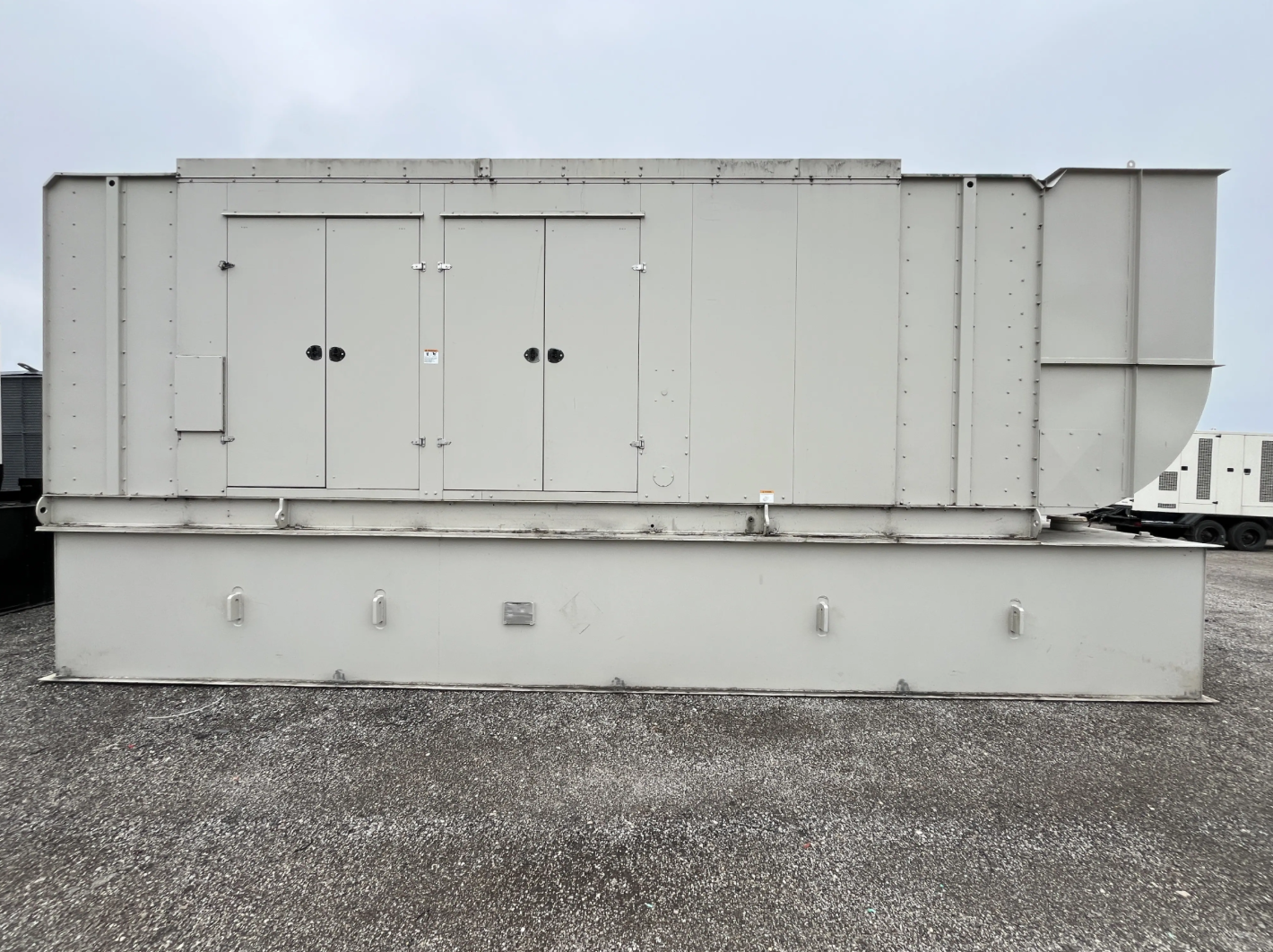
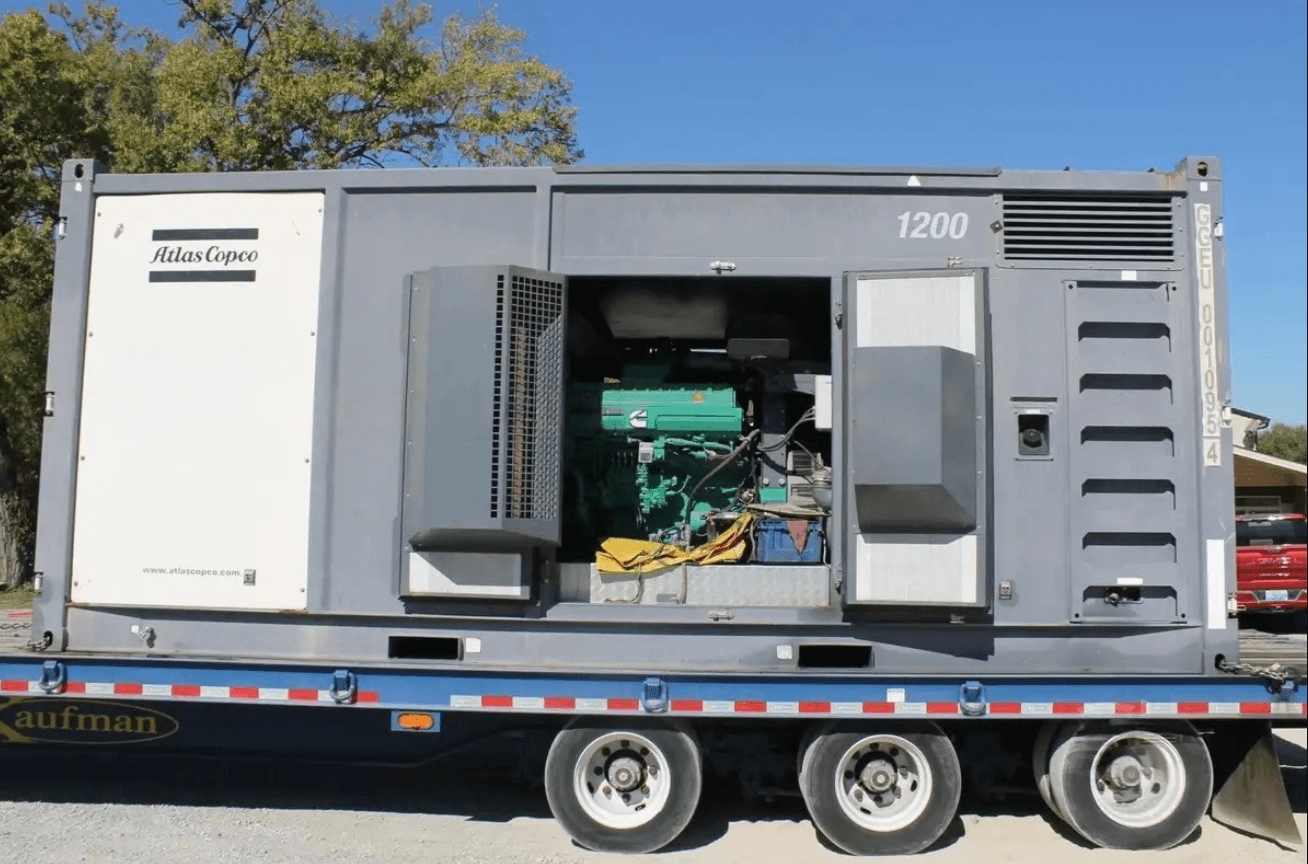
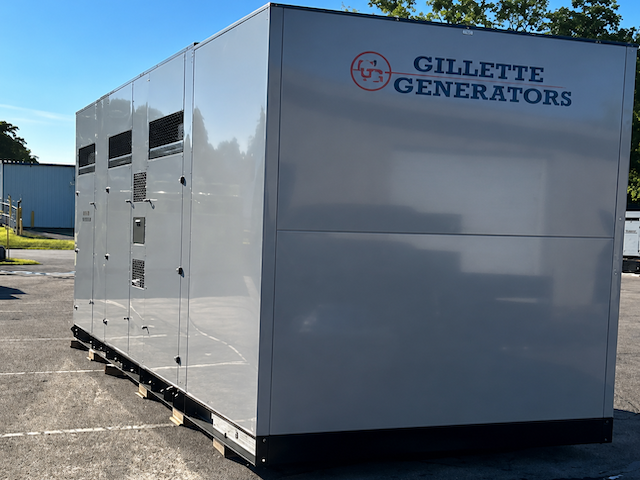
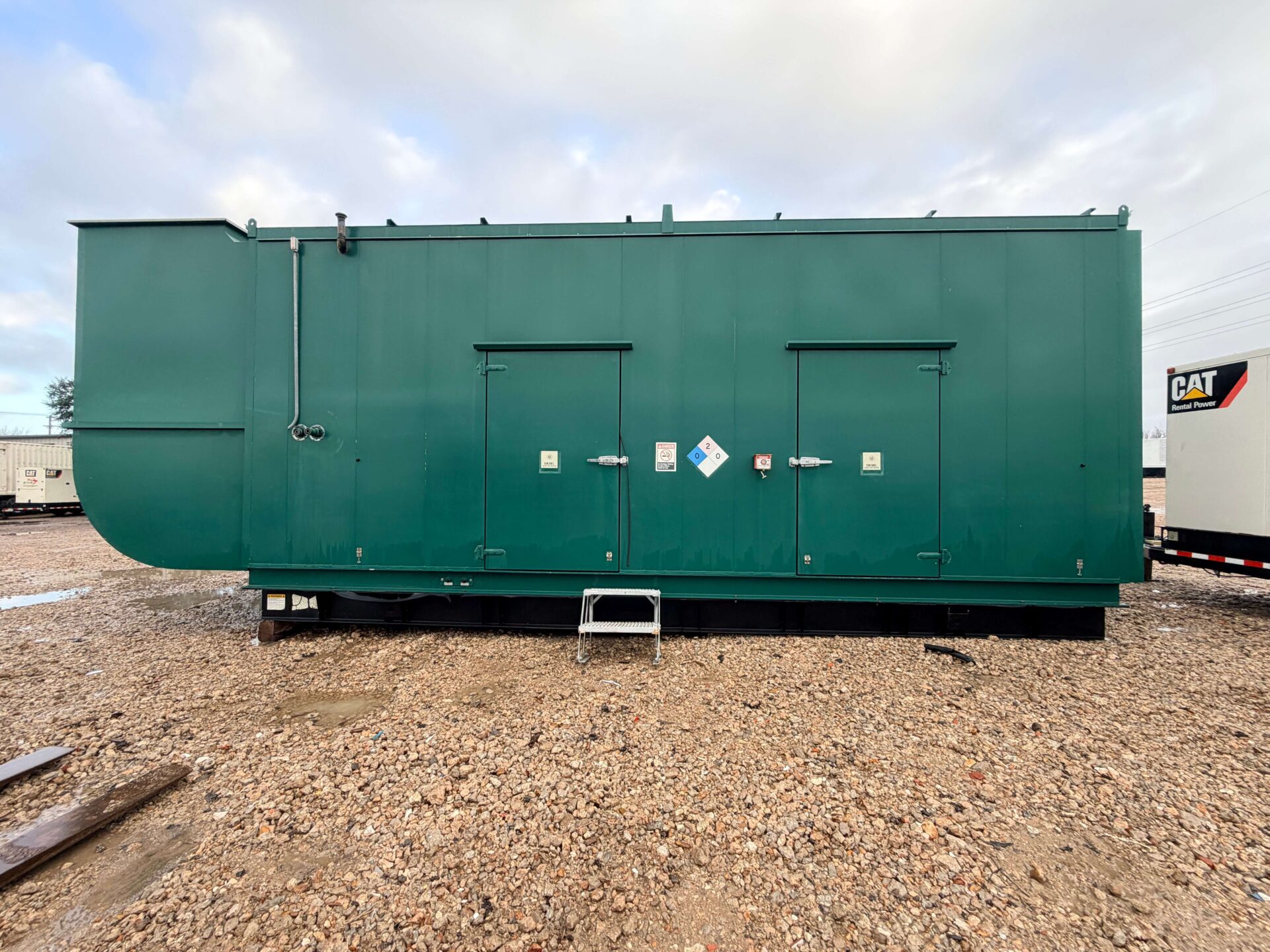
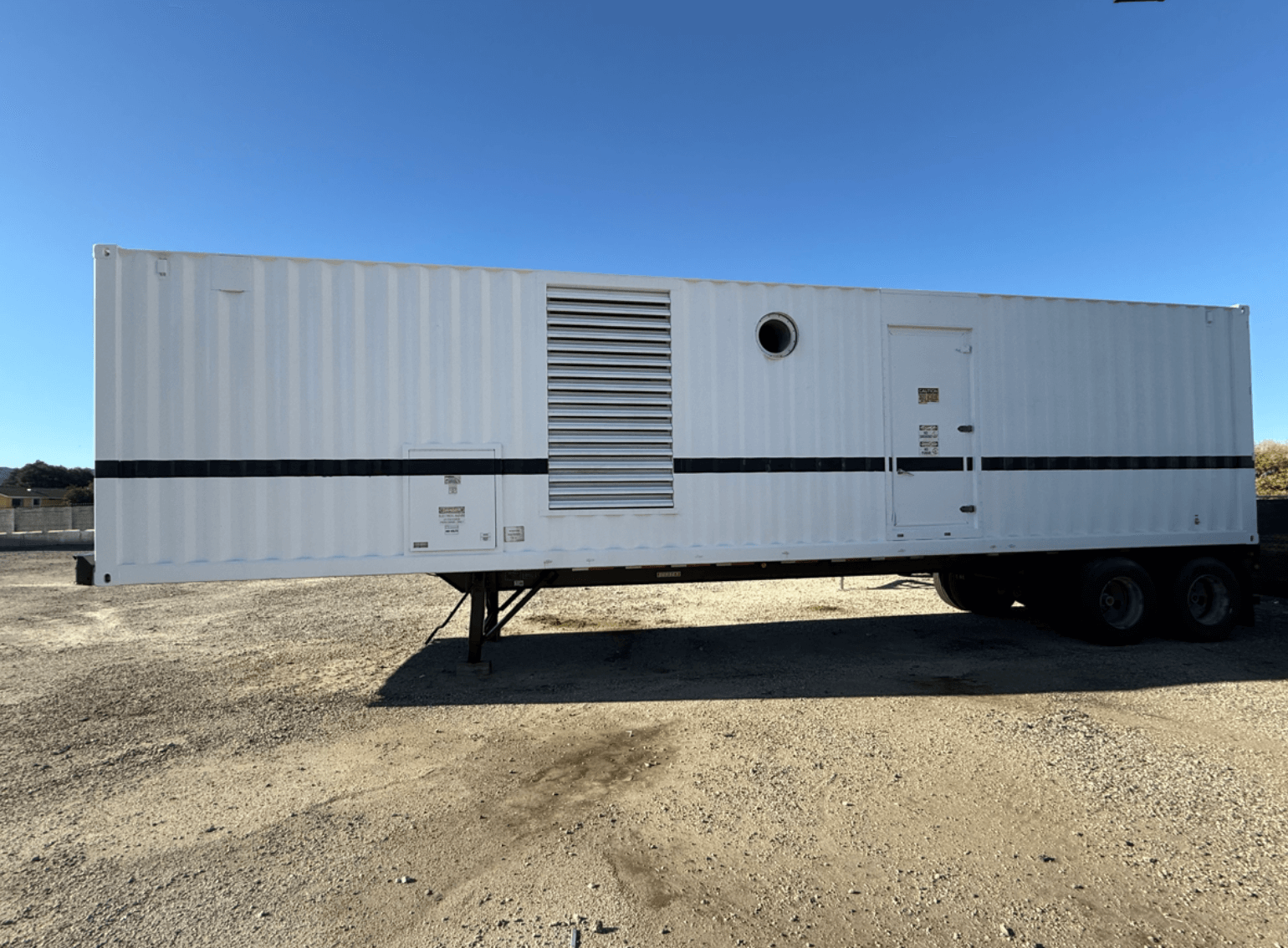
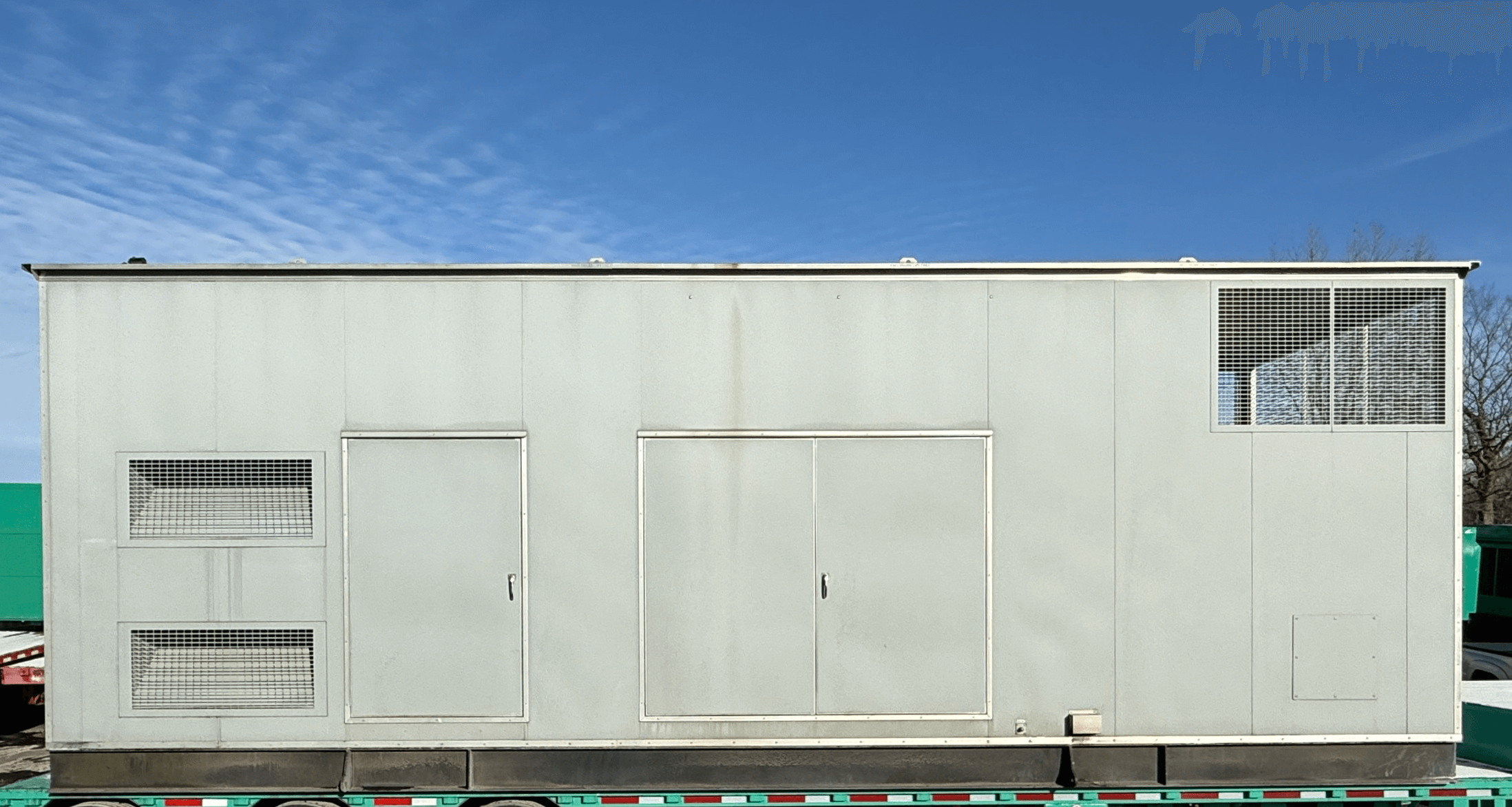
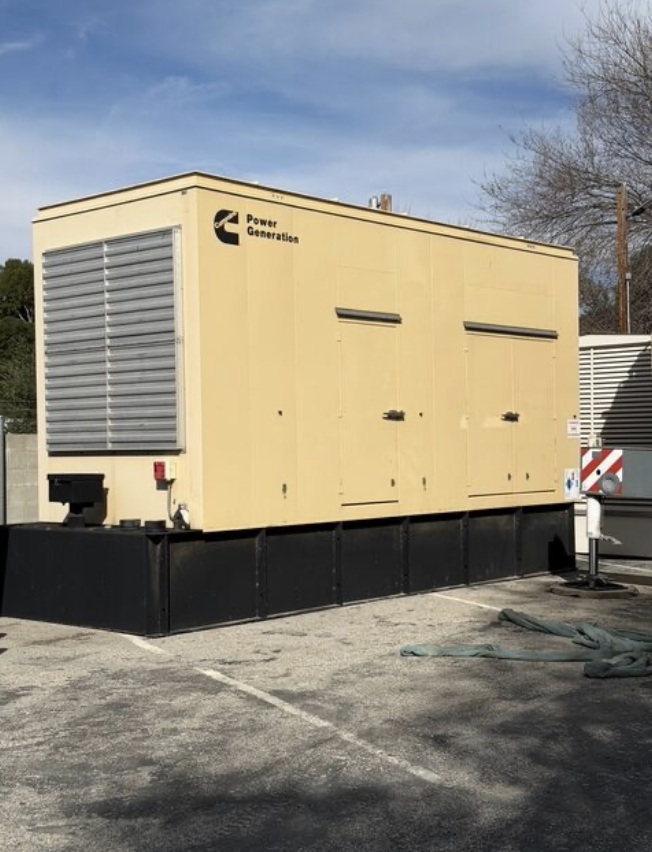
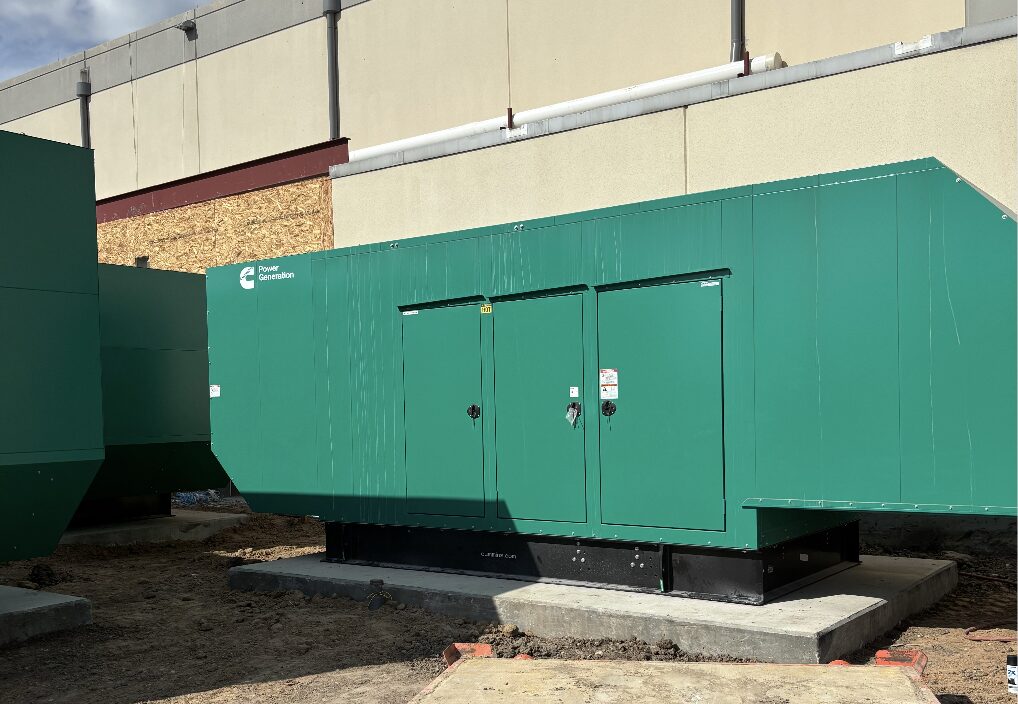
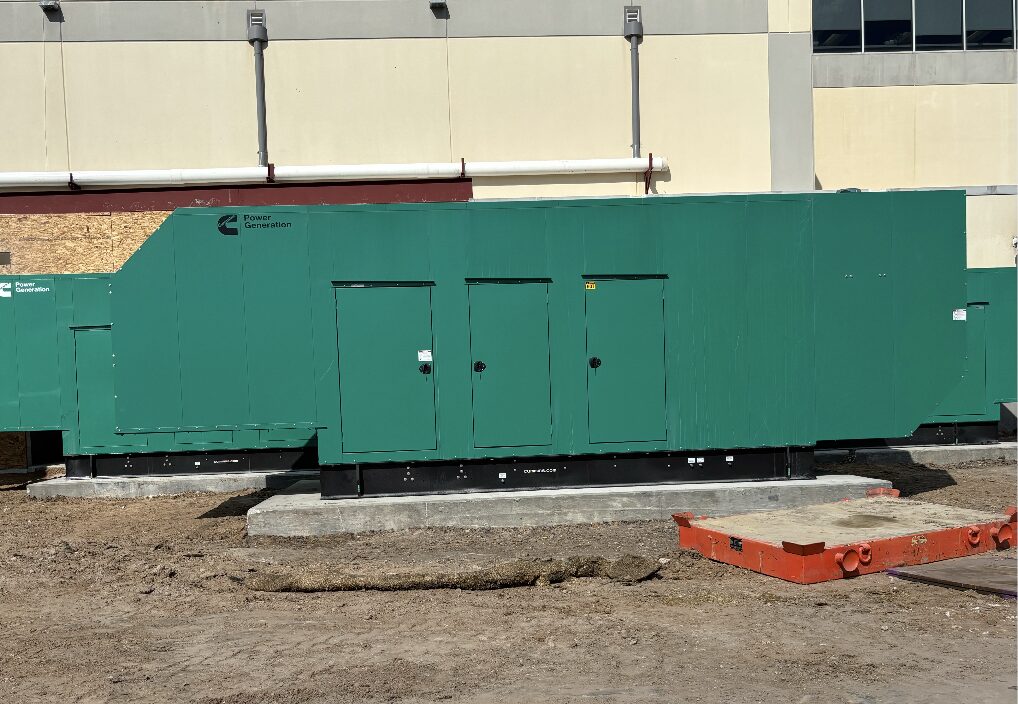
What Can a 1000kW – 1499kW Generator Power?
A 1000kW – 1499kW generator supports facilities where the connected motor load, not the lighting and controls, sets the requirement. Three profiles account for most buyers in this range: large
hospital and healthcare campuses backing more than the code-minimum essential system, enterprise
data centers and colocation floors with committed uptime obligations, and manufacturing or processing plants running substantial rotating equipment.
One thousand kilowatts is also a practical threshold. Below it, a generator is equipment that gets installed. At and above it, the unit reshapes the project around itself, with an engineered pad, permitted transport, a fuel system carrying its own approvals, and an electrical design that gets reviewed rather than specified.
Why This Range Moves on the Used Market
Ask a facilities director what pushed them toward a pre-owned megawatt-class unit and the answer is rarely price. It is the calendar.
New equipment at this output carries lead times measured in quarters, not weeks. That works when a generator is part of a ground-up build with a two-year schedule. It fails when a permanent unit dies mid-summer, when a capital cycle closes before the equipment arrives, or when a tenant commitment lands ahead of the infrastructure to support it.
A typical replacement timeline looks like this:
- Load study and specification. Days to a couple of weeks, depending on how well documented the existing system is.
- Equipment sourcing. Weeks for an inspected used unit already on the ground. Considerably longer for new production.
- Site and civil work. Pad, containment, conduit, and switchgear. This is usually the longest pole and it runs in parallel with sourcing.
- Transport and rigging. Oversize permits and a crane at the destination, scheduled around site readiness.
- Commissioning and load bank verification. Confirming the machine performs under real load before it is called on to.
The equipment does not have to be the constraint. When the civil work is the critical path, sourcing an inspected used unit lets everything else proceed on schedule.
Narrowing the Range
Half a megawatt separates the bottom of this range from the top, so most buyers settle into a tighter band once the load numbers are in.
1000kW – 1199kW generators — the defining band, and the most requested. Large industrial complexes, refineries, military installations, and enterprise data centers.
1200kW – 1399kW generators — specified when a 1000 kW frame leaves too little margin for motor starting or near-term growth.
1400kW – 1499kW generators — the top of the range, common where a project expects to add load and wants headroom built in.
Equipment at this output comes from a short list of manufacturers.
Caterpillar generators and
Kohler generators are the most requested, with
Broadcrown generators turning up regularly in the used market. Our
shop by brand page covers everything we carry.
Renting Versus Owning at Megawatt Scale
Renting solves a timing problem, not a capacity problem. Facilities in this range rent while a permanent unit is rebuilt, during a plant turnaround, or when a failure leaves them exposed before replacement equipment can be sourced. Our rental division,
Stag Power Rentals, covers those situations.
Ownership wins for anything permanent. A standby generator runs a handful of hours a year and stands ready the rest, which rental rates cannot survive across a service life measured in decades. The supporting infrastructure settles it further, since the pad, switchgear, and fuel system get built either way and represent the larger share of the project cost. Where the barrier is a capital cycle rather than the business case, our
generator financing options keep the purchase on schedule instead of waiting for budget to clear.
Getting the Sizing Right
The method is consistent at every output. Identify every load running at the same time, separate resistive loads from inductive ones, and account for the inrush that motors, compressors, and fire pumps draw at startup. What changes in megawatt territory is which variables dominate.
Motor starting usually dominates here. Facilities in this range tend to have large rotating equipment, and the surge from a single chiller or pump can drive the specification well above steady-state demand. Derating matters next: altitude and sustained ambient heat both reduce available output, and a percentage point at 1200 kW is more capacity than an entire small generator. Redundancy strategy settles the rest, since sizing one unit to the full load is a different exercise from sizing two units to share it.
Our
power calculators will get you a working figure, and our team runs full load studies at no cost if you would rather hand off the math.
Is a Megawatt the Right Target?
Plenty of buyers land here because a megawatt sounds like the safe number, then discover their calculated load sits well below it. If yours comes in under 1000 kW, look at
500kW – 999kW generators and put the difference toward the installation, which will need it. A diesel engine held far below its designed load accumulates unburned fuel in the exhaust and creates maintenance problems that correct sizing avoids entirely.
If your load pushes past 1500 kW, or if redundancy requirements mean no single unit should carry the whole facility, step up to
1500kW – 1999kW generators.
What You Get Buying From Turnkey Industries
Every unit we sell clears a 22-point inspection and
load bank testing before it ships. At megawatt scale, that verification is what keeps commissioning on schedule, because problems found after the crane leaves are expensive in a way that problems found in our yard are not. We have supplied industrial power equipment for more than a decade.
Every purchase is backed by our
30-day IronClad warranty, new or used. After commissioning, our service team covers scheduled testing,
fuel system repair, and preventive work for the life of the unit.
Ready to Buy a 1000kW – 1499kW Generator?
Tell us your load, your site conditions, and your timeline, and we will tell you what fits and what is realistically available. Browse the
full inventory of industrial generators, see the sectors we support on our
industries served page, or
contact us to talk through your specification.
Frequently Asked Questions
How fast can a megawatt-class unit realistically be on our site?
Faster than new production, since inspected units in this range ship from inventory rather than a build slot. The binding constraint is almost always the pad, conduit, and switchgear rather than the generator itself. Tell us your site status and we will give you an honest timeline.
What condition should we expect from a used unit at this output?
Low-hour units are common in this class because many were installed as standby and rarely ran under load. Engine hours, alternator condition, and control system generation are what determine value. Everything we sell is inspected and load bank tested before shipment.
Our load study says 1150 kW. Should we buy 1200 or 1400?
It depends on what is driving the number. If steady-state demand is 1150 kW with modest motor starting, 1200 kW is sufficient. If a large chiller or fire pump creates a significant single-step load, the additional headroom in the 1400 kW band is usually worth the difference.
Does this size require paralleling switchgear?
Not for a single unit, which is why many buyers stay in this range rather than moving up. Paralleling becomes standard practice when redundancy requirements mean no one machine should carry the full facility load, and that decision belongs in the design phase rather than after purchase.
Will emissions regulations limit our options?
Possibly, depending on the state, the application, and annual runtime hours. Emergency standby units face different rules than prime power, and some jurisdictions restrict older tiers outright. Share the location and intended use and we will confirm what qualifies before you commit to a unit.