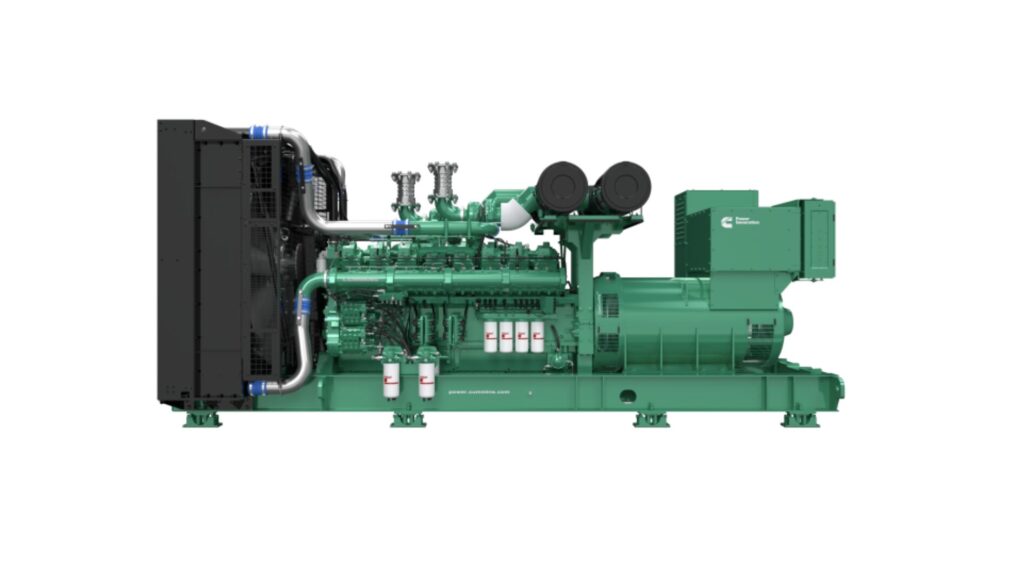
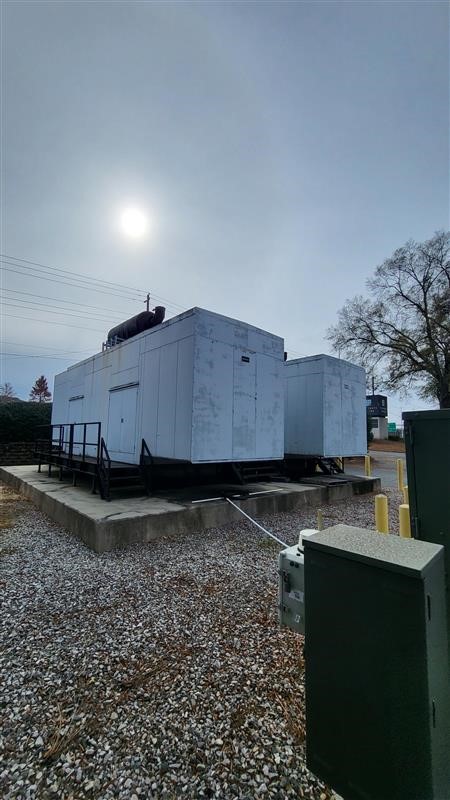
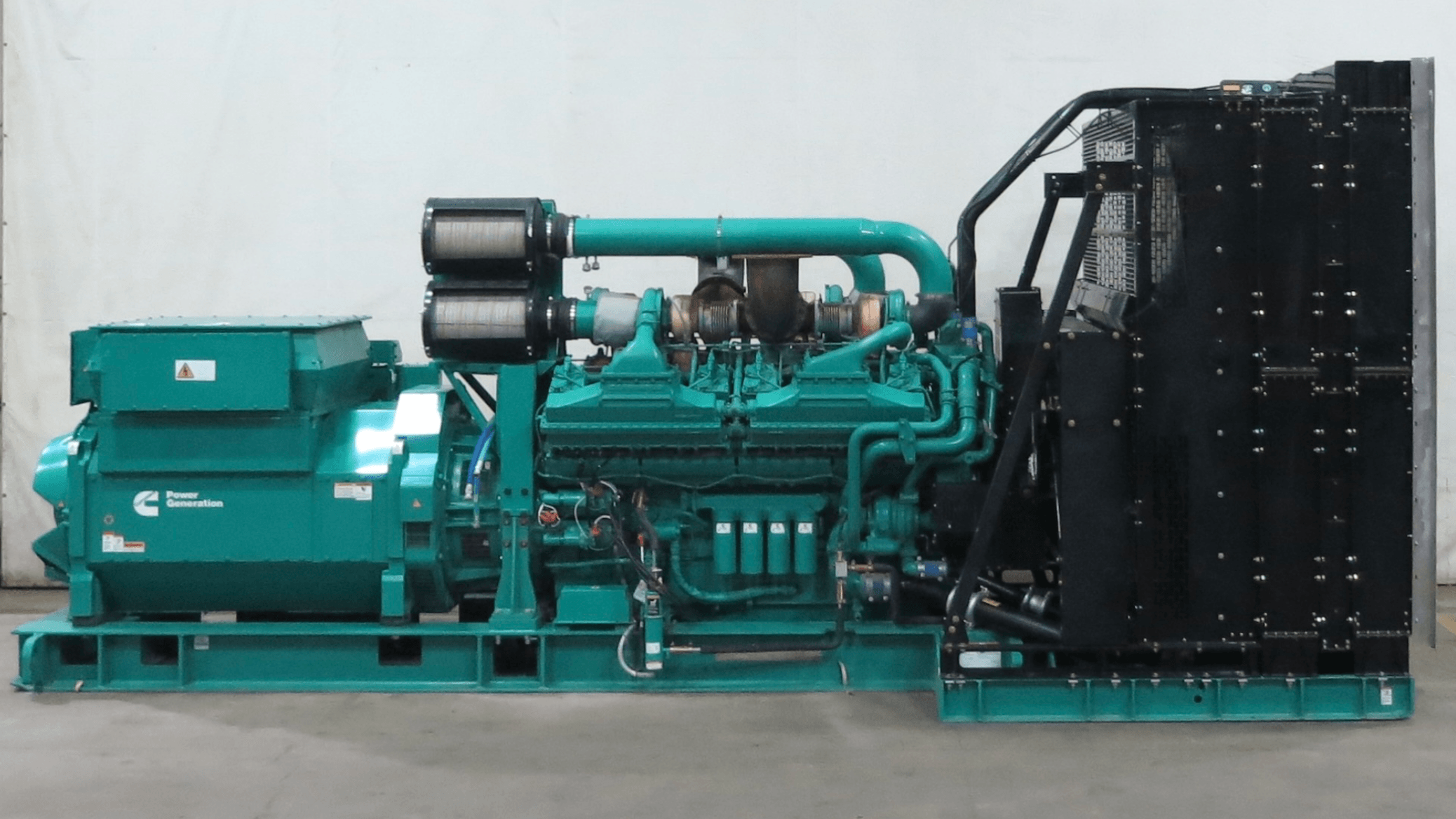
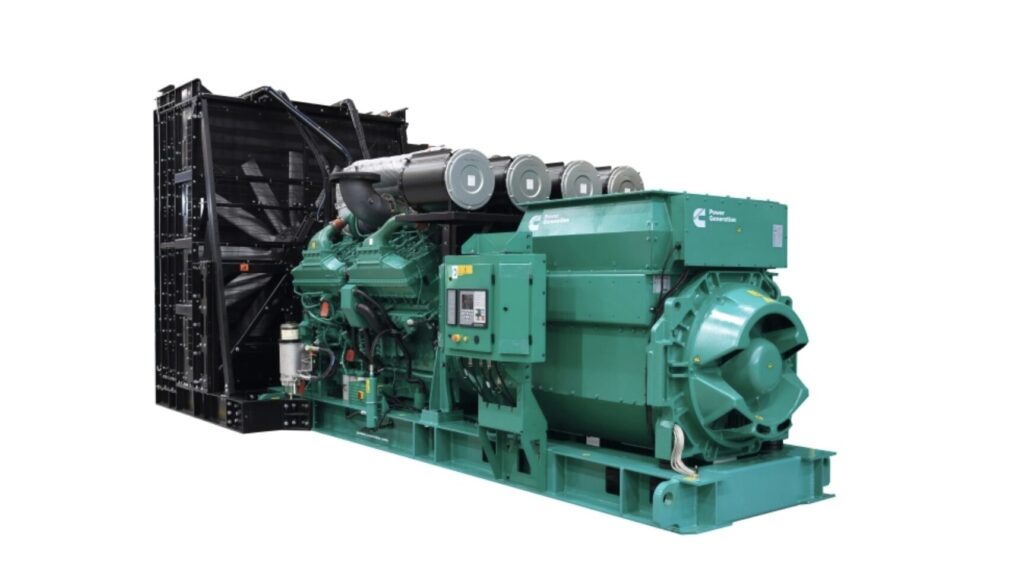
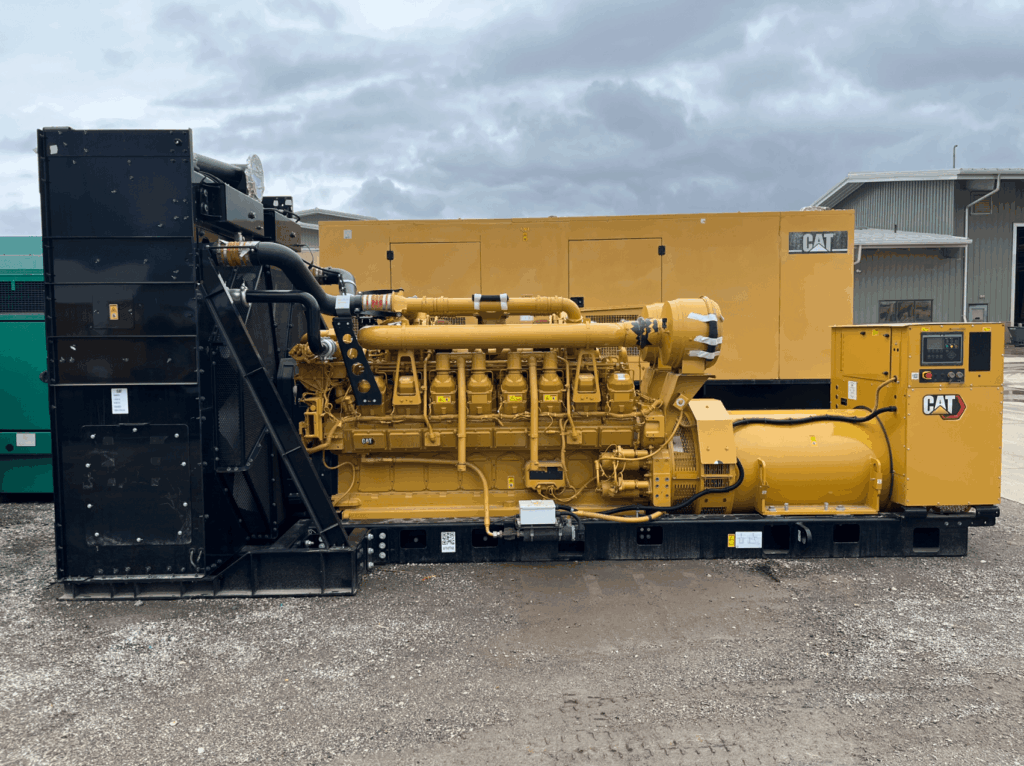
What Can a 2000kW – 3000kW Generator Power?
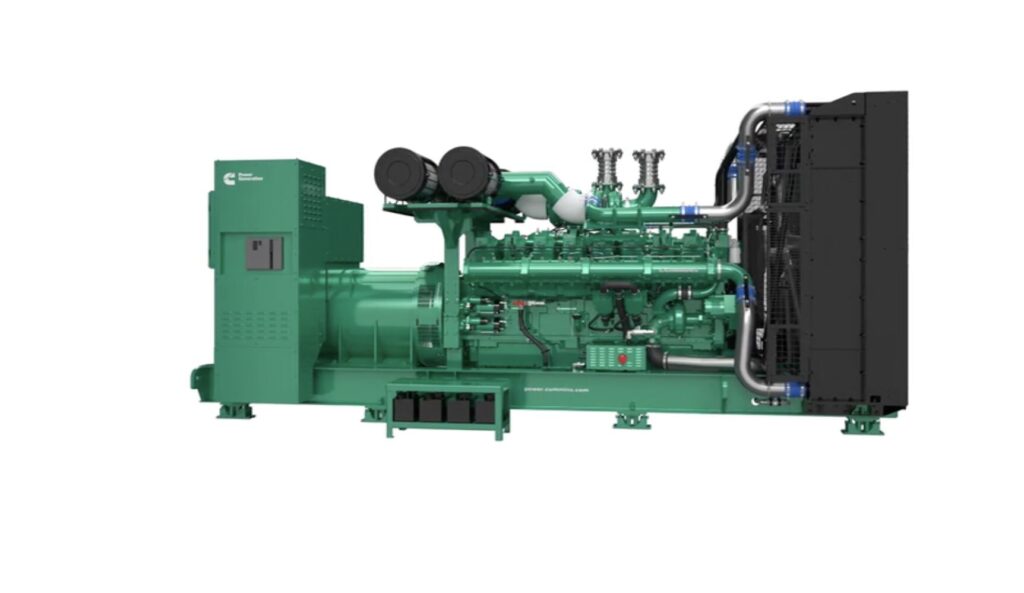
A 2000kW – 3000kW generator carries the loads that define a facility rather than support it. This is the tier backing
hospital campuses,
data center halls, refineries, water treatment plants, and manufacturing operations where a single hour of lost production costs more than the generator itself.
Units in this class rarely work alone. They run in paralleled banks, tie into paralleling switchgear, and answer to redundancy requirements written into the facility design long before anyone shops for a genset. If you are pricing a single unit in this range, the load calculation is usually only part of the conversation.
Breaking Down the 2000kW – 3000kW Range
The span is wide enough that buyers usually land on a narrower band once the load study is finished. Here is how the range divides and what tends to drive each segment.
| Output Band |
Typical Driver |
Browse |
| 2000 kW – 2299 kW |
Entry point for megawatt-class standby. Common in large manufacturing and mid-tier data center builds where a single prime mover covers the essential load. |
2000kW – 2299kW generators |
| 2300 kW – 2599 kW |
Heavy industrial and process facilities. Often specified when a 2000 kW unit leaves too little margin for motor starting or planned expansion. |
2300kW – 2599kW generators |
| 2600 kW – 3000 kW |
The top of the standard catalog. Refineries, large campuses, and infrastructure where paralleled units carry continuous load. |
2600kW – 3000kW generators |
At this output the manufacturer list narrows considerably.
Caterpillar generators and
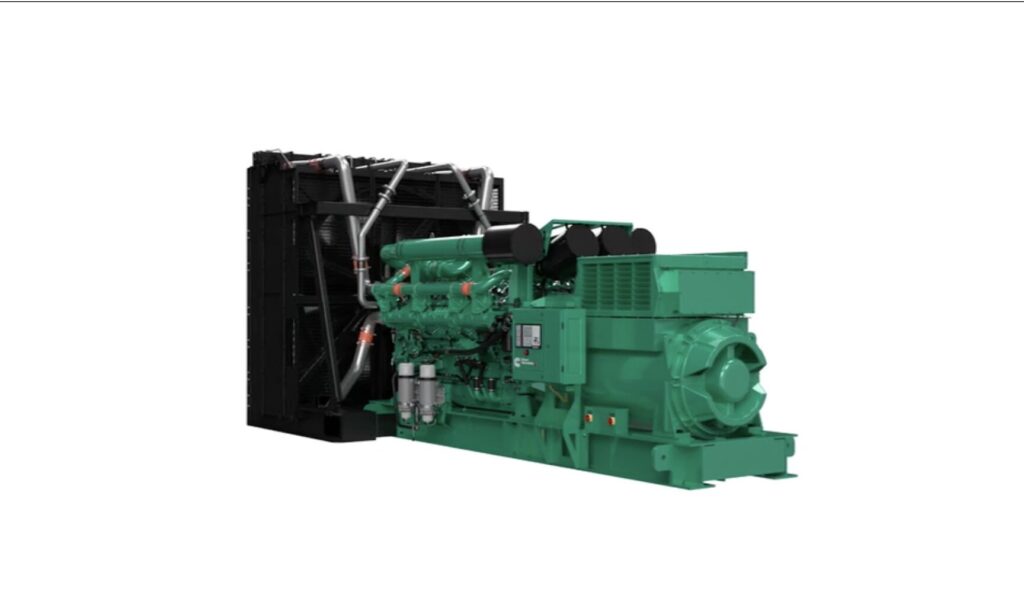
Cummins generators account for most of what trades in this class, with
Kohler generators appearing regularly in standby applications. Our
shop by brand page covers the full lineup.
What It Takes to Get a Unit This Size On Site
Buyers new to megawatt-class equipment are often surprised that procurement is the easy part. Delivery and installation carry the schedule risk.
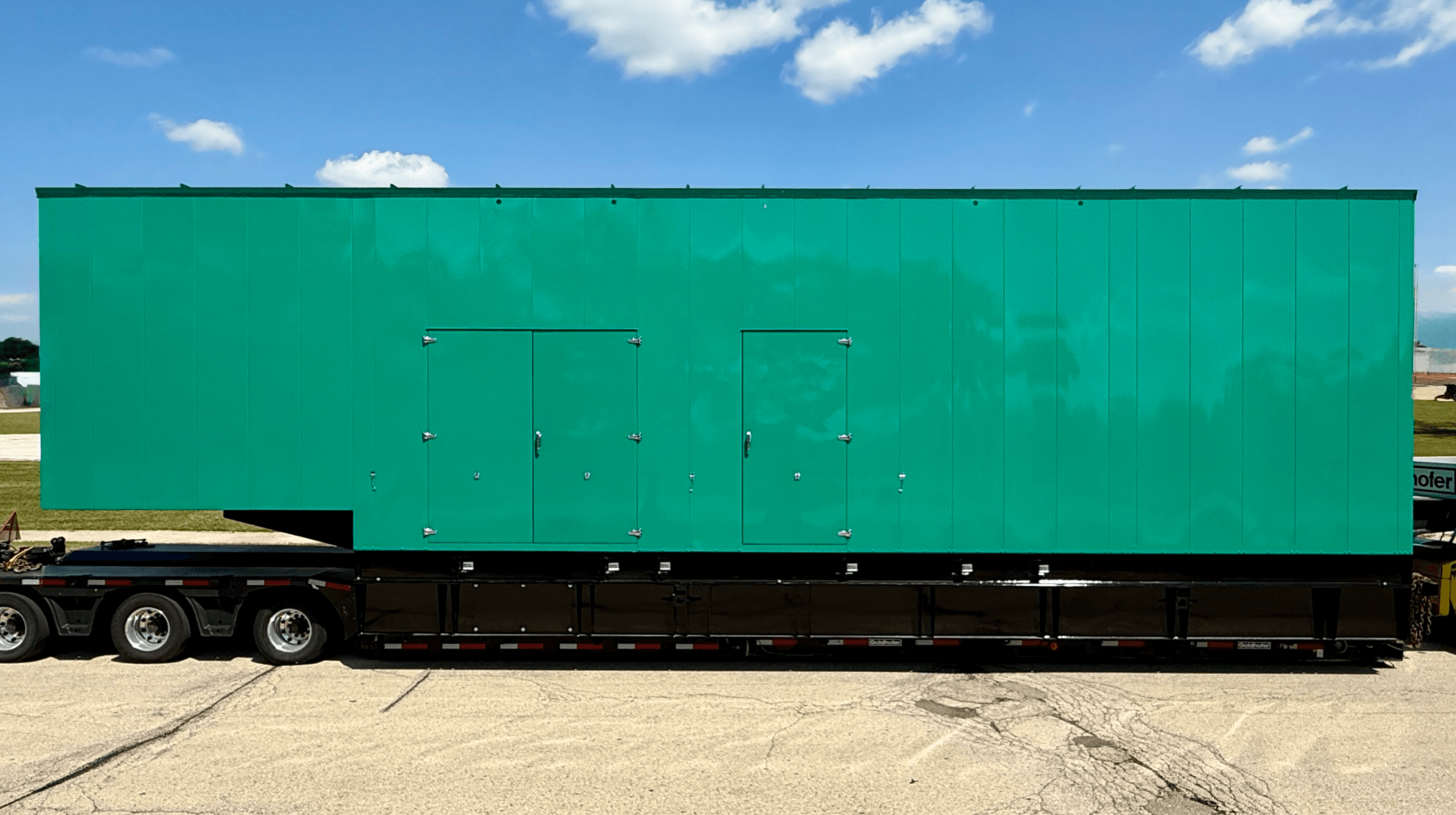
A generator in this range ships as an oversize load and generally needs permitted transport, route surveys, and crane or rigging service at the destination. The pad has to be engineered for the weight and the vibration. Fuel storage moves from a day tank to a bulk system with its own containment and code requirements. Exhaust routing, air intake volume, and acoustic treatment all get designed rather than selected.
None of that is a reason to avoid the size class. It is a reason to start the conversation early, since the civil and electrical work usually outruns the equipment lead time. Our team can walk your site conditions before you commit to a unit.
When Renting Makes More Sense Than Buying
Megawatt-class rental is a real market, and there are situations where it beats ownership outright. Plant turnarounds, temporary bridging while a permanent unit is rebuilt, seasonal peaking, and emergency response after equipment failure all favor a rental that arrives, works, and leaves. Our rental division,
Stag Power Rentals, handles that side of the business.
Permanent standby is a different calculation. A generator installed for facility backup runs a handful of hours a year and sits ready the rest of the time, and paying rental rates for a machine that idle makes no sense over a service life measured in decades. The installation investment reinforces it, since the pad, switchgear, and fuel infrastructure at this scale are permanent whether the generator is owned or not. If the obstacle is capital timing rather than the underlying math, our
generator financing options keep the purchase moving without waiting for a budget cycle to clear.
Sizing at Megawatt Scale
The fundamentals hold at any output: identify concurrent loads, separate resistive from inductive, and account for the starting surge that motors and compressors impose. Above two megawatts, three additional factors carry disproportionate weight.
Redundancy comes first. An N+1 configuration changes the specification entirely, since two 2000 kW units serving a 2000 kW load is a different purchase from one 3000 kW unit. Second is load step. Data centers and process plants often require the generator to accept large blocks of load in a single step, which is a tighter constraint than total capacity. Third is derating, because altitude and sustained ambient heat cut available output, and at this scale a modest percentage represents hundreds of kilowatts.
Fuel planning belongs in the same study. Consumption scales with applied load rather than nameplate, and our
diesel fuel consumption chart will get you a working estimate before you size storage.
Do You Need This Much Capacity?
Oversizing at this scale carries real penalties. A diesel generator running lightly loaded for extended periods develops wet stacking and its associated maintenance problems, and the capital difference between tiers is substantial. If your calculated load sits below two megawatts, the
1500kW – 1999kW range is the right place to look, and facilities under 1.5 MW should start with
1000kW – 1499kW generators.
If the load genuinely exceeds what a single unit can carry, paralleling two or more machines is standard practice and often preferable to chasing one very large frame. Our team can model both approaches against your load profile.
Why Buy Megawatt-Class Equipment from Turnkey Industries
Every generator we sell is inspected against a 22-point checklist and load bank tested before it ships, which matters more at this size than any other. A unit this large is not something you want to discover problems with after installation. We have been sourcing industrial generators for more than a decade.
Every purchase is backed by our
30-day IronClad warranty. Once the unit is commissioned, our service team supports scheduled testing,
industrial generator repair, and
emergency service for the life of the equipment.
Ready to Buy a 2000kW – 3000kW Generator?
Send us your load profile and site conditions and we will tell you whether one machine or a paralleled plant fits, then show you what is available. Review our
full inventory of industrial generators and the sectors we support on our
industries served page, or
contact us to talk through the specification.
Frequently Asked Questions
Should we parallel smaller units or buy one large generator?
Paralleling is the norm at megawatt scale. It delivers redundancy, lets you run units closer to their efficient load band, and keeps a single failure from taking the whole system down. The tradeoff is switchgear cost and control complexity. One large unit is simpler and often cheaper up front, but it is a single point of failure.
What kind of transport does a unit this size require?
Oversize permitted transport, typically with a route survey and lift equipment waiting at the destination. Timelines depend on the states involved and the site access. We coordinate logistics as part of the sale rather than handing it off.
How do emissions regulations affect equipment in this class?
Tier requirements vary by state, application, and whether the unit runs emergency standby or prime power. Some jurisdictions restrict older tiers outright. Tell us where the generator is going and what it will do, and we will confirm what qualifies before you buy.
Does used equipment make sense at two megawatts and above?
It frequently does, and low-hour units in this class represent significant savings against new. The condition of the engine, alternator, and controls is what matters, which is why every unit goes through inspection and load bank testing before it leaves. The
IronClad warranty applies regardless of condition.
How much fuel storage does a generator this size need?
Enough to meet your required runtime, which is usually set by code or by your continuity plan rather than by preference. Consumption scales with load, so the calculation starts with how much of the generator’s capacity you expect to draw and for how long. We can work that out alongside the sizing study.

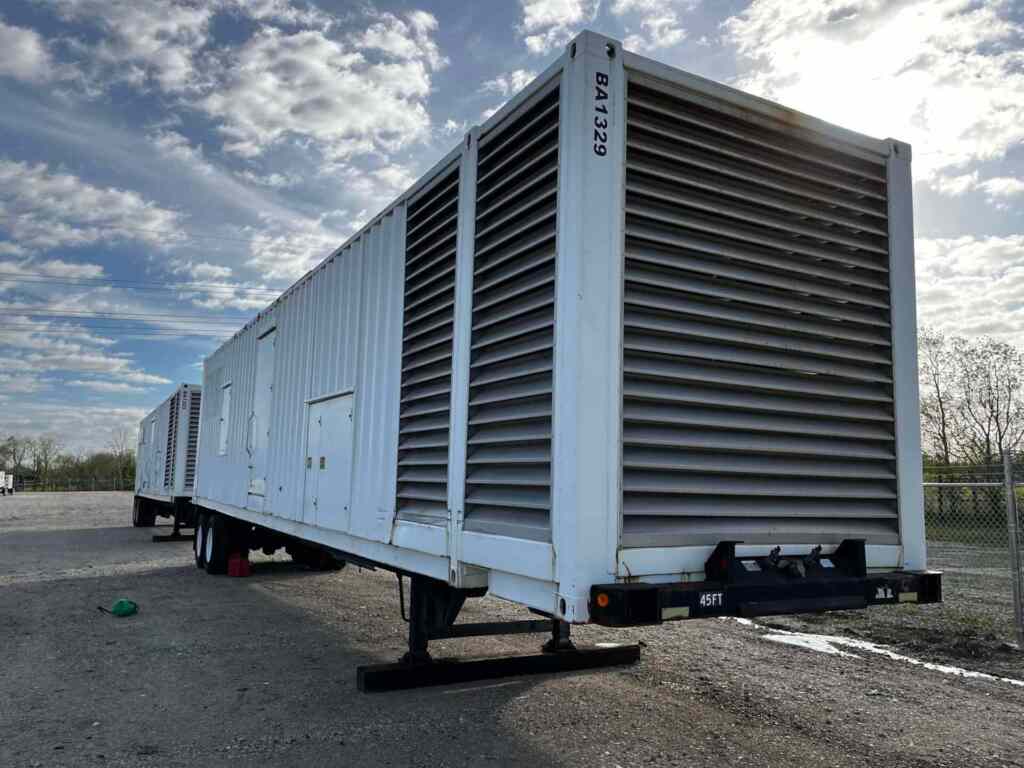

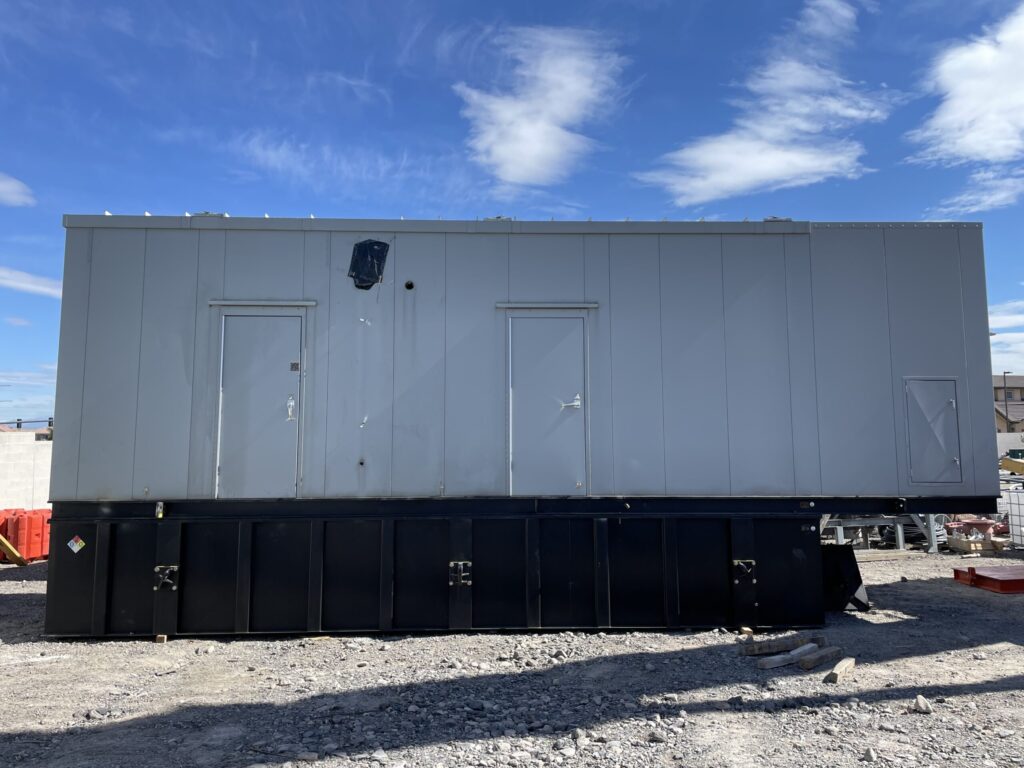 Low Hours2,000 kW

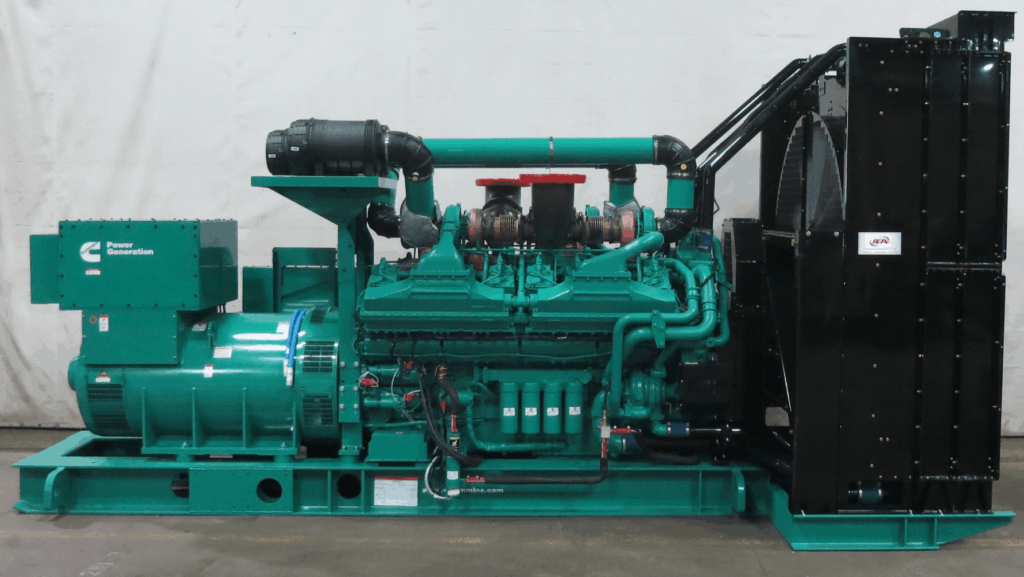
 New - 0 Hours2,000 kW