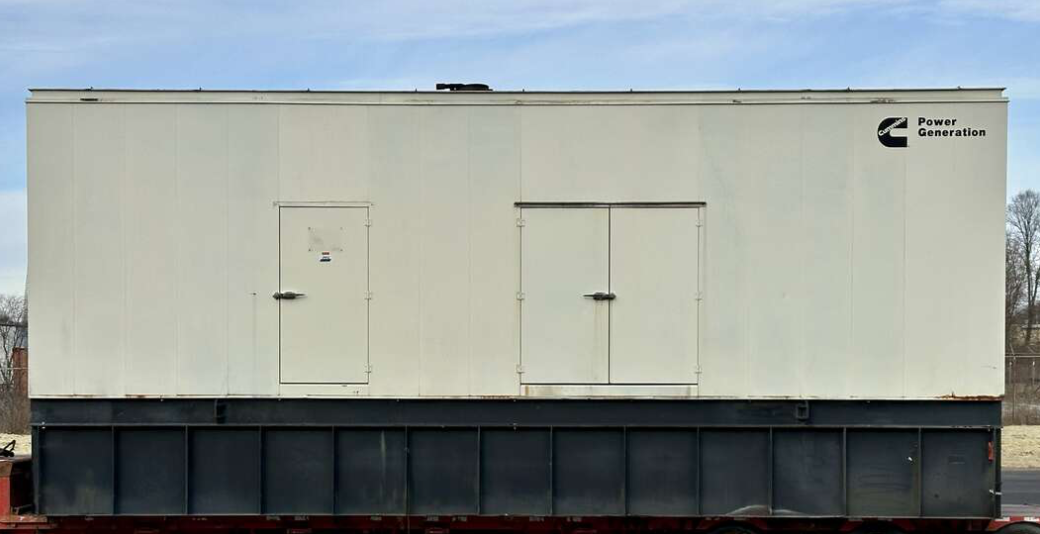
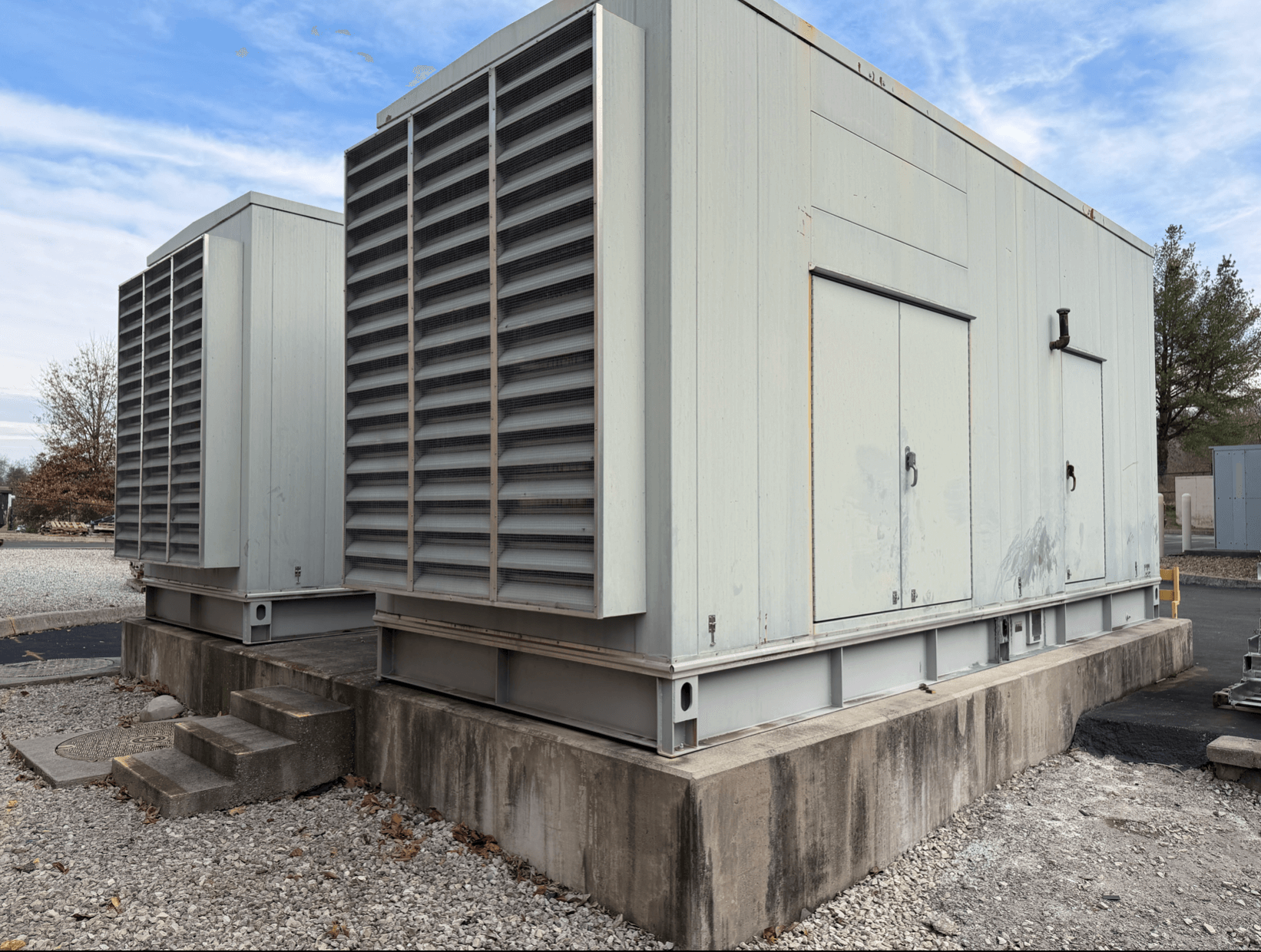
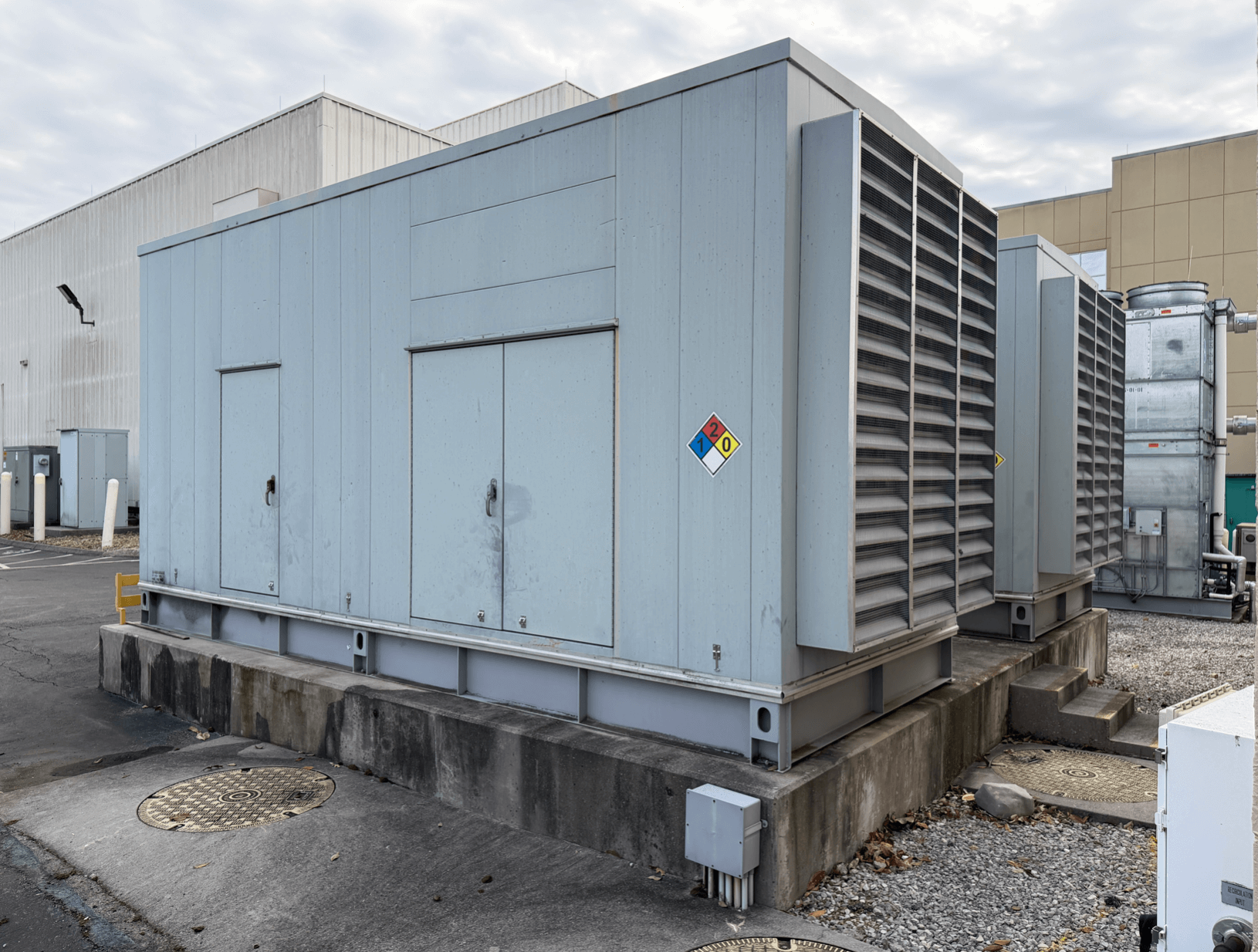
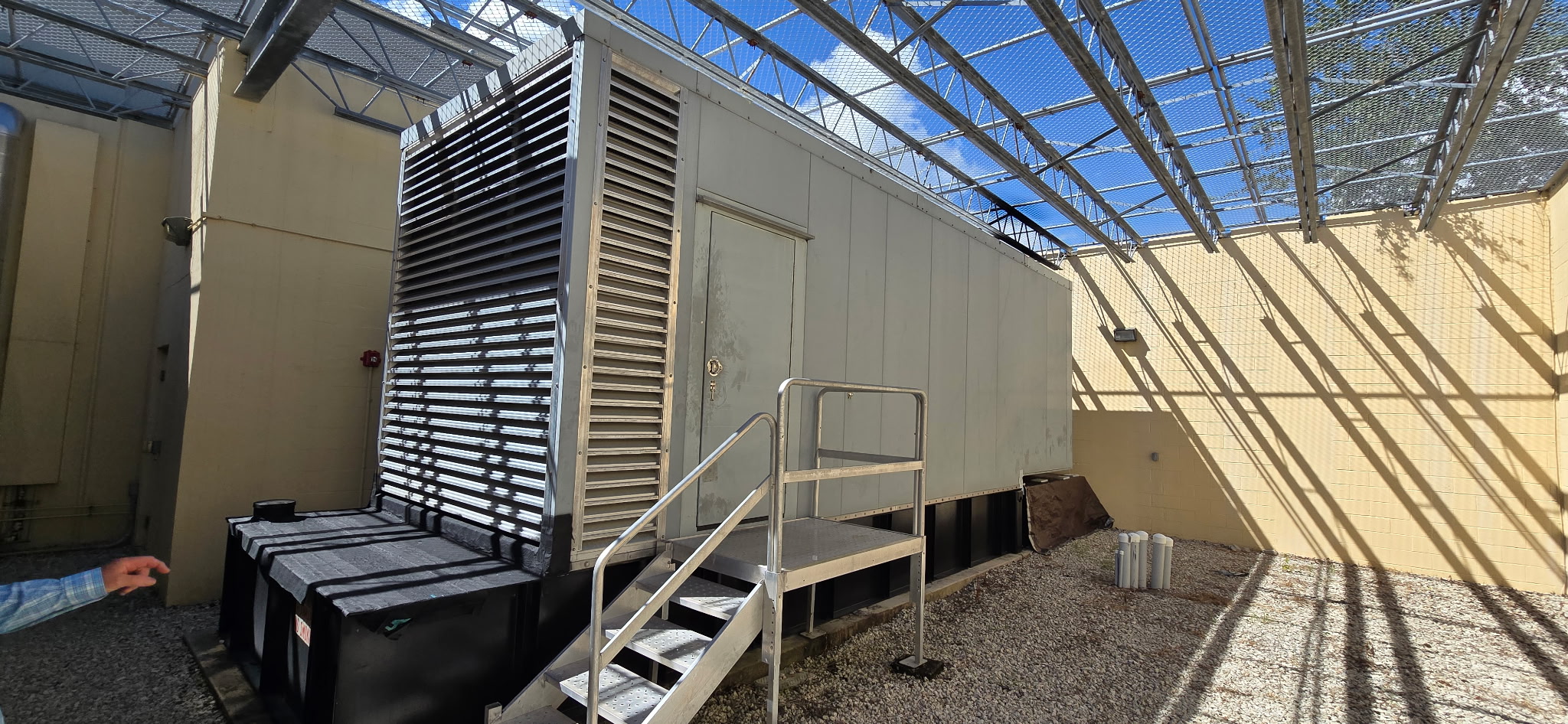
What Can a 1500kW – 1999kW Generator Power?
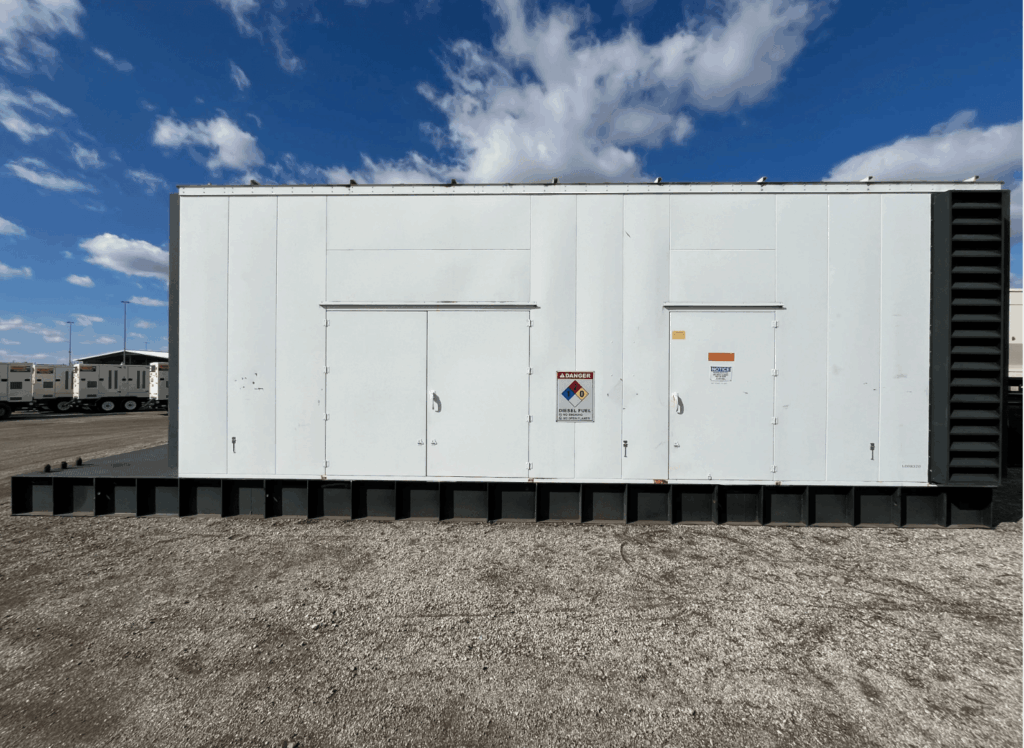
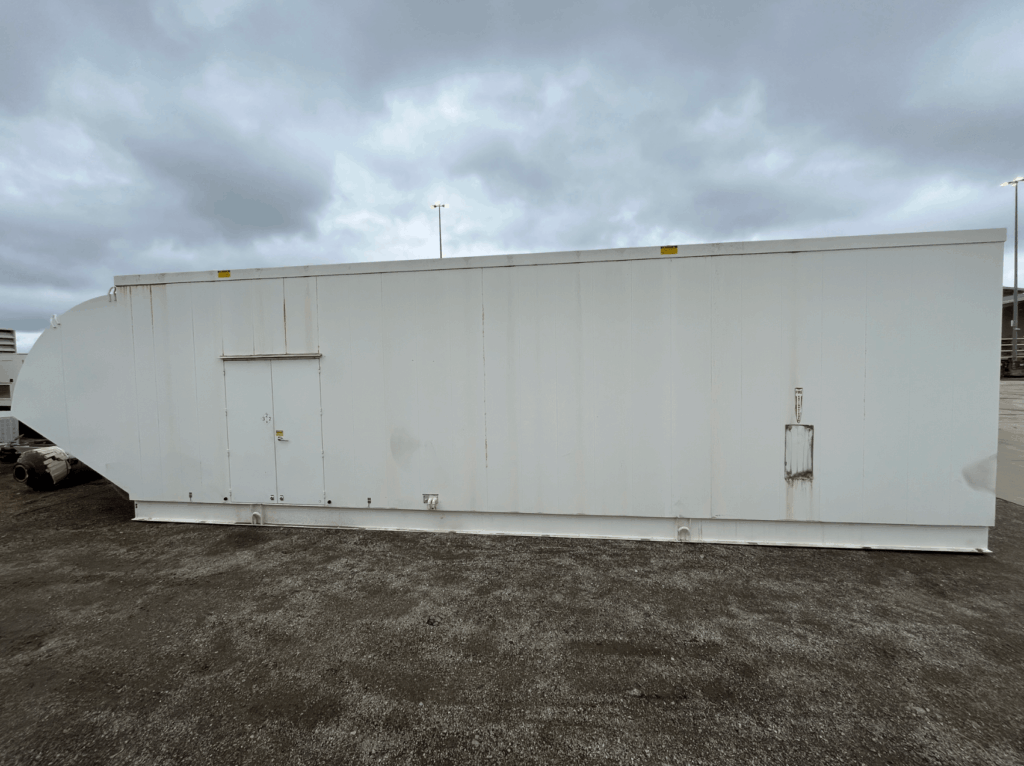
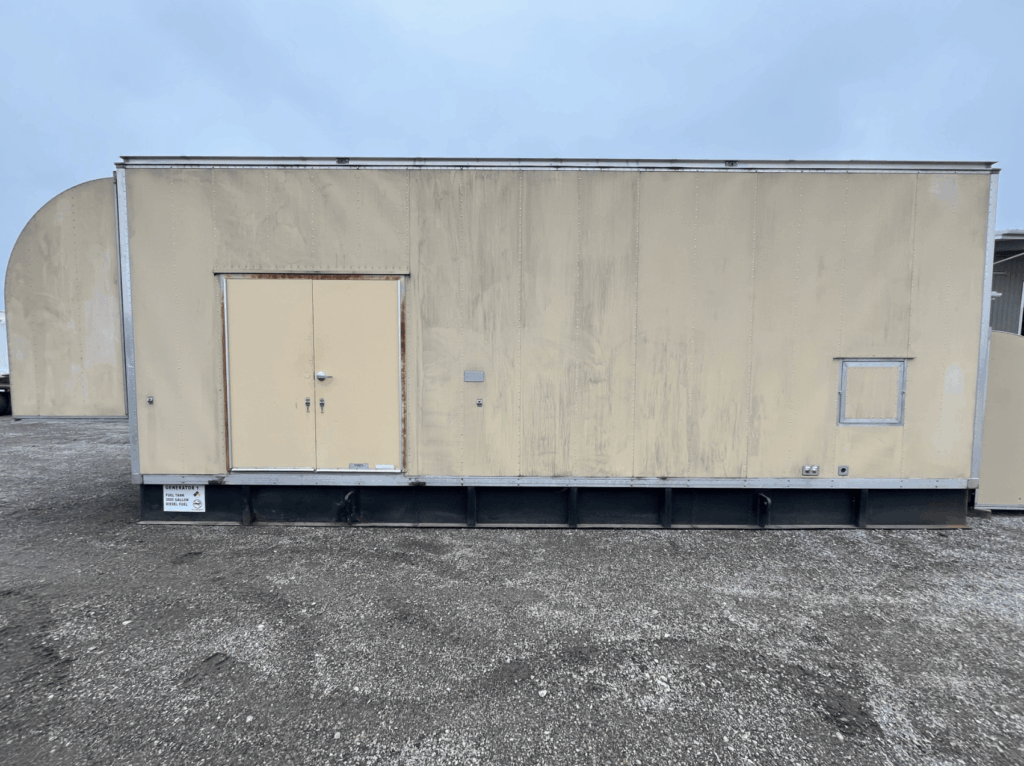
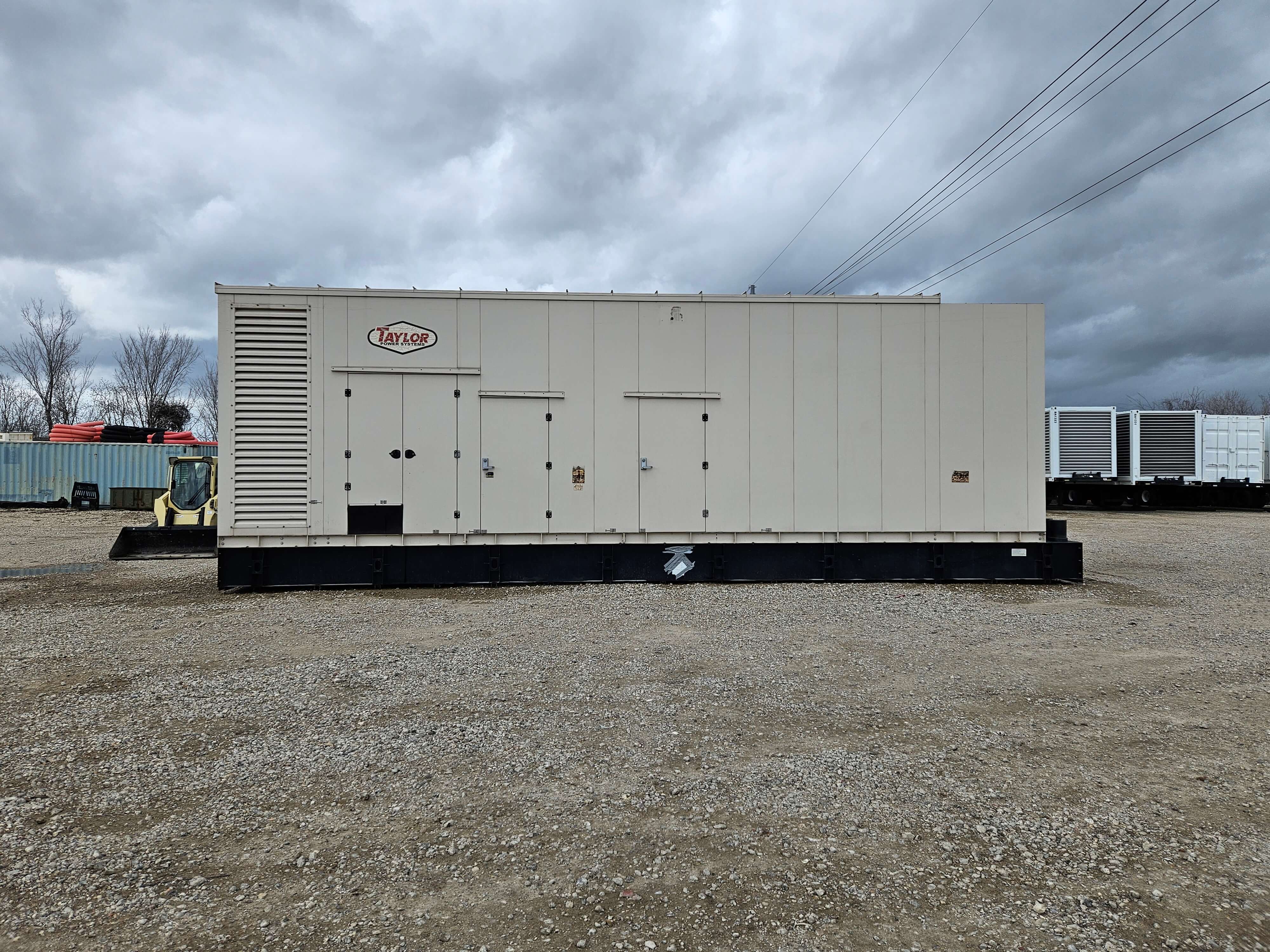
A 1500kW – 1999kW generator carries the full connected load of most large facilities rather than an essential panel within one. Typical applications include
hospital campuses backing entire buildings, enterprise data centers, heavy manufacturing with large motor loads, and municipal
water and wastewater treatment where a permit obligation rather than a business case sets the runtime requirement.
What separates this range from the tiers above it is that a single unit still does the job for many buyers. Above two megawatts, paralleled plants become the default. Here, one machine is often the whole answer, which keeps the installation considerably simpler.
Fuel Burn and Runtime Planning at This Scale
Sizing conversations focus on kilowatts, but the number that shapes the installation is gallons. A generator in this range consumes fuel fast enough that storage design, refueling logistics, and code-required runtime become their own project.
Consumption tracks load, not nameplate, which is why a lightly loaded unit burns proportionally less but runs into its own problems. Diesel engines held well below their designed load for extended periods accumulate unburned fuel in the exhaust system, and the resulting maintenance is avoidable with correct sizing. Our
diesel fuel consumption chart gives you a working estimate before storage gets designed.
The practical questions to settle before purchase:
- Required runtime. Code, insurance, or your own continuity plan sets the floor. Health care and telecom obligations are usually stricter than what a business case alone would justify.
- Storage configuration. Day tank versus bulk storage changes the civil work, the containment requirements, and the permit path.
- Refueling access. A generator that can only be refueled by a truck that cannot reach it during a regional outage is a planning failure, not an equipment failure.
- Expected load factor. How much of the machine you will use determines both consumption and long-term engine health.
We work through all four alongside the sizing study rather than after it.
Narrowing Down Within the Range
Five hundred kilowatts separates the bottom of this range from the top, which is enough that most buyers settle into a narrower band once the load study is done.
Across all three bands the manufacturer field is narrow.
Cummins generators and
Caterpillar generators make up most of what trades here, with
Olympian generators appearing in standby installations. See the full lineup on our
shop by brand page.
Where Rental Fits and Where It Does Not
Facilities in this range rent for specific reasons rather than as a substitute for buying. Bridging a permanent unit through an overhaul, covering a plant turnaround, or replacing capacity fast after an unexpected failure are all cases where a rental earns its rate. Our rental division,
Stag Power Rentals, handles those situations.
Permanent standby is a different equation. A generator installed for facility backup runs a handful of hours annually and stands ready the rest of the year, and rental economics do not survive that math over a service life measured in decades. The installation cost reinforces it, since the pad, switchgear, and fuel infrastructure are permanent expenditures whether or not the machine sitting on them is owned. When capital timing rather than the underlying case is the obstacle, our
generator financing options keep a purchase moving without waiting on a budget cycle.
Sizing a Generator at This Scale
The method does not change with output. List every load that runs simultaneously, separate resistive from inductive, and account for the inrush that motors and compressors impose at startup. Three factors carry outsized weight in this range.
Load step tolerance matters more than total capacity for many buyers. A facility that must accept a large block of load in one step imposes a tighter constraint than one that ramps gradually, and that requirement can push you up a band regardless of steady-state demand. Derating comes next, since altitude and sustained ambient heat reduce available output, and at 1800 kW a modest percentage is real capacity. Finally, redundancy strategy determines whether you are sizing one unit to the full load or two units to share it.
Our
power calculators will get you a working number, and our team runs full load studies at no charge.
More Capacity or Less?
Buyers arrive at this page from both directions, and both mistakes are expensive. If your load study lands below 1500 kW, the
1000kW – 1499kW range will serve you at a materially lower capital cost and better load factor. If demand exceeds two megawatts, or if redundancy requirements mean no single unit should carry the full load, move up to
2000kW – 3000kW generators.
Undersizing shortens engine life and risks the outage you bought the generator to prevent. Oversizing wastes capital and invites wet stacking. The load study is worth doing properly.
What Turnkey Industries Delivers with Every Unit
Every generator we sell passes a 22-point inspection and
load bank testing before it ships. At this size, that verification is the difference between commissioning on schedule and discovering an alternator problem after the crane has left. We have supplied industrial power equipment for more than a decade.
Every purchase carries our
30-day IronClad warranty, and our service team handles scheduled testing,
electrical repair, and preventive work once the unit is running.
Ready to Buy a 1500kW – 1999kW Generator?
Send us your load profile and we will tell you which band fits and whether one unit or two makes more sense. See what is available in our
full inventory of industrial generators, review the sectors we support on our
industries served page, or
contact us to talk through your requirements.
Frequently Asked Questions
Can a single unit in this range carry an entire facility?
Often, yes. That is the main reason buyers stay in this band rather than moving up. Whether one machine is appropriate depends on your redundancy requirements, since a single unit means a single point of failure regardless of how much capacity it has.
What does installation involve for a generator this size?
An engineered pad rated for the weight and vibration, permitted oversize transport, rigging at the destination, designed exhaust and intake routing, and a fuel system with its own containment and code approvals. The civil and electrical work usually takes longer than the equipment lead time, so it pays to start early.
Is 1800 kW meaningfully different from 1500 kW in practice?
For steady-state load, the gap is smaller than the numbers suggest. For motor starting and single-step load acceptance, it can be decisive. If your facility has large compressors, chillers, or fire pumps, the extra headroom frequently justifies itself.
Where does used equipment fit at this output?
Low-hour units in this range offer substantial savings against new, and availability is often better than new equipment lead times. Condition of the engine, alternator, and control system is what determines value, which is why everything we sell is inspected and load bank tested first. The
IronClad warranty applies to new and used alike.
Do emissions rules restrict what we can install?
They can. Tier requirements depend on your state, whether the unit runs emergency standby or prime power, and how many hours per year it operates. Some jurisdictions bar older tiers outright. Tell us the location and the application and we will confirm what qualifies before you commit.