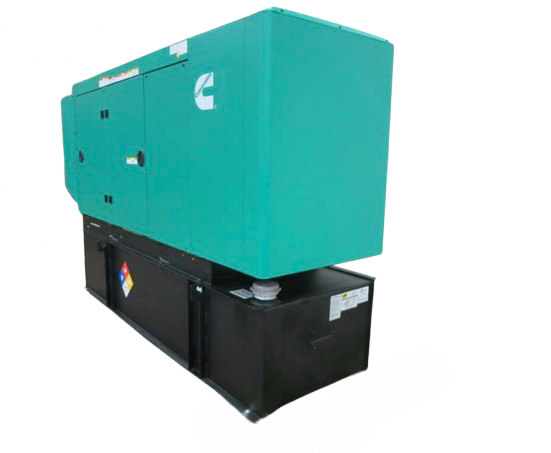
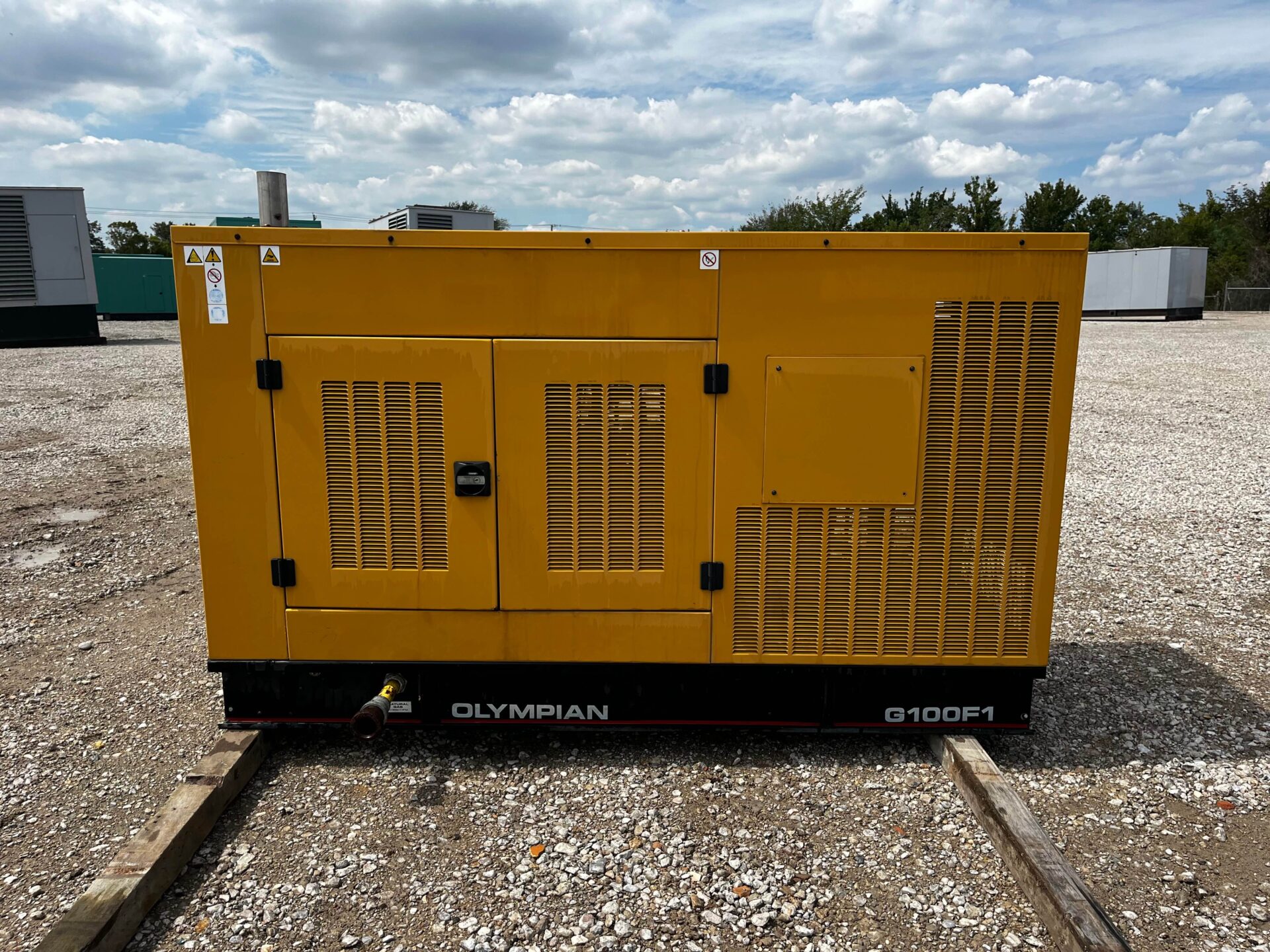
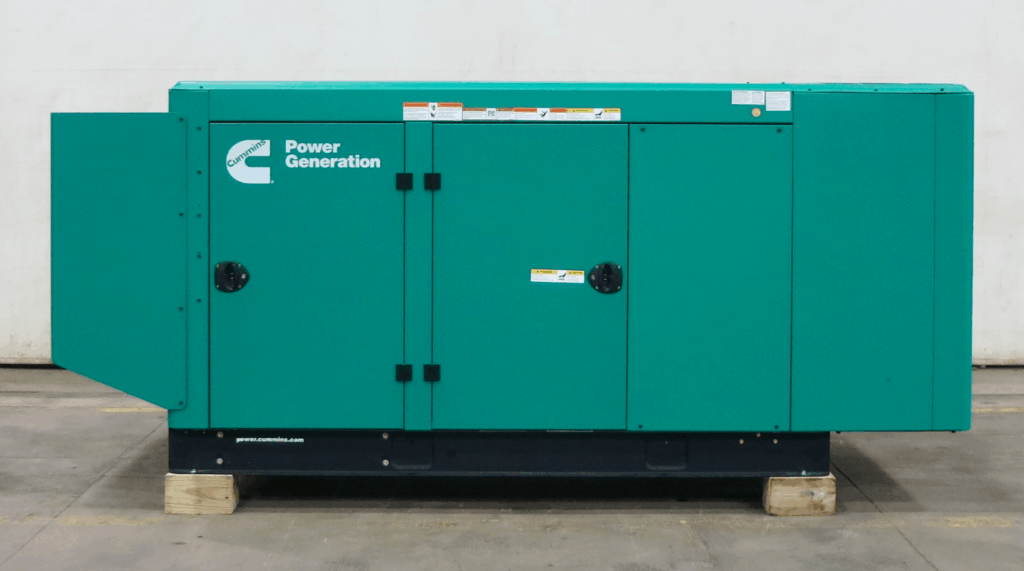
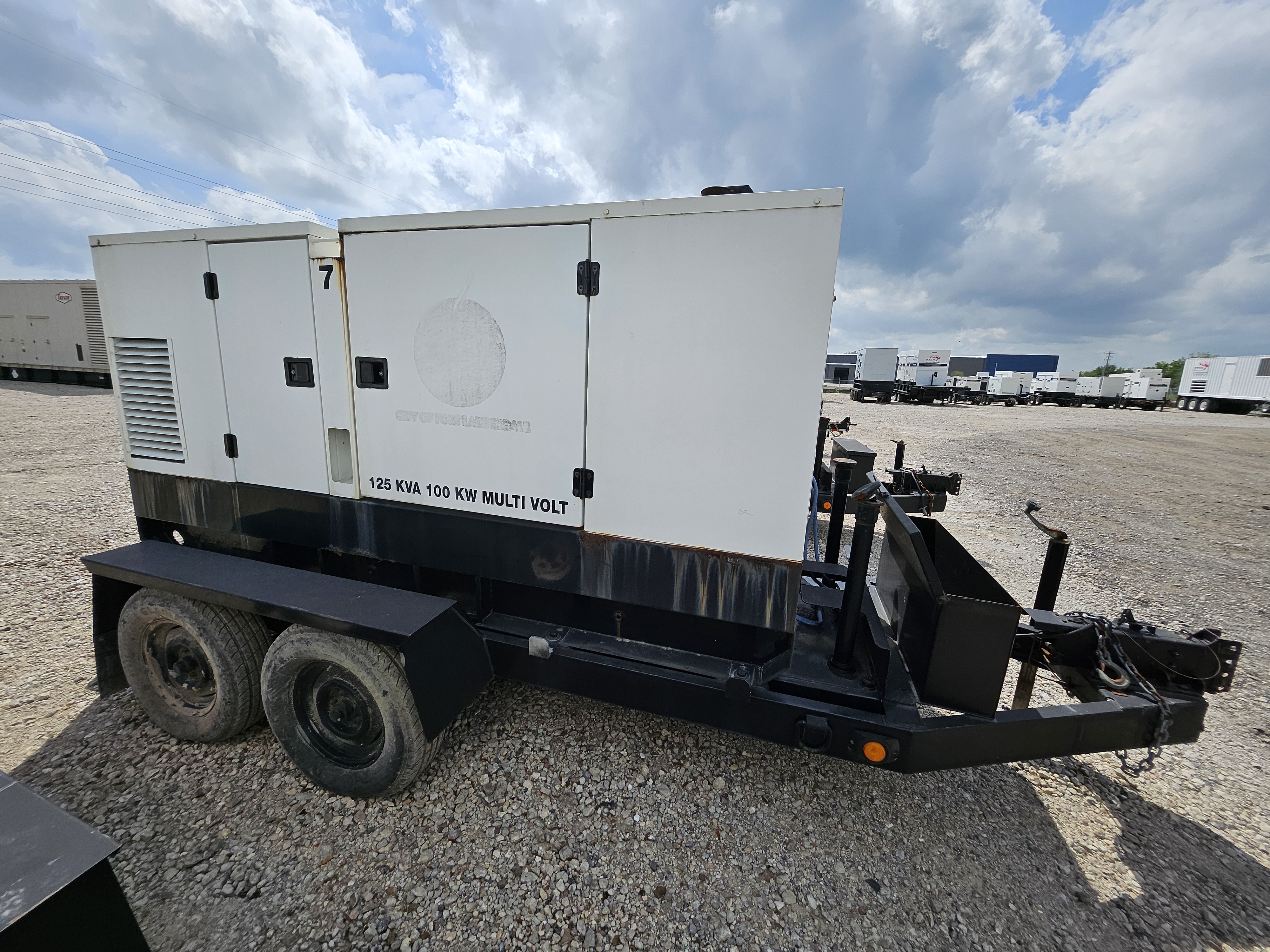
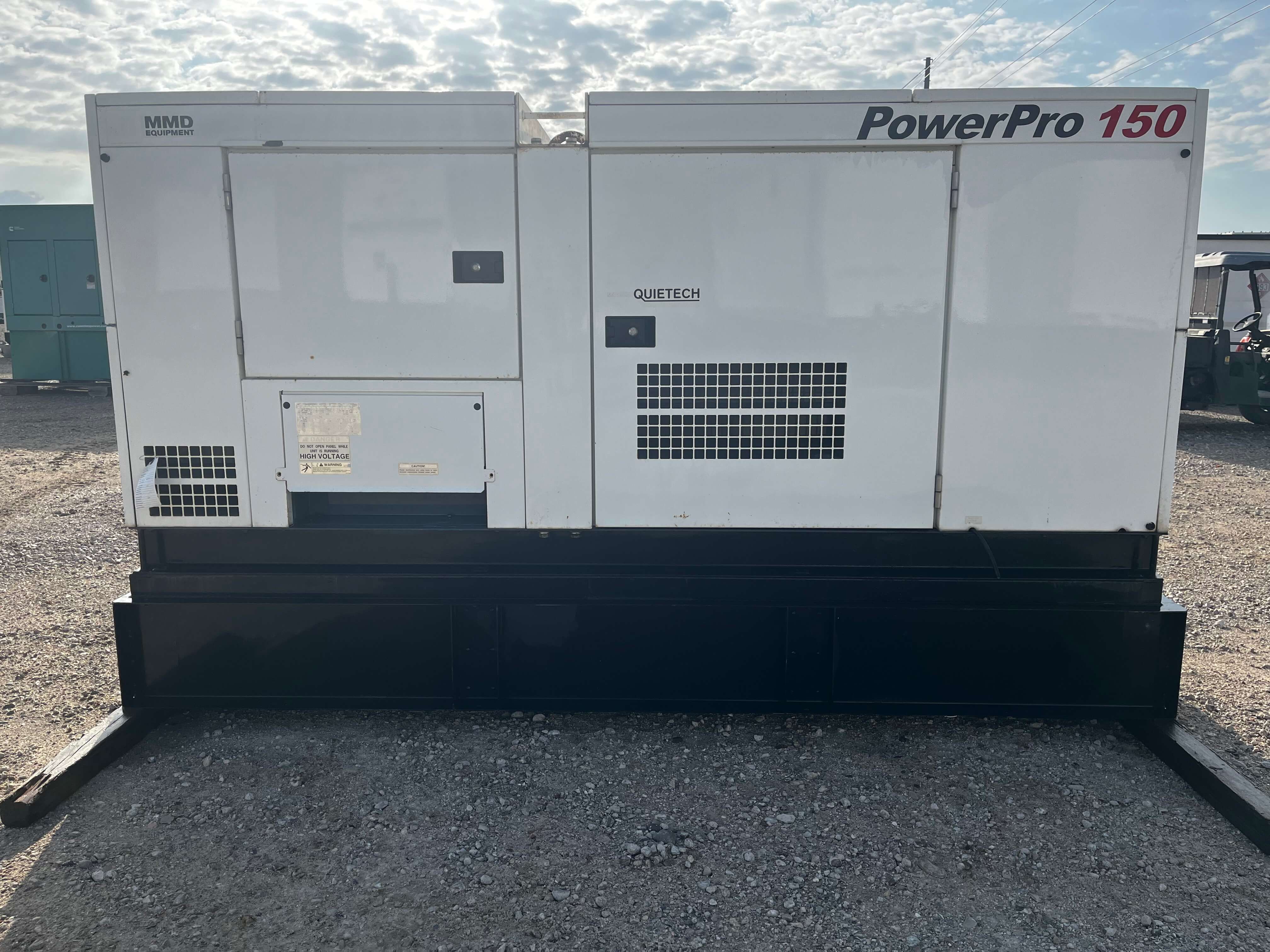
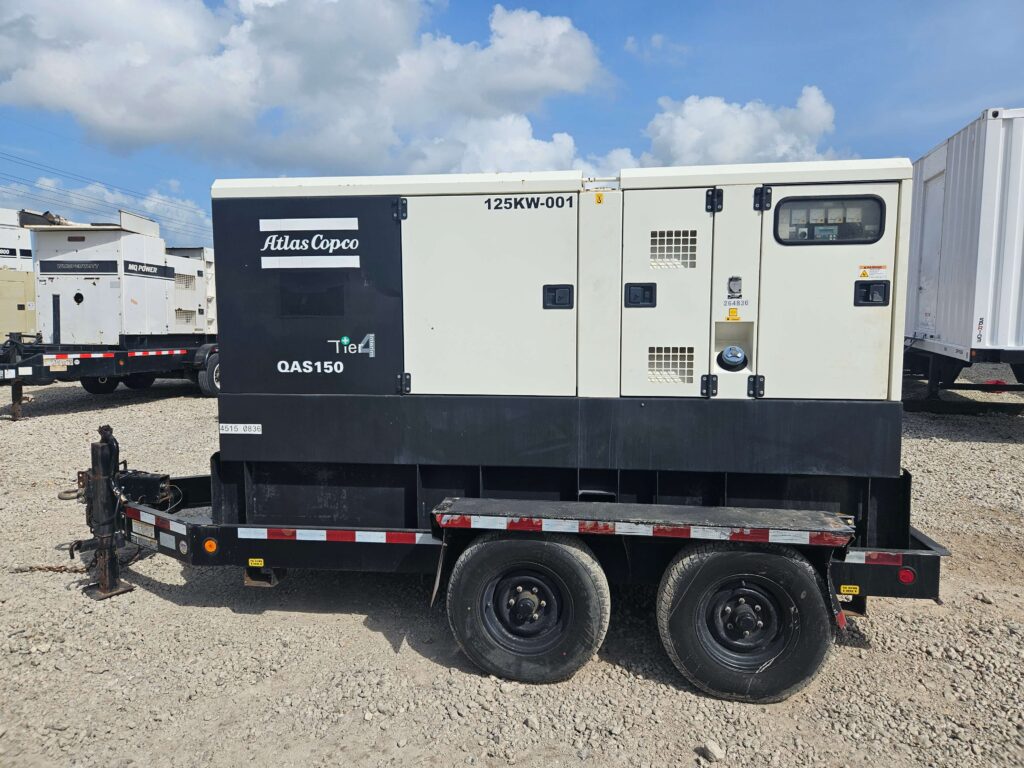
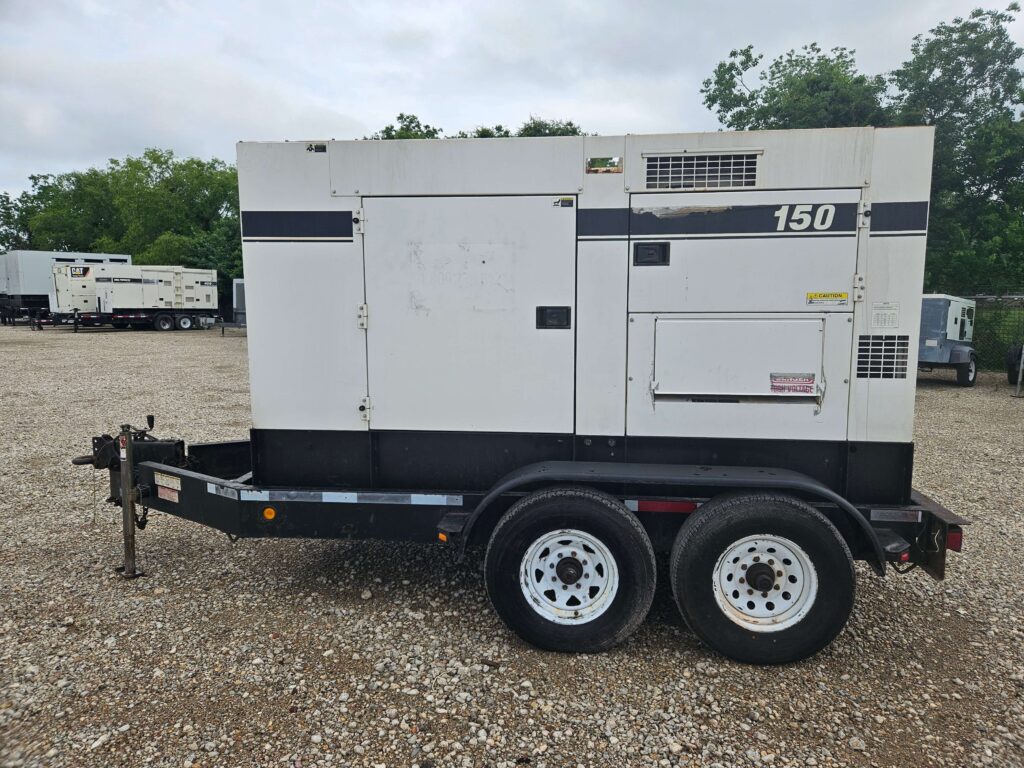
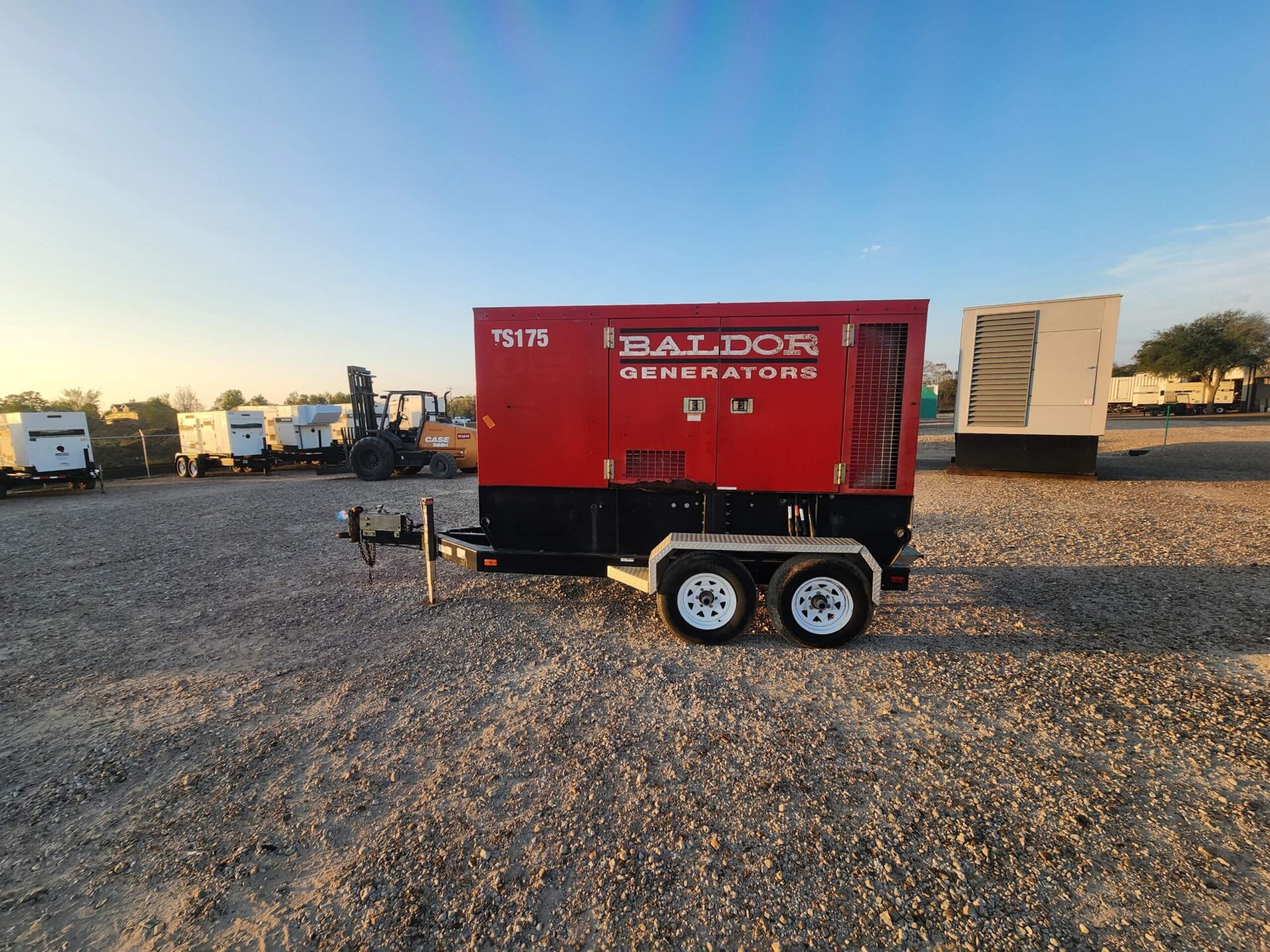
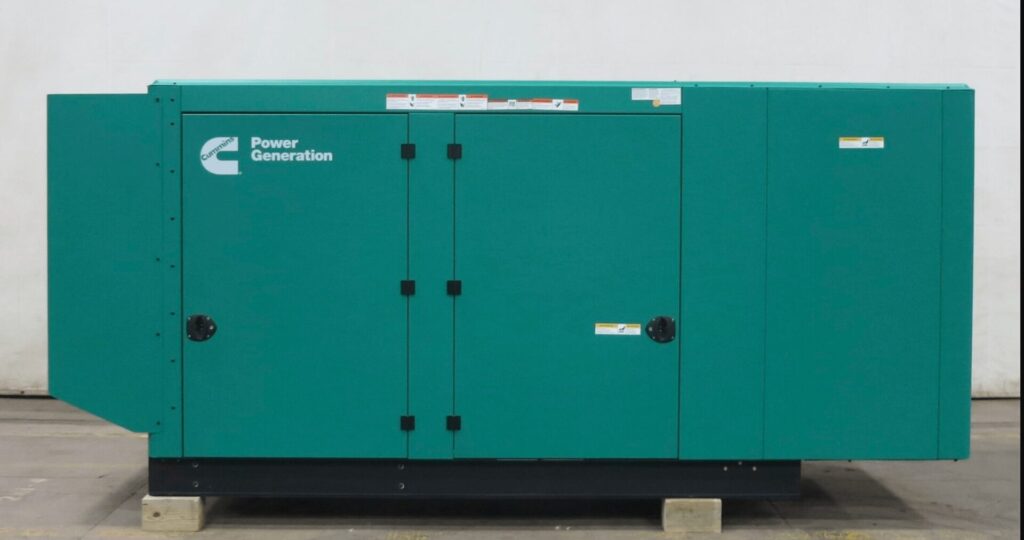
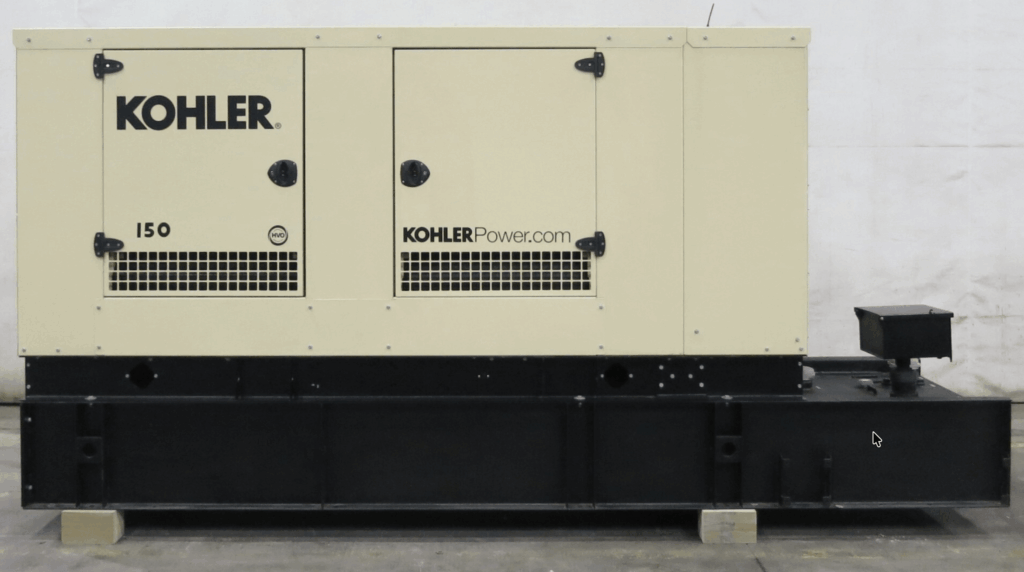
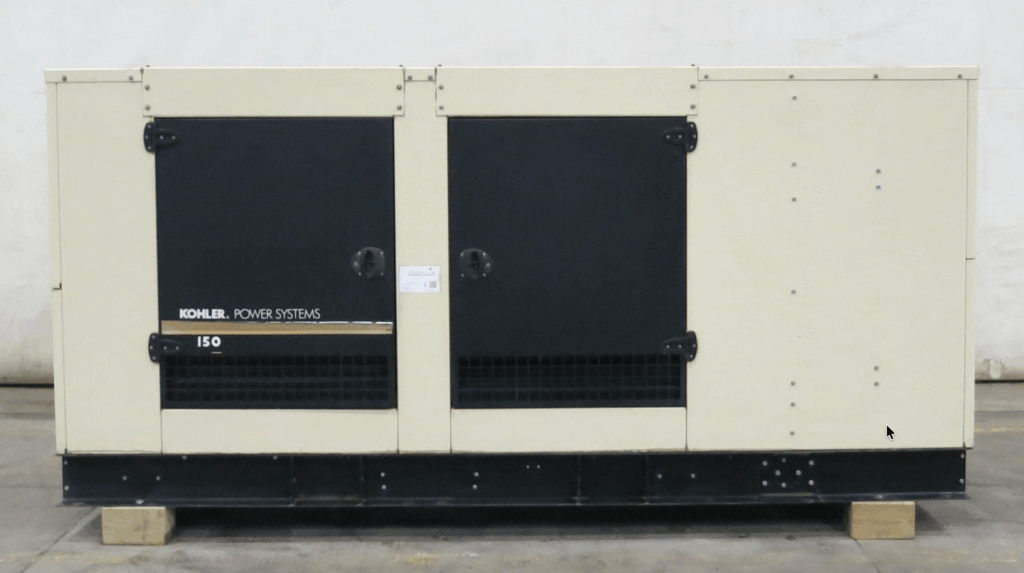
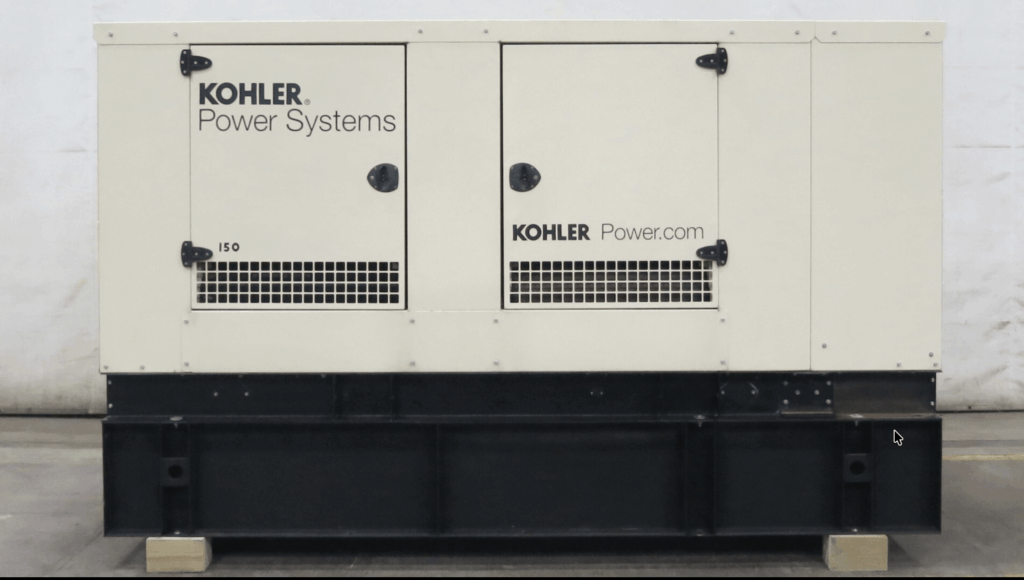
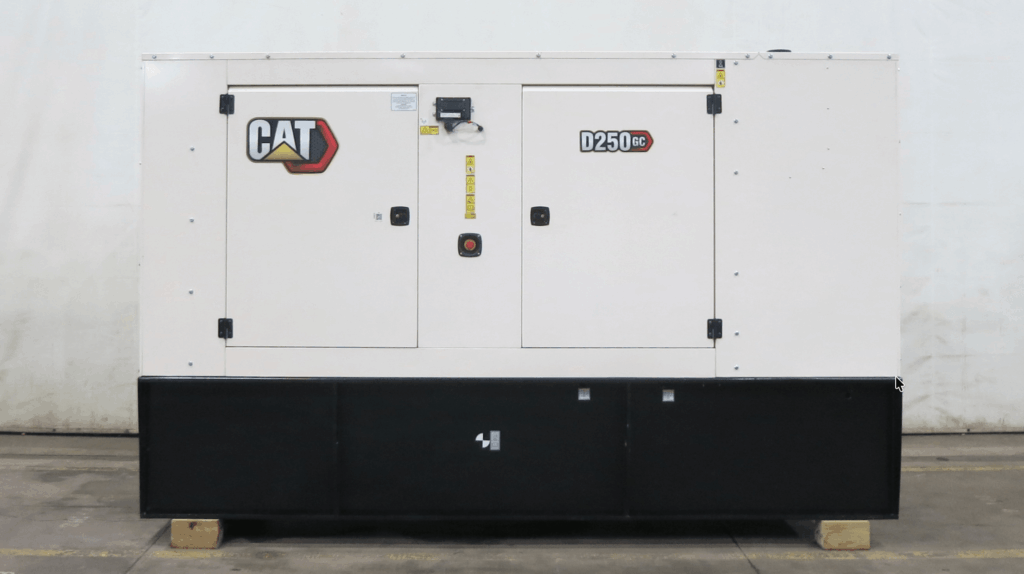
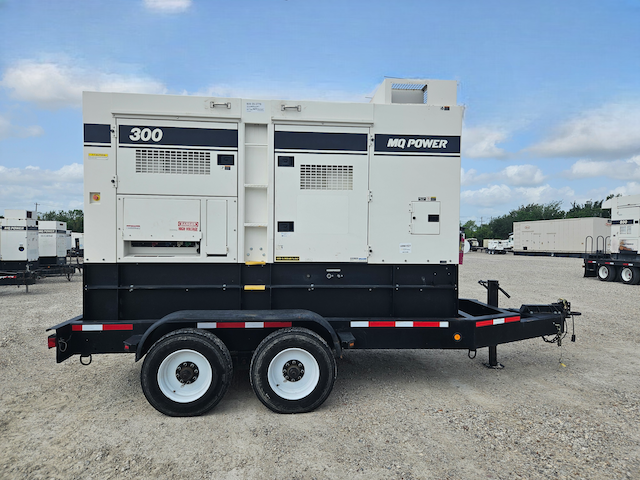
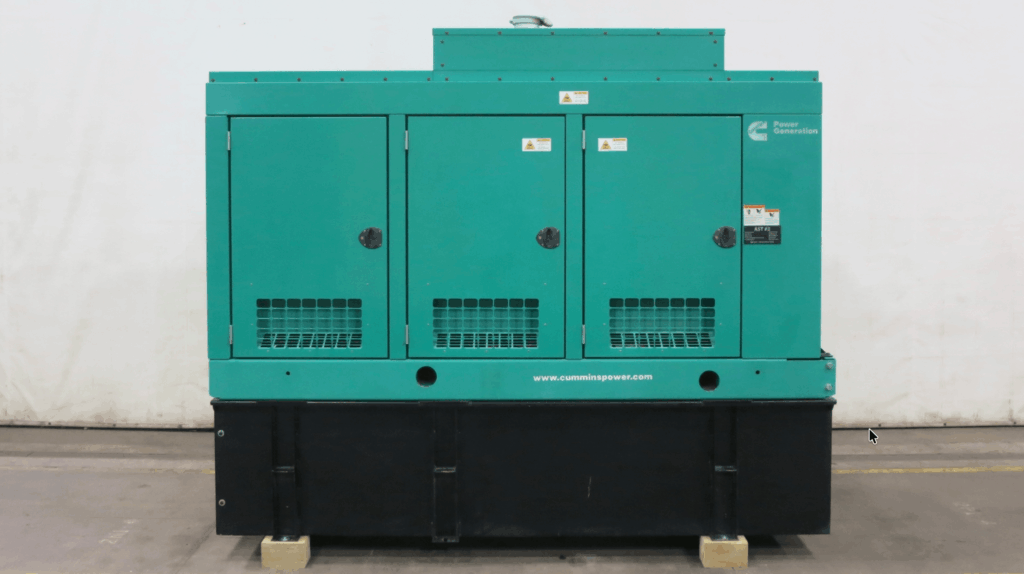
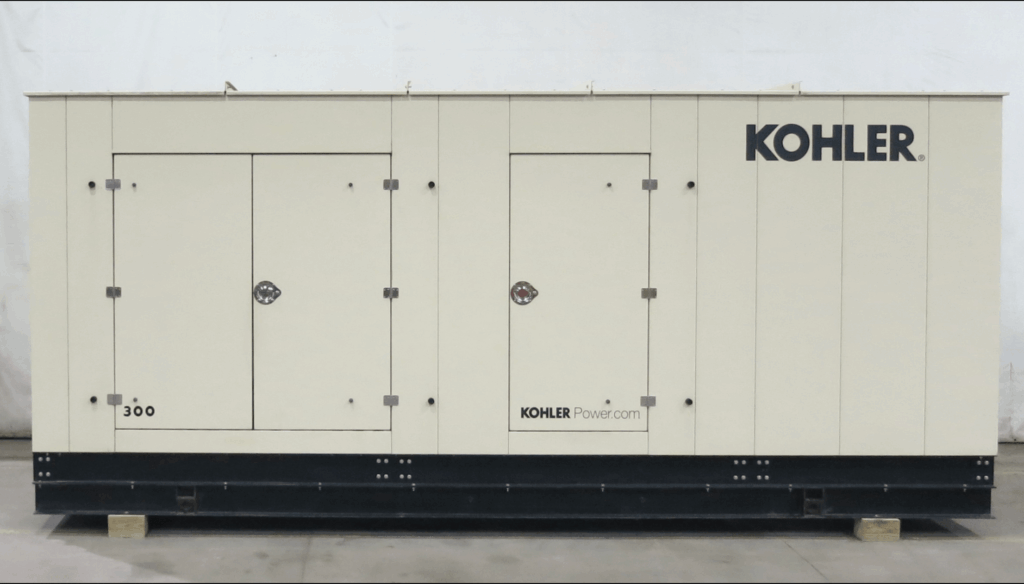
What Can a 100kW – 499kW Generator Power?
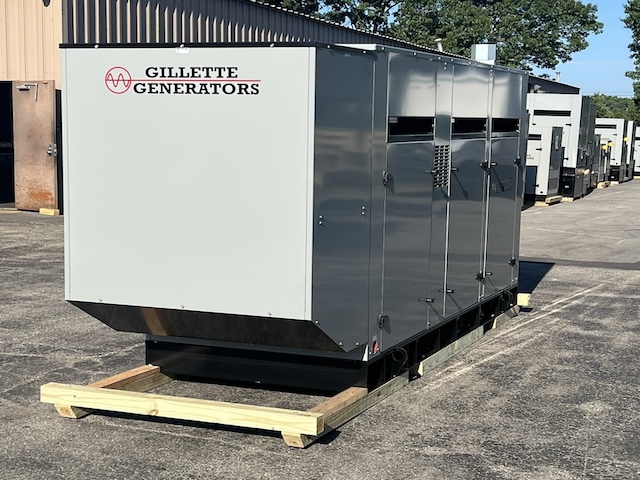
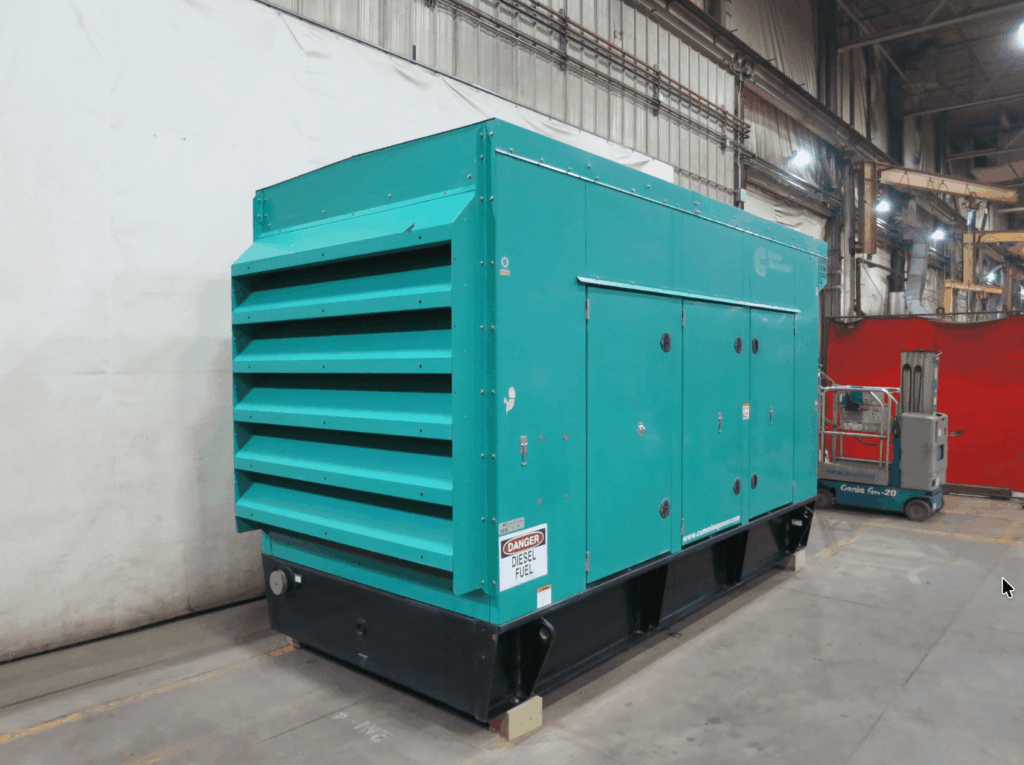
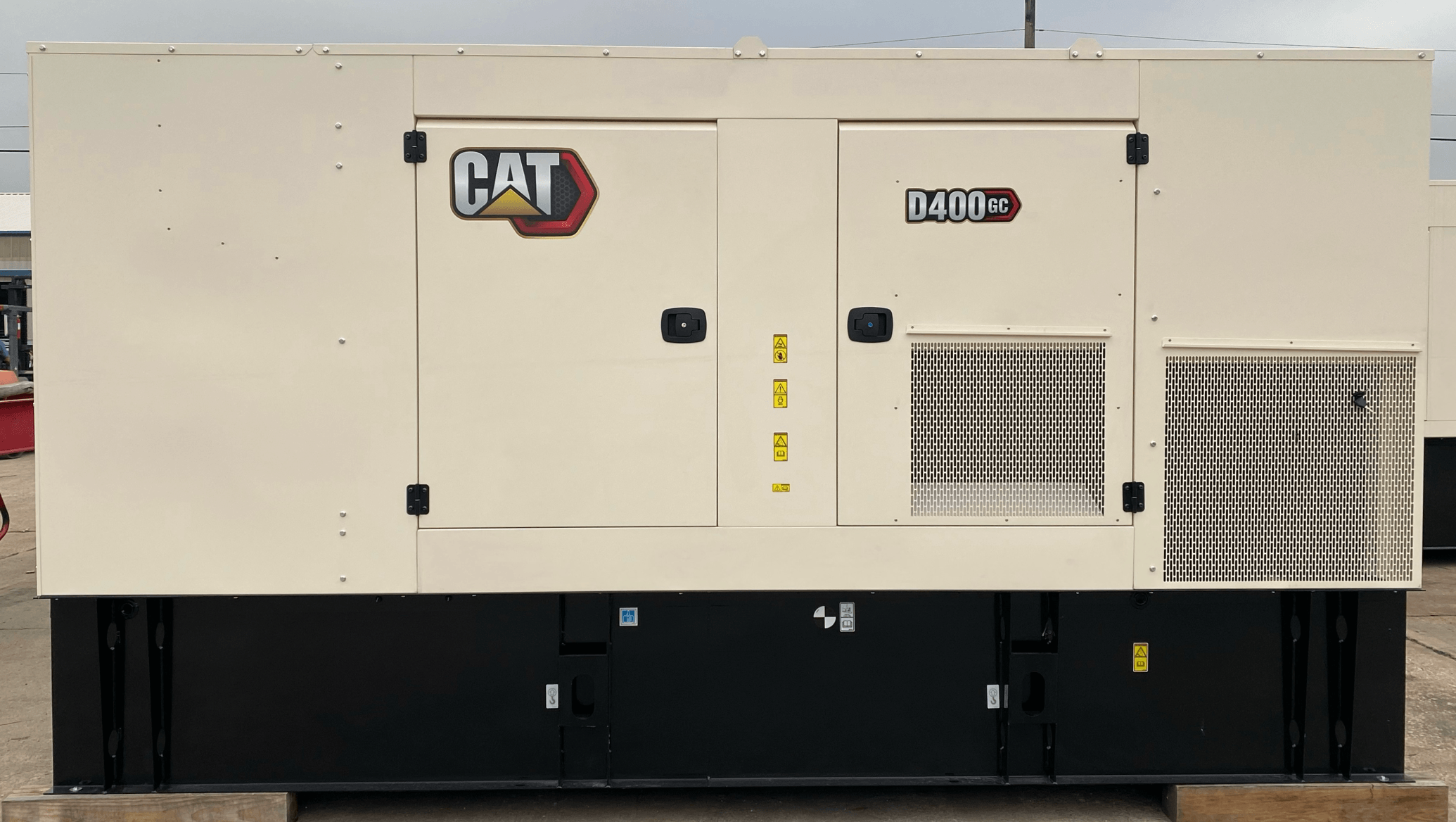
A 100kW – 499kW generator is the widest-use band in the catalog, covering both permanent standby for mid-size facilities and mobile power for operations that need capacity somewhere else next month. Warehouses, production plants, regional
healthcare facilities, cold storage,
telecom sites, municipal buildings, and
construction projects all draw from this range, often for entirely different reasons.
This is also the last tier where generators still tow. Below 500 kW a unit can be trailered to a site, set up in a day, and pulled when the job ends. Above it, equipment becomes permanent infrastructure with an engineered pad and a permitting file.
Trailer-Mounted or Stationary?
The mounting decision matters more here than anywhere else in the lineup, and it is worth settling before you shop by kilowatt.
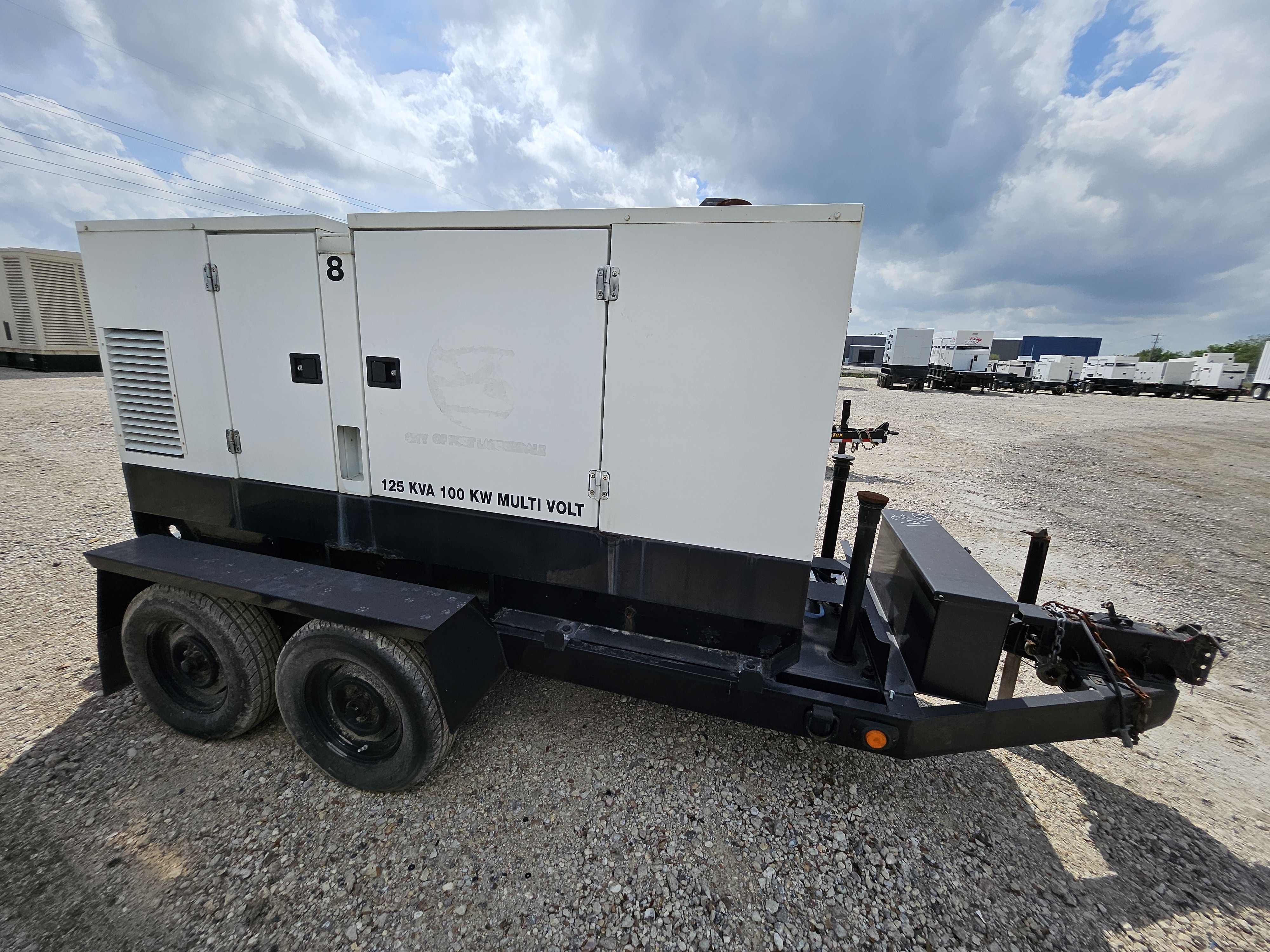
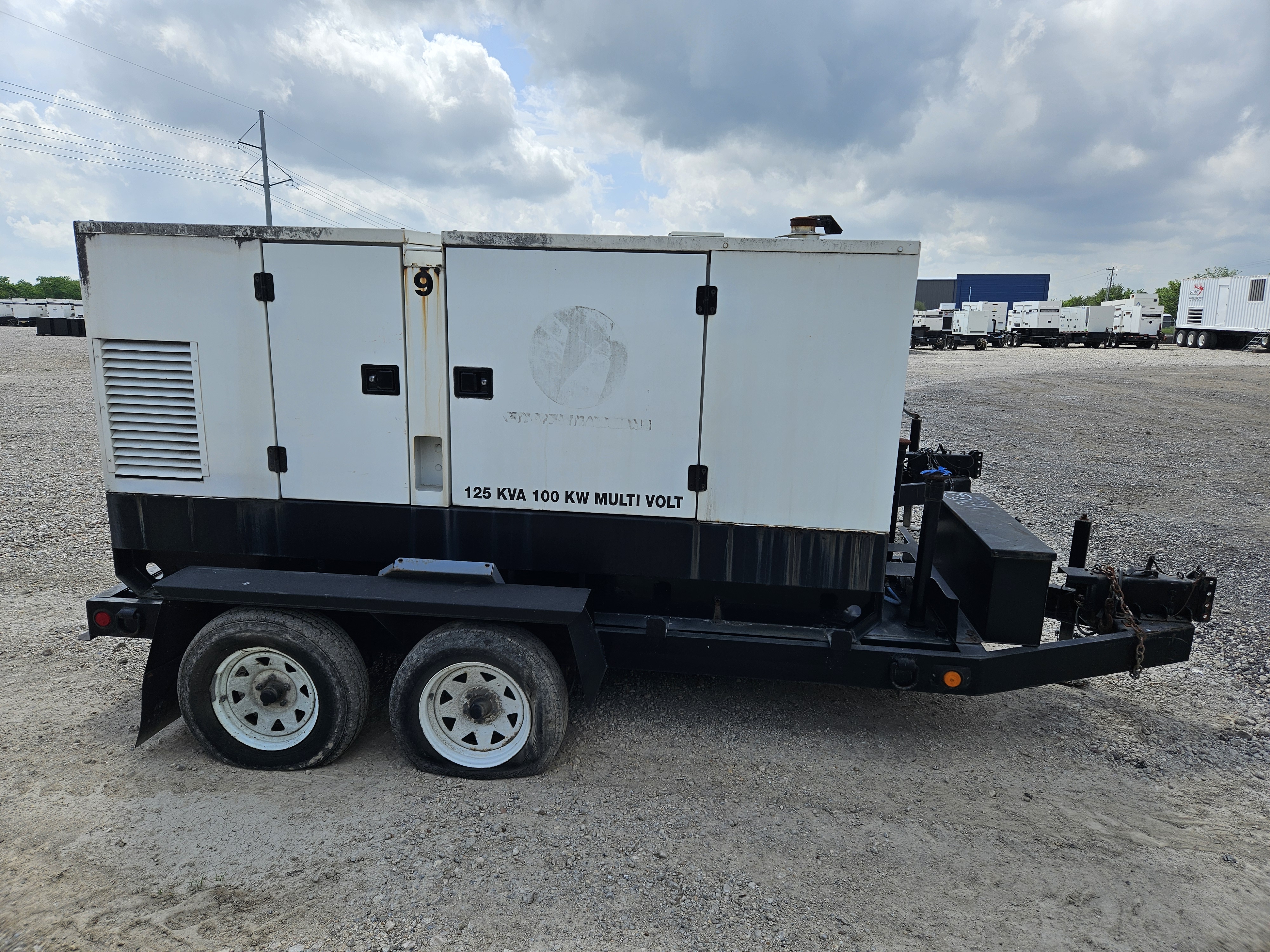
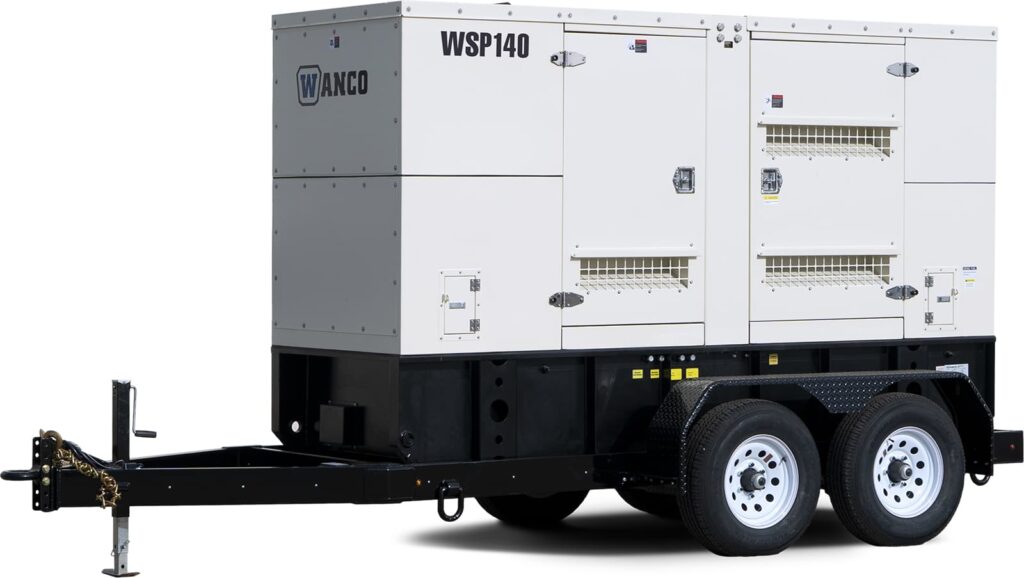
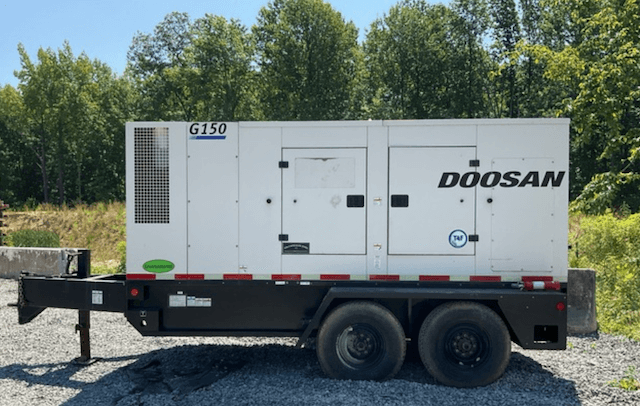
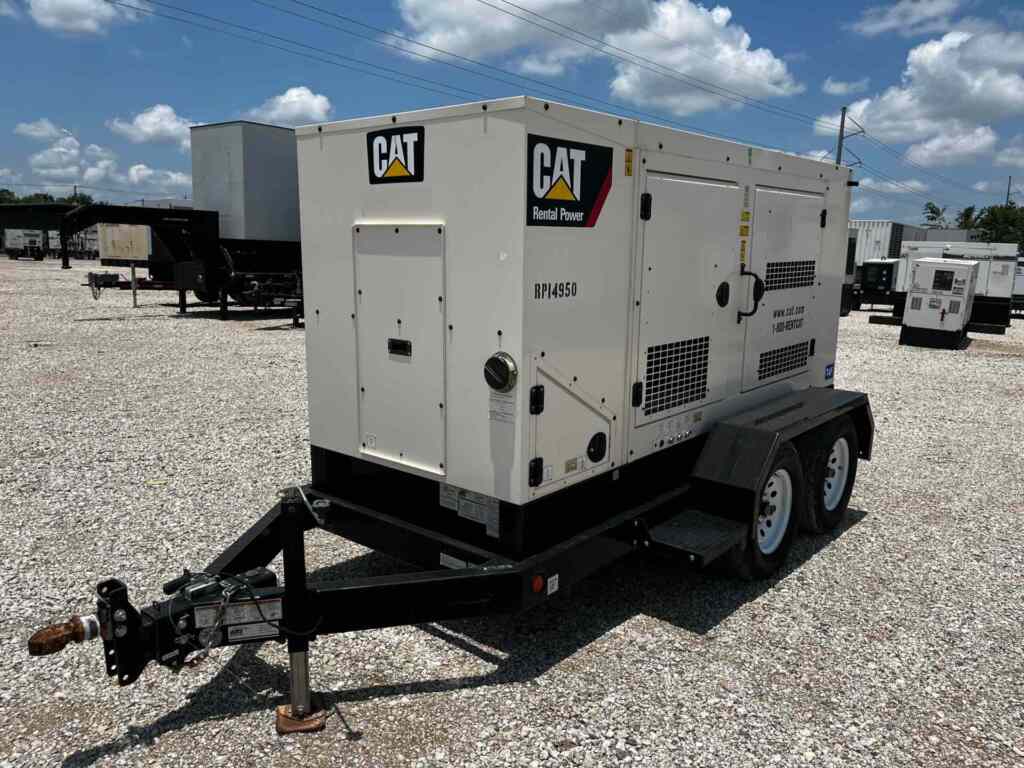
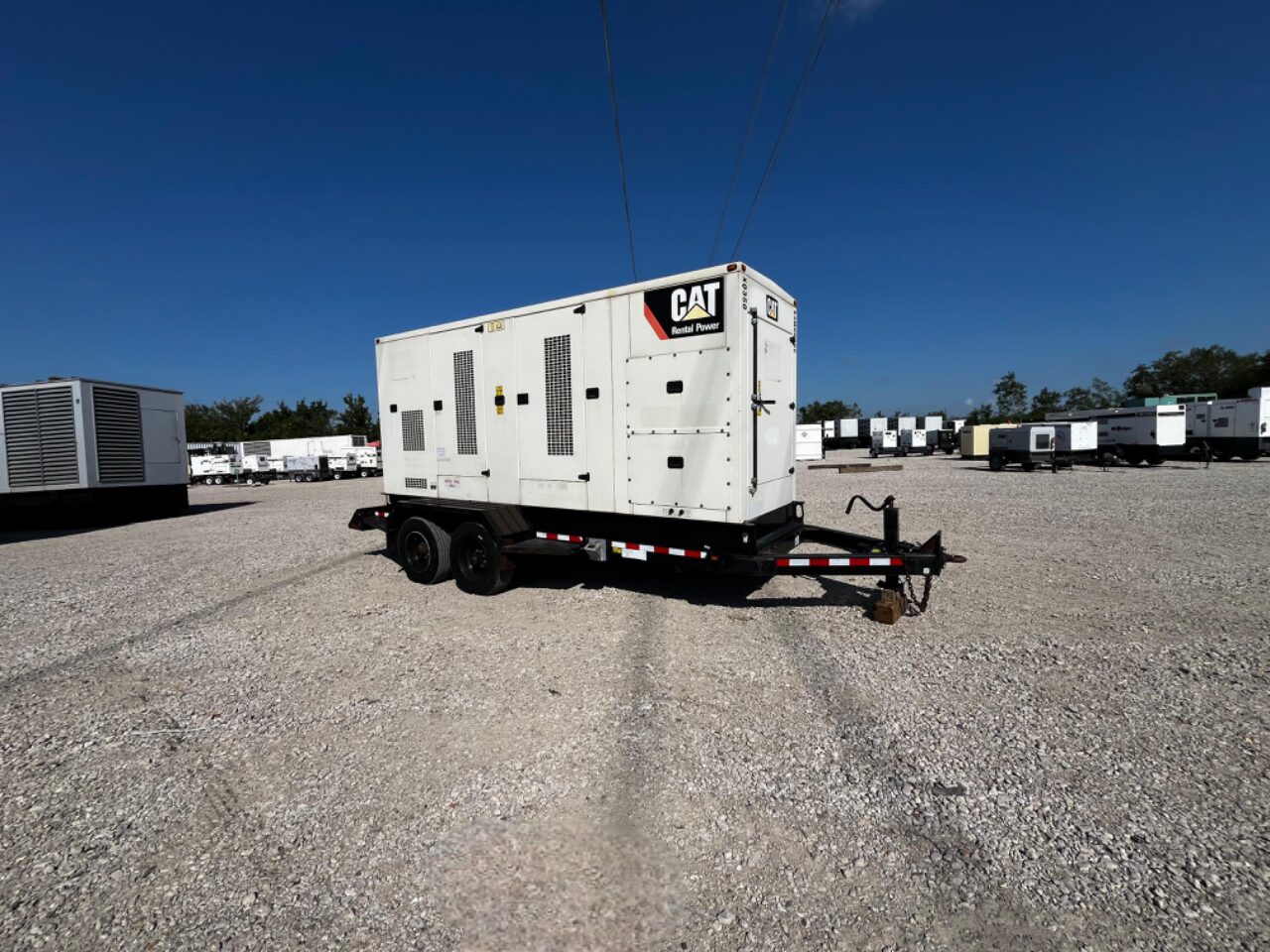
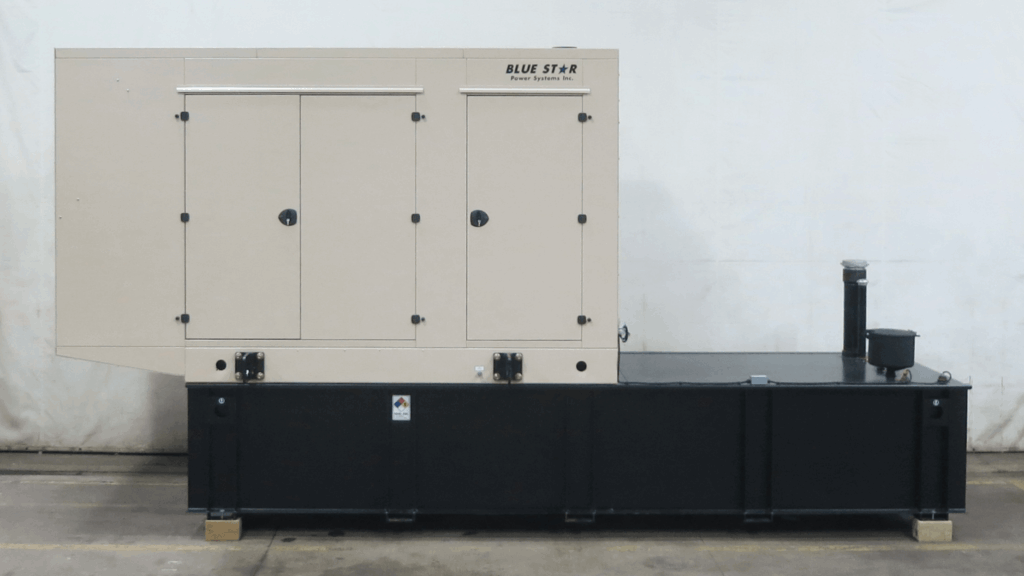
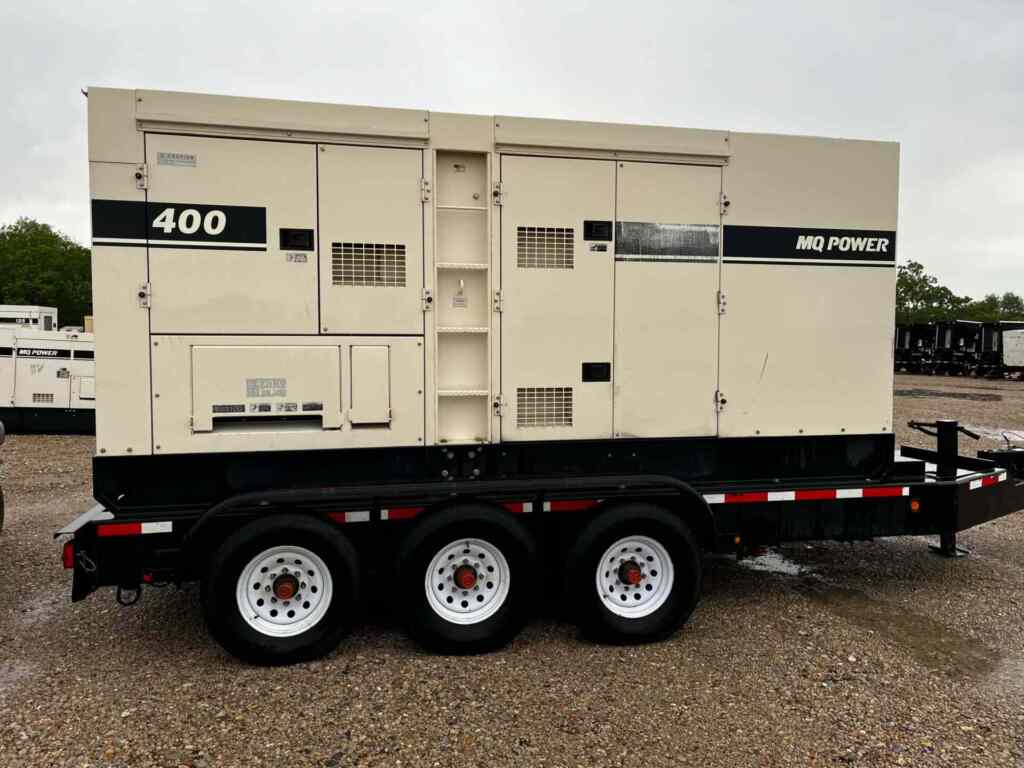
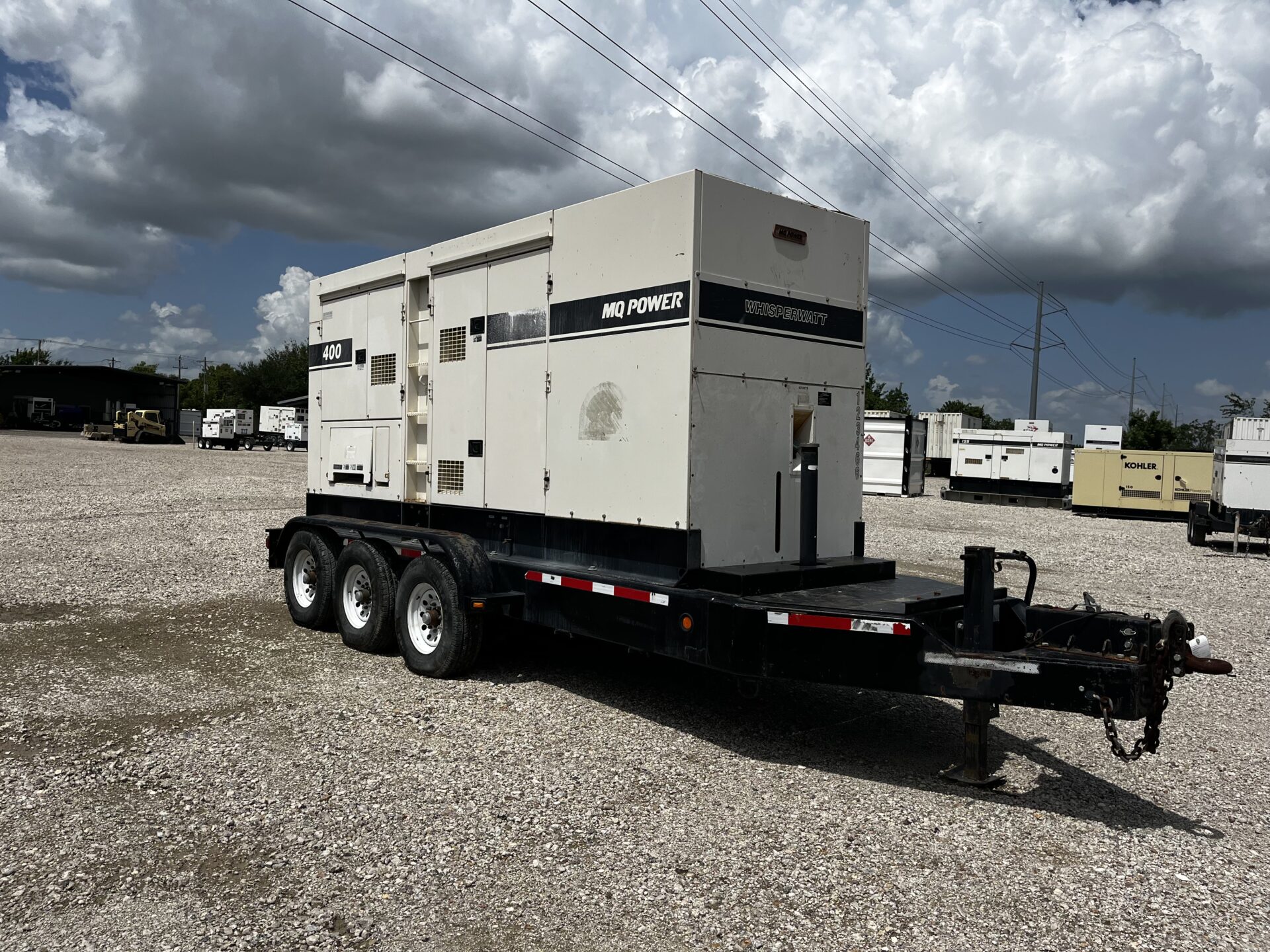
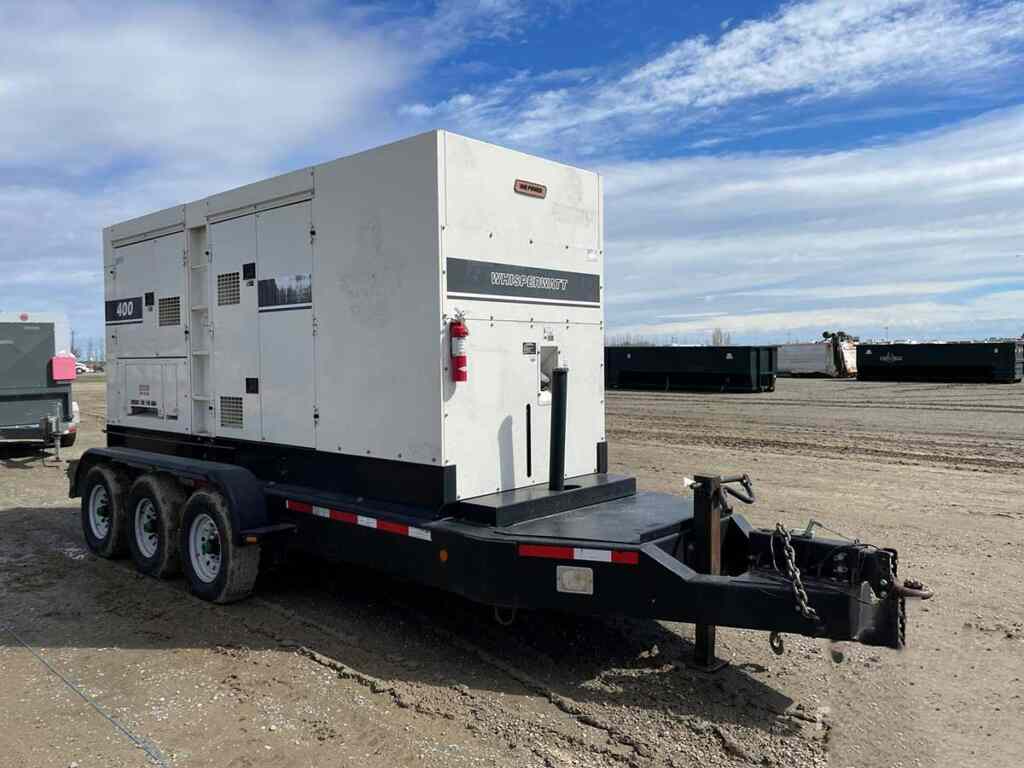
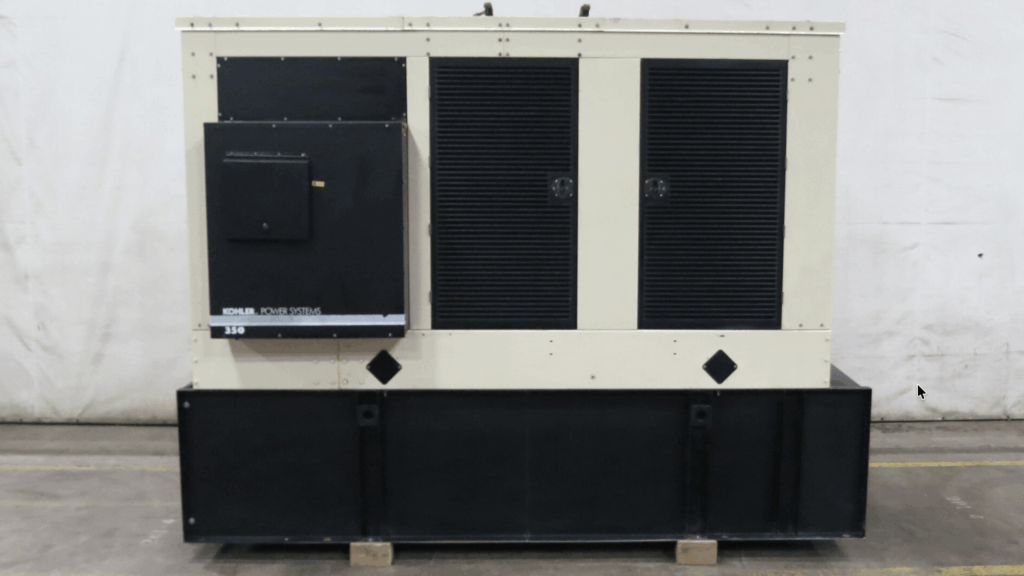
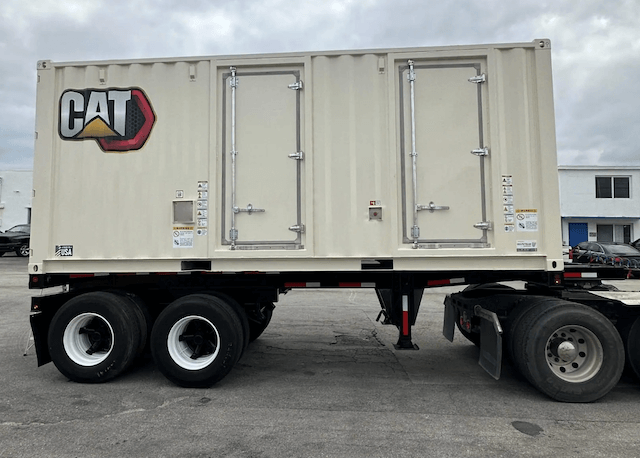
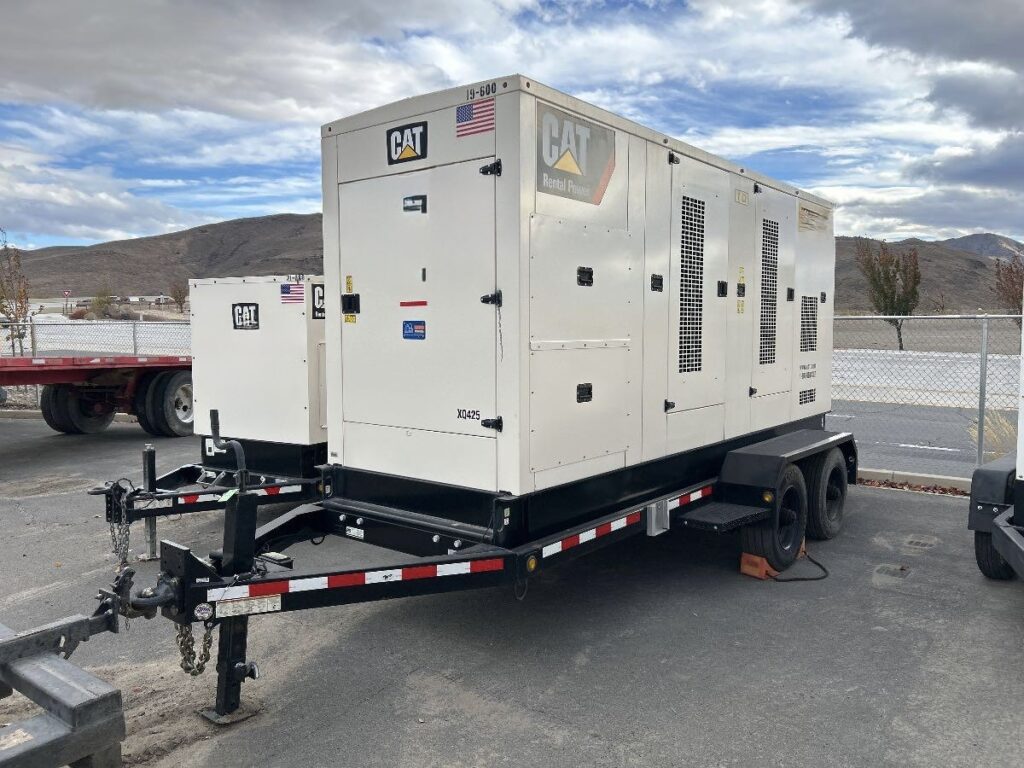
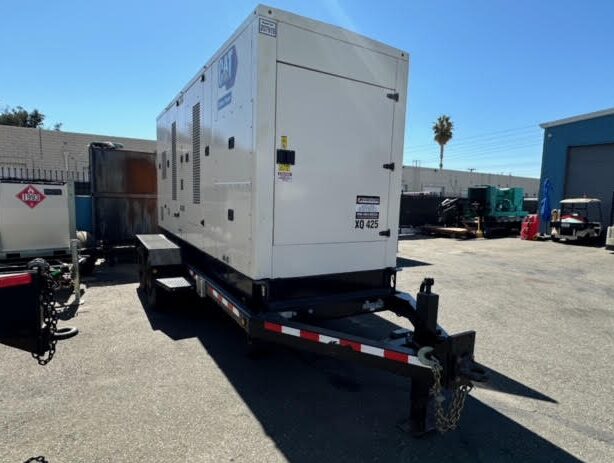
- Trailer-mounted
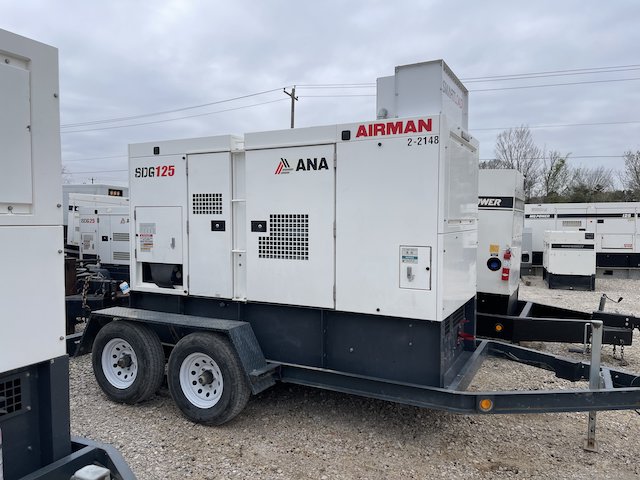
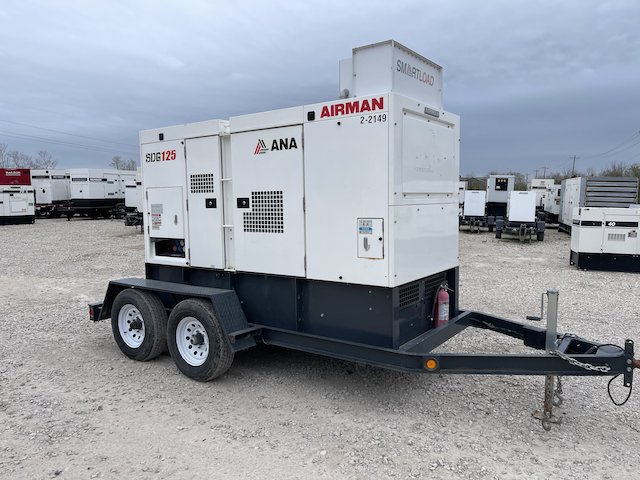
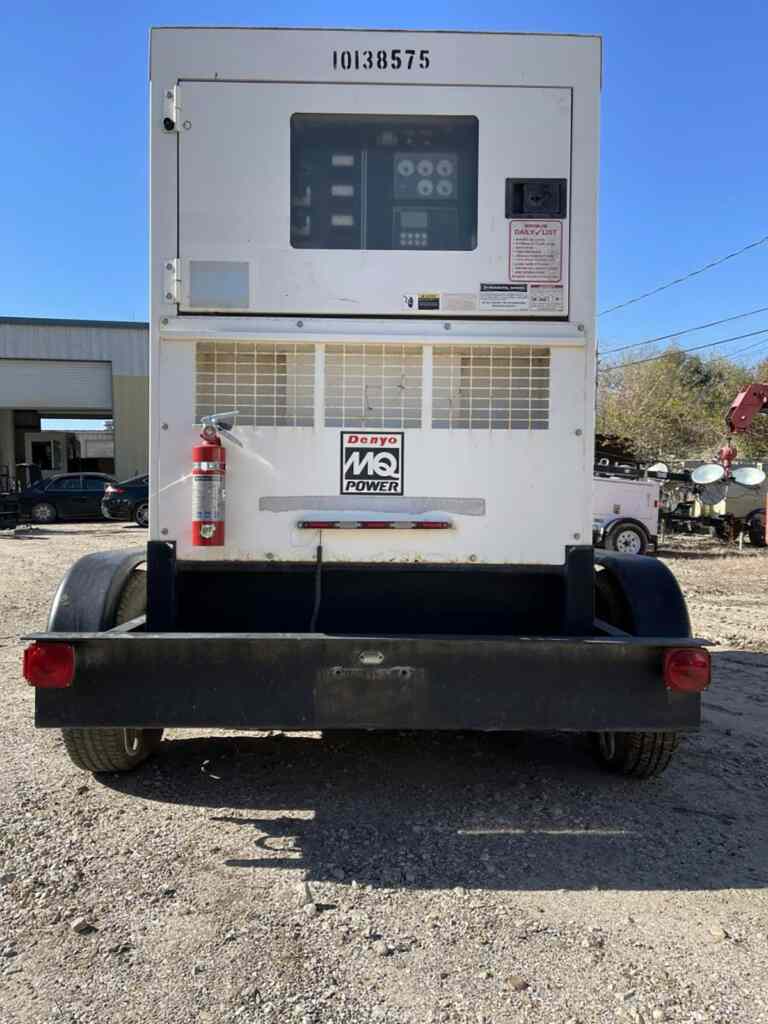
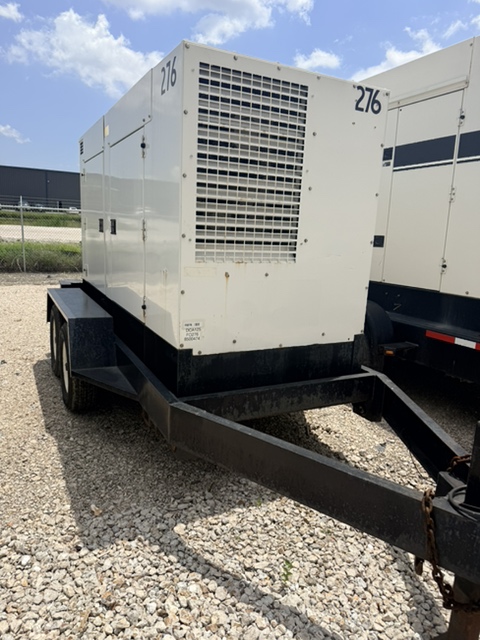
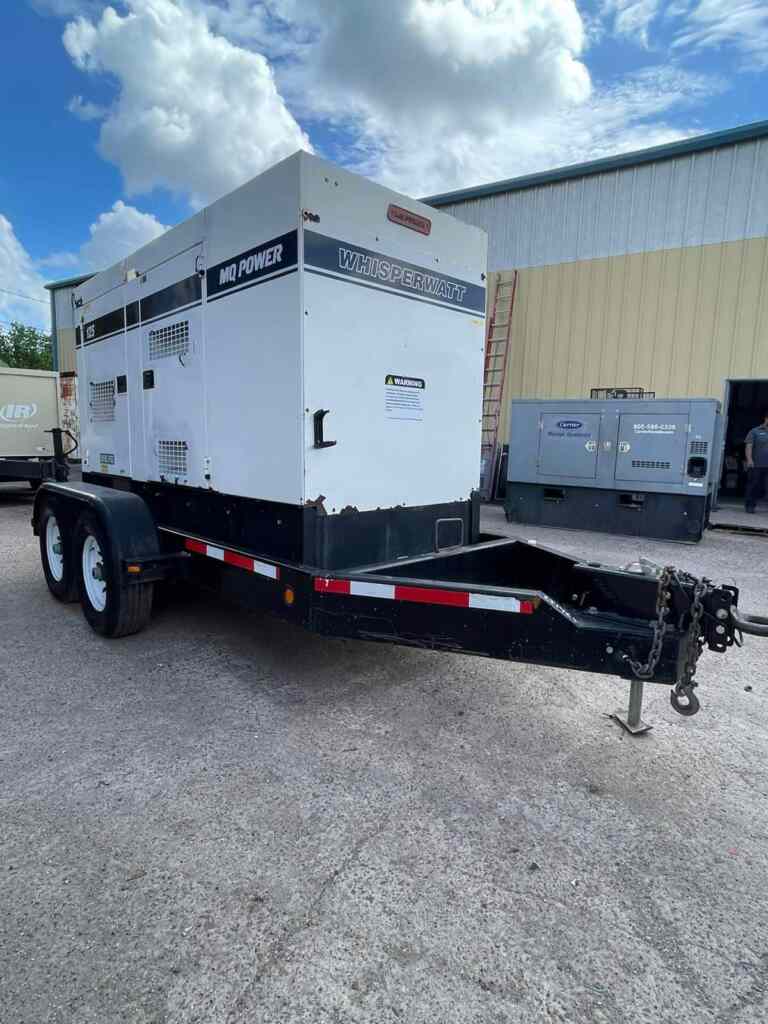
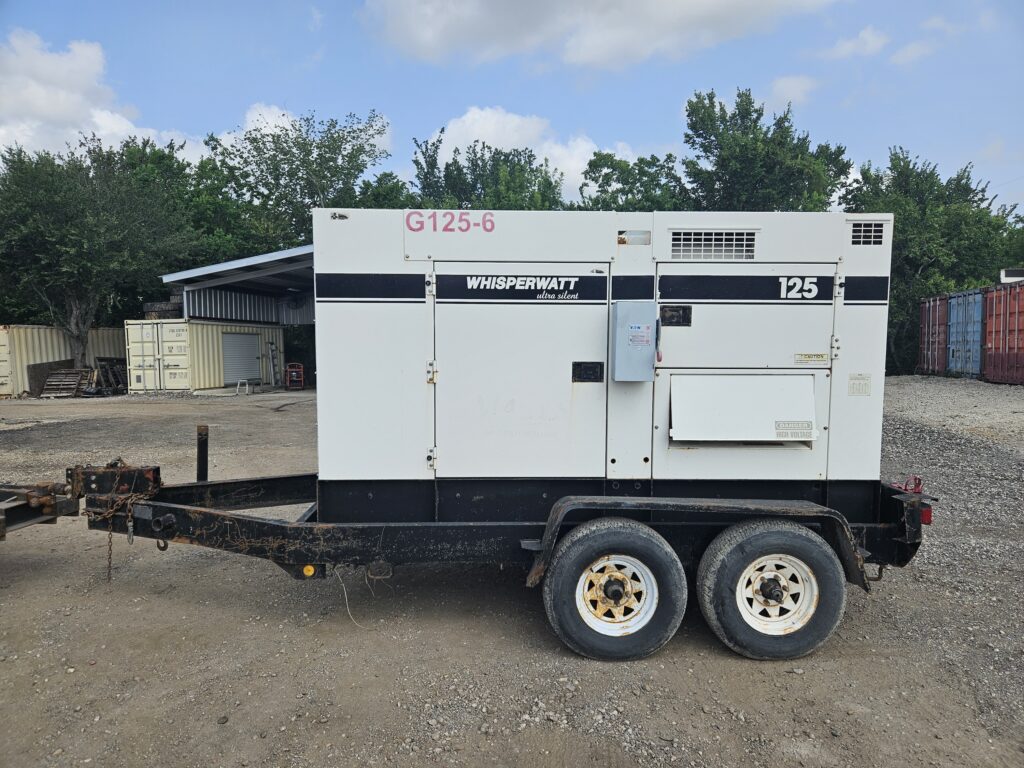
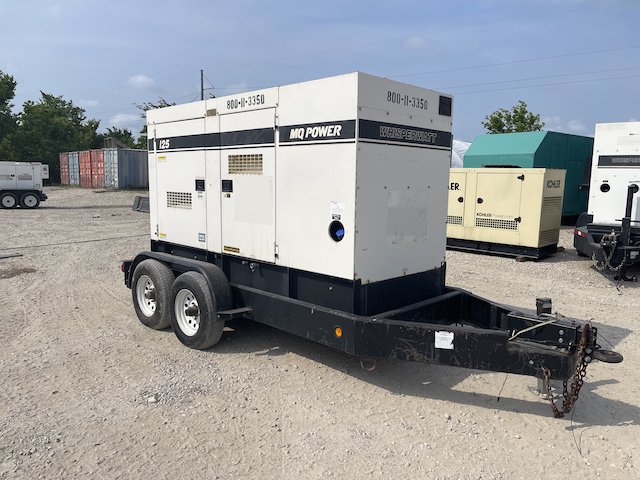
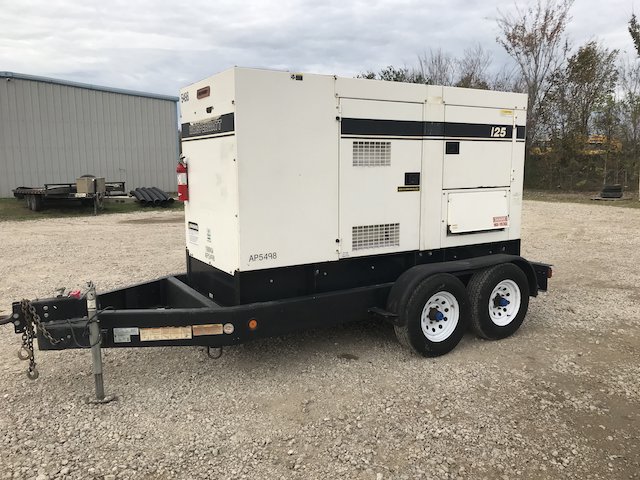
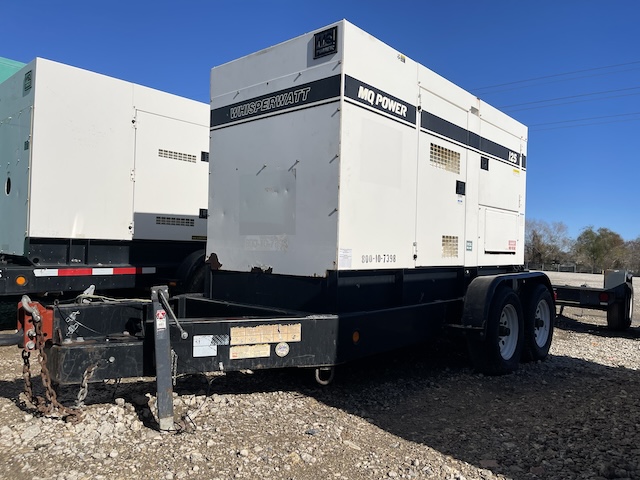
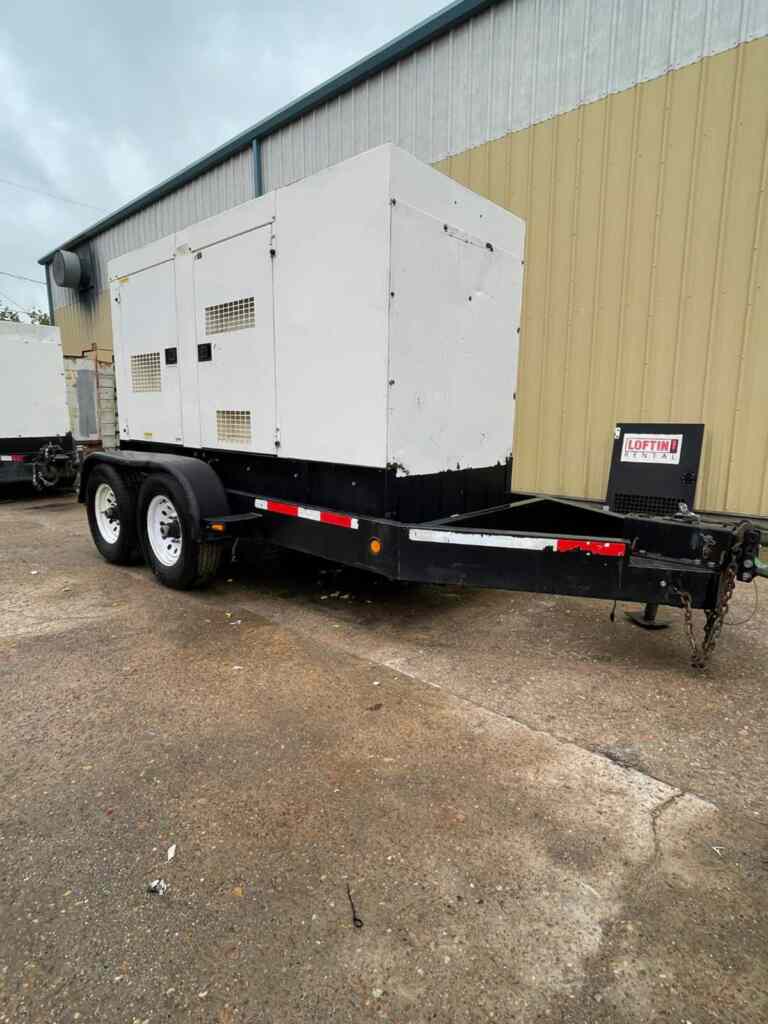
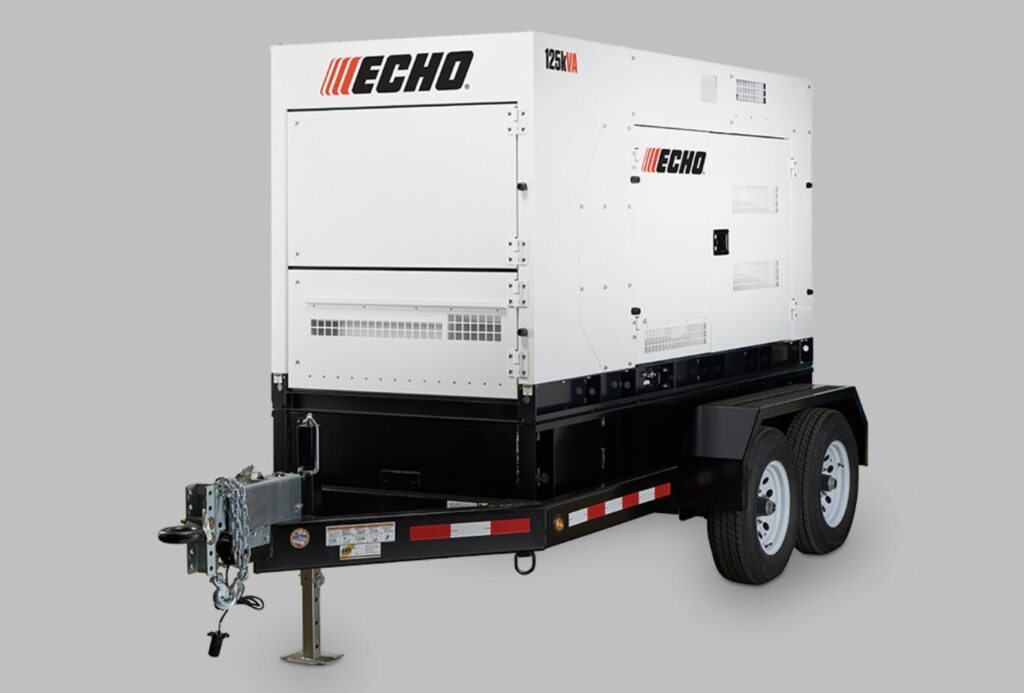
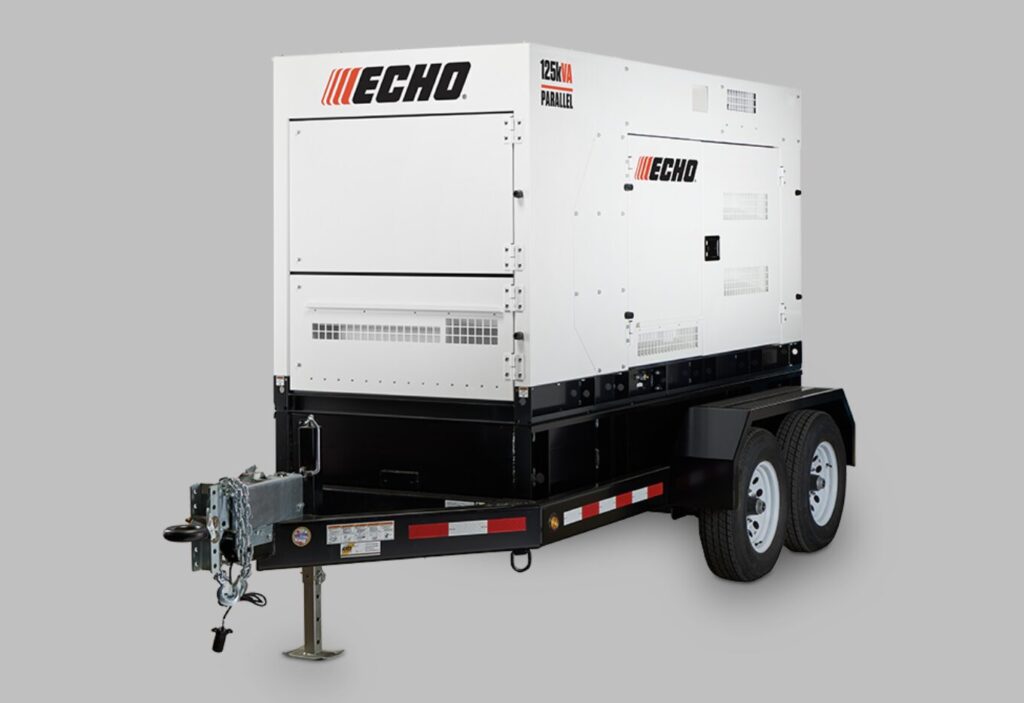
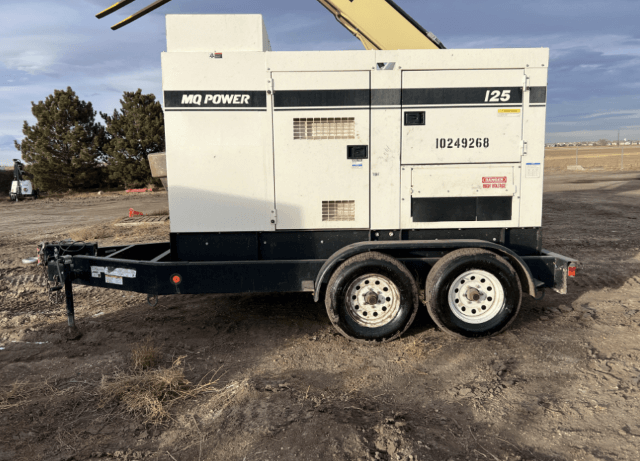
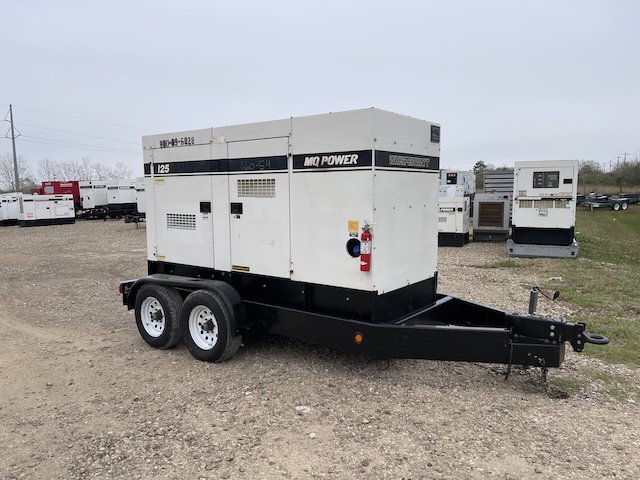
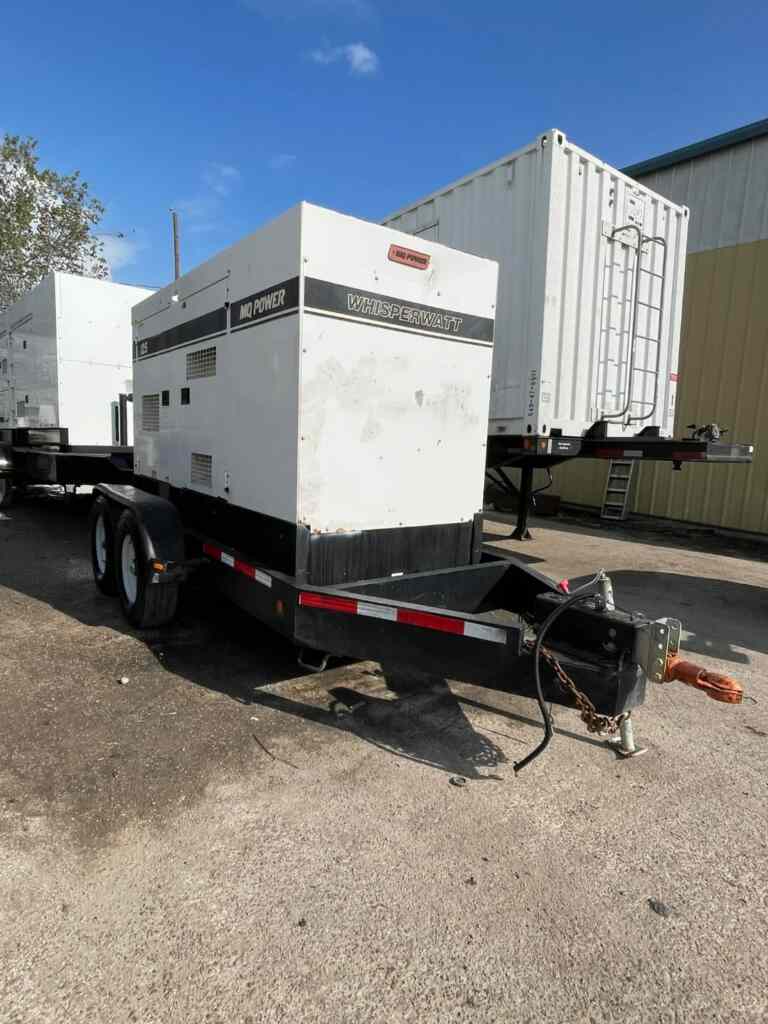
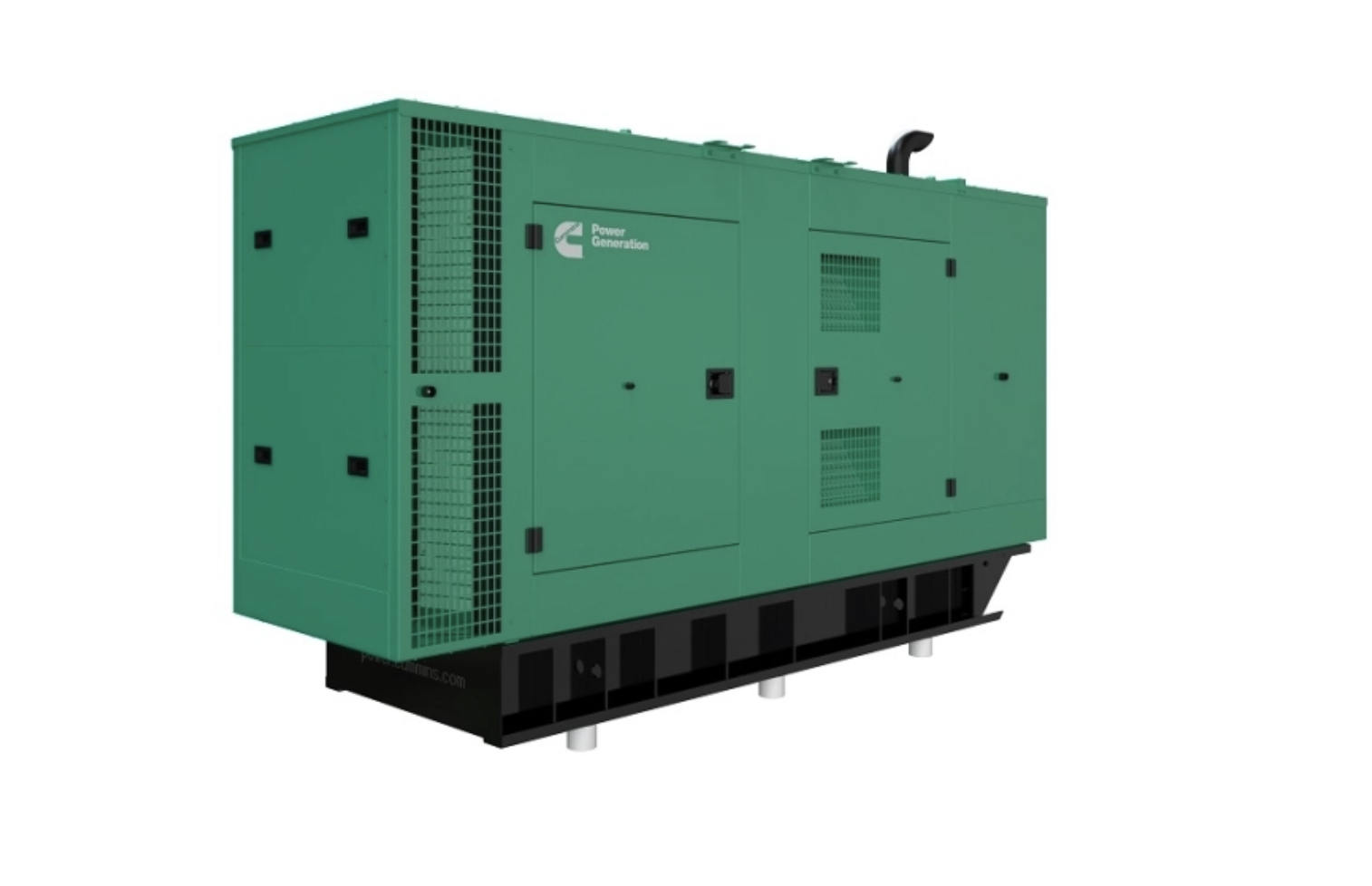
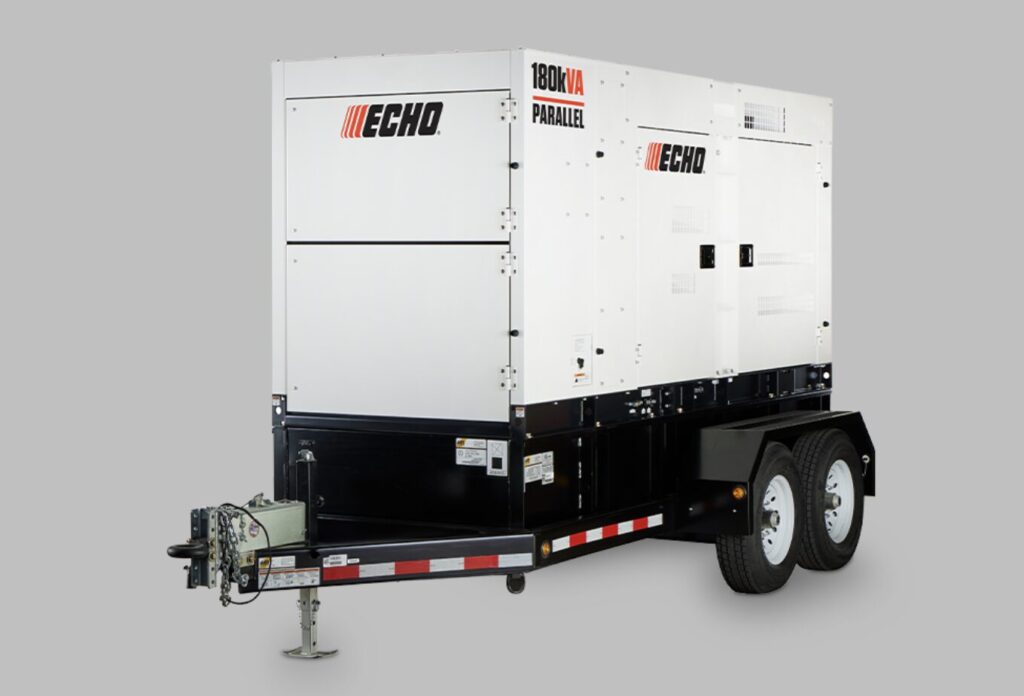
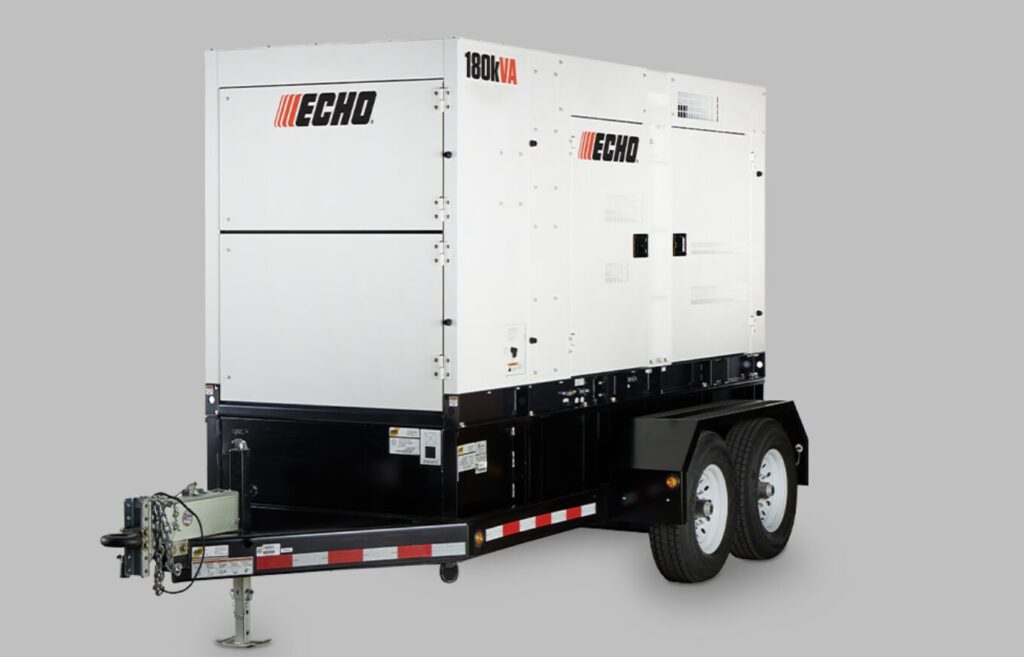
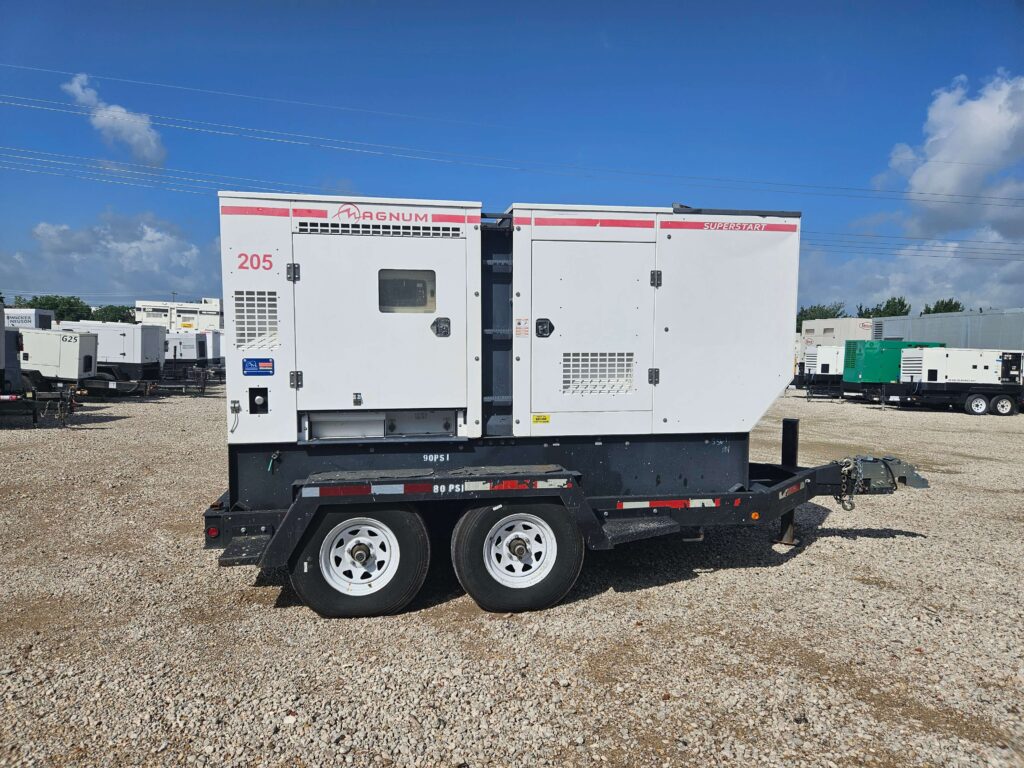
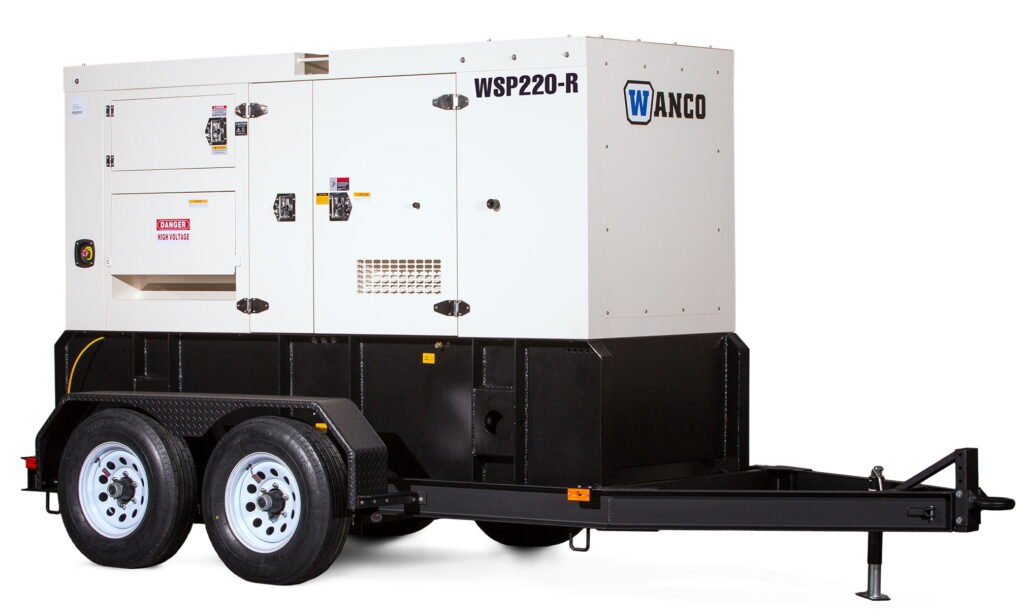
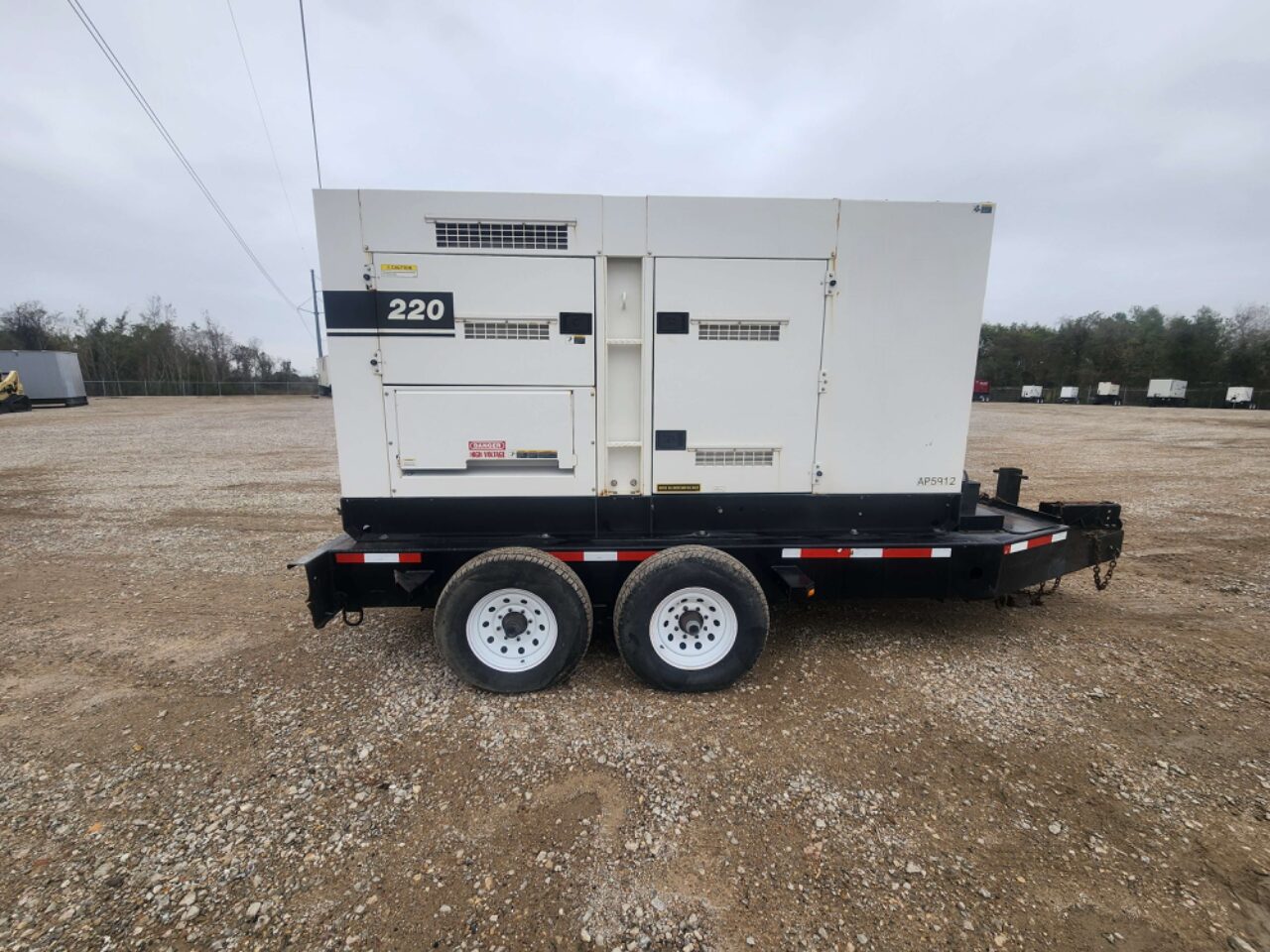
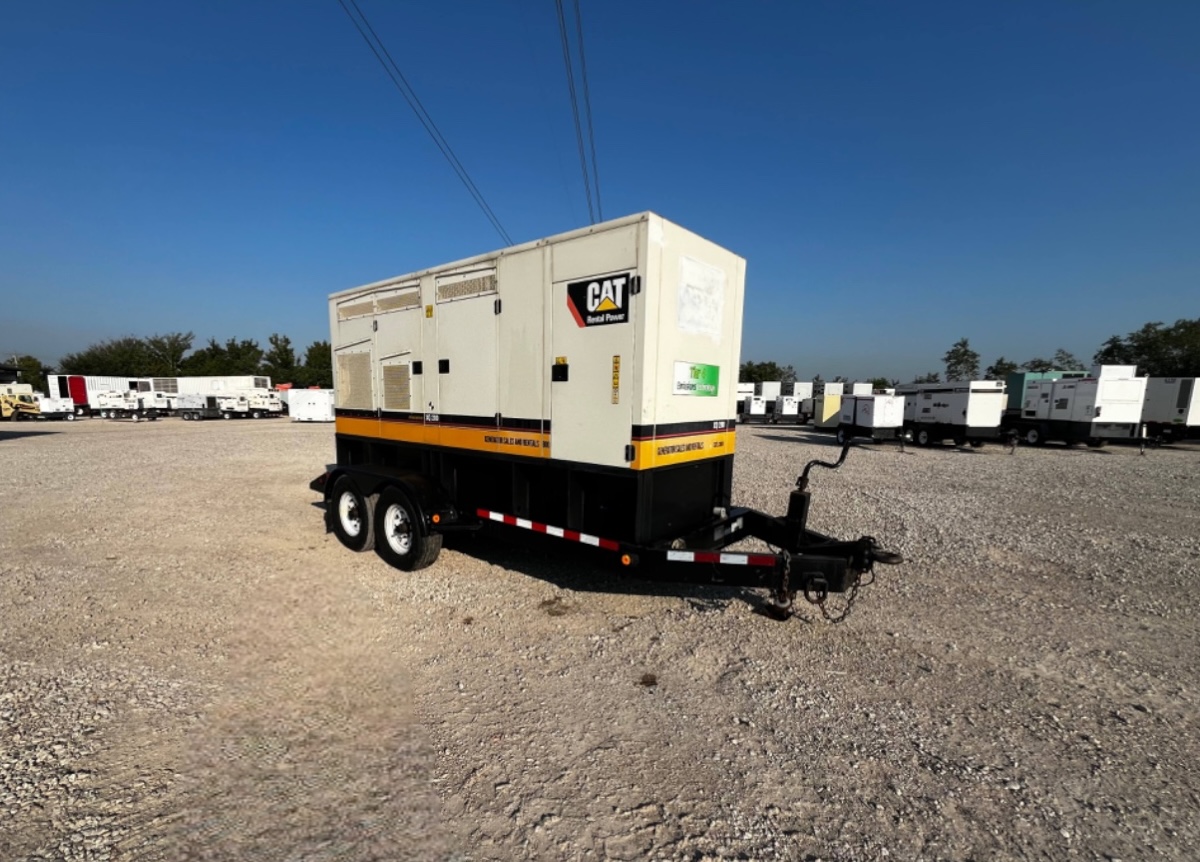
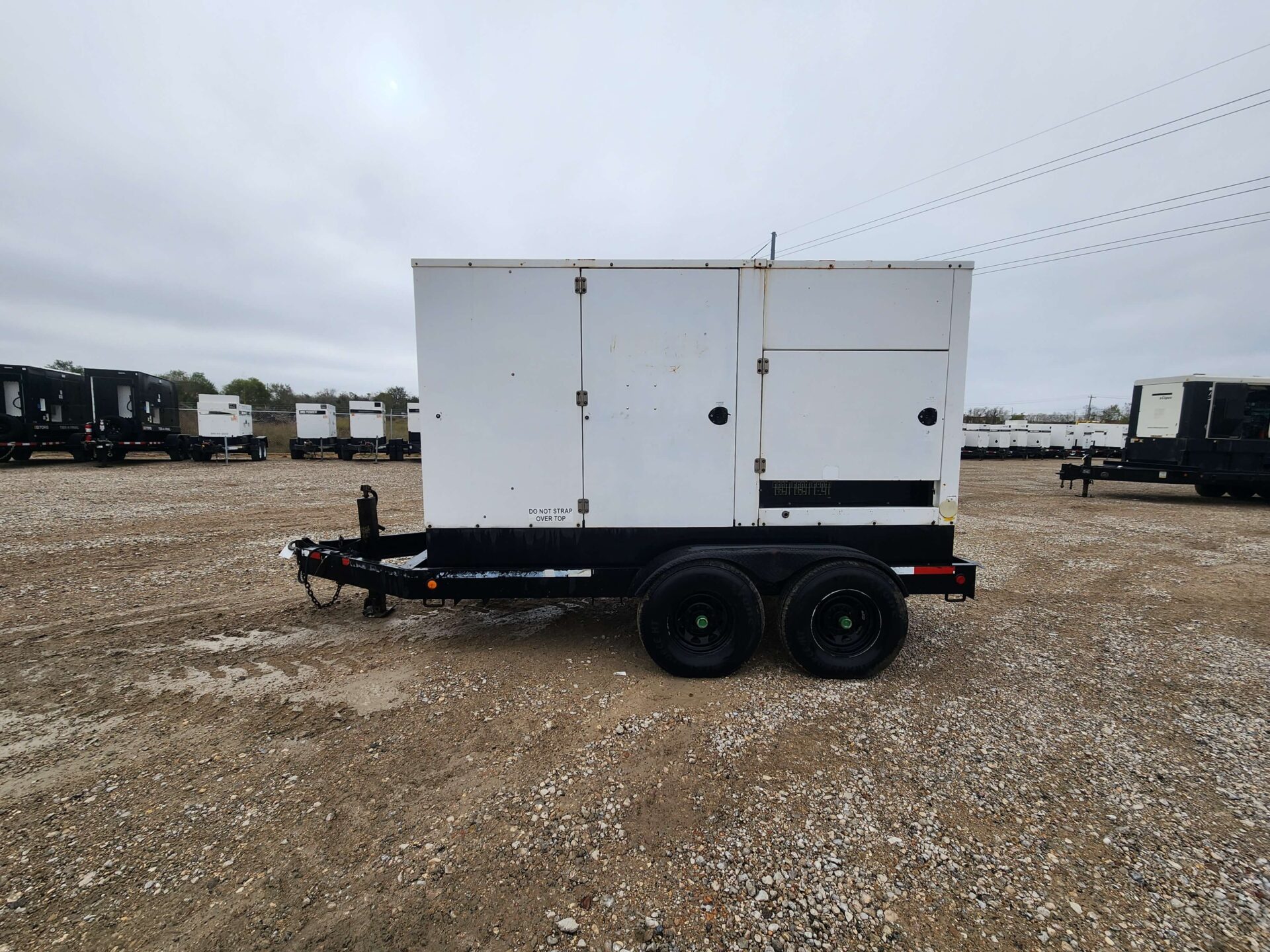
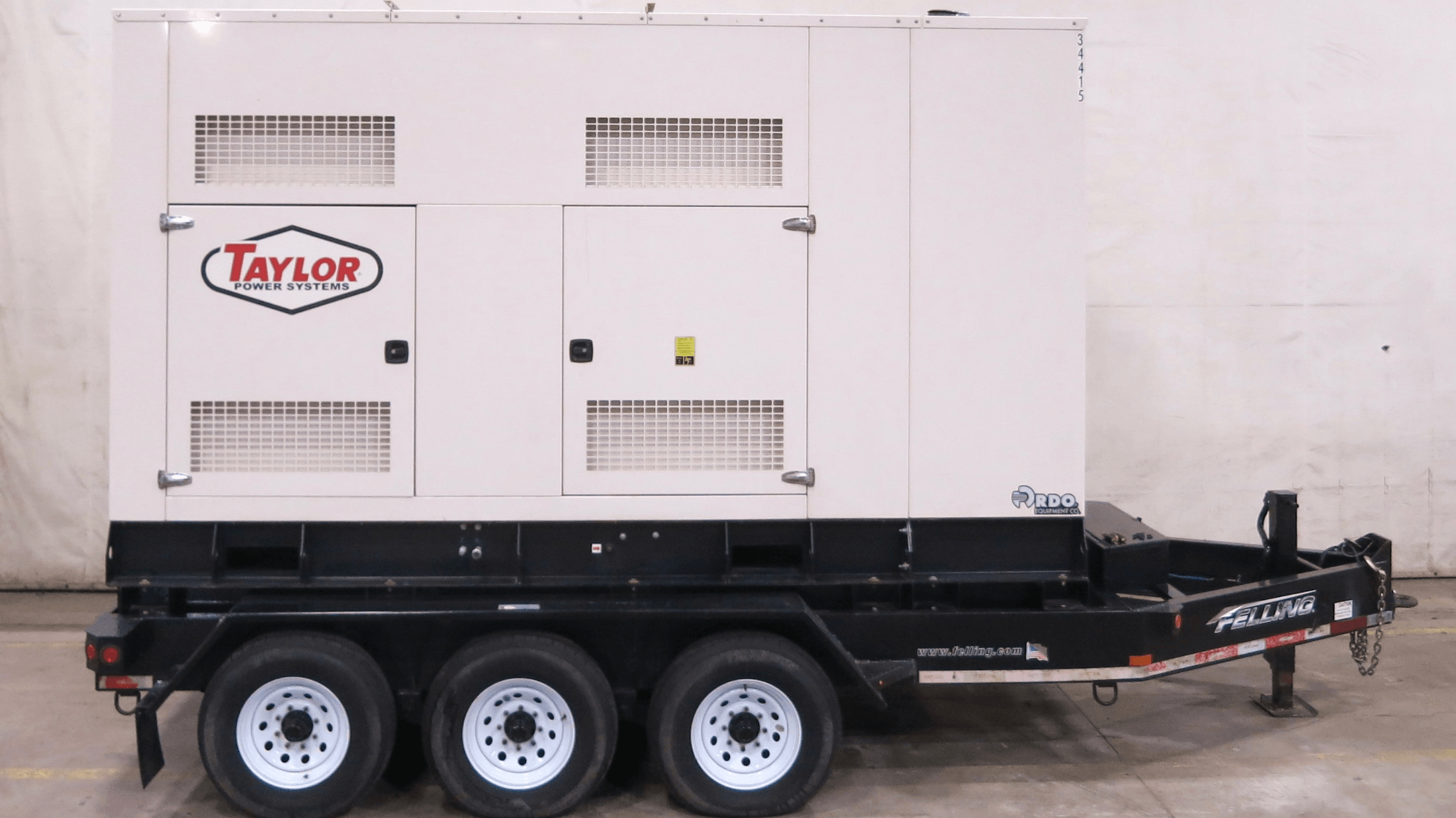
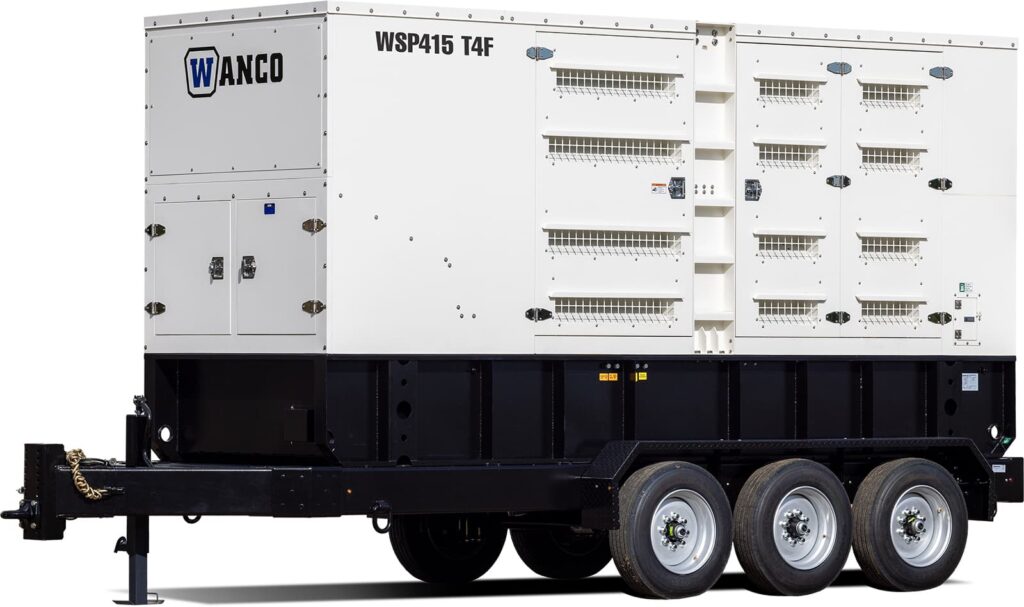
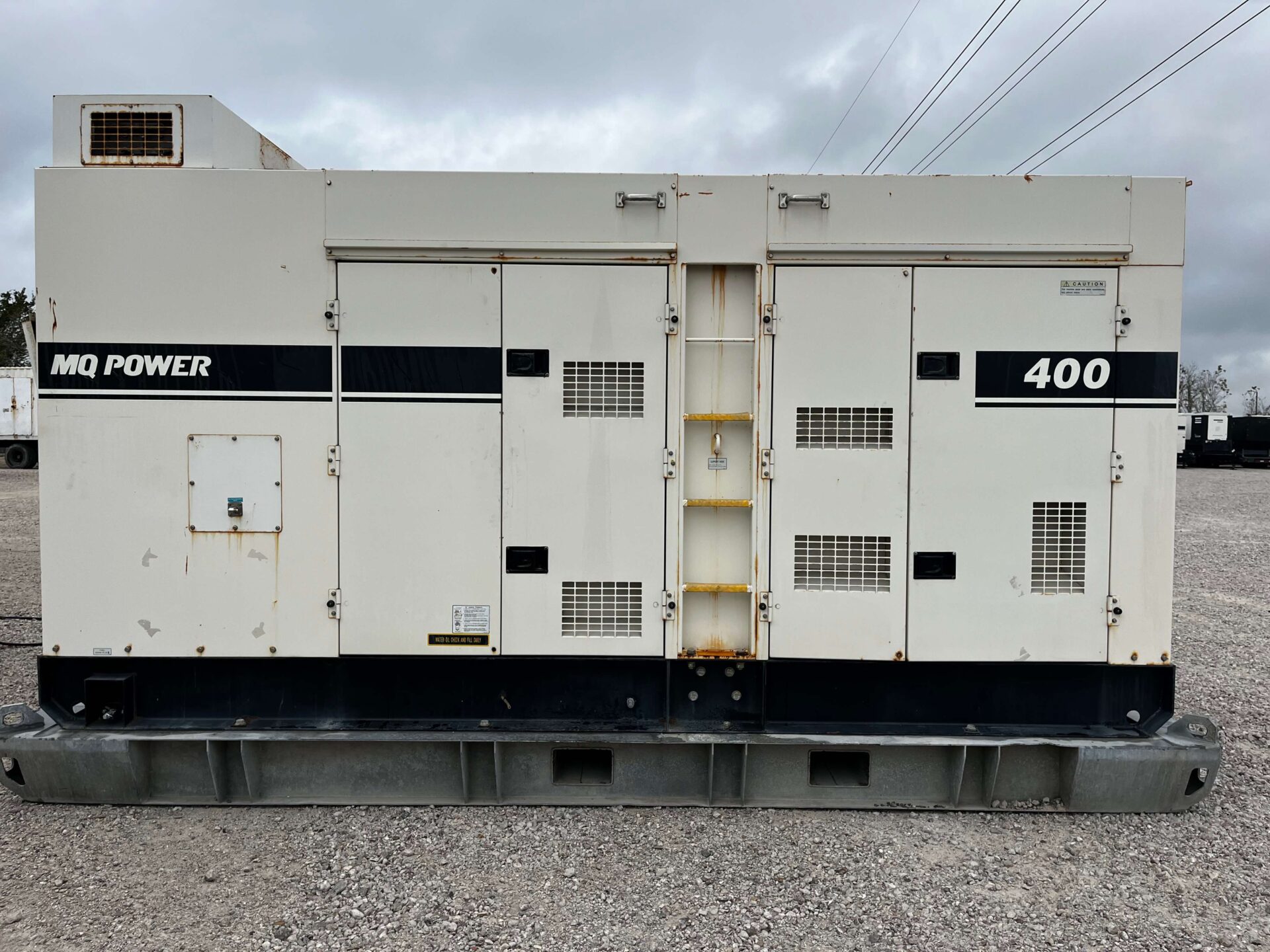
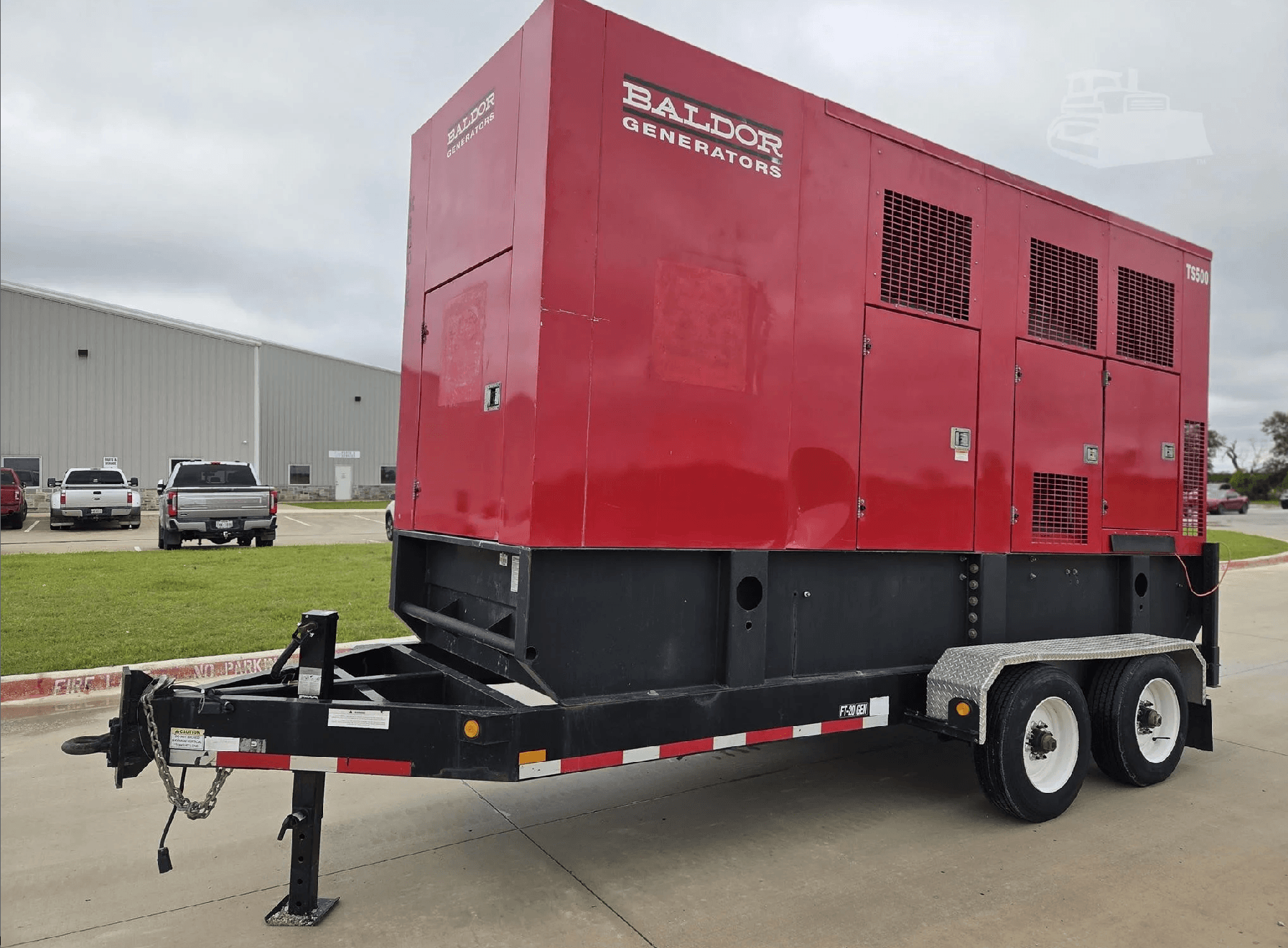
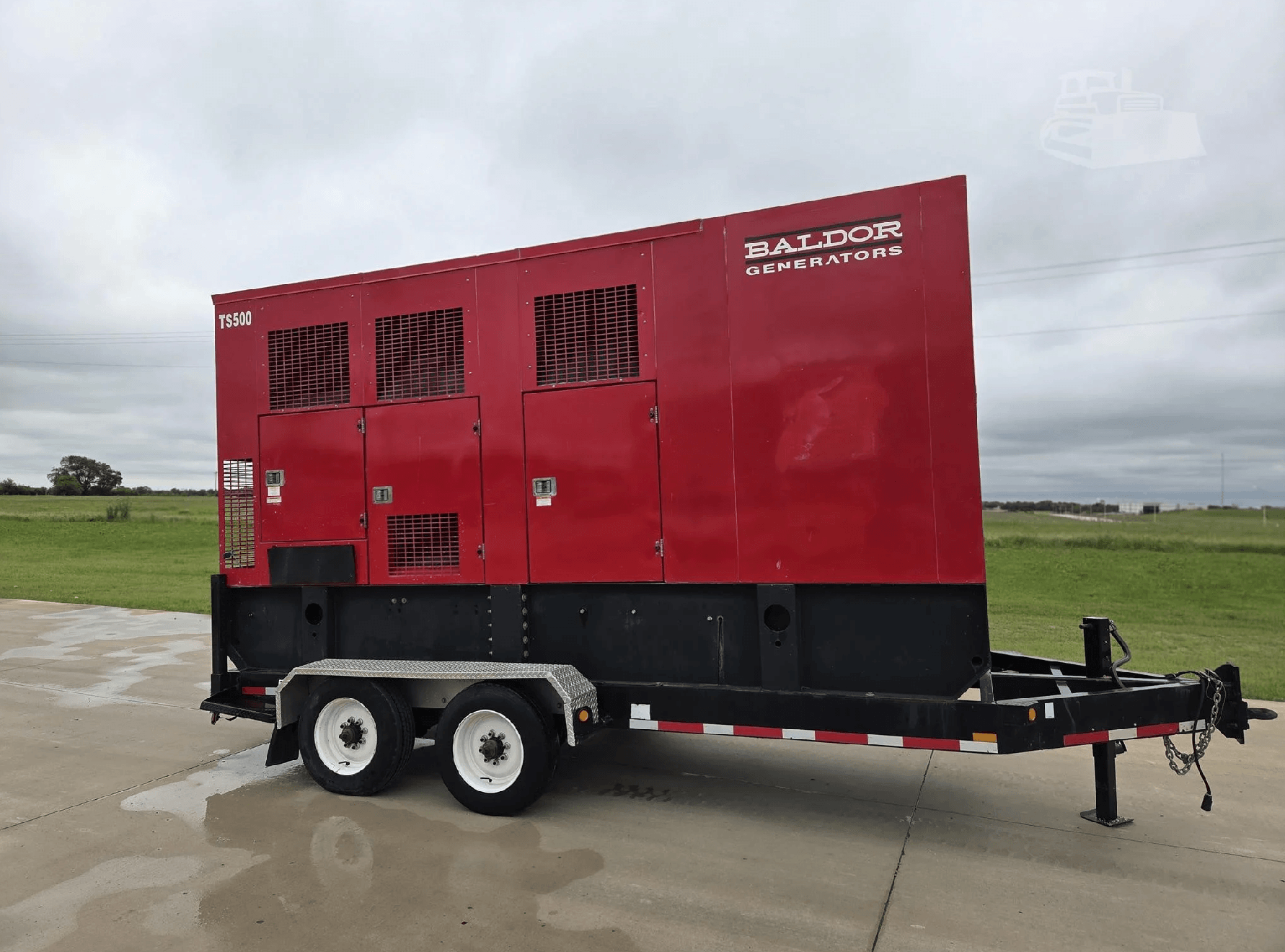
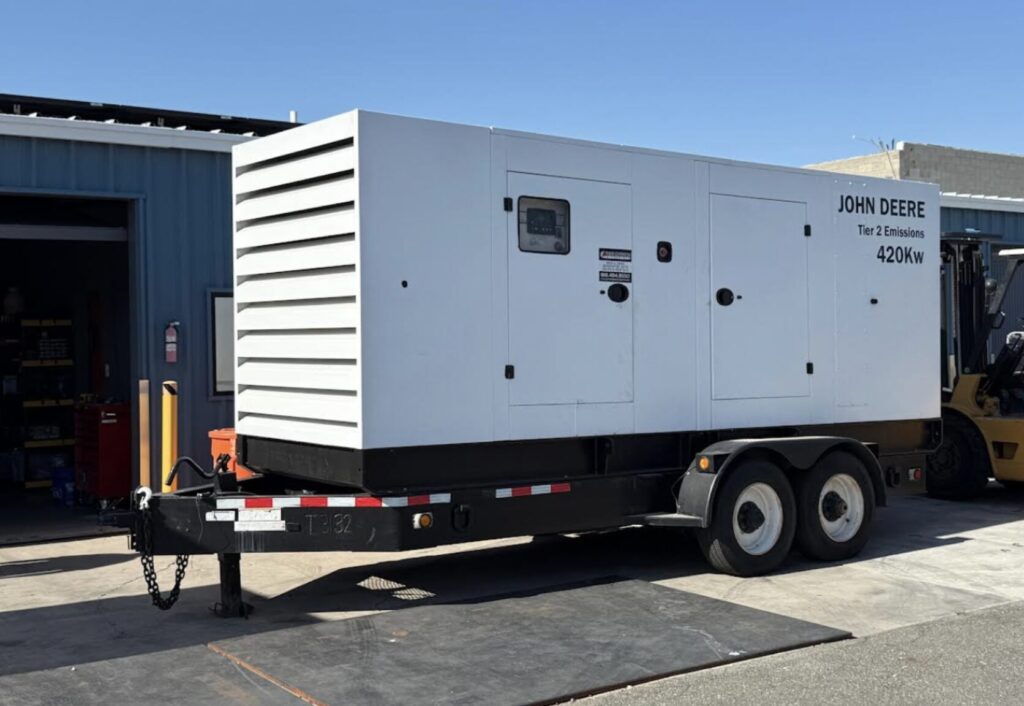
- Built to move. Integral fuel tank, weather enclosure, and towing package. Common in construction, event power, disaster response, and rental fleets. Deploys in hours with no civil work, but carries less fuel, runs louder, and generally tops out around the middle of this range.
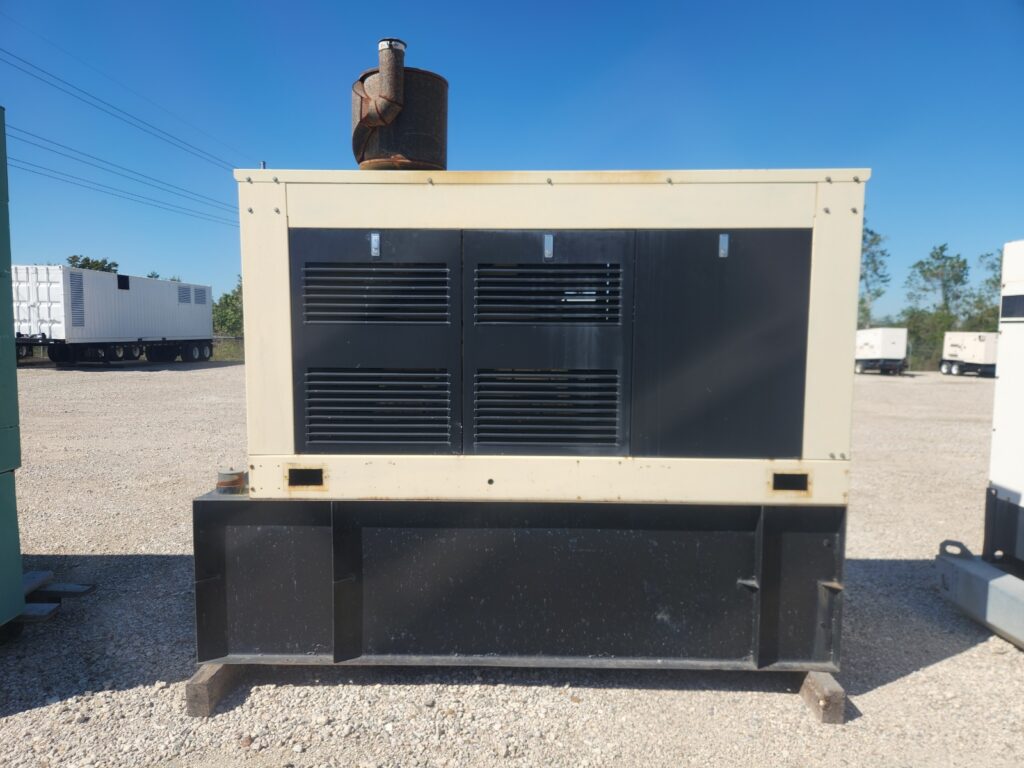
- Skid-mounted
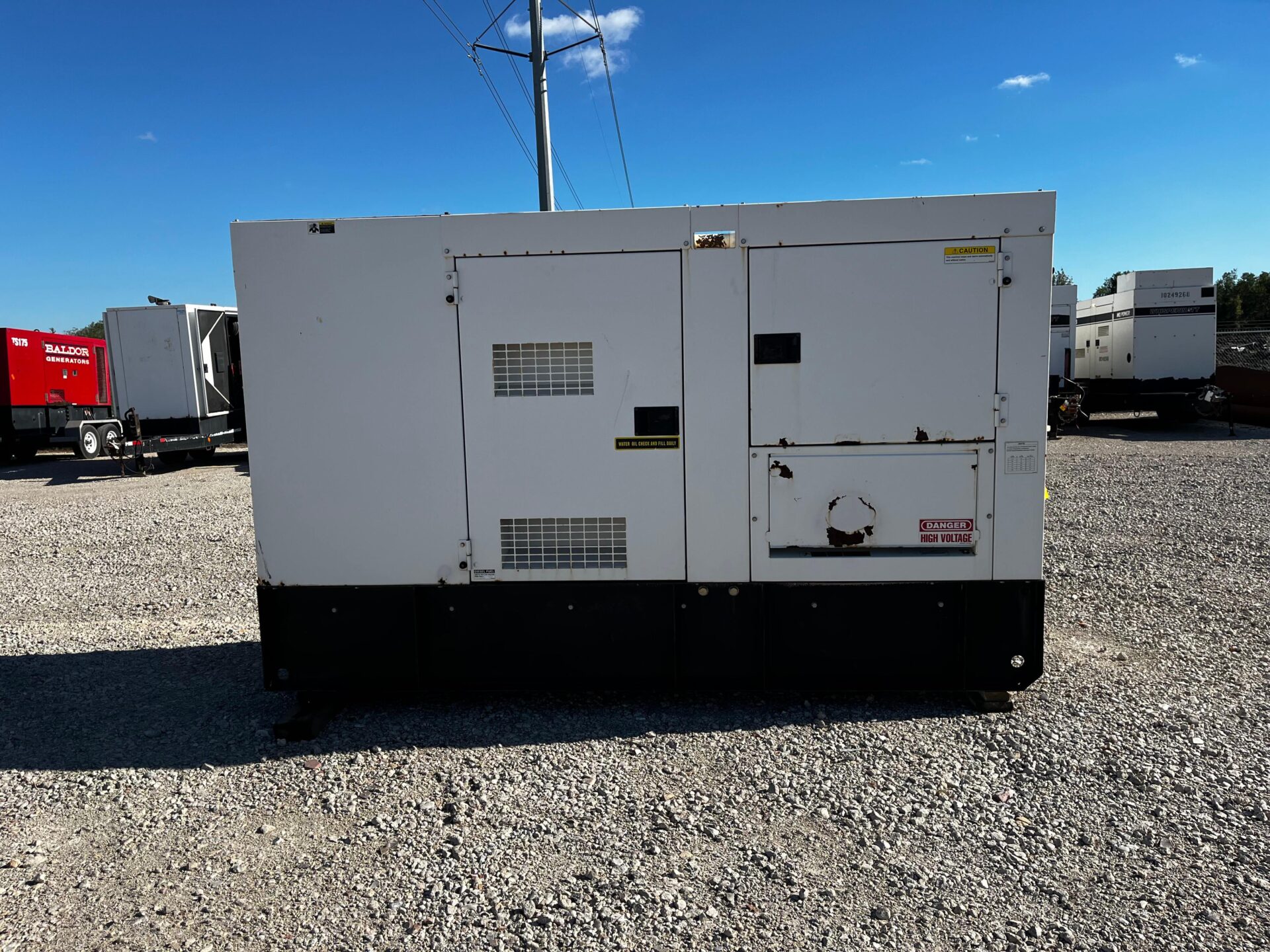
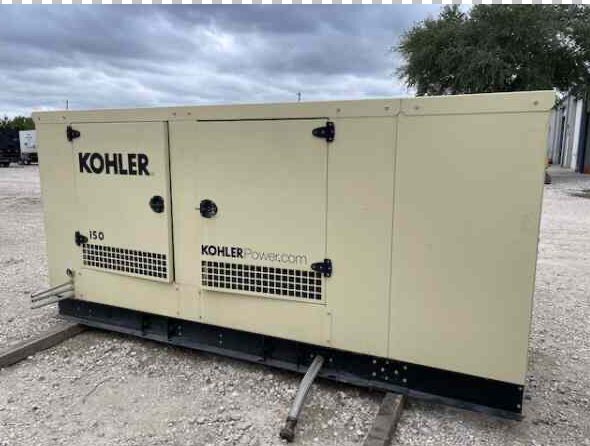
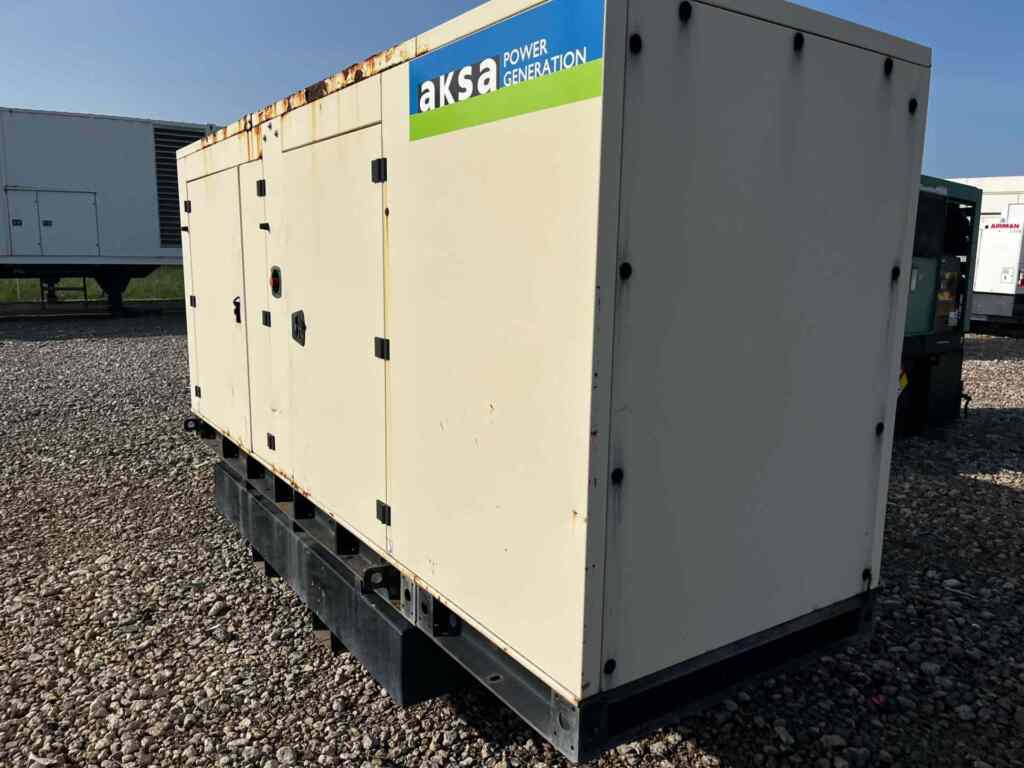
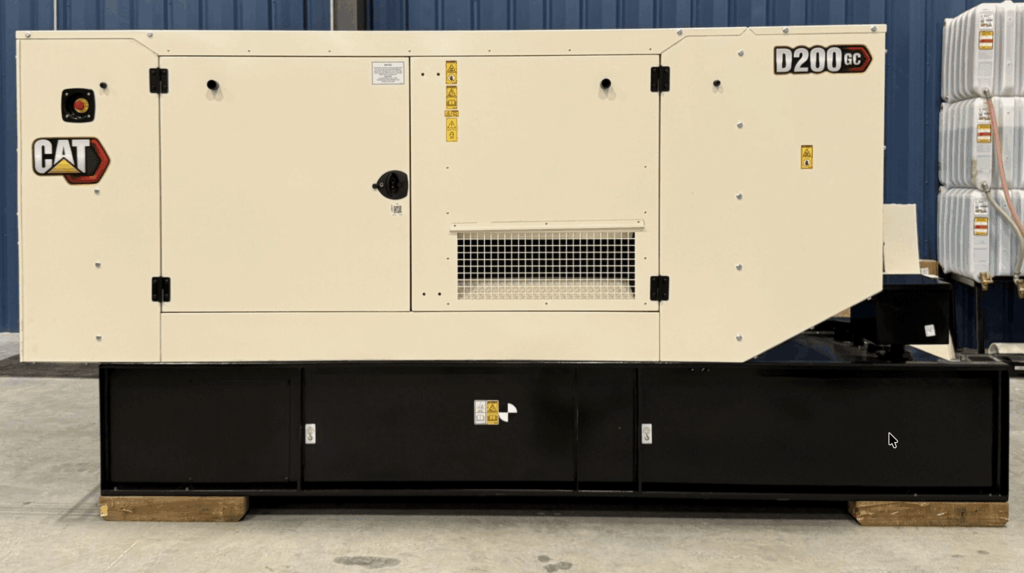
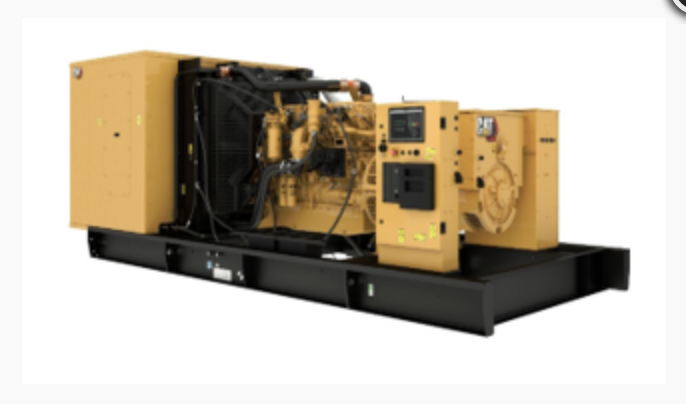
- The flexible middle option. Ships on a skid or base frame, sets on a prepared surface, and can be relocated with a forklift or crane. Suits temporary installations expected to run for months, or facilities that may reconfigure later.
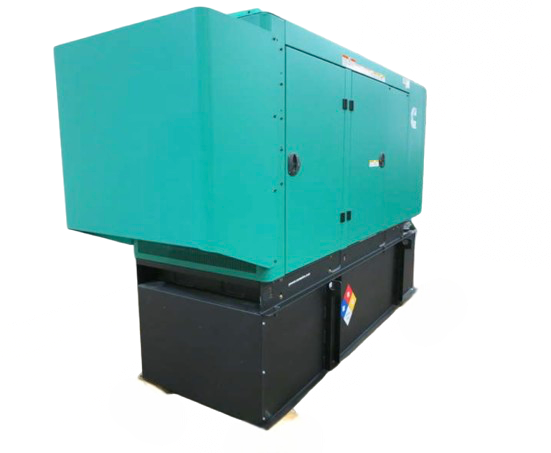
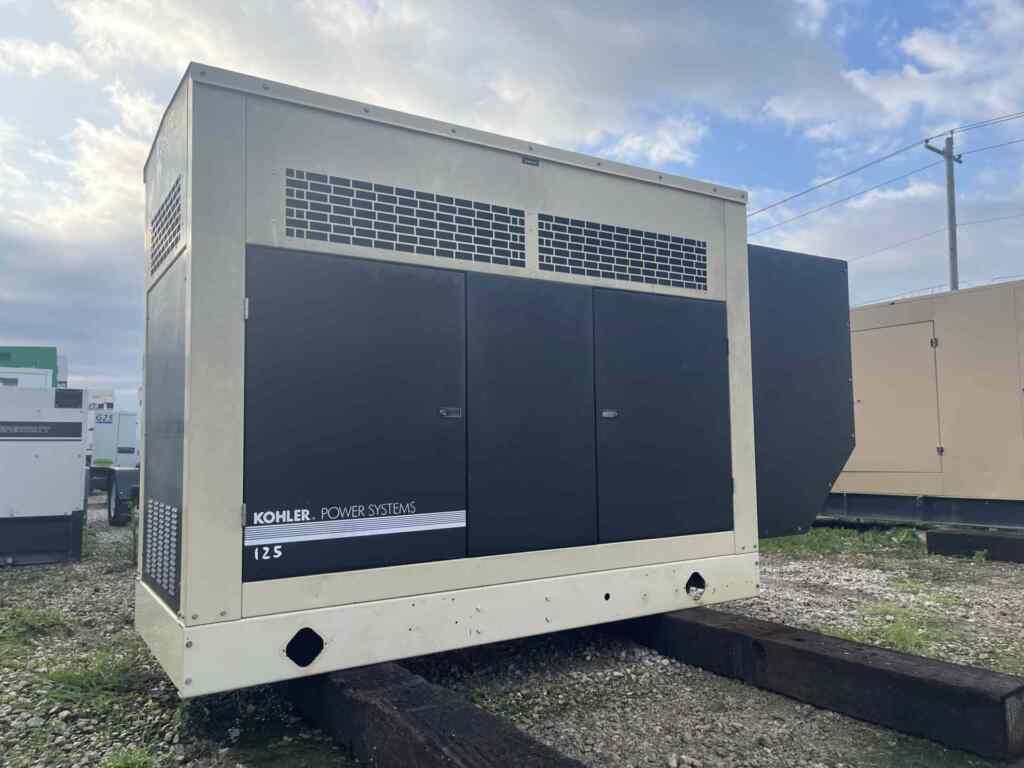
- Stationary standby
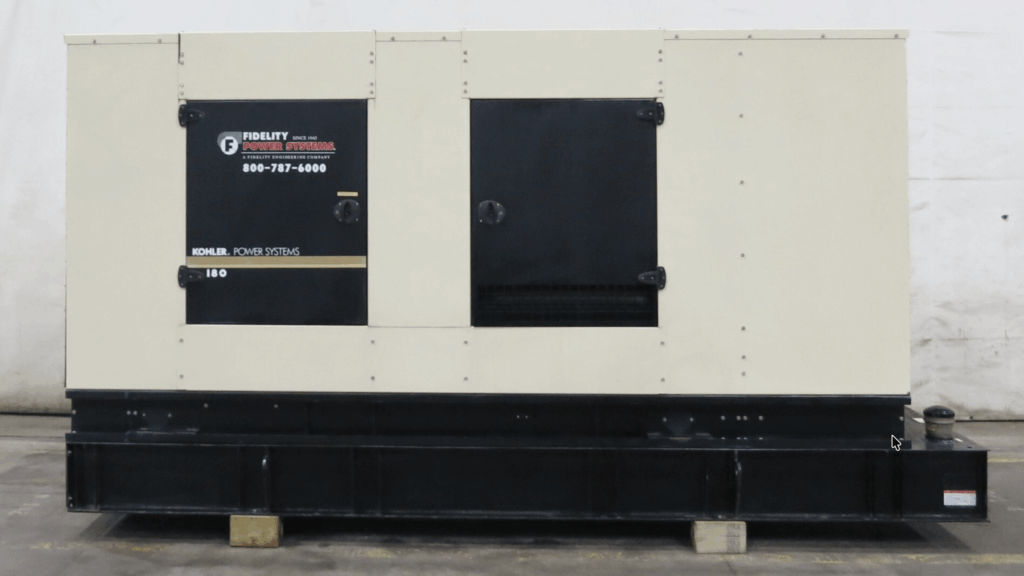
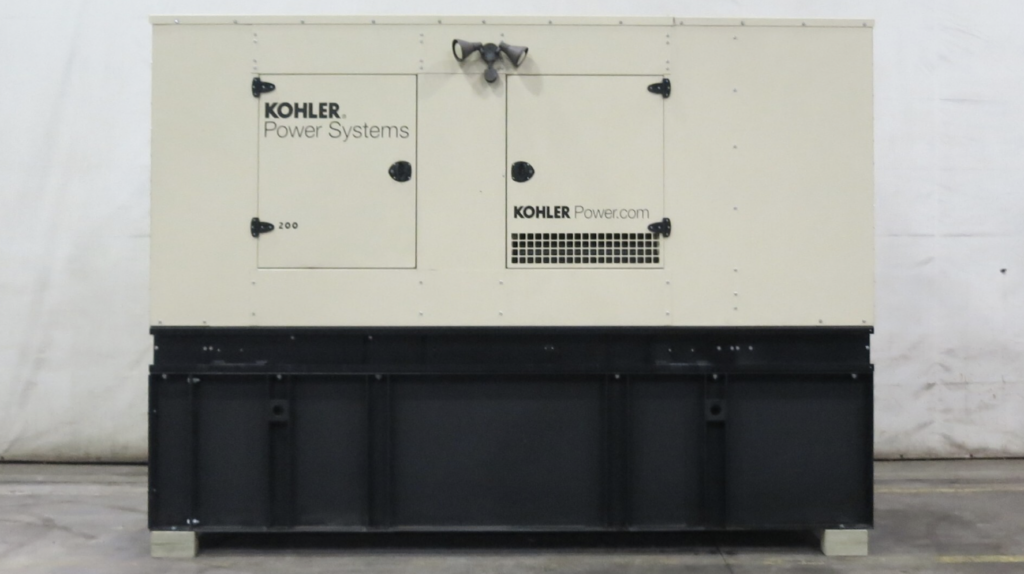
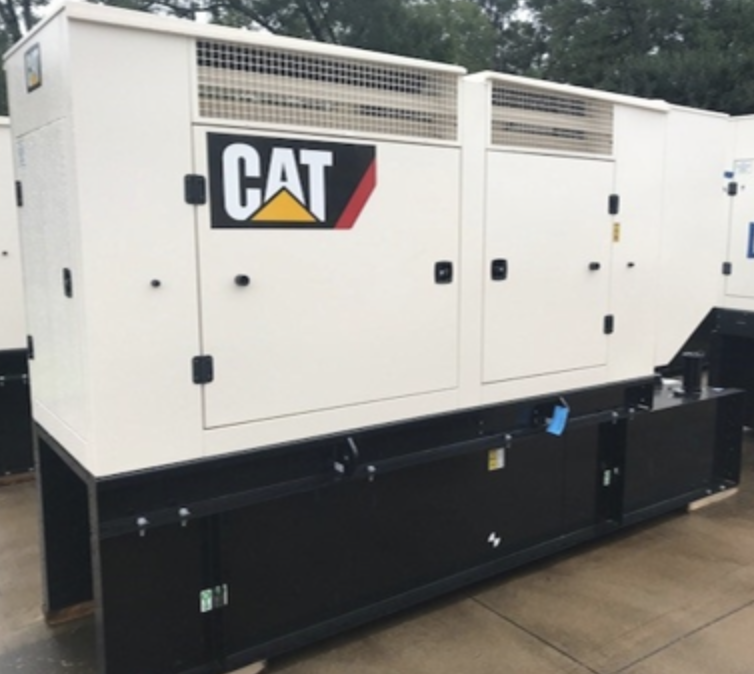
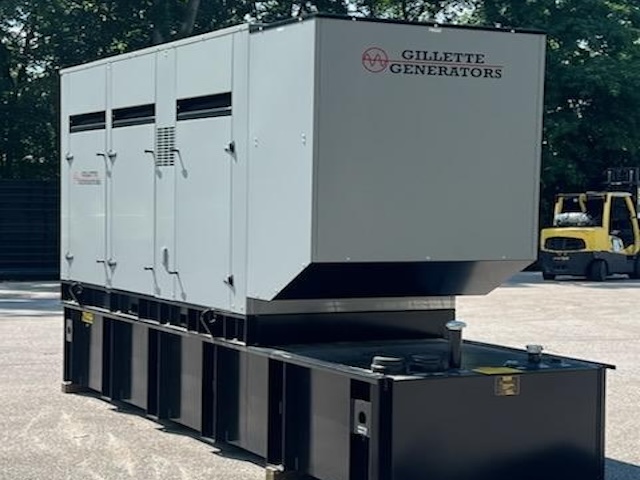
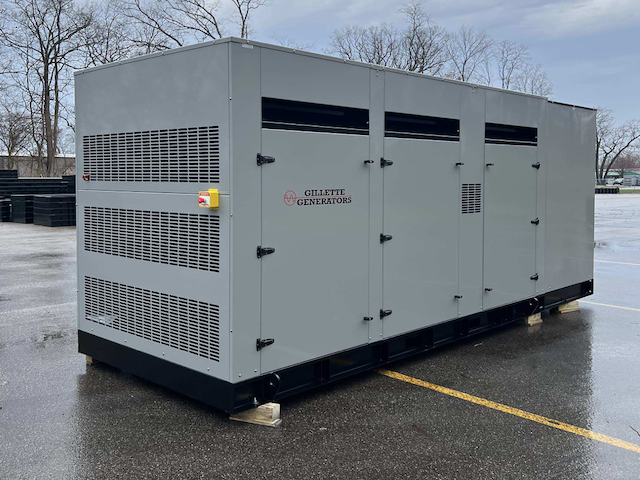
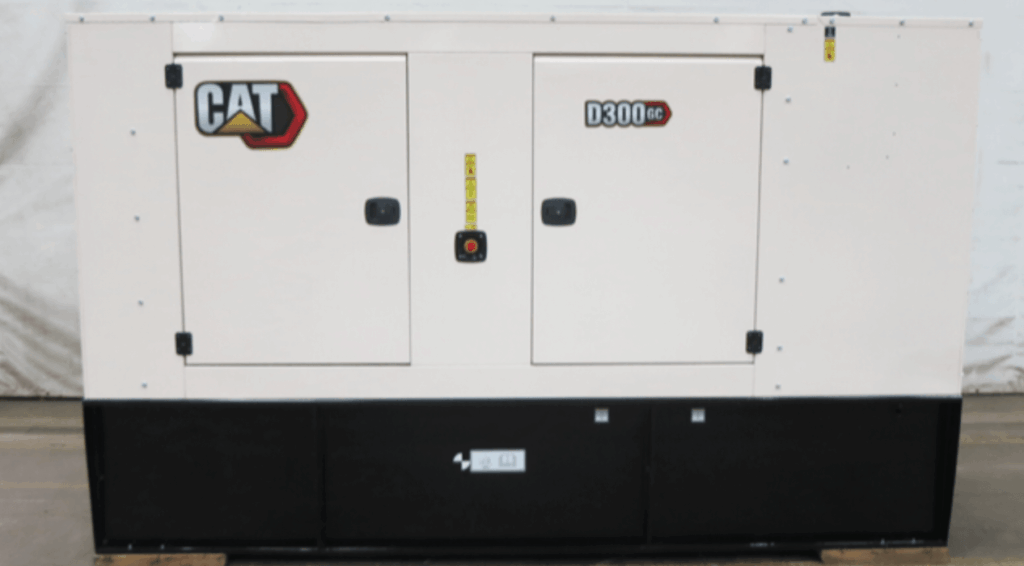
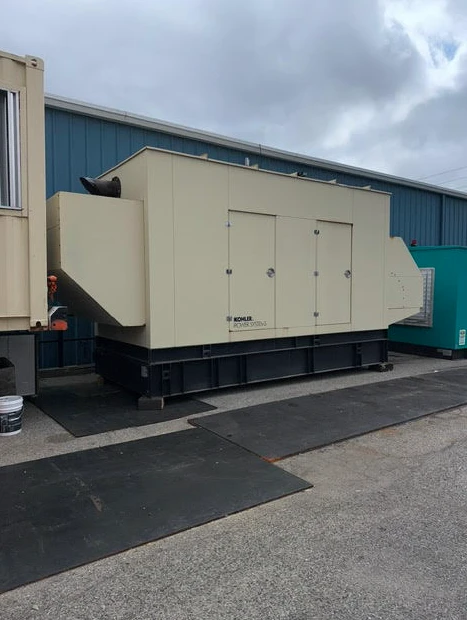
- Permanently installed on an engineered pad with a transfer switch, bulk or day tank fuel, and designed exhaust routing. The right choice for facility backup where the generator will stay put for its service life. Highest installation cost, lowest operating hassle.
If the equipment needs to serve multiple sites, the mounting decision constrains the size decision. Tell us how the unit will be used and we will filter accordingly.
Where Your Load Lands Within the Range
Four hundred kilowatts separates the floor from the ceiling here, so narrowing the band early saves time.
- 100kW – 249kW generators — mid-size commercial standby, larger construction sites, and facilities backing up an essential panel rather than a full building.
- 250kW – 374kW generators — production facilities, distribution hubs, and healthcare buildings with meaningful motor load.
- 375kW – 499kW generators — the top of the band, where installations turn permanent and buyers start comparing against megawatt-class options.
Brand selection is wider here than at any other output.
Kohler generators and
Generac generators are common in stationary standby, while
Baldor generators and
Multiquip generators show up more often on the mobile side. Our
shop by brand page has the full list.
When Renting Beats Buying at This Size
This is the range where the rent-versus-buy question comes up most, because the equipment is portable enough that renting stays practical for extended periods. Duration decides it.
A defined project with an end date favors renting. So does a situation where you need power next week and have no time for a purchase cycle, or where the load profile will change enough that today’s right-sized unit is next quarter’s wrong one. Our rental division,
Stag Power Rentals, covers that work.
Ownership pulls ahead once the equipment gets used consistently. Contractors running a unit across back-to-back projects usually find that a year of rental payments approaches the price of an inspected used machine, and standby buyers reach that conclusion faster still, since a generator protecting a facility earns its value by being available rather than by running. Owning also means the unit is on your site during a regional outage instead of dispatched to someone else’s. Where capital is the constraint rather than the case for buying, our
generator financing options close that gap.
Sizing a Generator in This Band
Begin with a list of everything that runs at once, then split resistive loads from inductive ones. Motors, compressors, chillers, and fire pumps draw several times their running current during startup, and that surge is what most often forces a larger unit than steady-state math suggests.
The second decision is scope. Backing up an essential panel produces a much smaller number than backing up an entire building, and that choice belongs to you and your electrical engineer before anyone calculates kilowatts. Plenty of facilities in this range discover they need half the capacity they assumed once the non-essential loads come off the list.
Altitude and sustained ambient heat both derate output, so site conditions belong in the calculation rather than as an afterthought. Our
power calculators and
amperage chart will get you a working number, and our team runs full load studies at no cost.
Too Much Generator, or Not Enough?
If your calculated load sits below 100 kW, the
25kW – 99kW range covers light-to-mid industrial needs at a fraction of the installed cost, and specific sizes like
75 kW generators handle more than buyers expect. Oversizing is not a safe default. An engine that never approaches its designed load accumulates unburned fuel in the exhaust system, and the maintenance that follows is entirely avoidable.
If demand pushes past 500 kW, move up to
500kW – 999kW generators, where installation requirements and fuel planning change substantially.
What Comes With Every Unit
Every generator we sell clears a 22-point inspection and load bank testing before it ships, so it arrives verified under real load rather than on a spec sheet. We have been buying and selling industrial generators for more than a decade.
Every purchase is backed by our
30-day IronClad warranty, new or used, and our service team handles
preventative maintenance and
generator repair once the unit is on site.
Ready to Buy a 100kW – 499kW Generator?
Tell us the load, the site, and whether the unit needs to move, and we will narrow it down with you. See what is available in our
full inventory of industrial generators, browse by output on the
shop by kW page, or
contact us to talk through your requirements.
Frequently Asked Questions
Can a trailer-mounted unit serve as permanent backup?
It can, and some facilities do exactly that to preserve the option of relocating later. The tradeoffs are smaller onboard fuel capacity, higher noise output, and enclosures built for transport rather than decades of stationary weather exposure. For a generator that will never move, a stationary installation is usually the better long-term value.
Our load study came back at 260 kW. How much headroom should we add?
Enough to cover the largest single motor start plus any equipment you expect to add, which typically lands buyers in the 300 kW to 375 kW area. Blanket percentage margins are less useful than knowing your worst-case starting transient. Share the equipment list and we will work it out.
What has to happen on site before delivery?
For a stationary install: pad, conduit, transfer switch, fuel storage with containment, and exhaust routing. For trailer-mounted: a level surface, clearance for airflow and service access, and a plan for refueling. Permanent installations usually need permits, and that timeline often exceeds the equipment sourcing timeline.
How does a transfer switch factor into the purchase?
It determines how and when the generator picks up load. Automatic switches sense utility failure and start the unit without intervention, which is standard for unattended facilities. Manual switches cost less and suit sites with staff on hand. The switch has to be rated for the generator output, so it belongs in the specification rather than as a later add-on.
Is used equipment a sound choice in this range?
Frequently the soundest one. Standby units in this band often accumulate very few hours over long service lives, and availability beats new production lead times. Engine hours, alternator condition, and control system generation determine value, which is why everything we sell is inspected and load bank tested before shipment. The
IronClad warranty applies either way.