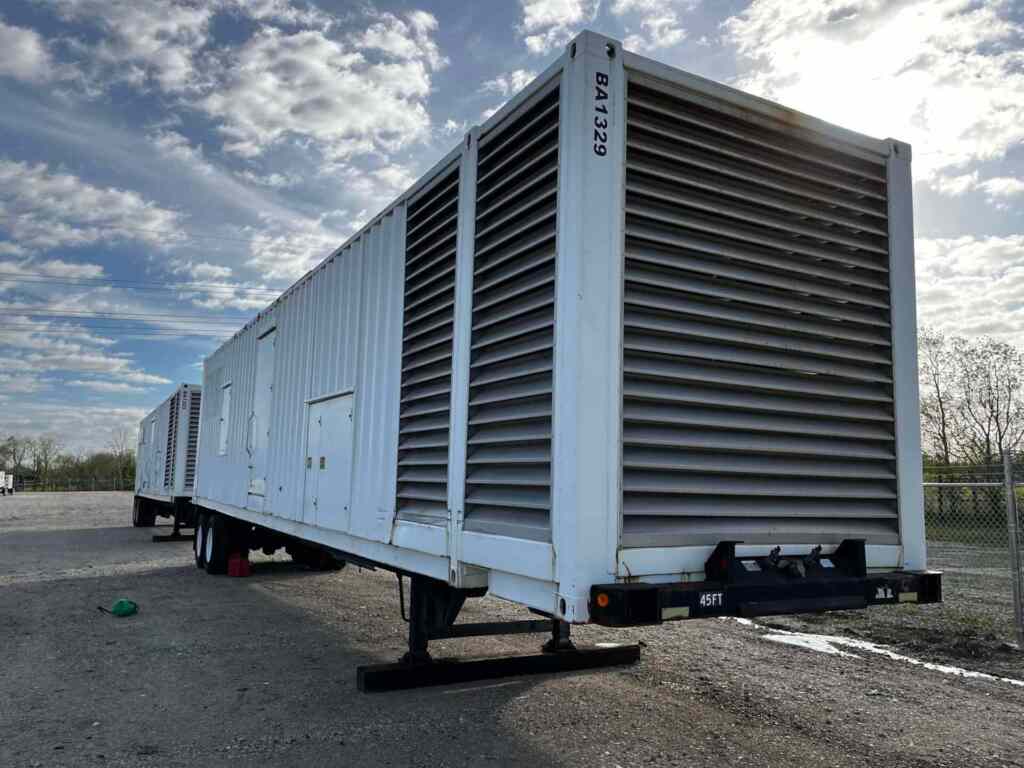
What Can a 2000kW – 2299kW Generator Power?
A 2000kW – 2299kW generator backs entire facilities rather than the critical systems inside them. Heavy manufacturing complexes with substantial rotating equipment, processing facilities and terminals,
oil and gas operations, enterprise data center campuses, and large
hospital systems covering a full campus all specify in this band.
Two megawatts is also where a generator stops being equipment installed at a facility and becomes its own subproject, with dedicated civil work, bulk fuel infrastructure, permitting on its own timeline, and an electrical design that gets reviewed rather than specified. Most buyers here are crossing that threshold for the first time.
2000kW – 2299kW Industrial Generators for Sale: Top Size in This Class
Our
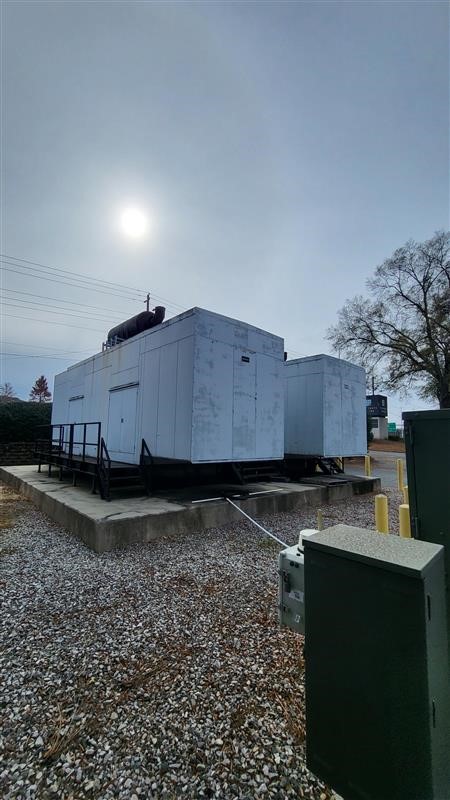
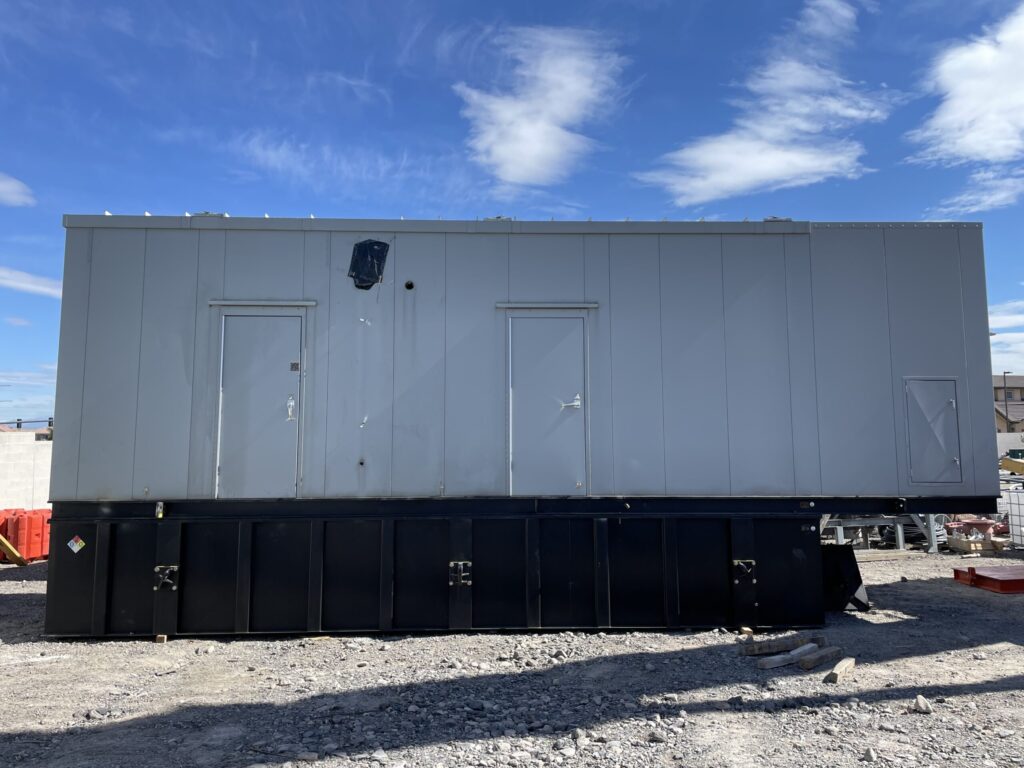
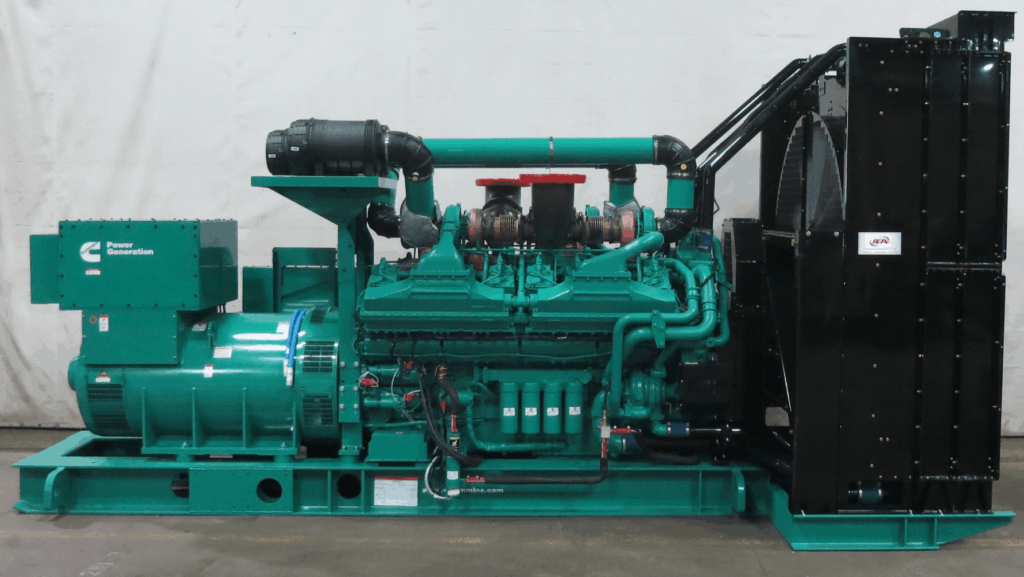
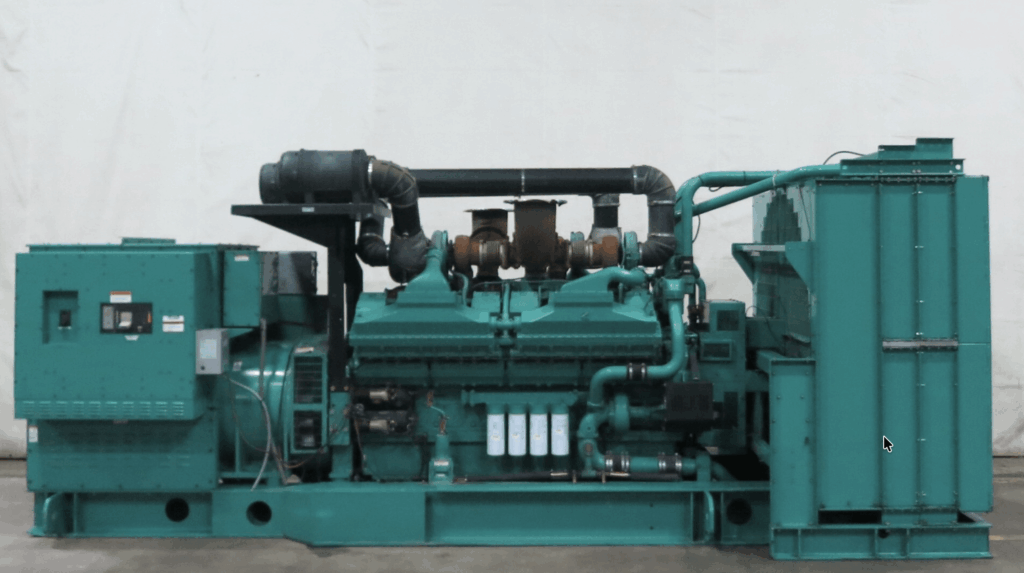
2000 kW generators draw the most inquiries in this range. Buyers come from liquefied natural gas terminals, offshore platforms, grid-support applications, and major industrial developments where two full megawatts of generation is the baseline requirement rather than an upper limit.
Worth confirming before you compare units: the kilowatt figure on a spec sheet depends on the duty rating behind it. A machine published at 2000 kW standby will carry less under prime duty and less still under continuous. If your application involves anything beyond emergency backup, tell us the intended duty first, since it changes which units qualify. The manufacturer list is short at this output, with
Cummins generators and
Caterpillar generators accounting for most of the market and the balance shown on our
shop by brand page.
Planning the Installation Before You Pick the Unit
At this output, equipment sourcing is rarely what delays a project. The site work is. Buyers who start the civil and electrical design in parallel with the equipment search consistently commission faster than those who buy first and plan second.
- Load study and duty rating. Settle both before shopping. Standby, prime, and continuous produce different kilowatt requirements from the same facility.
- Pad and structural design. Engineered for the weight and the vibration, with access for the crane that will set it and the service truck that will maintain it.
- Fuel system. Bulk storage rather than a day tank, with containment, permits, and a refueling plan that survives a regional outage.
- Electrical integration. Transfer equipment or paralleling switchgear rated for the output, plus the controls to tie into your building systems.
- Exhaust, intake, and acoustics. Designed rather than selected. Airflow volume at this size is substantial, and noise ordinances apply to permanent installations.
- Permitting. Frequently the longest single item, and the one most often underestimated.
We can walk your site conditions before you commit to a unit, which usually costs nothing and saves weeks.
When a Rental Bridges the Gap
Because the site work runs long at this scale, timing gaps are common. A permanent unit fails before its replacement can be commissioned, a turnaround needs temporary generation, or a permit review stretches past the date the facility needed protection. Our rental division,
Stag Power Rentals, covers those windows.
That is a bridge, not a strategy. Once the pad, fuel system, and switchgear are built, the economics point firmly toward owning the machine that sits on them, since standby duty means the generator earns its value by being available rather than by running hours. If the holdup is a capital cycle rather than the decision itself, our
generator financing options let the purchase proceed alongside the site work instead of after it.
Getting the Size Right
The fundamentals do not change with output. Catalog every load that runs at once, separate resistive from inductive, and account for the inrush that large motors and compressors draw at startup. Three factors carry the most weight at this scale.
Single-step load acceptance often governs the specification. A facility that must pick up a large block of load in one step faces a tighter constraint than steady-state demand alone, and meeting it can push a project up an entire band. Derating comes next, because elevation and sustained ambient heat reduce available output, and a modest percentage at 2,100 kW is real capacity you will not have when you need it. Redundancy strategy decides the rest, since one unit carrying the full load is a different specification from two units sharing it.
Our
power calculators will get you a working figure, and our team runs full load studies at no charge.
Is Two

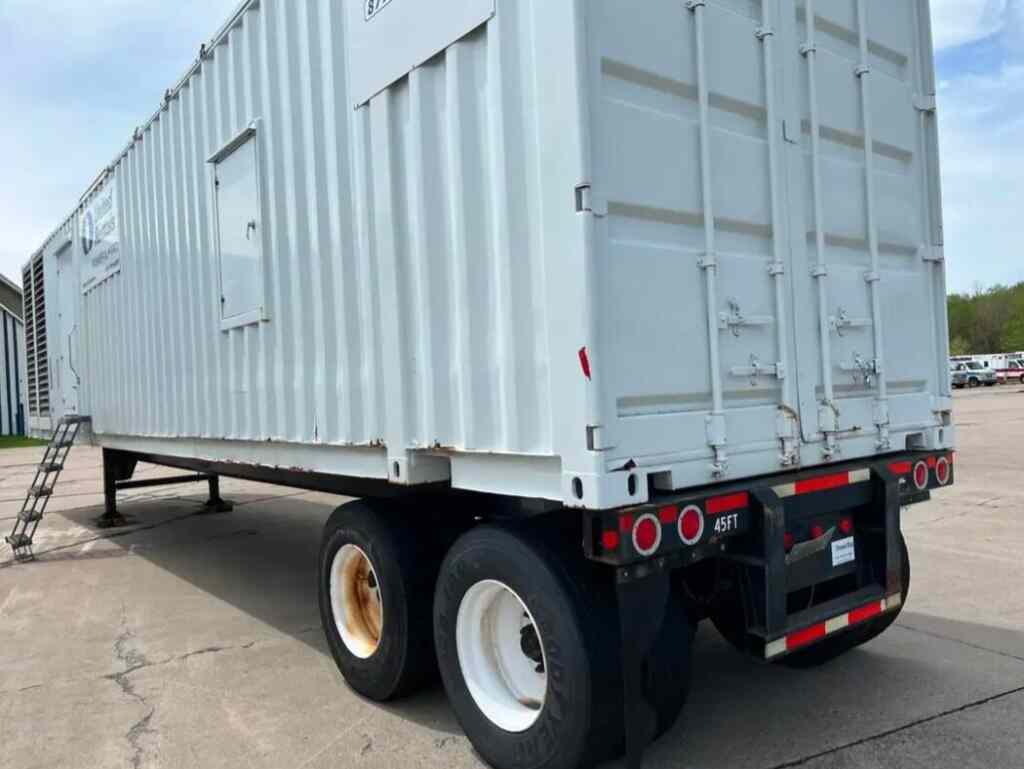

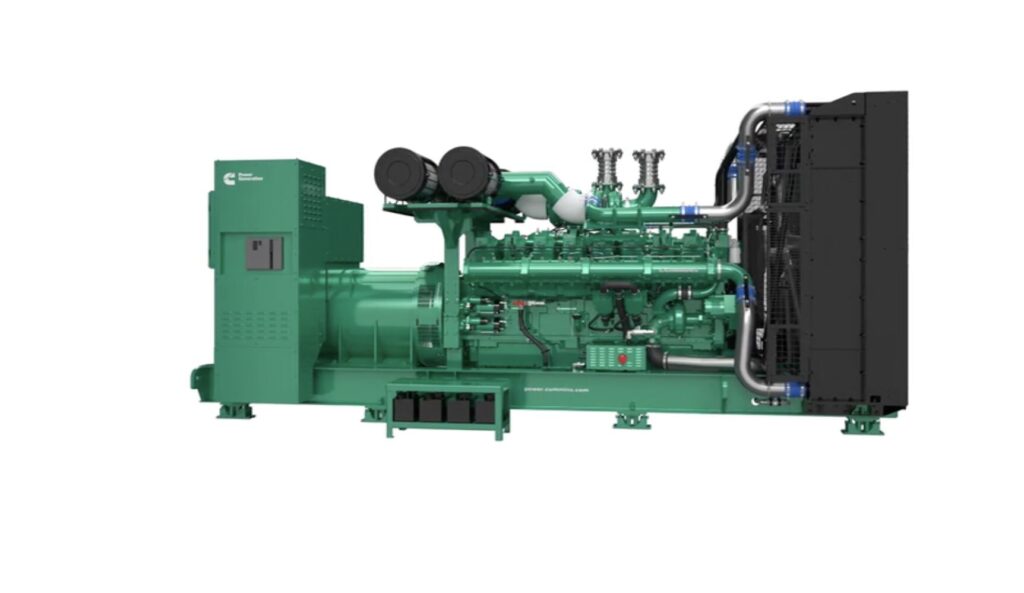 New - 0 Hours2,000 kW
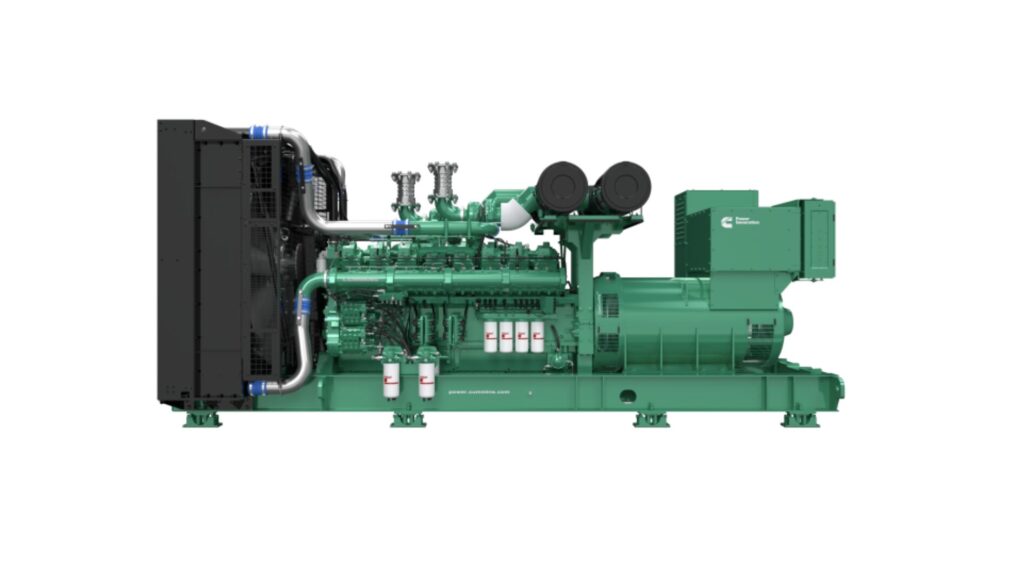 New - 0 Hours2,000 kW