What Can a 1500kW – 1699kW Generator Power?
A 1500kW – 1699kW generator serves facilities with substantial connected load, meaningful motor content, and an uptime requirement backed by something more binding than preference.
- Large manufacturing and processing. Compressed air systems, chilled water plants, and production equipment that must restart in sequence after an outage.
- Healthcare campuses. Hospital installations backing more than the code-minimum essential system, often as one unit in a redundant arrangement rather than alone.
- Data centers. Enterprise and colocation facilities, typically paralleled for the redundancy their service commitments require.
- Municipal infrastructure. Water and wastewater treatment where required runtime comes from a permit rather than a business case.
- Cold storage and food processing. Refrigeration load that cycles, meaning the starting surge repeats rather than occurring once.
1500kW – 1699kW Generators for Sale: Most Common Size in This Range
Our
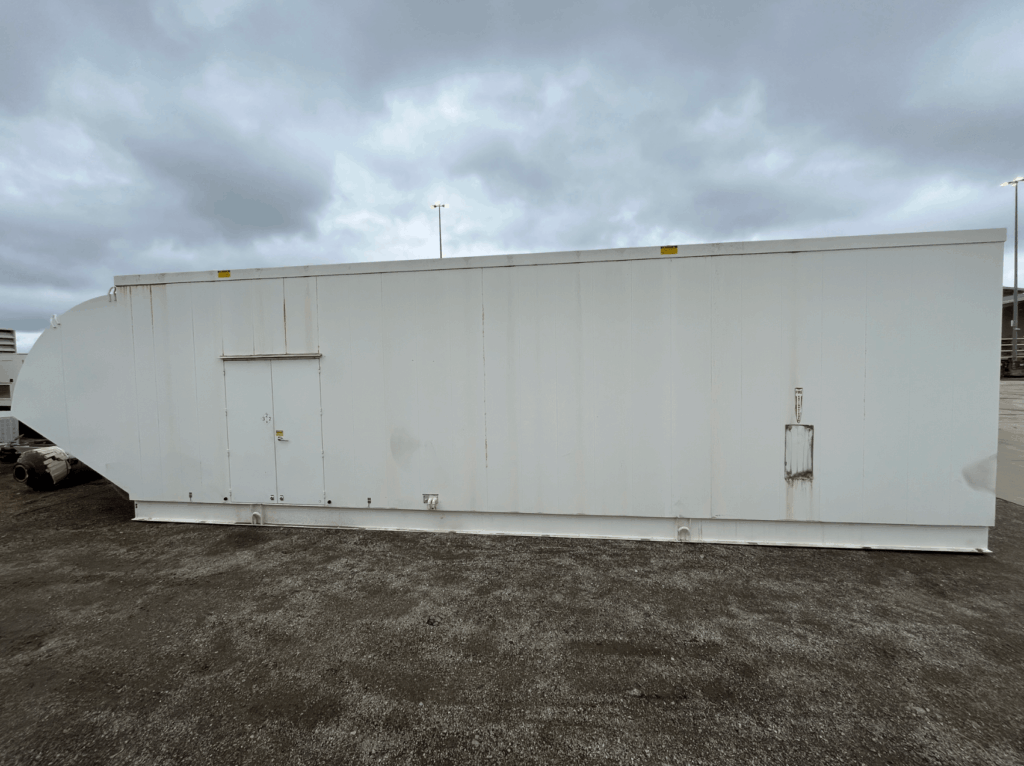
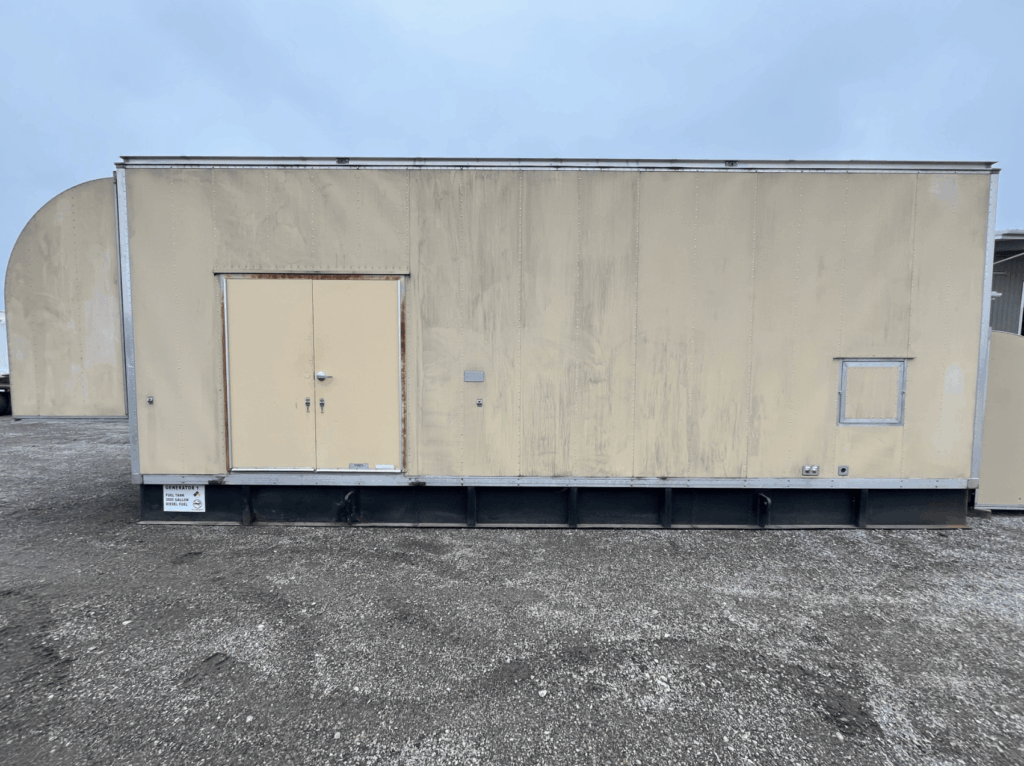
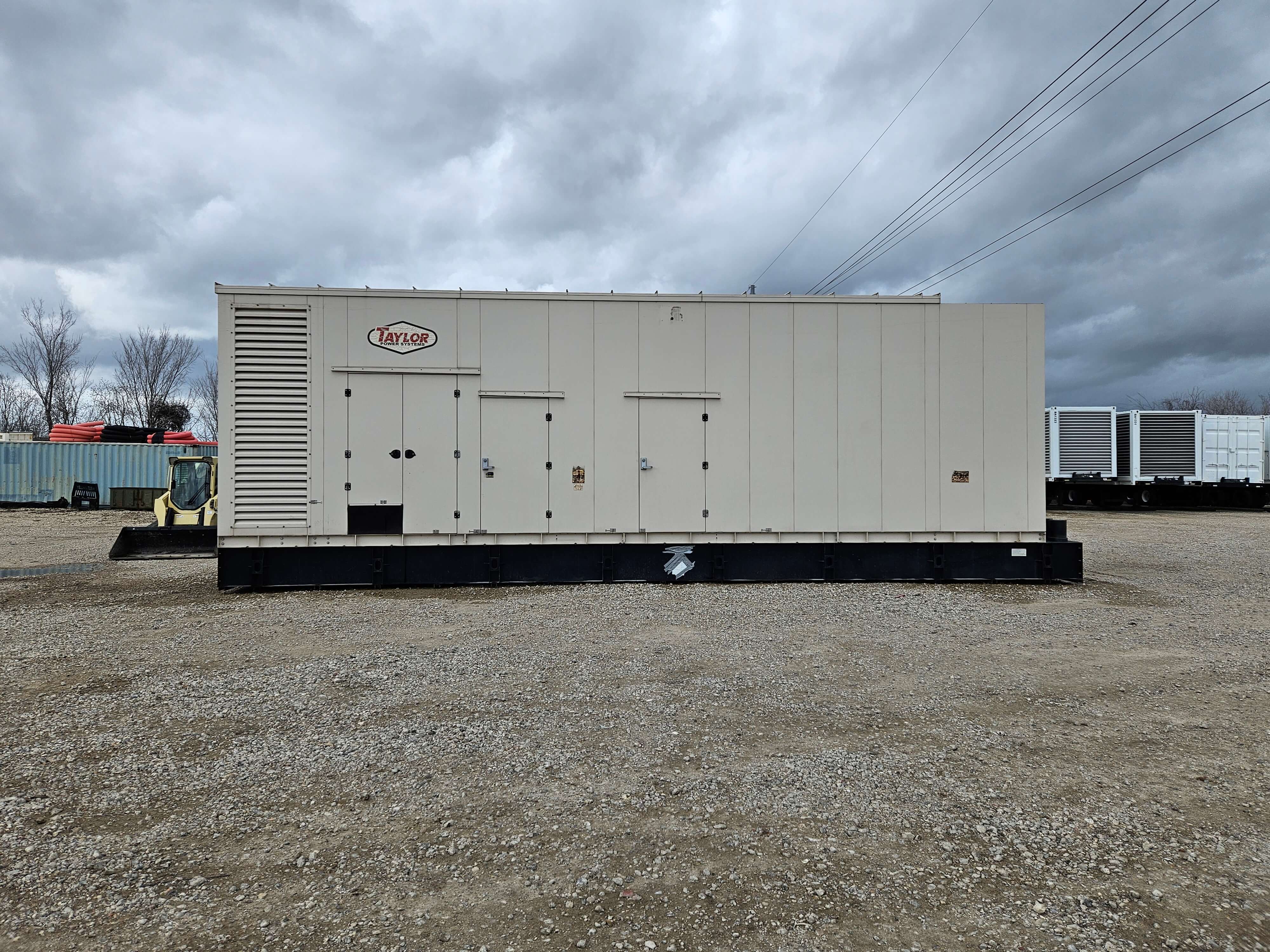
1500 kW generators lead demand in this class, drawing interest from petrochemical plants, utility substations, stadium and arena facilities, and major industrial campuses where multi-megawatt output is a firm operational requirement.
Venue applications deserve a note. A stadium backing its full connected load needs considerably more capacity than one backing egress lighting, life safety systems, and point of sale. Deciding that scope before sizing changes the answer substantially, and it is worth settling with your electrical engineer first.
The Advantage of Buying an Anchor Rating
Certain generator ratings become reference points, and 1500 kW is one of them. It appears often enough in manufacturer catalogs, standby installations, and the used market that specifications get written around it rather than around a calculated load.
That availability is worth something real. Parts, technicians, and comparable replacement units are all easier to source at a common rating than at an unusual one, and for a machine expected to run for decades that matters more than most buyers anticipate at purchase.
Caterpillar generators,
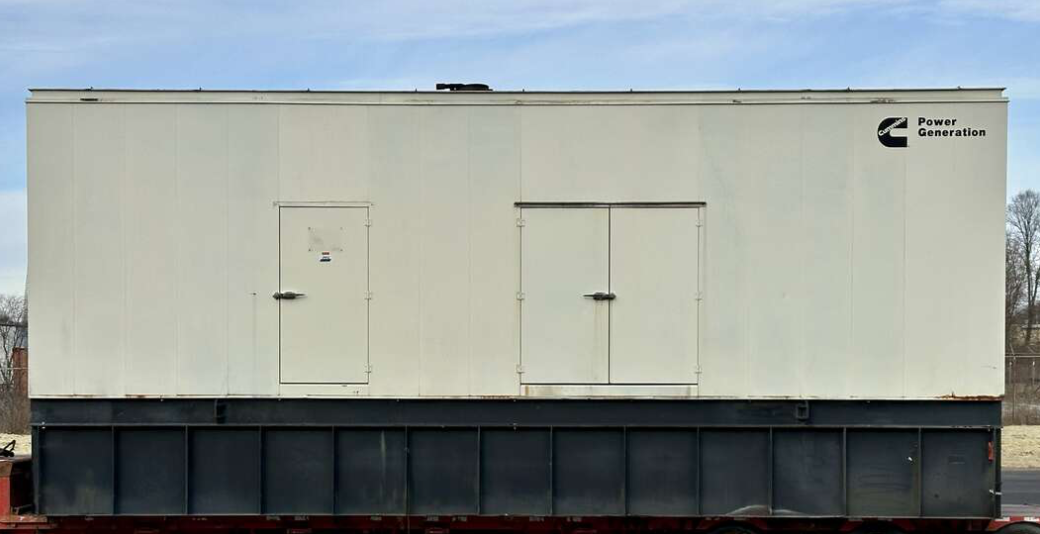
Cummins generators, and
Olympian generators all show up regularly at this output, and our
shop by brand page has the rest.
The caution is that convenience and accuracy are different things. Plenty of facilities land on 1500 kW because it was the number in the room rather than the number the load study produced, and inheriting a rating from a template is not the same as sizing to a facility.
Sizing a Generator in This Range
Start where every study starts: catalog every load running at the same time, separate resistive from inductive, and account for the inrush that large motors draw at startup. Three variables carry the most weight here.
Motor starting frequently governs the outcome. A single across-the-line start on a large chiller or fire pump can demand several times its running current, and that transient often sets the generator size regardless of steady-state demand. Sequencing large starts, or fitting soft starters and variable frequency drives, reduces the requirement enough to change which band you shop in.
Derating comes second. Elevation and sustained ambient heat both cut available output, and at this scale the loss is real capacity rather than a rounding error. Redundancy strategy settles the rest, since one unit carrying the full facility load is a different specification from two units sharing it, and uptime obligations usually decide which approach applies before cost enters the conversation.
Our
power calculators will get you a working estimate, and our team runs full load studies at no charge.
Is 1500 kW Your Number, or Just a Familiar One?
If your calculated demand sits below 1,500 kW,
1000kW – 1499kW generators will cost less to buy and install while running at a healthier load factor. An engine held well below its designed load accumulates unburned fuel in the exhaust system, and that maintenance is entirely avoidable.
If motor starting or derating pushes your requirement past 1,700 kW, step up to
1700kW – 1899kW generators. To see the full span below two megawatts in one place, the
1500kW – 1999kW category covers it.
Renting Versus Owning at This Output
Rentals earn their place on a clock. Turnarounds, temporary generation during a rebuild, a venue event that exceeds normal demand, or emergency coverage after a failure are all situations where a rental beats tying up capital. Our rental division,
Stag Power Rentals, handles work in that category.
Permanent standby is where ownership wins outright. A generator installed to protect a facility runs a small number of hours a year and stands ready the rest, and rental economics do not hold up against that over a service life measured in decades. The pad, switchgear, and fuel infrastructure get built either way, which makes the machine the smaller share of the total. Where the barrier is a capital cycle rather than the case for buying, our
generator financing options keep the project on schedule.
Why Buy From Turnkey Industries
Every generator we sell passes a 22-point inspection and
load bank testing before it ships, so its performance under applied load is verified rather than assumed. We have supplied industrial power equipment for more than a decade.
Every purchase carries our
30-day IronClad warranty, new or used, and our service team handles scheduled testing,
preventative maintenance, and repairs once the unit is commissioned.
Ready to Buy a 1500kW – 1699kW Generator?
Bring us the load study, or the equipment list if you have not run one yet, and we will confirm whether the anchor rating fits or whether your facility needs something else. Browse the
full inventory of industrial generators, review the sectors we support on our
industries served page, or
contact us to discuss your requirements.
Frequently Asked Questions
Why does 1500 kW show up in so many specifications?
Because it is a common manufacturer rating, which makes units, parts, and qualified technicians easier to find than at unusual sizes. That availability is a legitimate advantage over a long service life. It is not a substitute for a load study, though, and buyers should confirm the number fits their facility rather than inheriting it from a template.
Should a stadium or arena be sized to full load or essential systems?
That depends on what the venue commits to keeping running during an outage. Egress lighting, life safety, and point of sale represent a fraction of full connected load. Backing the entire facility, including HVAC and broadcast systems, requires considerably more capacity. Settle the scope before sizing.
How does refrigeration load affect the calculation?
Refrigeration cycles, so the starting surge repeats rather than happening once at startup. Compressors that restart on their own schedule create recurring transients the generator must absorb without disrupting other connected equipment. Cold storage facilities often need more headroom than their steady-state numbers suggest.
What paperwork should we expect on a used unit at this output?
Engine hours, maintenance records where available, inspection results, and load bank test data showing performance under applied load. That last item matters most, since it demonstrates what the machine delivers rather than what the nameplate claims. We provide it on every unit.
How far ahead should we start planning the installation?
Earlier than most buyers do. Pad engineering, fuel infrastructure, switchgear, exhaust design, and permitting routinely outrun the equipment timeline, particularly when an inspected unit is available from inventory. Running the site design in parallel with the equipment search is the most reliable way to compress the schedule.