Industrial Generators For Sale

Diesel Generator Service & Maintenance Plans Schedule Preventative Maintenance

Inspection Frequency Depends on Generator Run-Time/Use

How Often Should Industrial Generators Receive Preventive Maintenance?

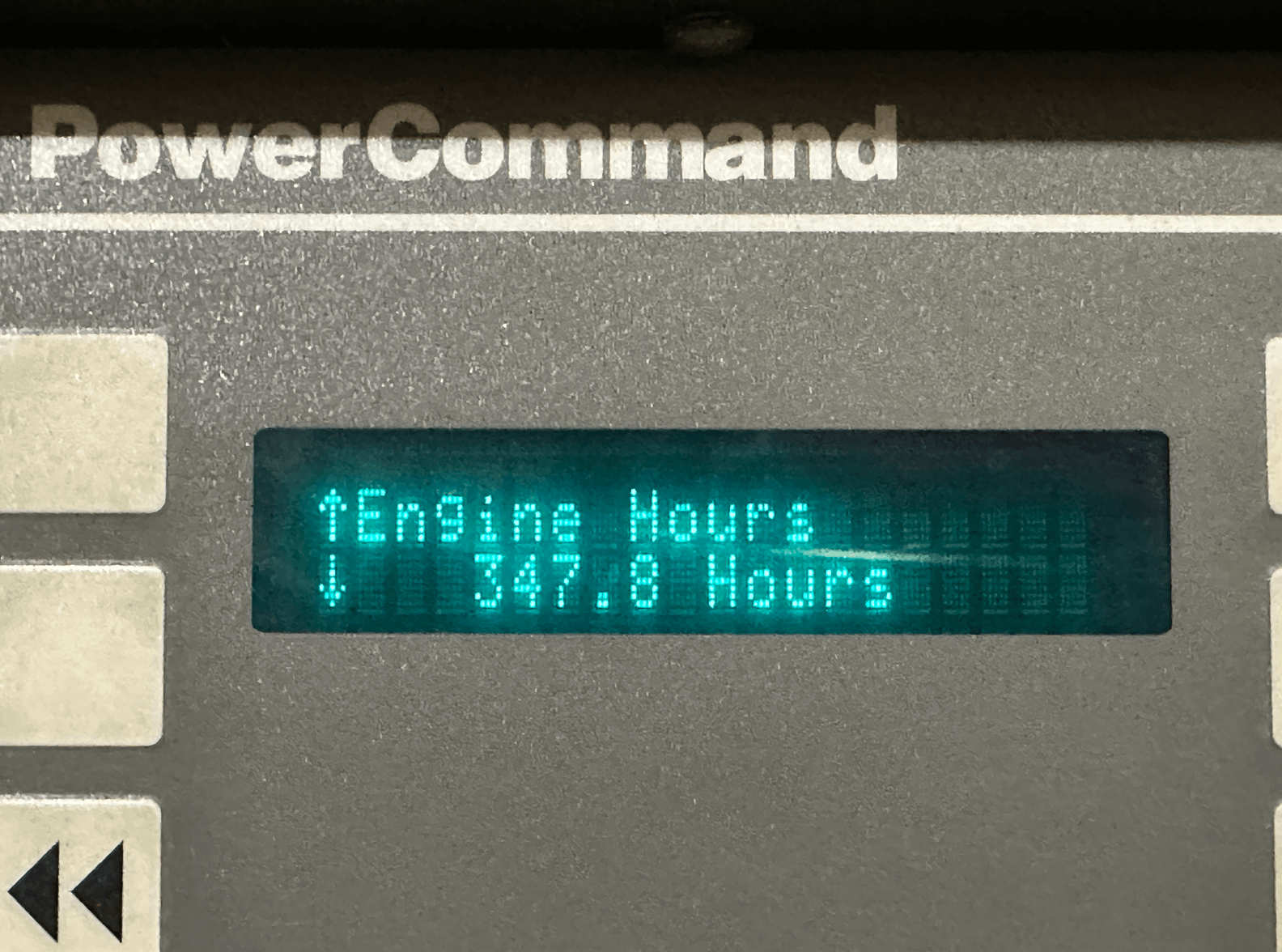
Maintenance recommendations for industrial generators are typically based on operating hours, with standard service intervals at 250, 500, and 1,000 hours. These benchmarks provide a general guideline for when to inspect and service critical systems such as fuel, oil, air, cooling, and batteries.

Prime & Heavy Use Generators

Frequent inspections and service based on high runtime hours

Standby & Backup Generators

Monthly exercise and biannual service for reliability readiness

Mixed-Use Power Generators

Maintenance based on mixed runtime and calendar intervals

Screenshot 2026 04 04 At 7.59.32 Pm

Why You Need Preventative Maintenance For Your Generator

Your Generator Looks Fine — Until It Isn’t

Standby generators fail silently. Diesel fuel degrades in the tank over months, growing microbial contamination that clogs injectors. Batteries self-discharge and sulfate until they can’t crank. Belts harden and crack from heat cycles whether the unit runs or not. By the time any of this is visible, you’re already looking at a repair bill — or worse, a generator that won’t start during an outage when you need it most.

Get Ahead of Generator Start/Run Issues

Types Of Maintenance Generators Require To Stay Functional

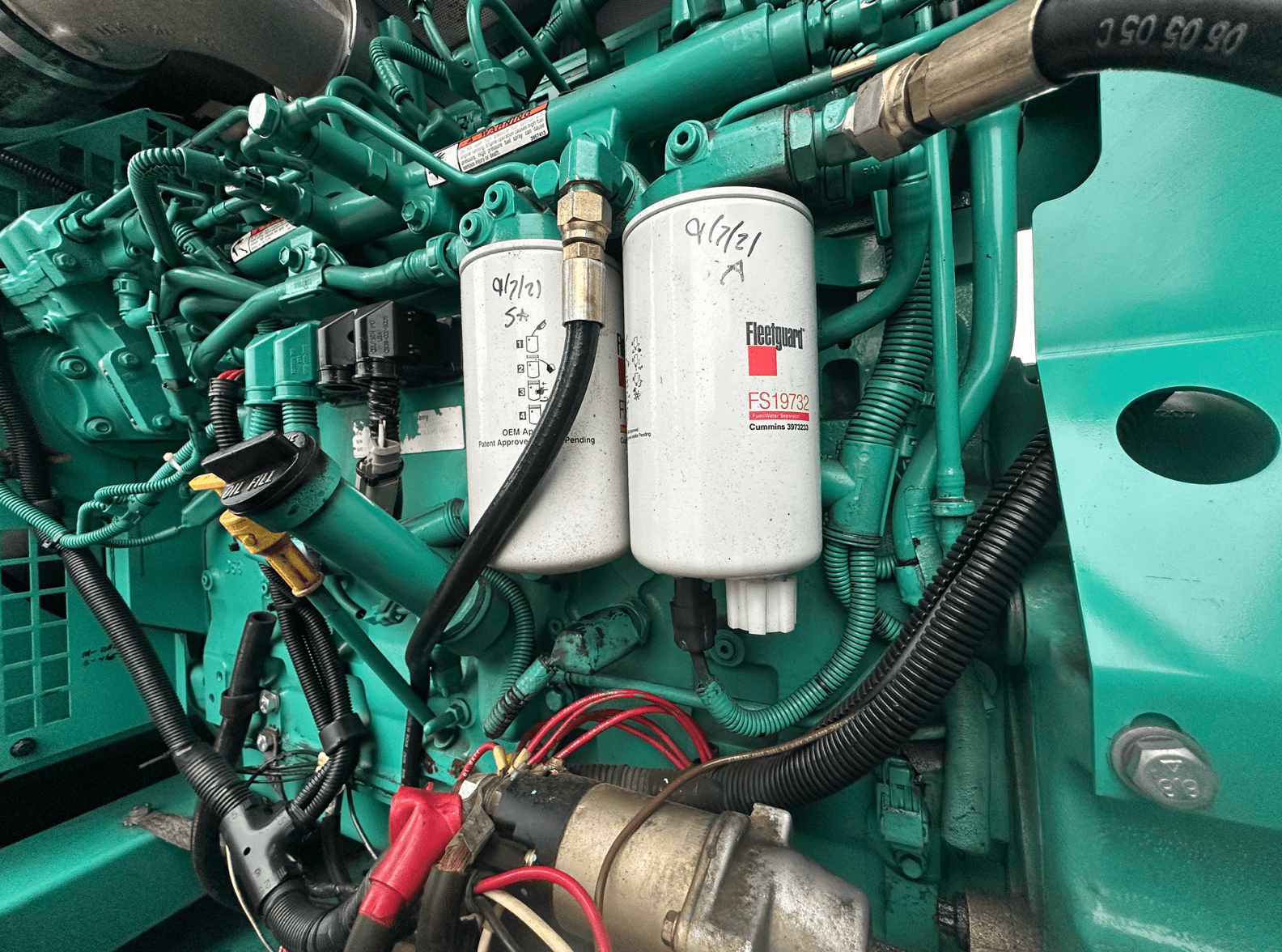
Fuel System

Fuel System

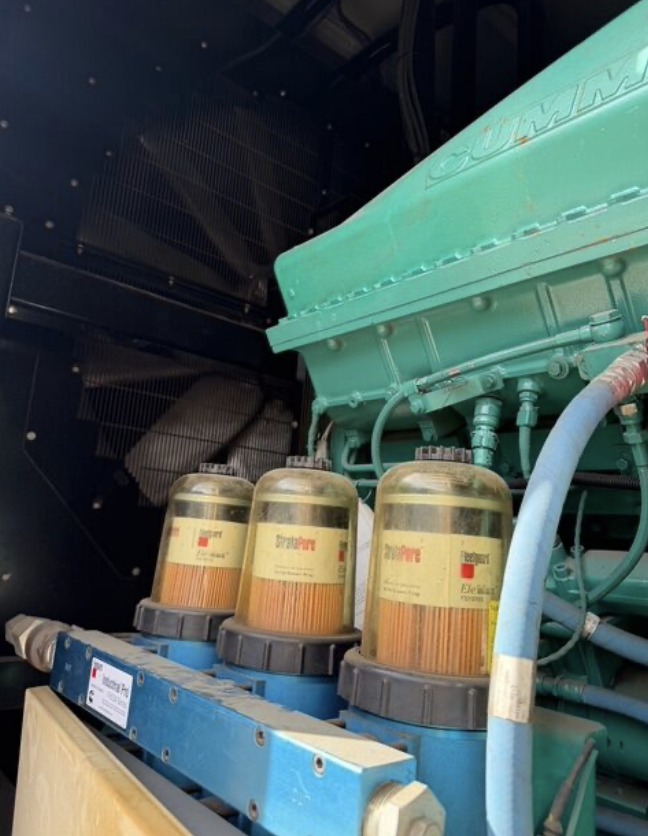
Fuel filter replacement, tank inspection for water and sediment accumulation, and fuel line inspection. Stored diesel degrades over time — contaminated fuel is the leading cause of injector failure and no-start conditions during outages.
Air System

Air System

Air filter inspection and replacement. A restricted air filter forces the engine to run rich, increases fuel consumption, and accelerates carbon buildup and turbocharger wear.

Oil And Coolant

Oil & Coolant

Engine oil and filter change, coolant level and condition check, and coolant additive replenishment. Oil breakdown and coolant degradation are the primary drivers of premature engine wear on diesel generators.
Belts And Hoses 1

Belts & Hoses

Visual inspection of drive belts and coolant hoses for cracking, glazing, or wear. Belt failure during operation causes immediate engine overheat. Hose failure is a common cause of coolant loss on units that appear externally sound.

Electrical And Battery 1

Electrical & Battery

Battery load test, terminal cleaning, and charge system inspection. Battery failure is the single most common cause of standby generator failure to start. Batteries over three years old are tested under load — resting voltage alone does not reveal weak cells.

Mechanical Inspection

Mechanical Inspection

Governor response check, vibration isolator condition, exhaust system integrity, and inspection for oil or coolant leaks. A governor that hunts or responds slowly under load indicates a developing fuel or mechanical issue.

Operational Test

Operational Test

Full start-up and run test under load, voltage and frequency verification, and transfer switch operation check where applicable.

What Deferred Generator Maintenance Actually Costs

Preventable Problems Turn Expensive Fast

Skipping routine maintenance does not save money — it delays a much larger expense. Every major failure typically starts with a preventable issue. Contaminated fuel can damage injectors, restricted airflow can lead to turbocharger failure, neglected coolant can cause engine overheating and warped components, and a battery that appears functional at rest can fail under load during startup.
Neglected Item What Fails Repair Cost
Fuel filter / contaminated diesel Injector set failure $2,000 – $8,000
Air filter Turbocharger failure $3,000 – $10,000
Coolant service Head gasket / overheated engine $5,000 – $20,000
Belt inspection Cooling fan / alternator loss $500 – $3,000
Battery load test No-start during outage $300 – $1,200
Oil & filter change Bearing wear / engine damage $8,000 – $40,000
Governor / controls check Voltage instability / load failure $1,500 – $6,000
Catastrophic / full engine replacement Total engine failure $15,000 – $60,000+
24-7 Support

Need Help Finding What You’re Looking For?

Give One of Our Experts a Call!

Get in touch for more info about this unit!

Just fill out the form below or call us 713-823-0890

…Or Call Us 713-823-0890

Worldwide

Delivery

Best Price

Guaranteed

Immediate

Availability

IronClad

Certified