What Can a 2300kW – 2599kW Generator Power?
A 2300kW – 2599kW generator serves operations with genuine multi-megawatt demand that have run the numbers carefully enough to reject both neighboring tiers. Export and marine terminals, military base infrastructure, industrial power plants, large petrochemical and processing sites, and the upper end of enterprise
data center campuses all land in this band.
Facilities here rarely arrive by accident. A load study that returns 2,400 kW is not a number anyone was hoping for, and buyers usually reach this range because a 2000 kW unit left too little margin while a 3000 kW unit would spend its life loafing.
Most Sought-After Size in the 2300kW – 2599kW Range
At this output level, our
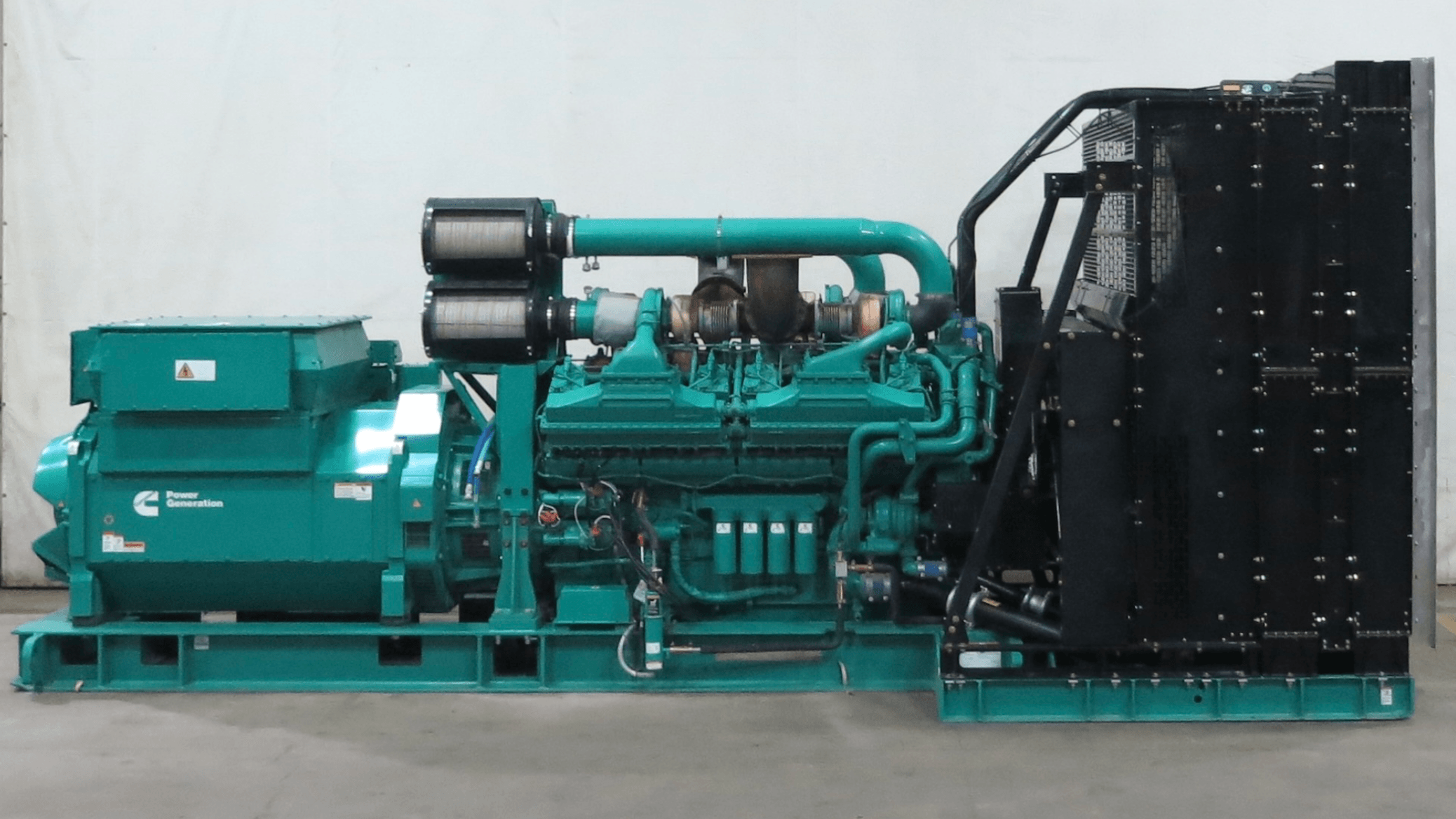
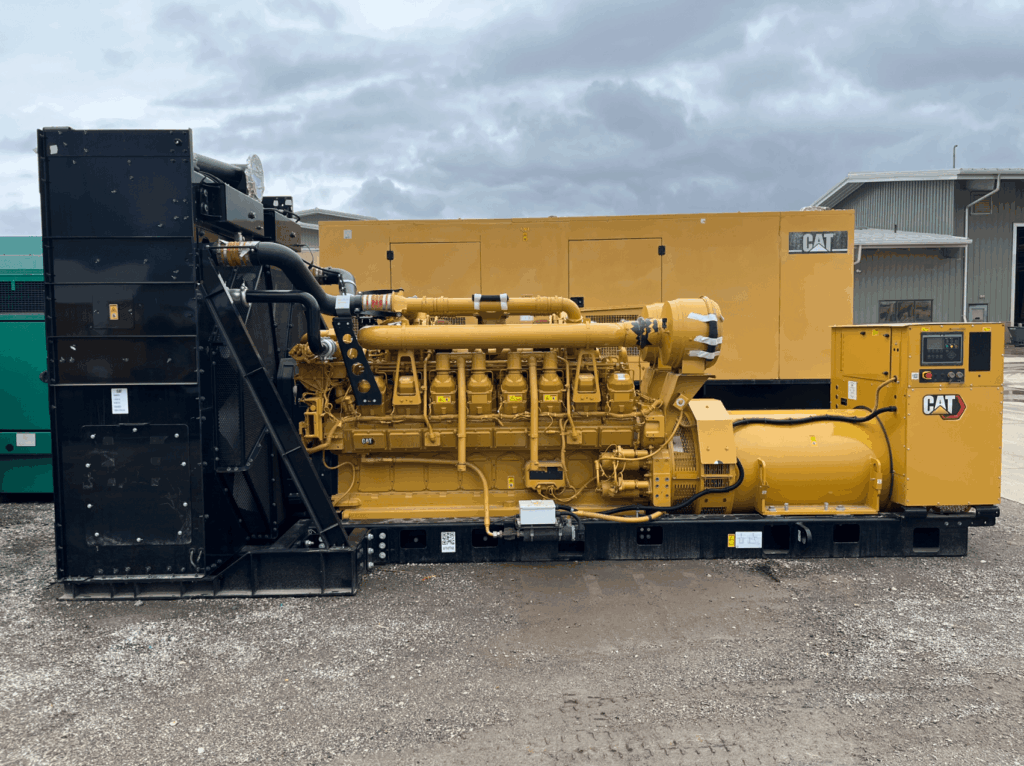
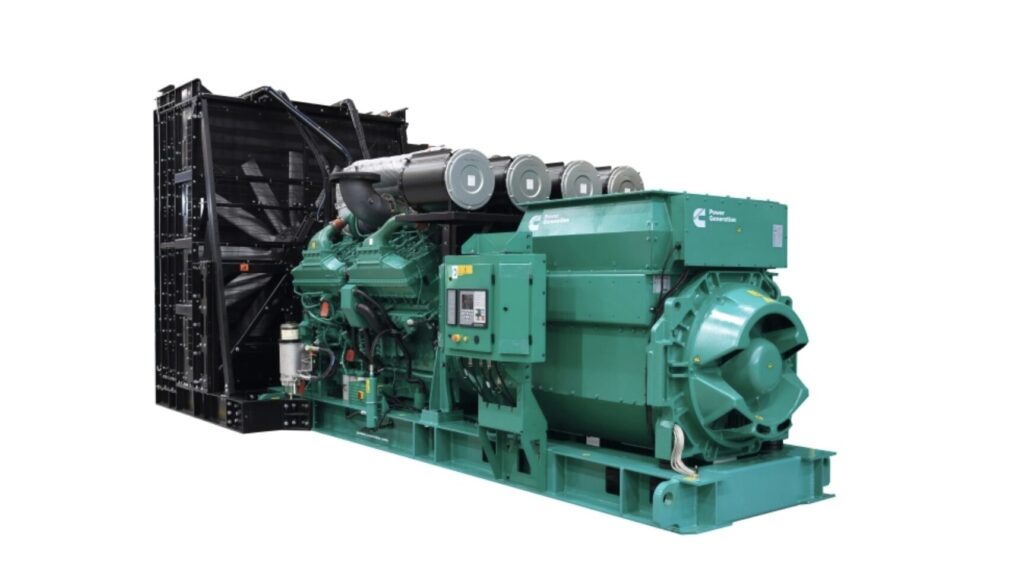
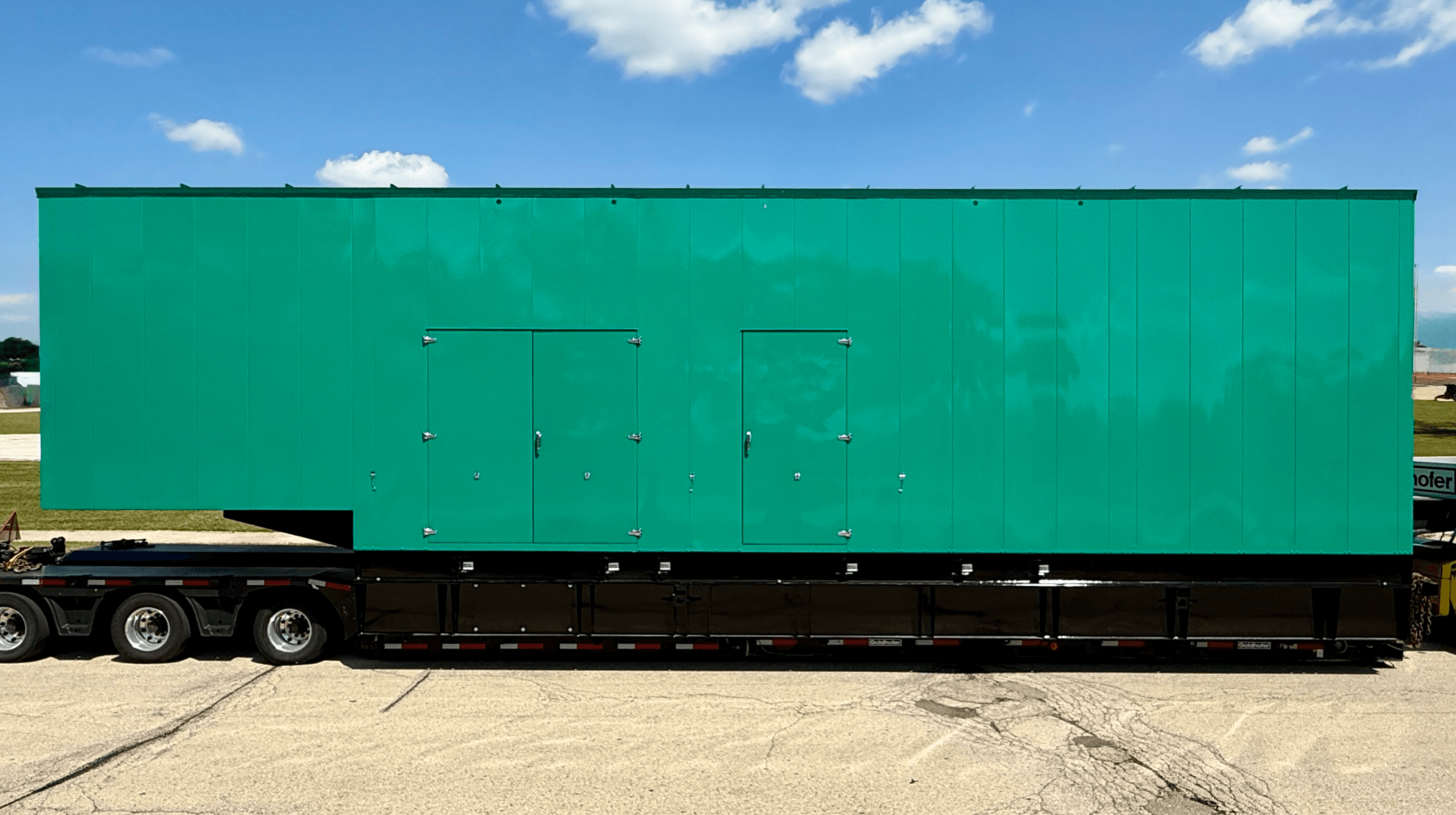
2500 kW generators draw the most interest. Typical buyers are large export terminal operators, military base infrastructure projects, and industrial power plants where sustained multi-megawatt generation is a hard operational requirement rather than a contingency.
The 2500 kW figure carries practical weight beyond being a round number. It sits far enough above 2000 kW to absorb a substantial motor start or single-step load block, and far enough below 3000 kW that the engine still operates within a reasonable load band under normal facility demand. For projects that have outgrown the two-megawatt tier, it is often the first size that works without compromise. Most of what trades at this output comes from
Caterpillar and
Cummins, and our
shop by brand page shows the rest of the lineup.
Why Facilities Choose This Range Over Its Neighbors
The case for landing in the middle usually comes down to three arguments.
- Headroom without waste. A facility drawing 2,100 kW steady-state can technically be served by a 2000 kW class unit only if nothing ever surges. Add a chiller start or a single-step block requirement and the margin disappears. This range restores it without buying capacity that will never be used.
- Derating recovery. Altitude and sustained ambient heat cut available output, and at these outputs the loss is measured in hundreds of kilowatts. A unit that derates from 2500 kW to 2200 kW at site conditions still covers a two-megawatt load. One that starts at 2000 kW does not.
- Expansion tolerance. Adding load to an existing facility is far cheaper than adding a generator. Buyers expecting equipment growth within the service life of the machine frequently specify one band above current demand for exactly this reason.
Is There a Case for Renting Instead?
There is, and it is narrower than at smaller outputs. Renting at this scale earns its keep during plant turnarounds, while a permanent unit is rebuilt, when an interconnection or permit delay leaves a facility exposed, or after equipment failure creates an immediate gap. Our rental division,
Stag Power Rentals, works those projects.
Permanent standby does not fit that model. The generator runs a small number of hours annually and stands ready the rest of the year, which rental economics cannot absorb over a service life measured in decades. The supporting infrastructure settles it further, since the pad, bulk fuel system, and switchgear are permanent costs whether the machine above them is owned or leased. When the delay is capital scheduling rather than justification, our
generator financing options keep the purchase from stalling.
Sizing a Generator in This Range
The method is unchanged at any output: catalog every load running concurrently, separate resistive from inductive, and account for the inrush that large rotating equipment imposes at startup. What shifts at multi-megawatt scale is which variable governs.
Single-step load acceptance frequently decides the specification outright. A facility required to pick up a large block of load in one step faces a tighter constraint than total steady-state demand, and that requirement alone can move a project up a full band. Derating follows, since site elevation and sustained heat reduce output in absolute terms that matter enormously here. Redundancy strategy settles the remainder, because sizing one unit to carry the entire load is a fundamentally different exercise from sizing units to share it.
Fuel planning belongs in the same conversation. Consumption at this output means bulk storage, containment, permitting, and a refueling plan that holds up during the regional event you bought the generator to survive. Our
diesel fuel consumption chart gives you a starting estimate, and our team runs full load studies at no cost.
Should You Move Up or Down a Band?
If your load study lands closer to two megawatts than to 2,500 kW,
2000kW – 2299kW generators will serve at lower capital and better load factor. If the requirement pushes toward three full megawatts, or if you need the largest single unit available before paralleling becomes necessary, look at
2600kW – 3000kW generators.
Facilities below two megawatts should start with
1500kW – 1999kW generators instead. For a view across the entire top tier, the
2000kW – 3000kW category covers everything above two megawatts in one place.
Why Buy From Turnkey Industries
Every generator we sell clears a 22-point inspection and
load bank testing before it ships. At this scale, verification under real load is what keeps a commissioning schedule intact, since a fault found after installation is an order of magnitude more expensive than one found in our yard. We have supplied industrial power equipment for more than a decade.
Every purchase is backed by our
30-day IronClad warranty, and our service team handles scheduled testing,
fuel system repair, and preventive work once the unit is commissioned.
Ready to Buy a 2300kW – 2599kW Generator?
Send us the load profile and your site conditions and we will confirm whether this band fits before you commit to anything. Browse our
full inventory of industrial generators, review the sectors we support on our
industries served page, or
contact us to talk through your requirements.
Frequently Asked Questions
Our load came in at 2,350 kW. Is that too close to the bottom of this range?
It depends entirely on your starting transient and site conditions. If the number is steady-state with a significant motor start ahead of it, or if elevation and heat will derate the unit meaningfully, the margin is thinner than it looks. Send us the load profile and site data and we will tell you honestly whether the band fits.
How much output will we lose to derating?
It varies with elevation, ambient temperature, and the specific engine, so no general figure is useful. What matters is that the loss is calculated against your actual site rather than assumed, because at these outputs a small percentage represents substantial capacity. We factor it into every quote.
Is one unit at this size better than paralleling two smaller machines?
One unit is simpler and cheaper up front, with a single pad, fuel system, and control interface. Paralleling costs more but eliminates the single point of failure and lets each machine run in a healthier load band. Redundancy obligations from insurers or regulators usually decide this before economics do.
What is the lead time on equipment in this range?
Considerably shorter for an inspected unit already in inventory than for new production, which is measured in quarters at this output. In most projects the pad, switchgear, fuel infrastructure, and permitting run longer than sourcing, so starting the site design early matters more than the equipment decision.
Do emissions rules limit what we can install at this output?
They can, depending on the jurisdiction, whether the unit runs emergency standby or prime power, and expected annual hours. Some states restrict older tiers outright. Tell us the location and the intended duty and we will confirm what qualifies before you commit.