

Life-Saving Backup: The Vital Role of Hospital Generators
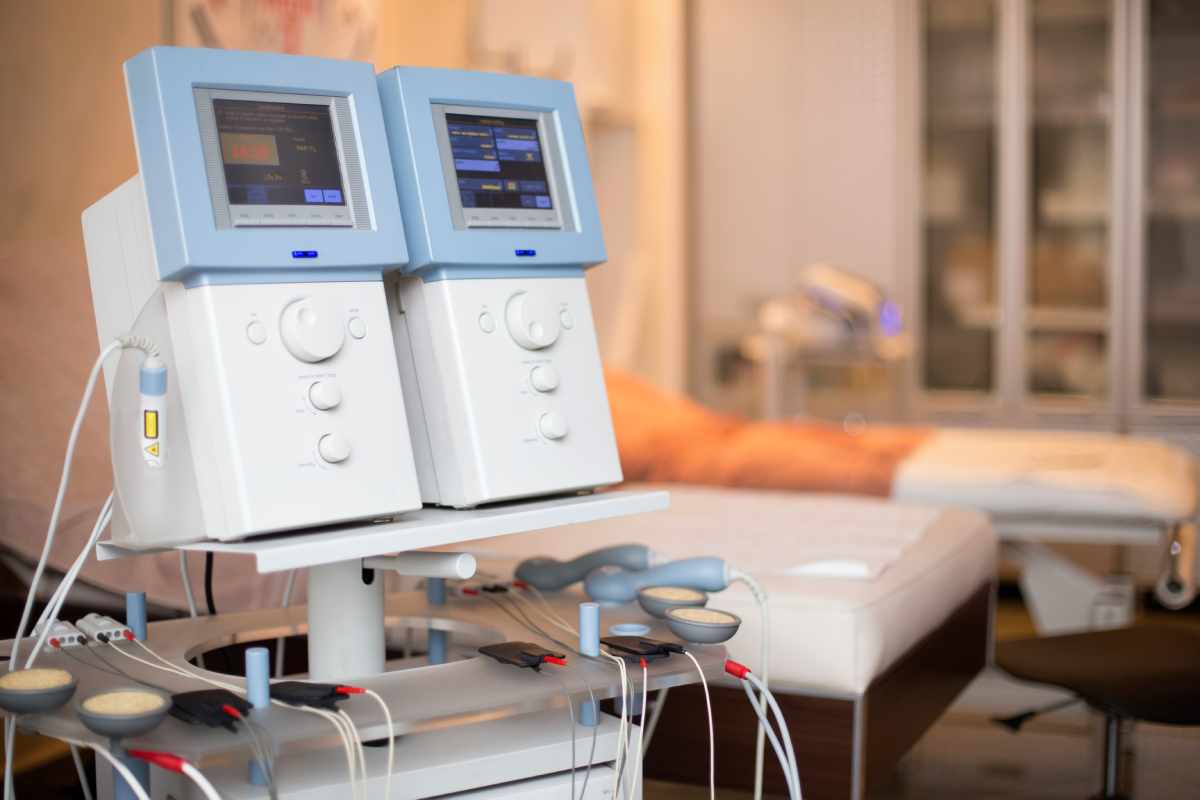
There is no industry where backup power carries higher stakes than healthcare. Ventilators, surgical suites, imaging equipment, ICU monitoring systems, medication refrigeration — every one of these depends on continuous electricity. Not mostly continuous. Not almost continuous. Continuous, without exception, around the clock. When the grid fails at a hospital, the generator doesn’t get a moment to warm up gradually or a grace period while staff improvise. It starts. Immediately. And it holds the full facility load for as long as necessary. That’s the standard hospital generators are built to meet, and it’s the standard Turnkey Industries holds every unit in our inventory to before it ships.
Powering Critical Medical Services
Hospitals depend on backup power generators with capacities ranging from 175 kW to 250 kW and above to ensure continuous operation of essential medical equipment. Life support systems, ventilators, diagnostic machinery, surgical tools, pharmacy refrigeration — the load profile of a functioning hospital is both substantial and entirely non-negotiable. A seamless transition to generator power when the main grid fails isn’t a nice-to-have feature for healthcare facilities. It’s a regulatory requirement under Joint Commission standards and NFPA 110 guidelines, and it’s a moral imperative that healthcare operators take seriously.
What Size Generator Is Best for Medical Facilities?
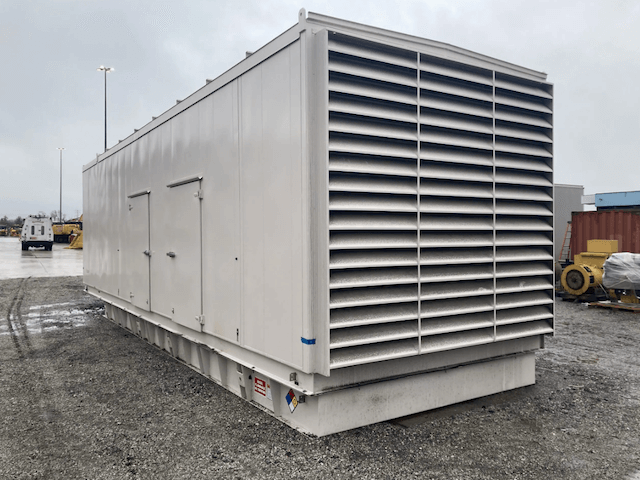
The range is wide — and intentionally so, because medical facilities vary enormously in scale and complexity. A small outpatient clinic or urgent care center running basic lighting, medication refrigeration, and a handful of diagnostic devices can maintain essential operations with a 40 kW generator. Compact. Cost-effective. Sufficient for the load. A full acute care hospital running multiple simultaneous operating rooms, a busy emergency department, ICU wards, and building-wide HVAC is an entirely different calculation. Those facilities need 350 kW generators at minimum — often multiple units in a redundant configuration to meet the N+1 reliability architecture that hospital power systems require. The space in between — community hospitals, ambulatory surgery centers, large specialty clinics — typically lands in the 175 kW to 250 kW range, where there’s enough capacity to sustain critical care functions without the infrastructure complexity of megawatt-class installations.
Popular Generator Models for Hospital and Medical Facility Applications
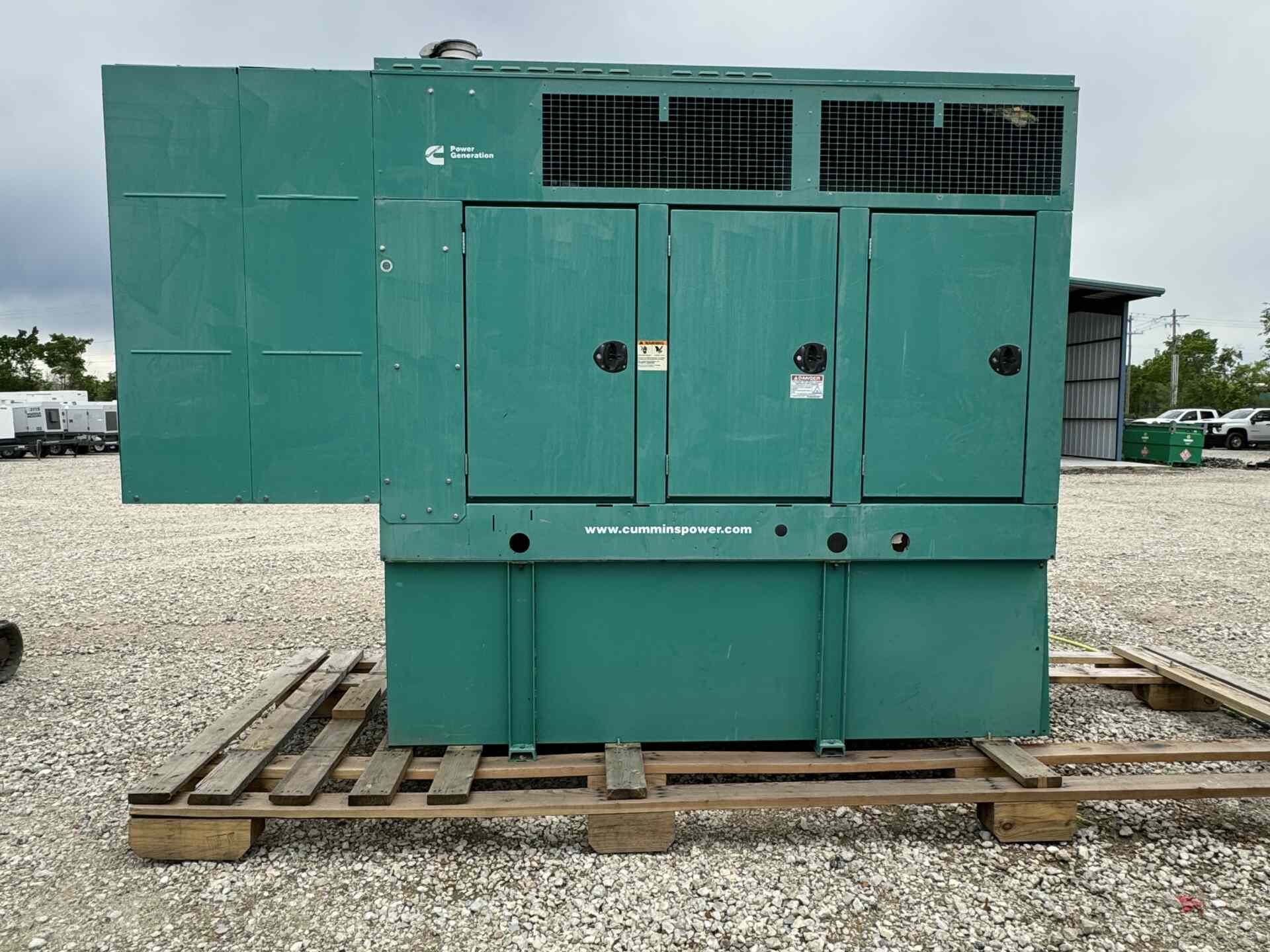
Two units from our current inventory that map directly to healthcare facility power requirements are the Cummins DSHAB 175 kW standby diesel generator — a proven mid-range unit well suited to community hospitals, large specialty clinics, and ambulatory surgery centers where 175 kW of clean, reliable standby output covers the critical care load with appropriate headroom — and the Kohler 400REOZDD standby diesel generator, a 400 kW unit built for the sustained, high-availability deployment that full acute care hospitals and large medical centers demand, with the output capacity to sustain operating rooms, ICUs, emergency departments, and facility-wide support systems simultaneously.
Shop Hospital Generators by kW Range
Smaller clinics, outpatient centers, and single-specialty medical facilities typically find the right match in our 100kW–249kW generators for sale. Full acute care hospitals, large medical centers, and facilities with redundant power architecture requirements belong in our 250kW–374kW generator range and above — output levels that provide the capacity headroom that life-safety power systems demand, with no margin for underspecification.
Customized Solutions for Medical Facilities
Healthcare power requirements are governed by regulatory standards that most other industries don’t face. NFPA 110 compliance, Joint Commission inspection readiness, load bank testing documentation, transfer switch specifications — Turnkey Industries understands these requirements and works with healthcare facility managers, biomedical engineers, and plant operations teams to ensure the generator solution matches both the technical load profile and the compliance requirements of the facility. Every unit we supply is thoroughly inspected, load bank tested, and documented before it ships.
Looking to Buy or Sell a Used Generator for a Medical Facility?
Healthcare facilities procure generator equipment on specific budget cycles and often need to move decommissioned units when upgrading infrastructure. Turnkey Industries serves both needs. Our used generator inventory includes units specifically suited to medical facility applications at multiple output levels — all inspected, tested, and ready for immediate installation. If your facility is decommissioning existing generator infrastructure, our purchasing program puts value back on that equipment — get a quote on selling your generator here. For procurement inquiries or technical guidance on sizing and compliance requirements, connect with our team.
What Types of Generators Are Available in Stock?
Our hospital and medical facility generator inventory spans the full range of configurations that healthcare applications require — used generators, new units, permanent standby systems designed for life-safety applications, diesel-powered and natural gas configurations. If the specific output, brand, or compliance documentation package your facility requires isn’t currently listed, contact us — we source equipment on an ongoing basis and can often locate units that meet healthcare-specific procurement requirements faster than standard channels.
Renting a Generator for a Hospital or Medical Facility
A hospital’s permanent generator going down for unplanned service is not a situation that allows for a standard procurement timeline. Neither is a planned infrastructure upgrade that requires the existing generator to be offline for commissioning of a new unit. Medical facilities need replacement backup power capacity available immediately, configured correctly, and managed by a supplier who understands what healthcare continuity requirements actually mean. Stag Rentals provides high-capacity industrial generators for hospital and healthcare rental applications, with rapid deployment capability and units sized for the output levels that medical facilities require. For hospitals in hurricane-exposed Gulf Coast markets, Stag’s contingency power planning program pre-positions rental equipment under contract before storm season — so that when a major weather event threatens regional grid stability, the facility’s backup power capacity is already committed and staged rather than subject to the regional scramble that follows every major storm. Stag’s hospital and healthcare rental program covers both planned maintenance windows and emergency generator deployments requiring immediate response.
Frequently Asked Questions: Generators for Hospitals and Medical Facilities
What does NFPA 110 actually require for hospital emergency generator systems, and how does it affect equipment specification?
NFPA 110 classifies emergency power supply systems (EPSS) by level, class, and type. Hospitals fall under Level 1 — the most stringent classification, applied to systems where failure of the equipment could result in loss of human life. Class 10 is the most common hospital classification, requiring the generator to assume full load within 10 seconds of utility failure. Type 10 systems must have fuel storage for a minimum of 96 hours of operation at full load. These requirements directly affect equipment specification: the generator must have a fast-starting engine capable of reaching stable voltage and frequency within the 10-second window, the ATS must complete transfer within that window, and on-site fuel storage must be sized for the 96-hour minimum with a documented fuel delivery plan for extended outages beyond that. The Joint Commission enforces NFPA 110 compliance during hospital accreditation surveys — non-compliance findings can result in Conditions of Deficiency that must be remediated on an accelerated timeline.
How do hospital plant operations teams document generator testing to satisfy Joint Commission survey requirements?
The Joint Commission’s Environment of Care standards (EC.02.05.07) require hospitals to test emergency generators monthly and annually. Monthly tests must run for a minimum of 30 minutes under load — not no-load idle runs. Annual tests must verify that the generator can achieve and sustain the 10-second transfer time requirement and carry the facility’s actual emergency load. Documentation must include: test date and time, duration, load level (percentage of rated capacity), transfer time measured from utility failure to generator assumption of load, any alarms or anomalies observed, and corrective actions taken. This documentation must be retained and must be immediately available for surveyor review. A missing log entry or an undocumented anomaly carries the same survey weight as a failed test. Assign a specific staff member as the responsible party for generator test documentation and establish a secondary review process to catch gaps before they become survey findings.
What is the difference between the essential electrical system branches in a hospital, and which circuits must be on generator backup?
NFPA 99 divides the hospital essential electrical system into three branches, each with specific restoration time requirements. The Life Safety Branch must restore within 10 seconds and covers egress lighting, exit signs, fire alarm systems, and emergency communication. The Critical Branch must also restore within 10 seconds and covers operating room lighting, anesthesia equipment outlets, ICU and CCU patient care areas, medication refrigeration, and other patient care equipment. The Equipment Branch must restore within 10 seconds and covers major medical imaging equipment, elevators, HVAC serving critical care areas, and heating equipment. Every circuit in all three branches must be on generator backup — this is not a system where facilities teams have discretion to exclude circuits for budget reasons. The 10-second restoration requirement applies to the entire essential electrical system simultaneously, which is why generator startup time and ATS transfer time are both critical specifications.
Can a hospital use a used generator to meet NFPA 110 and Joint Commission requirements?
Yes — NFPA 110 does not prohibit used equipment. What it requires is that the installed system meets the performance specifications defined in the standard: 10-second transfer, 96-hour fuel capacity, monthly and annual testing, and documented maintenance. A properly inspected, load bank tested used generator from a reputable supplier can meet every one of these requirements. The critical documentation for a used generator in a hospital application includes: inspection records confirming the unit’s mechanical condition, load bank test results demonstrating the unit’s ability to carry its rated load at the specified voltage and frequency, and any service records available from prior operation. Turnkey Industries provides load bank test documentation with every unit — this documentation becomes part of the facility’s EPSS records and supports Joint Commission survey readiness.
How should a hospital handle fuel delivery logistics during an extended regional emergency when normal fuel supply chains are disrupted?
Establish a priority fuel delivery contract with at least two suppliers before hurricane season or winter storm season — not one. Supplier priority lists fill up fast when a regional emergency is declared, and a hospital without a pre-existing priority contract may find itself unable to get fuel delivery when competing against every other facility in the region simultaneously. Document the fuel delivery contact names, after-hours numbers, and contract terms in your emergency operations plan. Designate a staff member as the fuel logistics coordinator during declared emergencies with authority to authorize emergency fuel purchases without the standard procurement approval chain. Know your fuel consumption rate at your expected generator load so you can project when resupply is needed and initiate delivery requests before the tank reaches a critical level — not after. NFPA 110’s 96-hour minimum is a floor; facilities in high-risk weather markets should maintain contracts and storage capacity to sustain 168 hours (7 days) of operation at full load.
What transfer switch configuration is required for hospital emergency generator systems?
Hospital emergency generator systems require automatic transfer switches (ATS) that initiate transfer without operator intervention the moment utility power drops below an acceptable threshold. The ATS must complete transfer within the 10-second window required by NFPA 110 for Level 1, Class 10 systems. For hospitals with multiple generator sets, each transfer switch must be coordinated so that loads transfer cleanly without the combined startup surge of all loads overwhelming generator capacity simultaneously — load sequencing controls that stagger the energization of large motor loads over several seconds after generator stabilization are standard practice. Bypass isolation transfer switches — which allow the ATS itself to be maintained or replaced while the load remains energized through either the generator or utility source — are strongly recommended for hospital applications where the transfer switch cannot be de-energized for service without interrupting patient care systems.