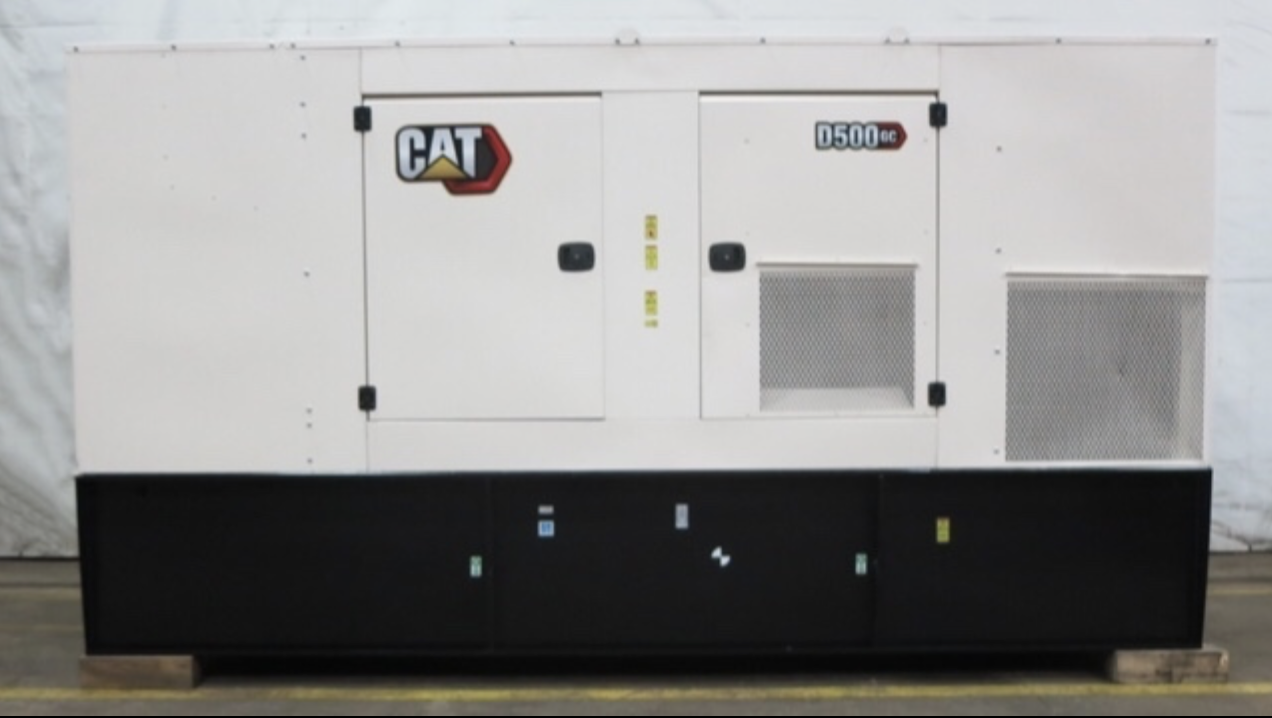
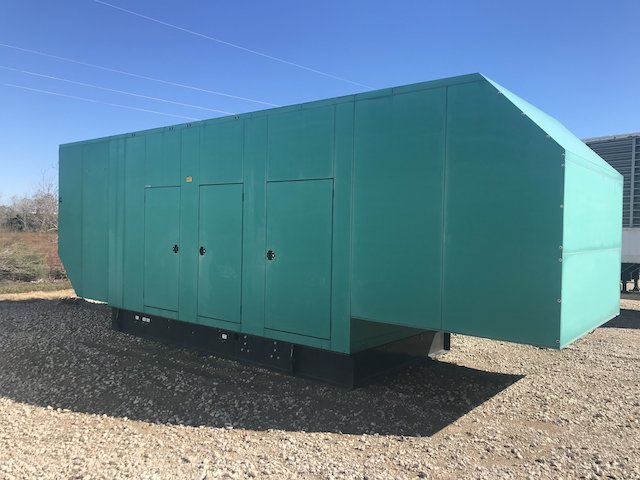
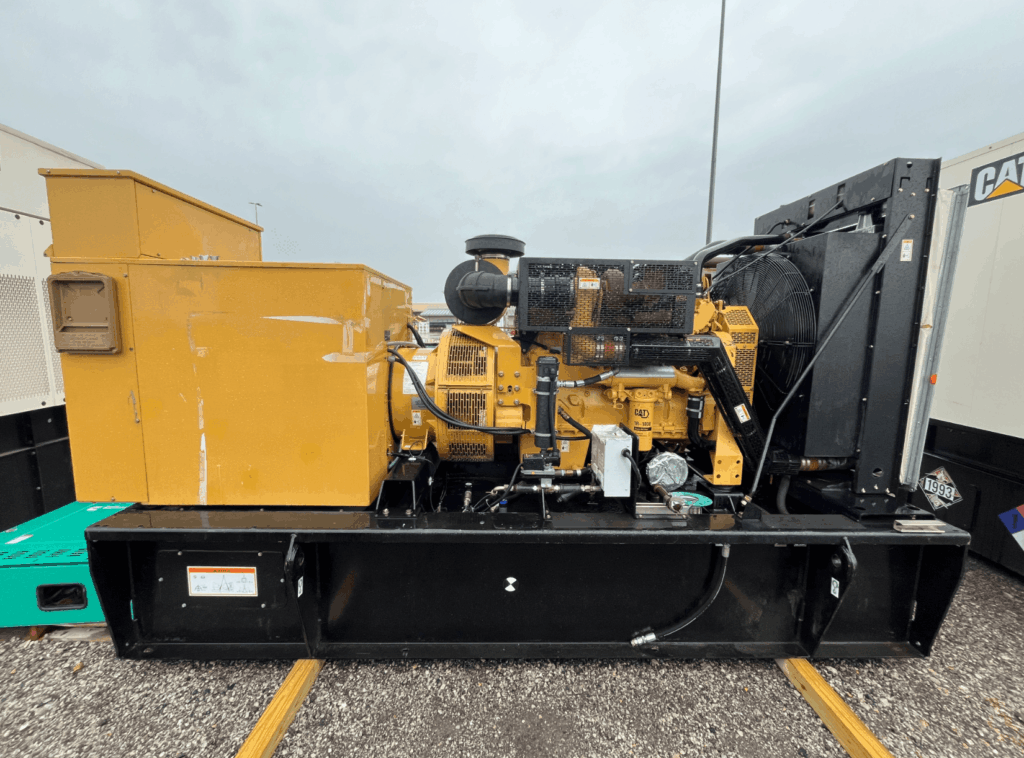
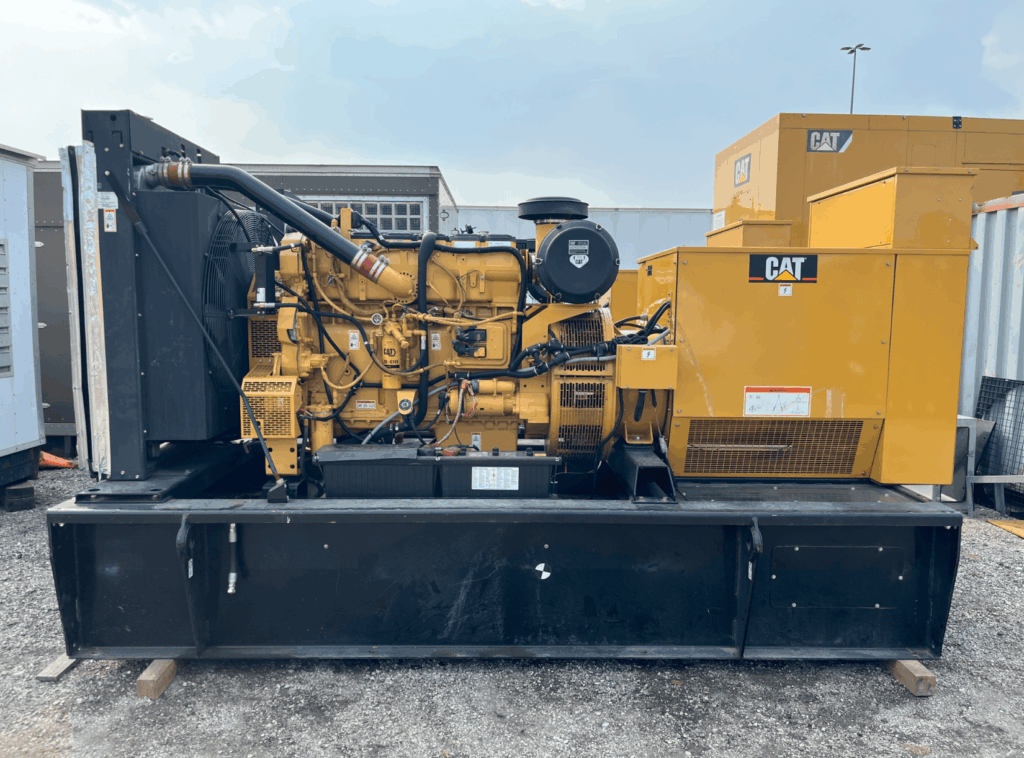
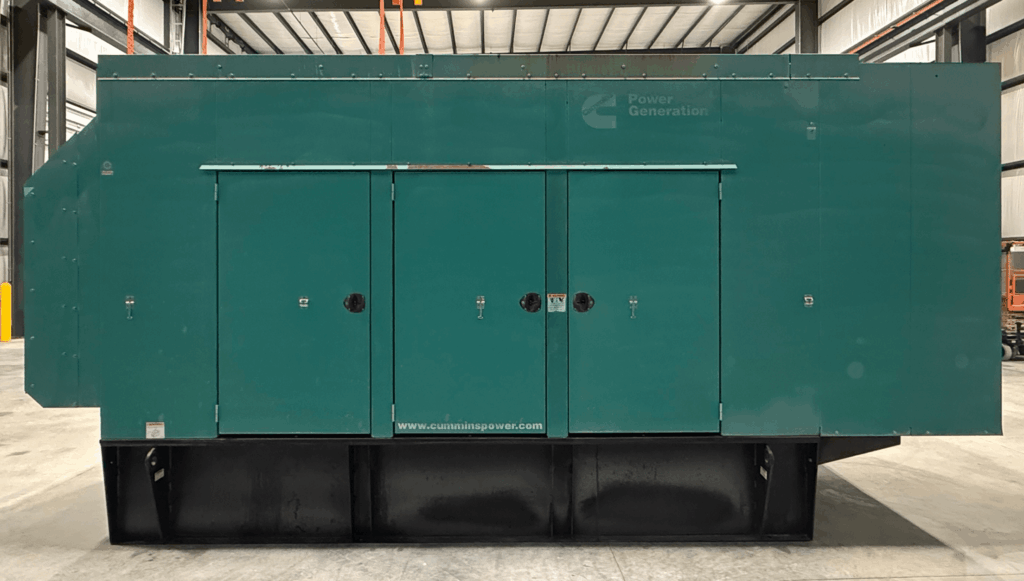
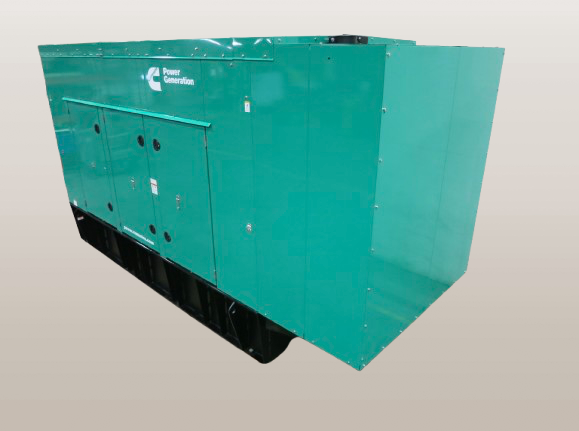
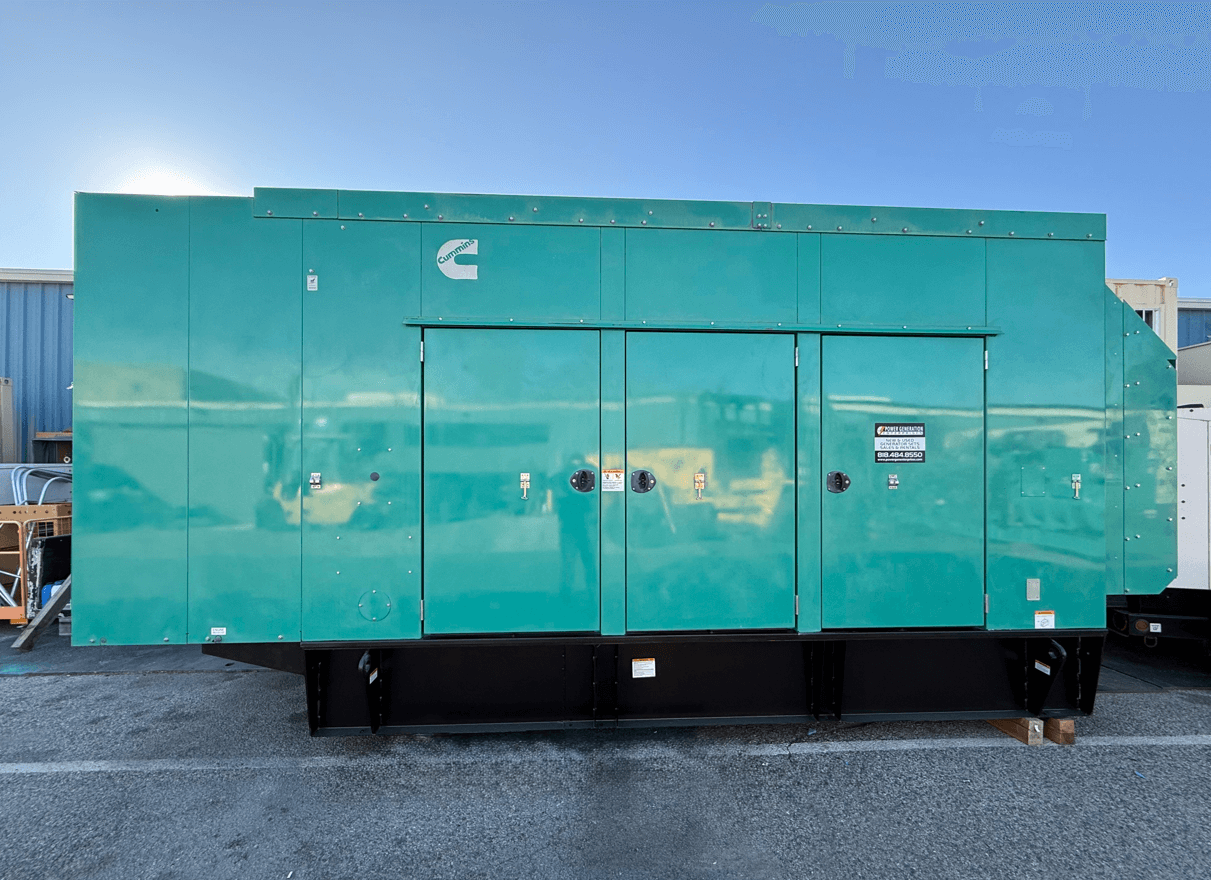
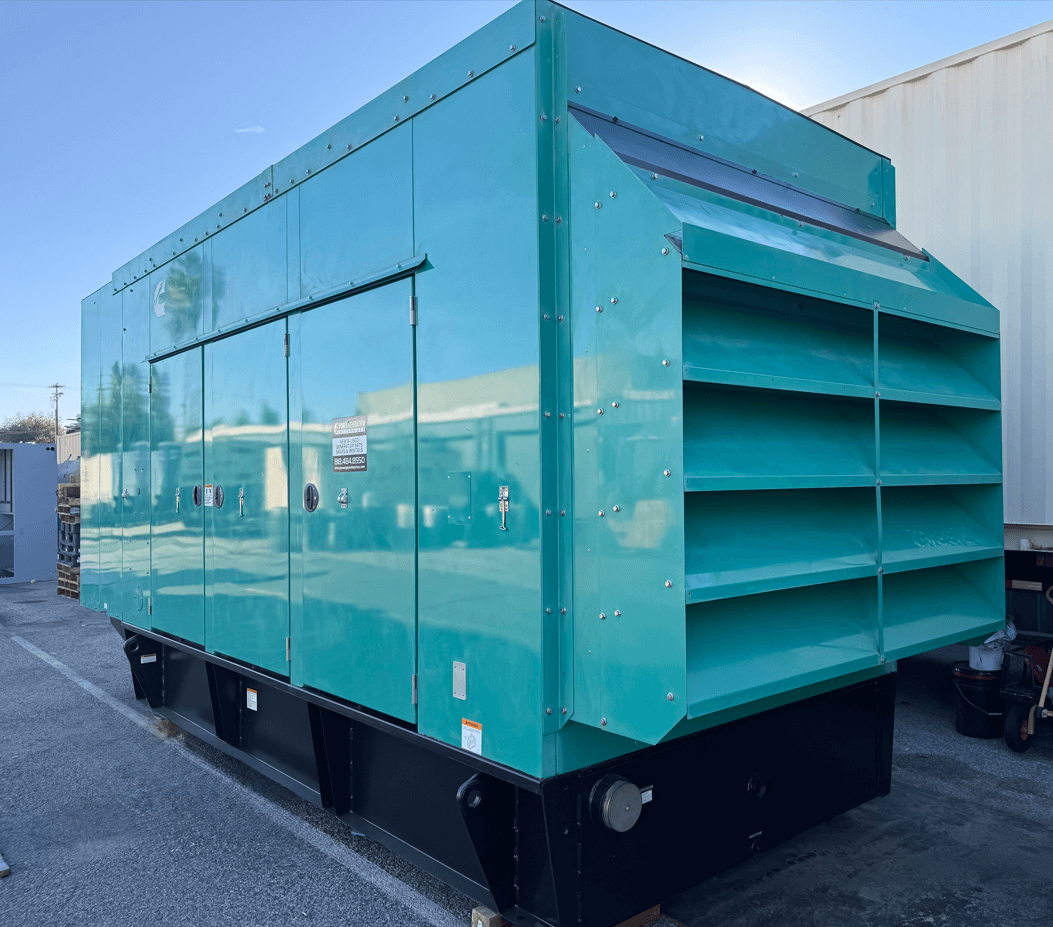
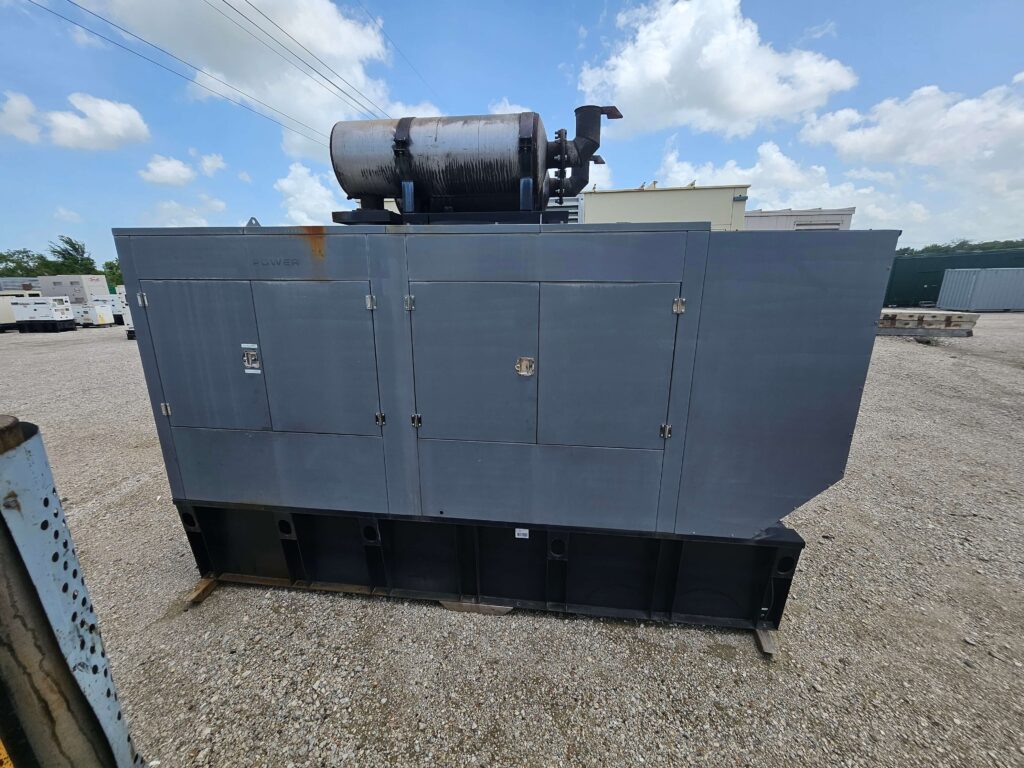
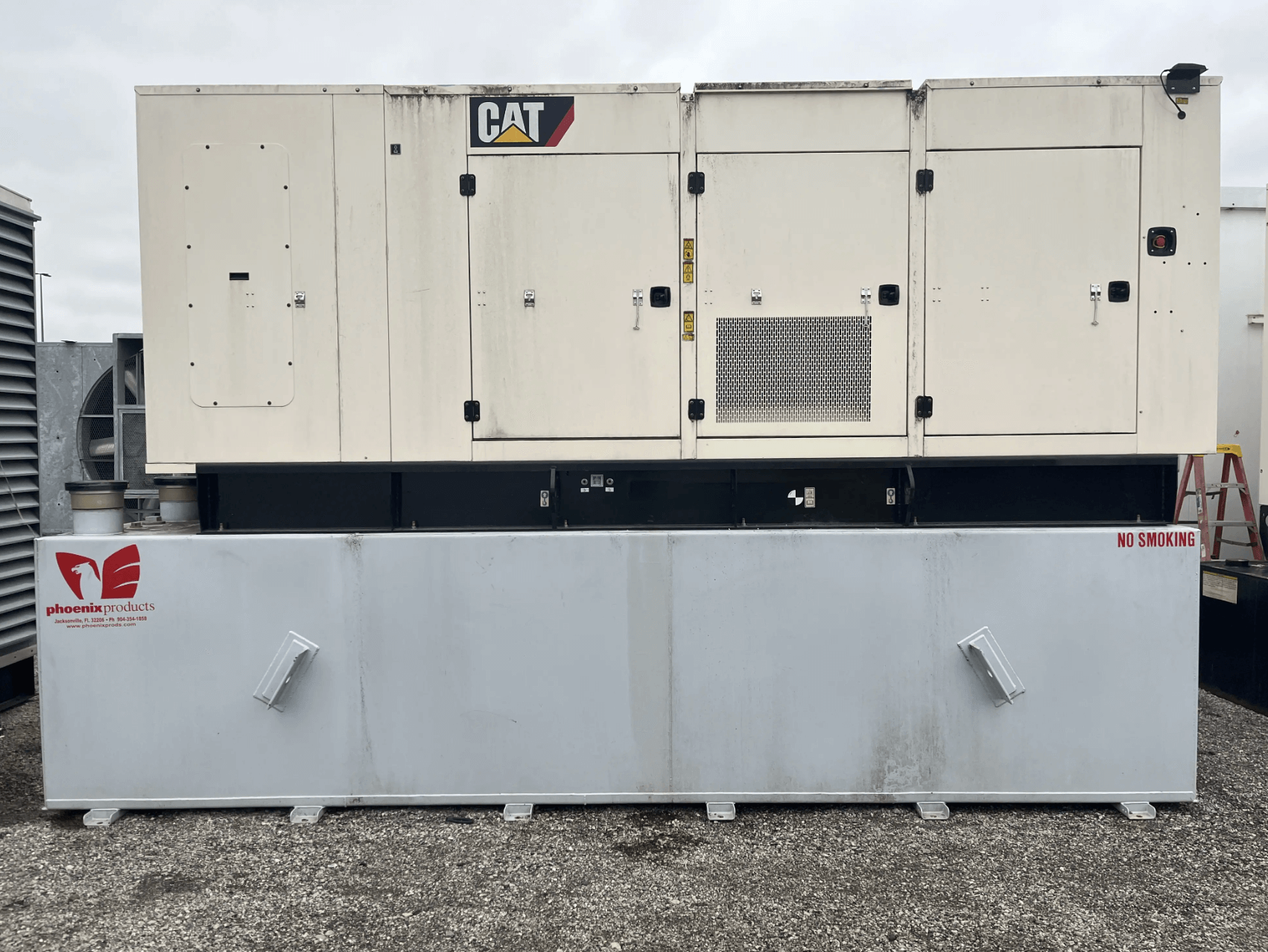
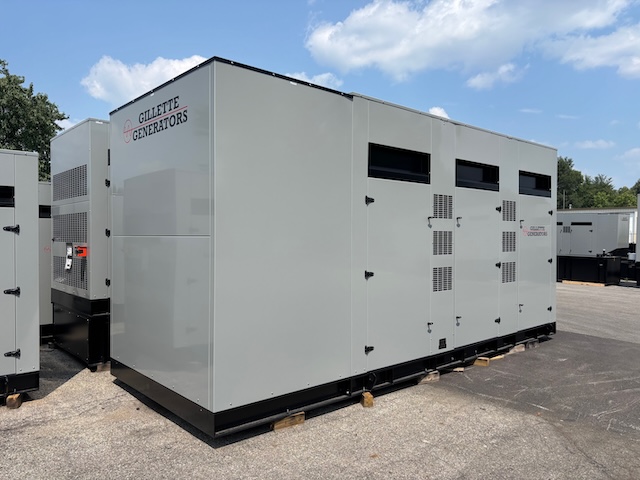
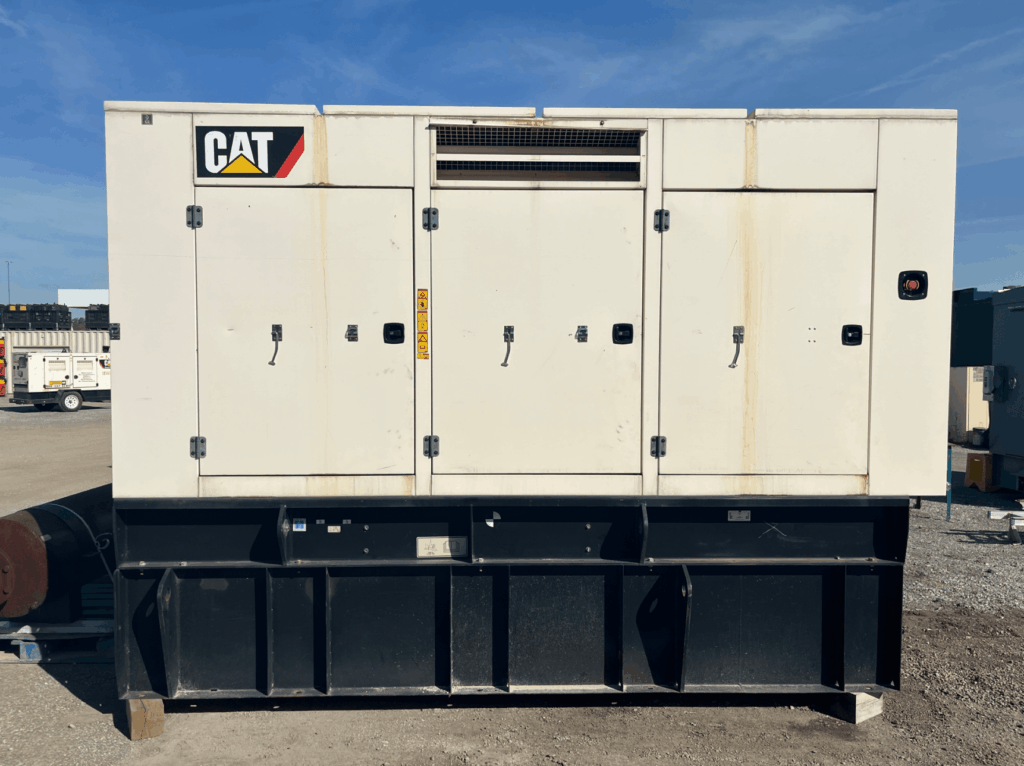
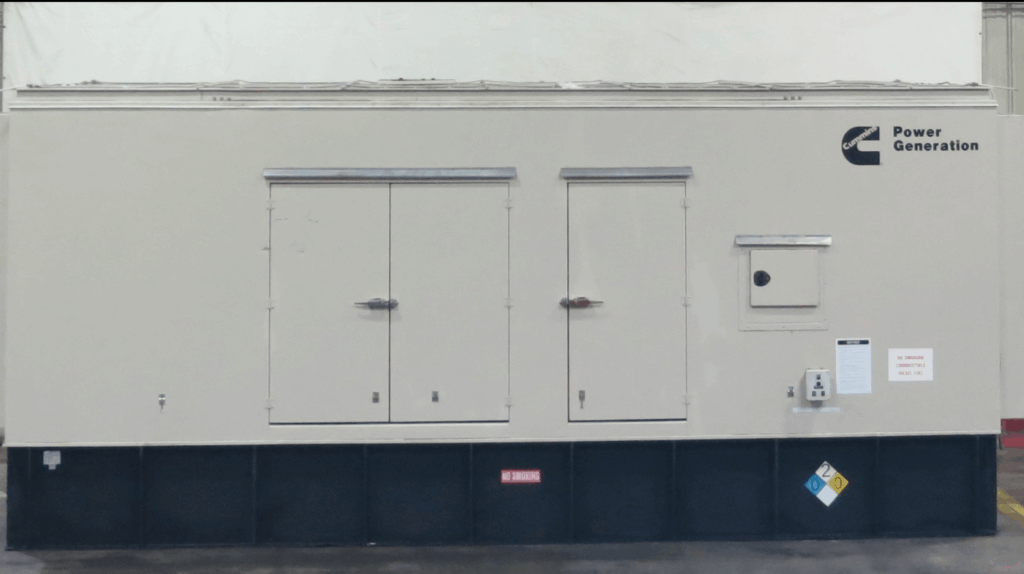
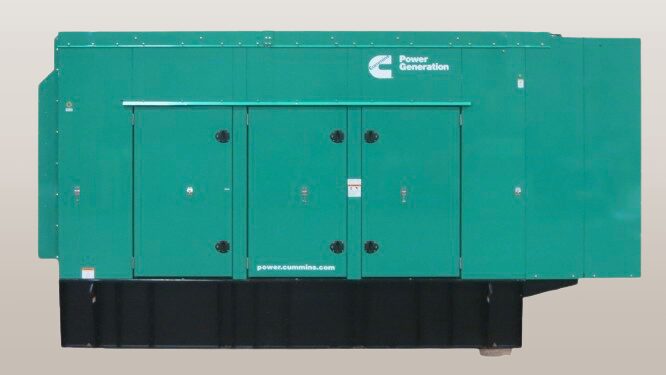
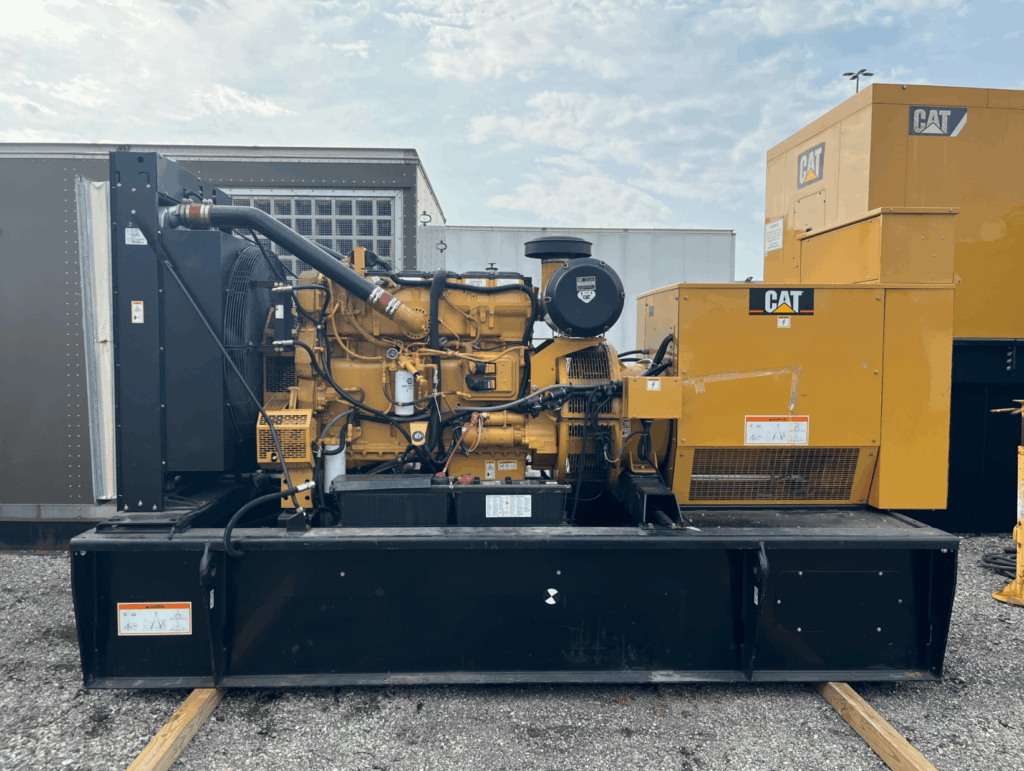
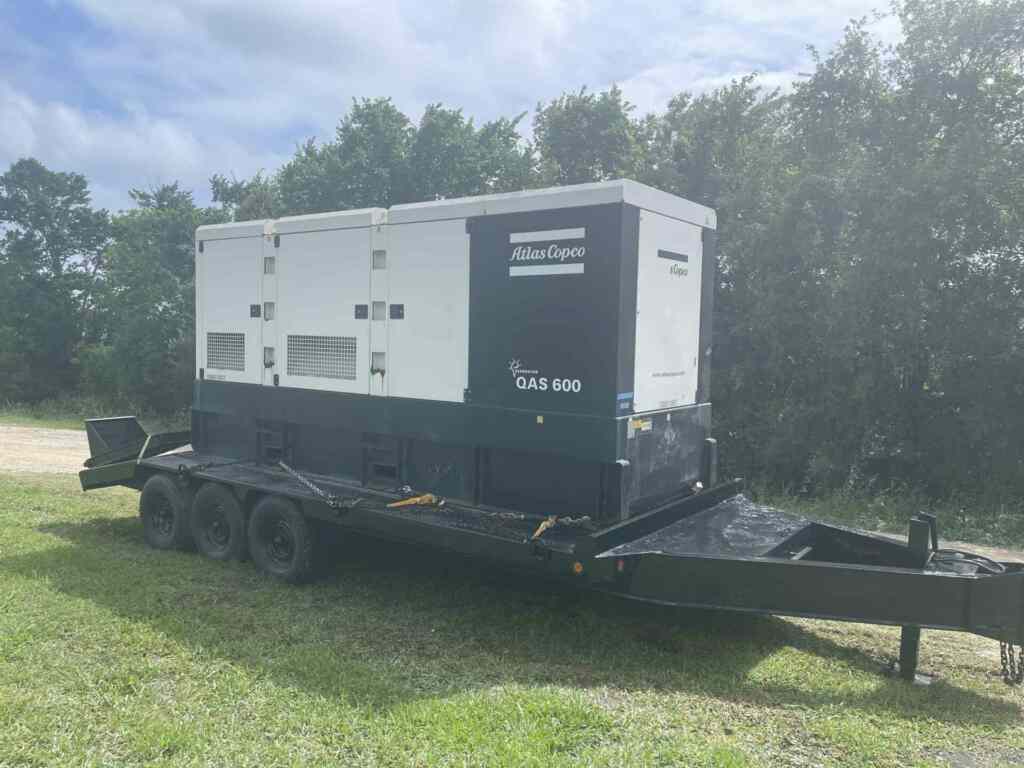
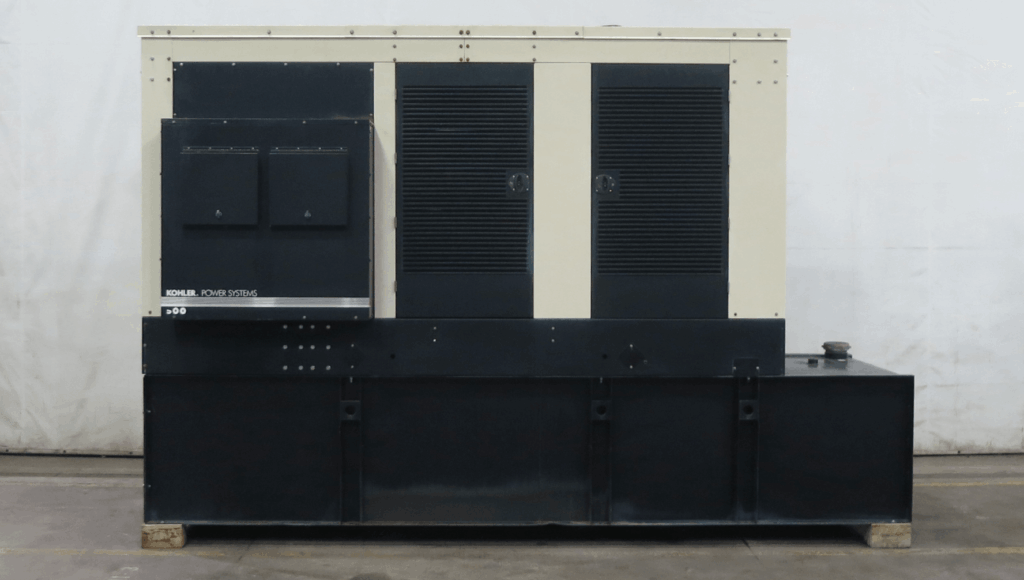
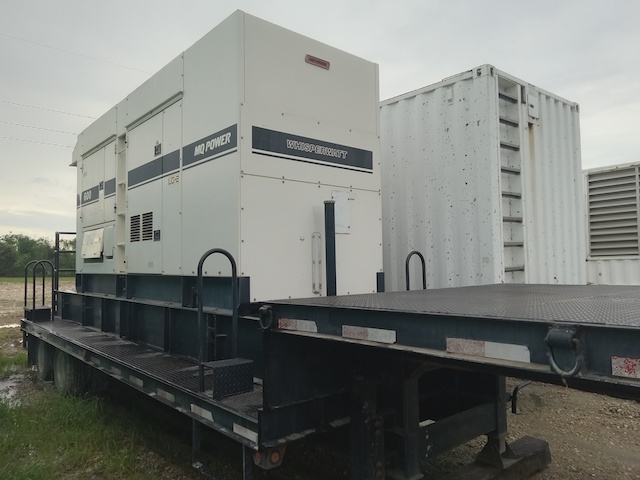
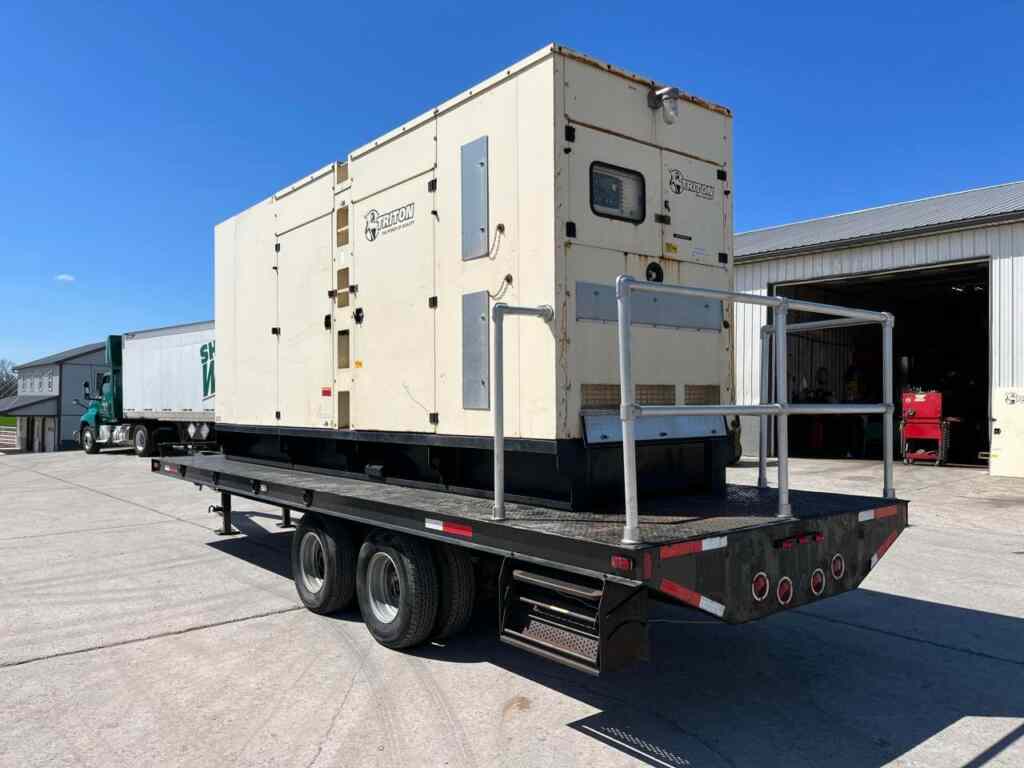
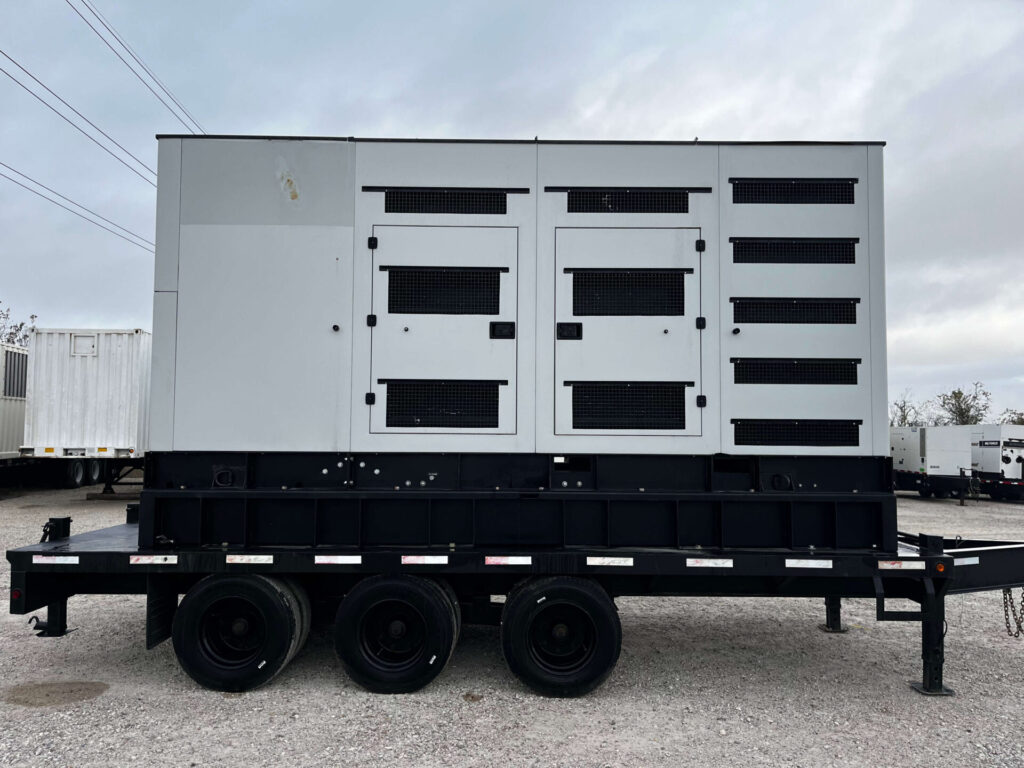
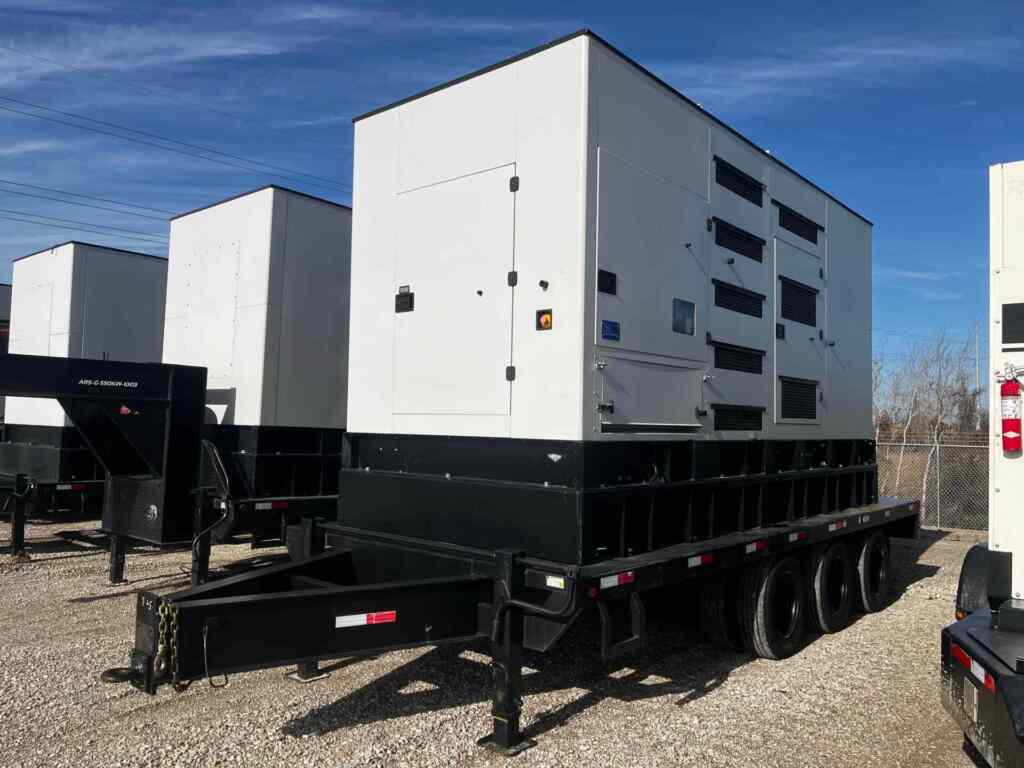
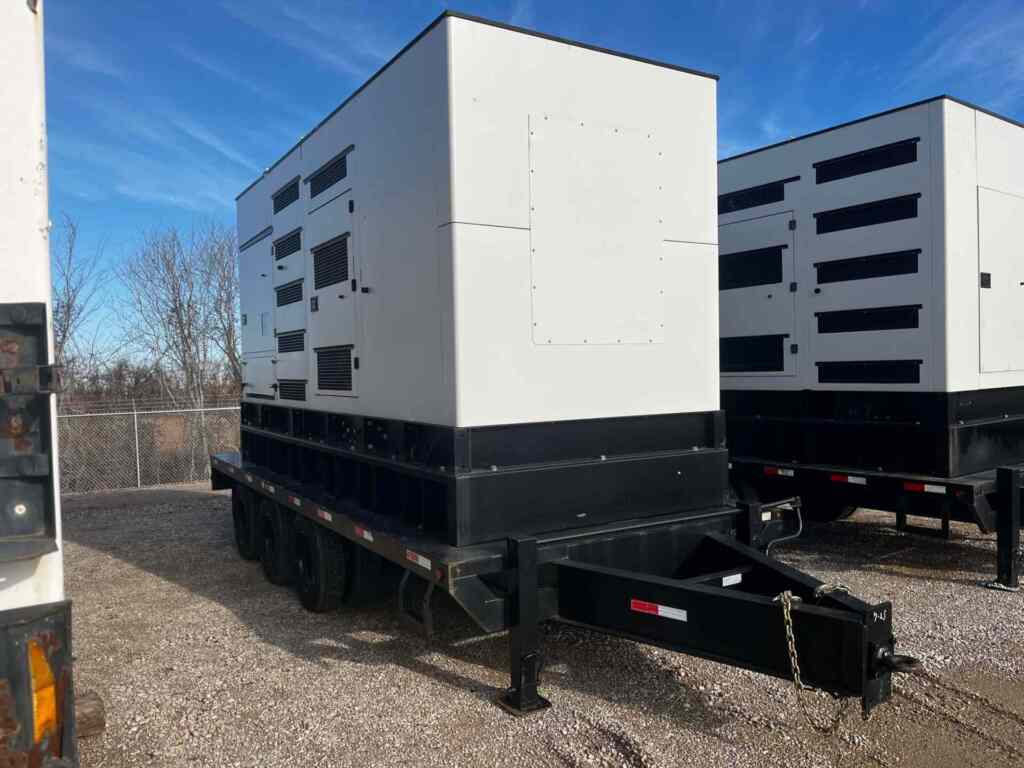
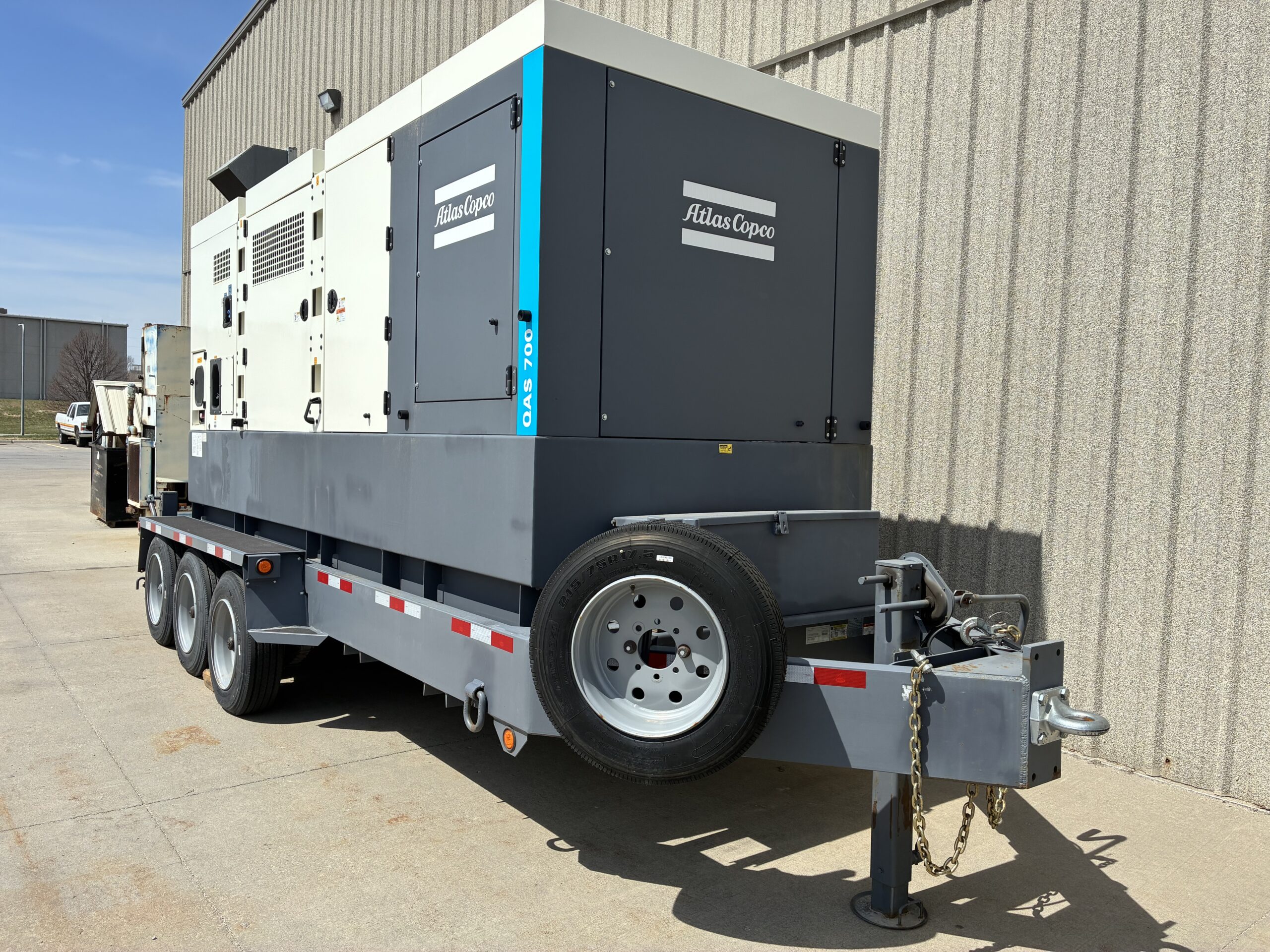
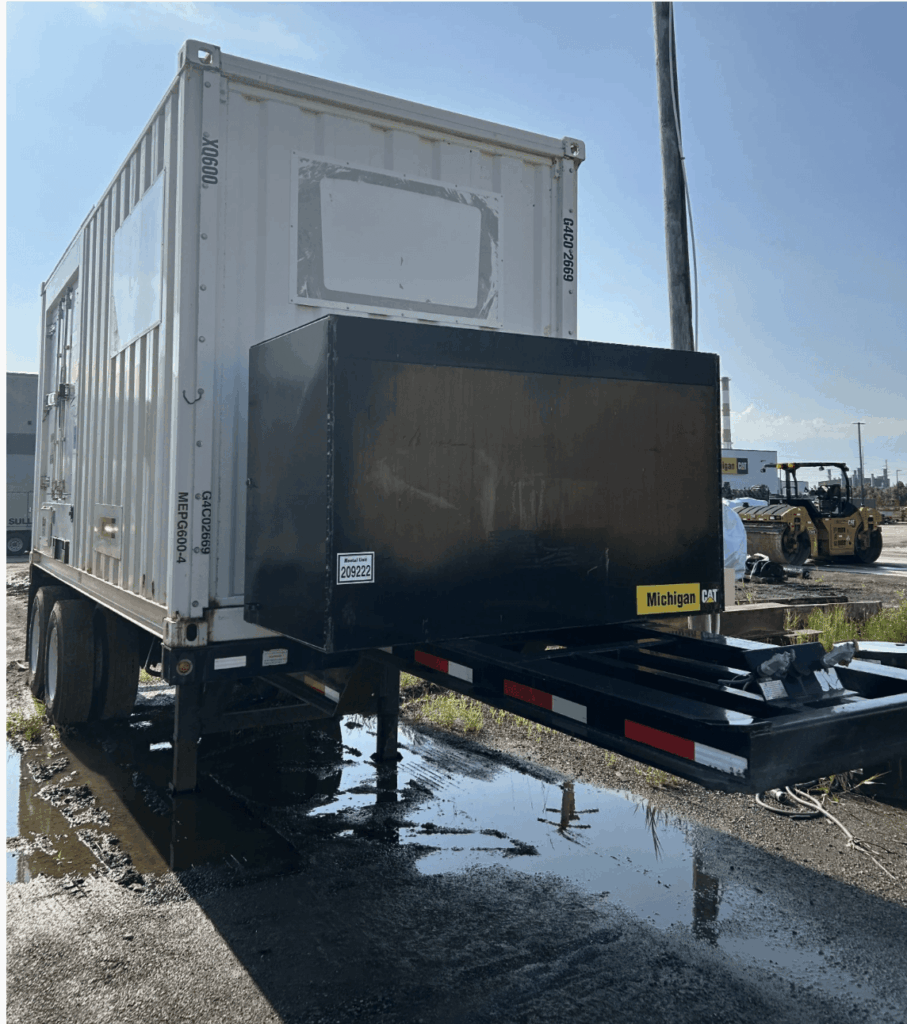
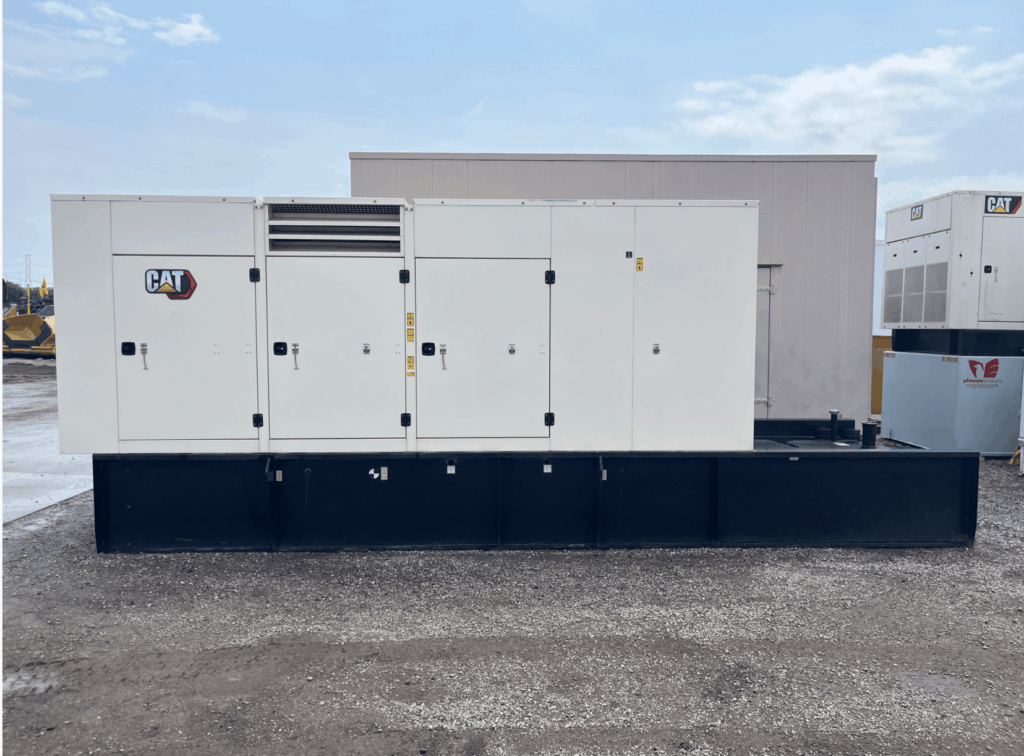
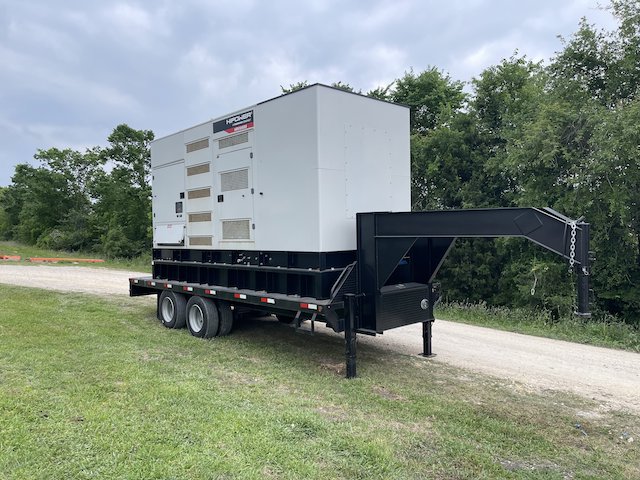
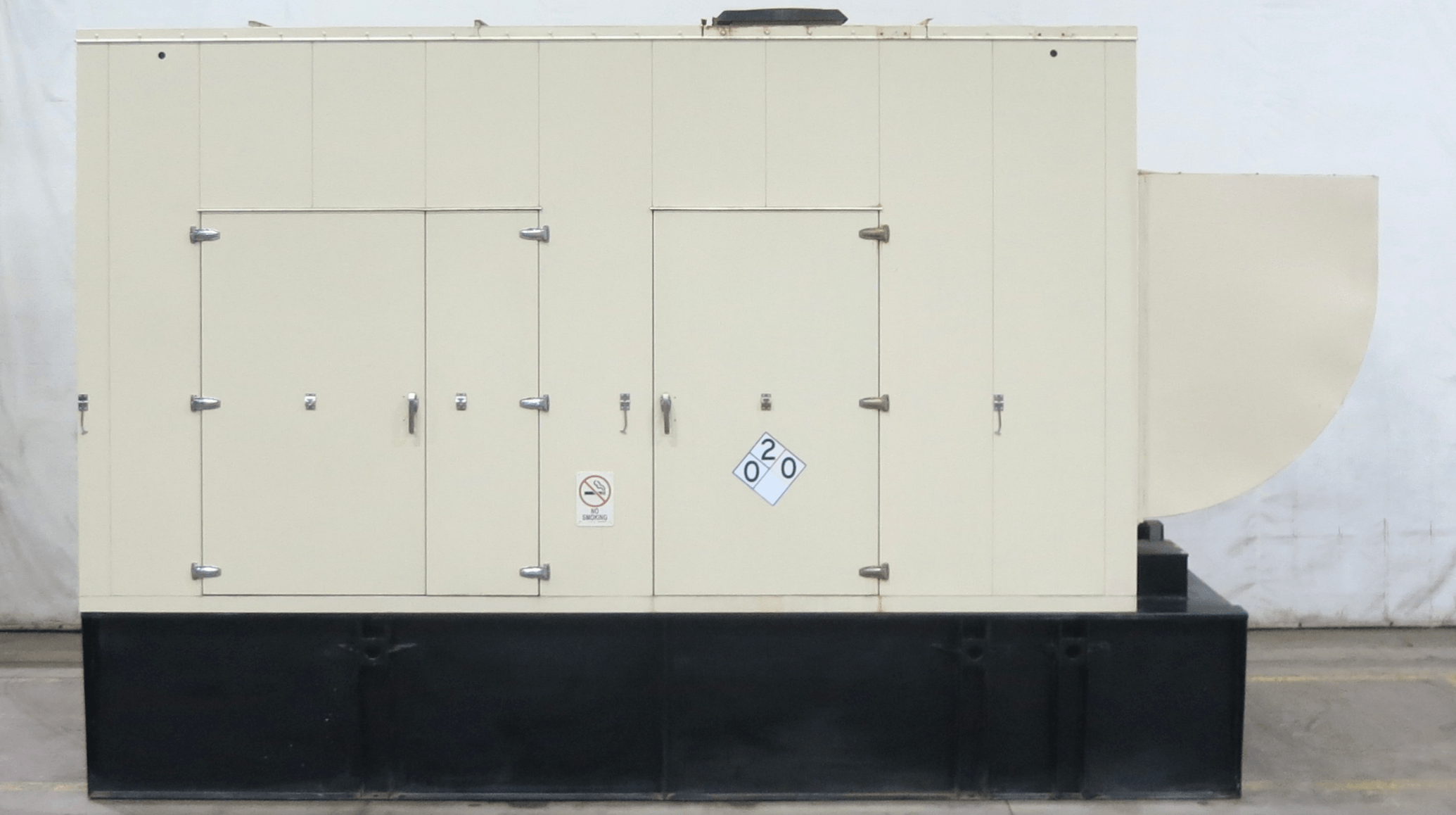
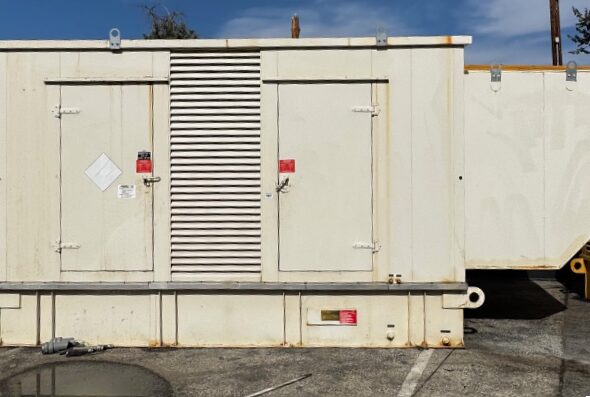
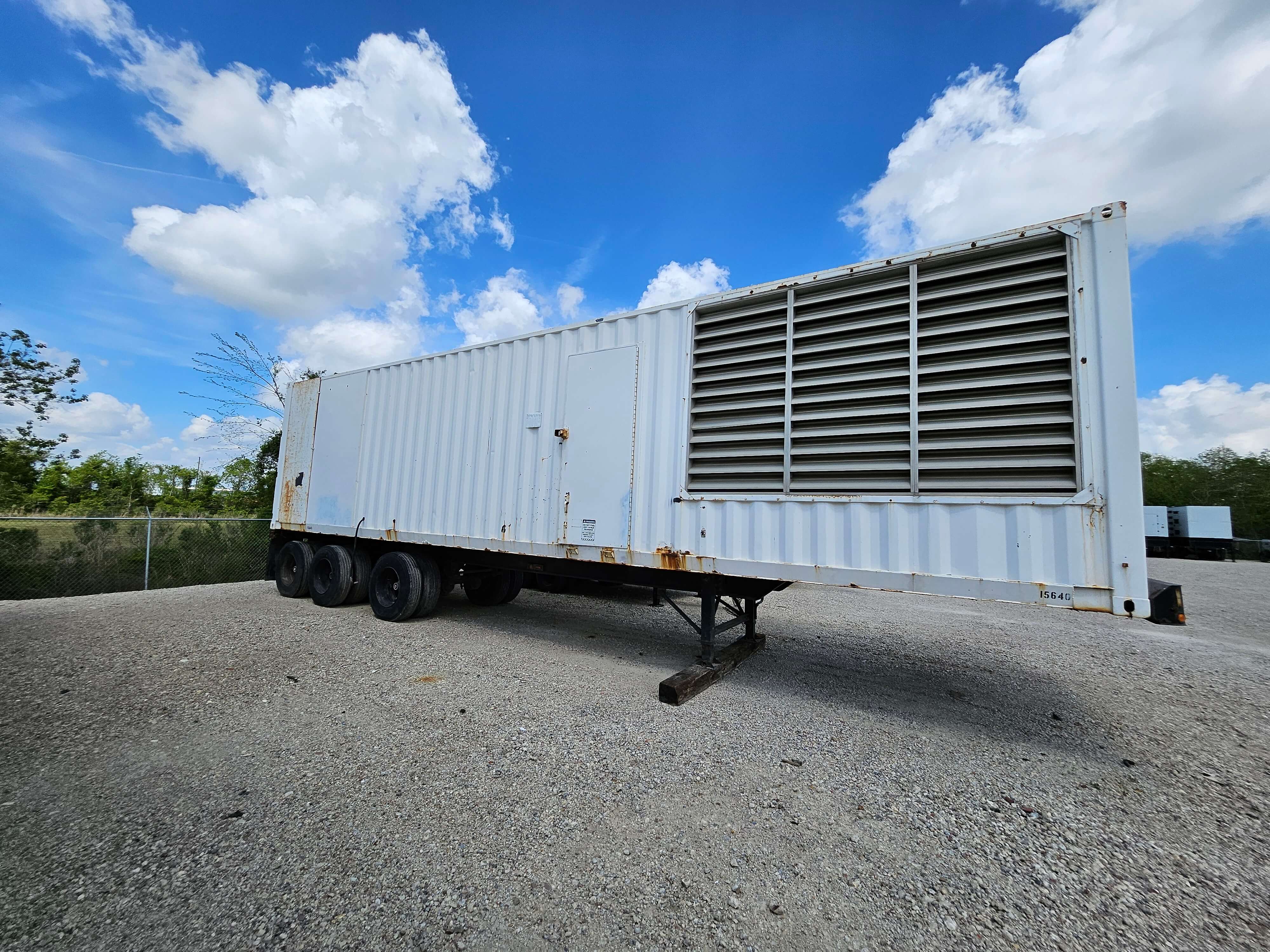
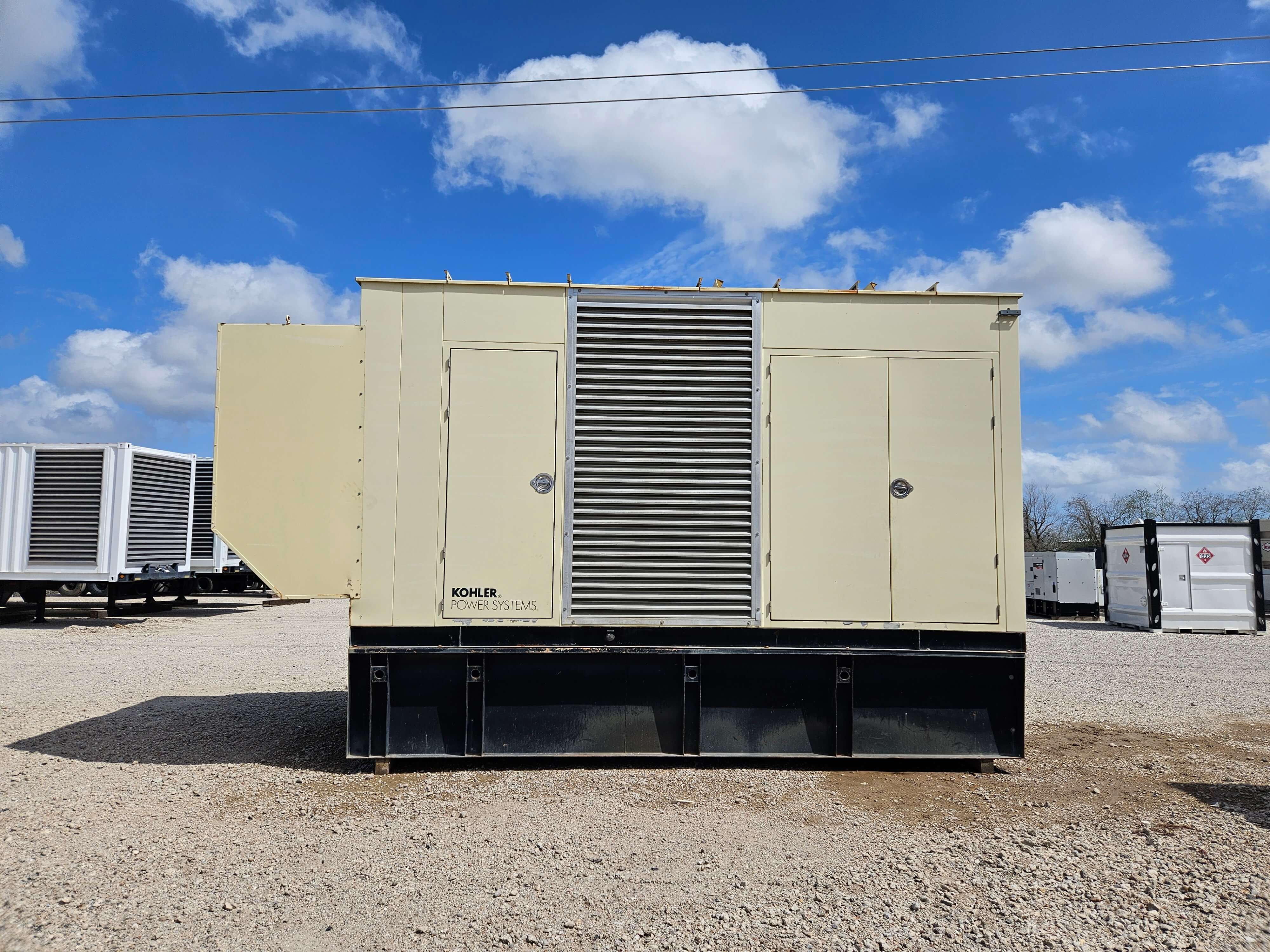
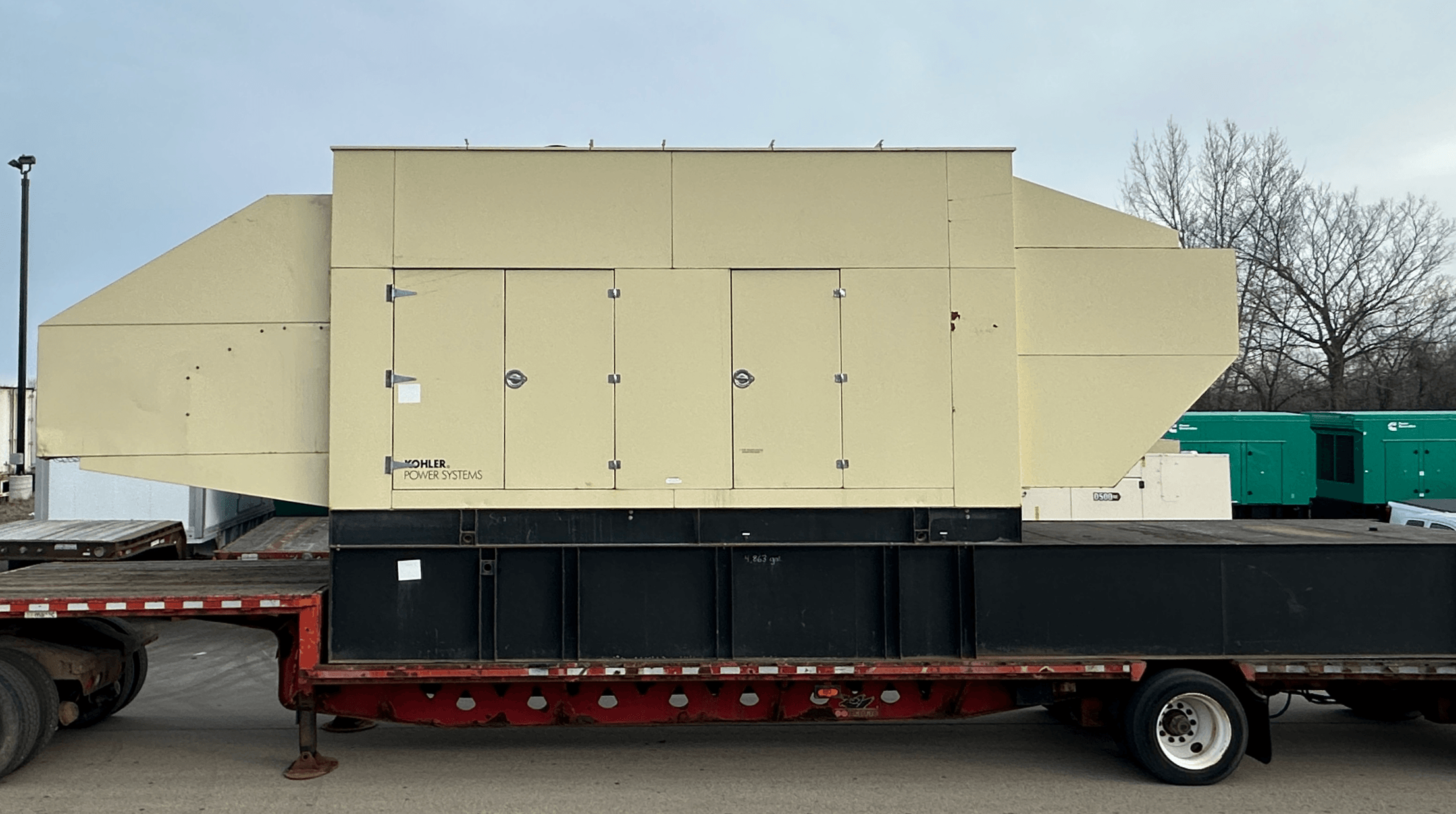
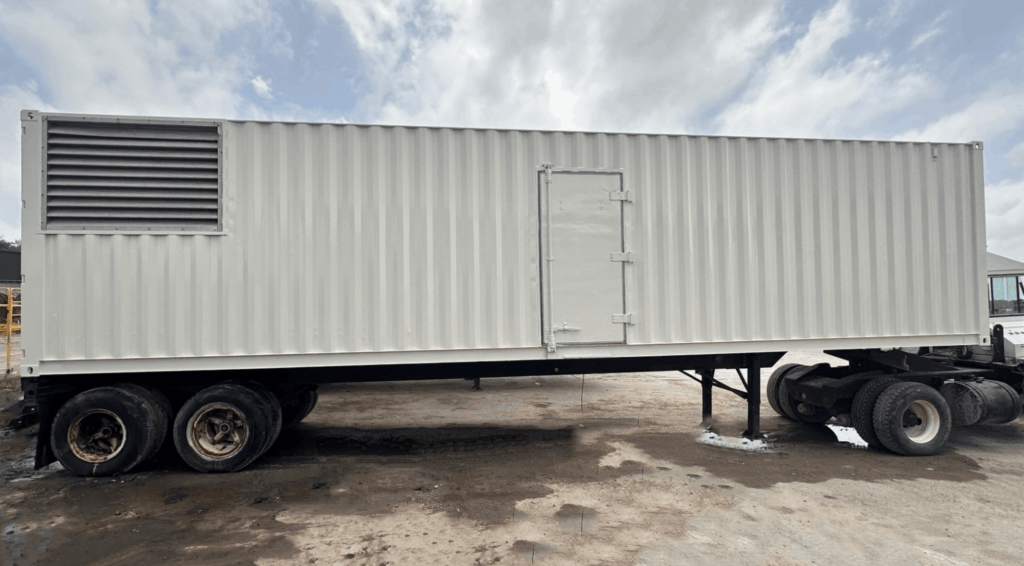
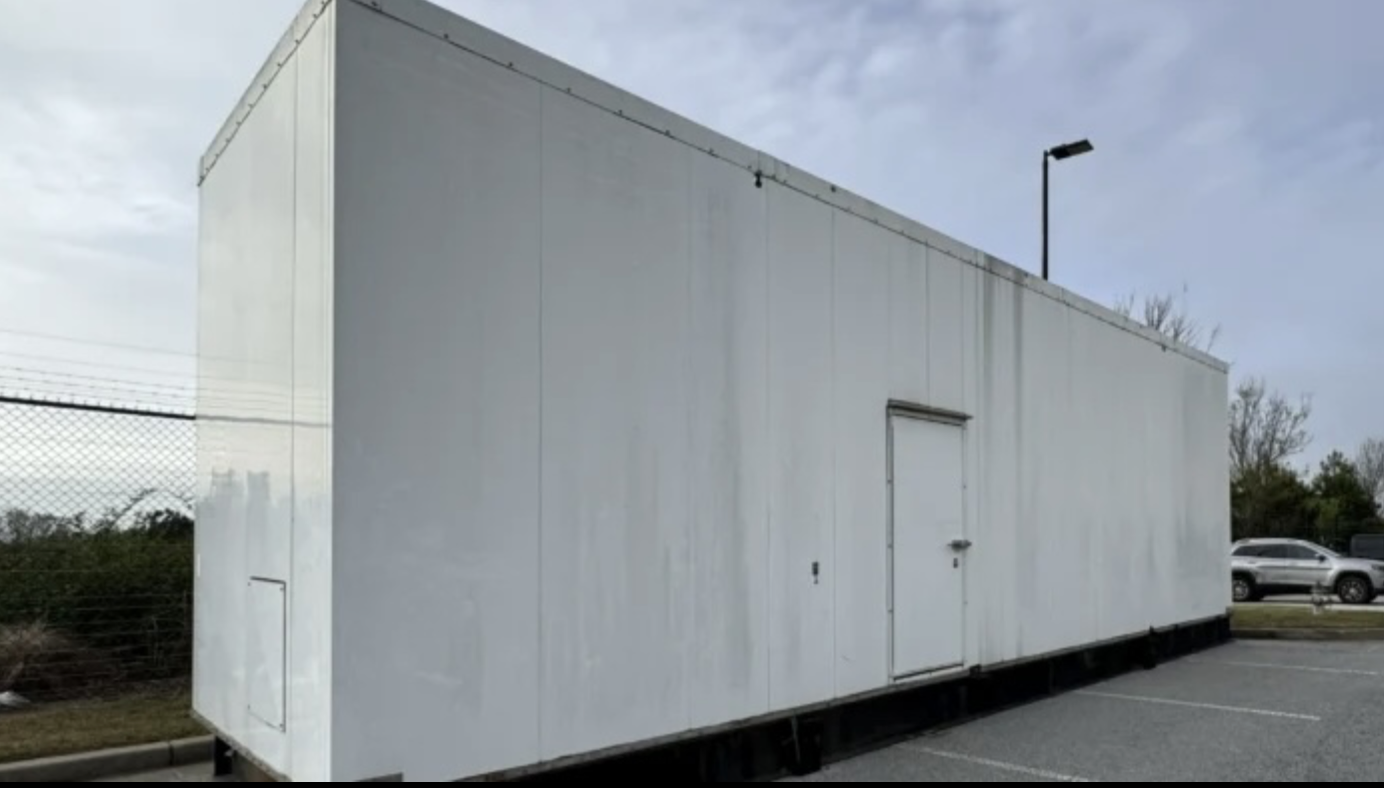
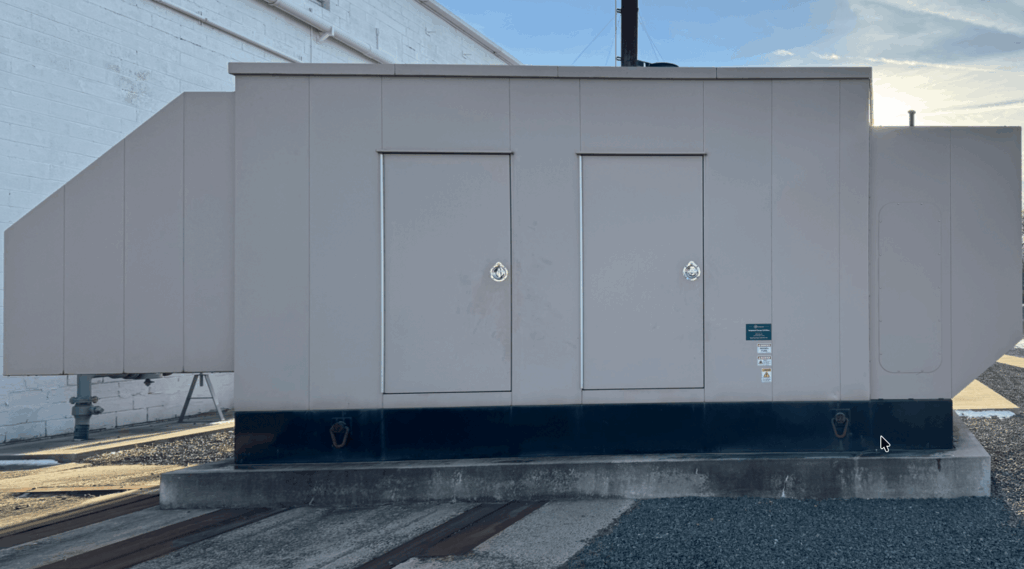
What Can a 500kW – 999kW Generator Power?
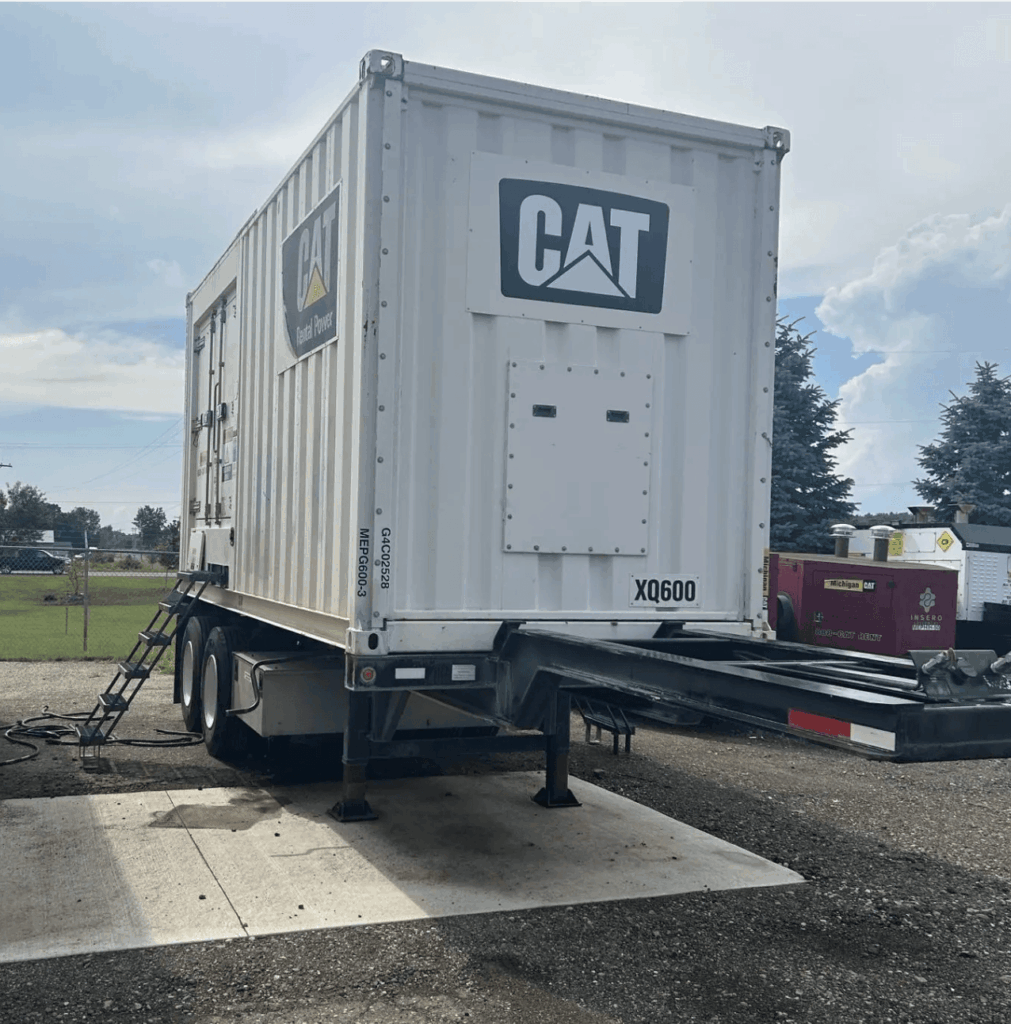
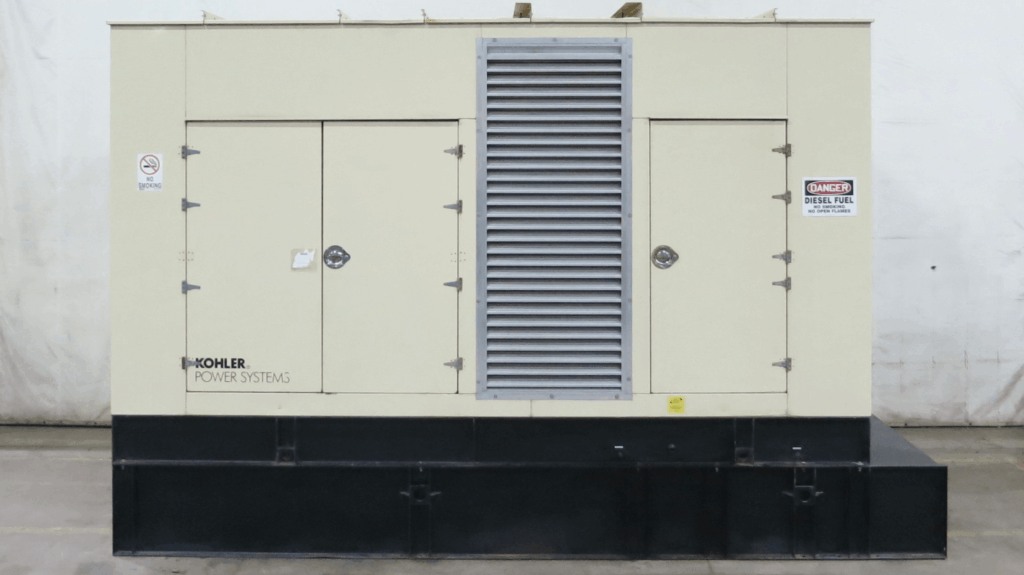
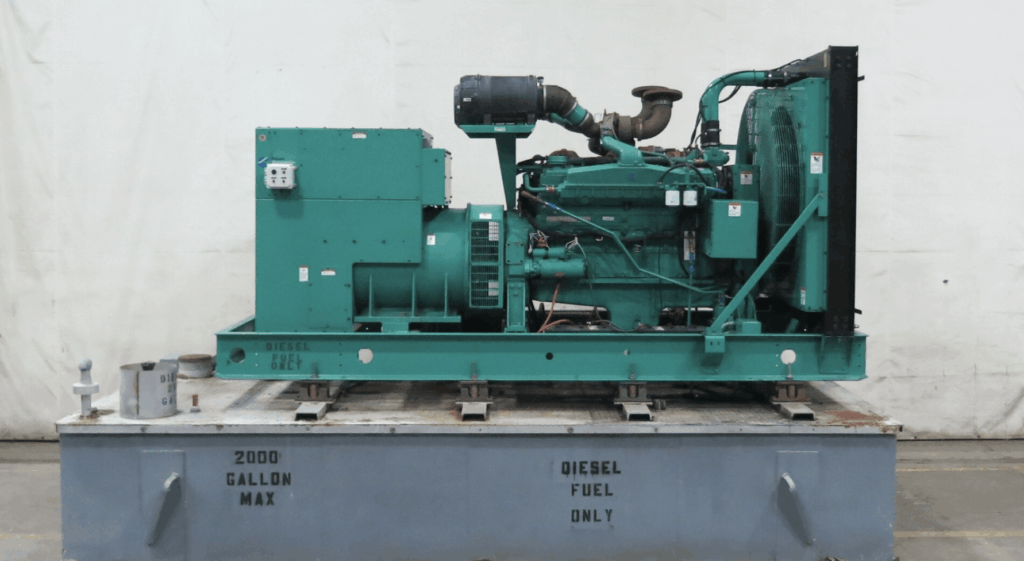
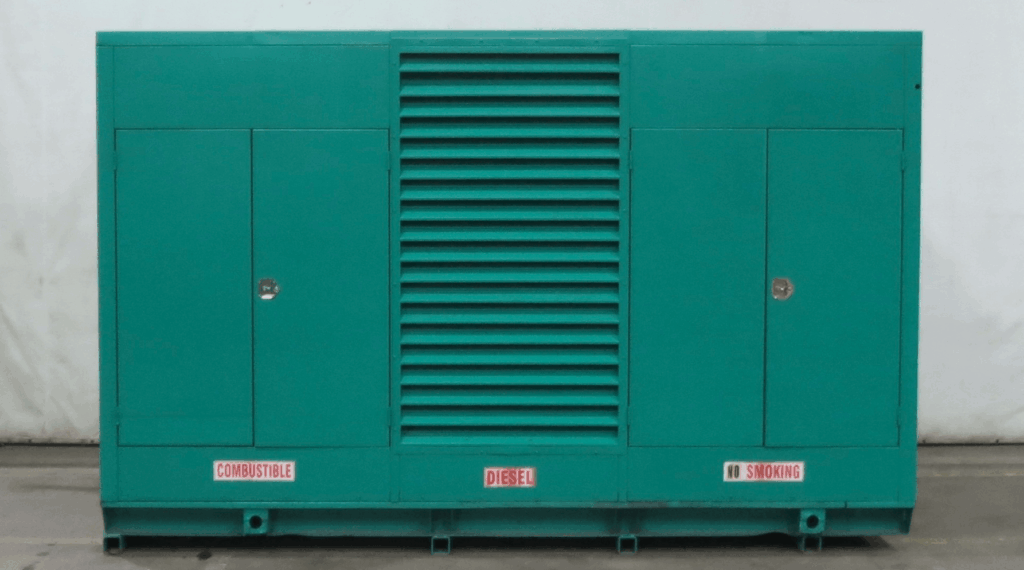
A 500kW – 999kW generator covers the loads that most large commercial and industrial buildings genuinely need backed up. Regional
hospitals and healthcare facilities carrying more than the code-minimum essential system, enterprise and colocation data centers, manufacturing plants with substantial motor loads, cold storage and food processing, wastewater treatment, and large distribution centers all land here.
The tier serves a second purpose worth knowing about. Facilities building redundancy often pair two units in this range rather than buying one large machine, which delivers N+1 protection and a better load factor than a single oversized generator running lightly.
Where Your Load Falls Within the Range
Five hundred kilowatts separates the floor from the ceiling here, so most buyers narrow down once the load study is finished.
- 500kW – 669kW generators — the entry point, and the most common band for large commercial standby and mid-size industrial facilities.
- 670kW – 839kW generators — specified when motor starting or planned growth leaves the lower band too tight.
- 840kW – 999kW generators — the top of the range, where buyers begin weighing this tier against megawatt-class equipment.
Brand availability is broad at this output.
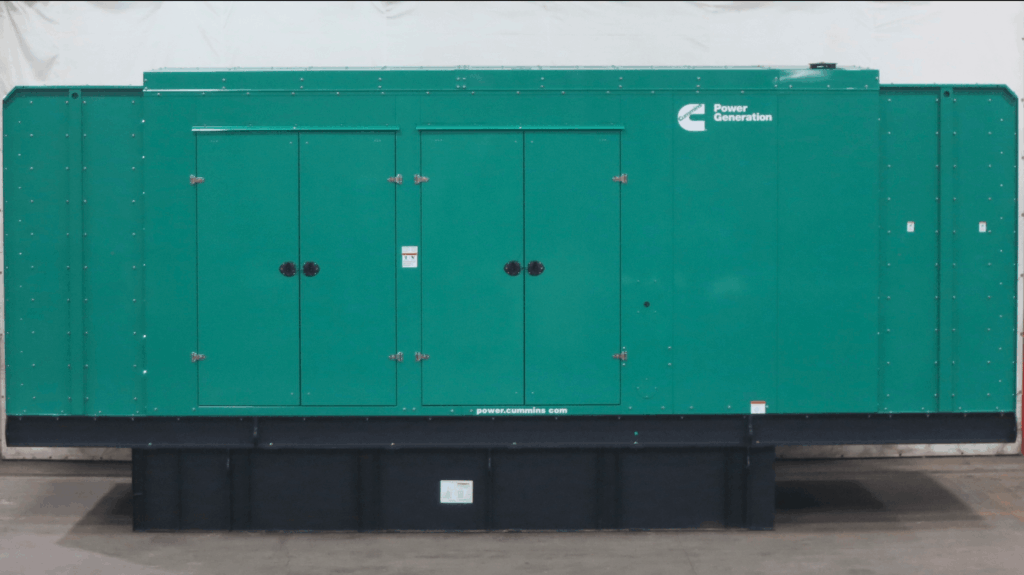
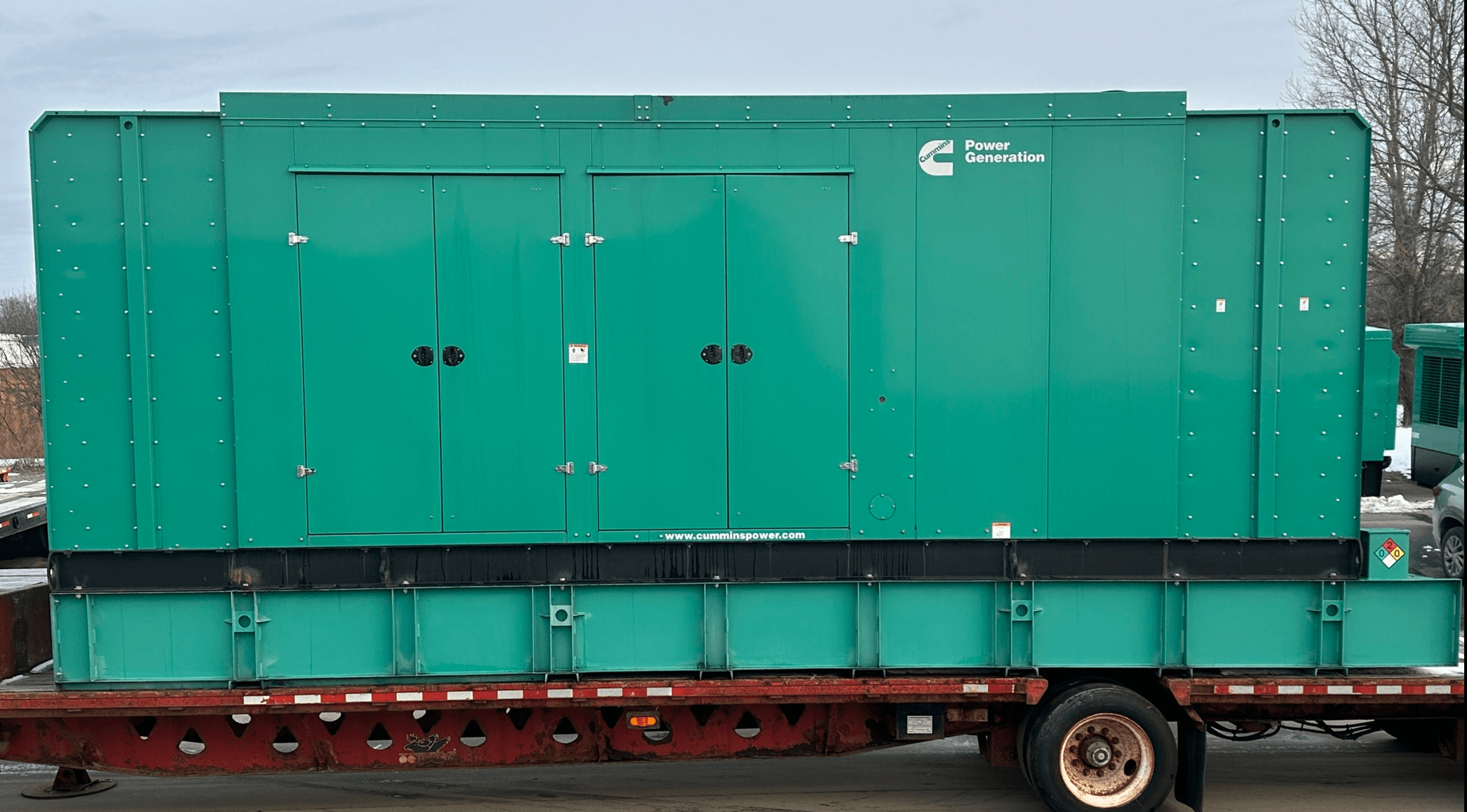
Cummins generators and
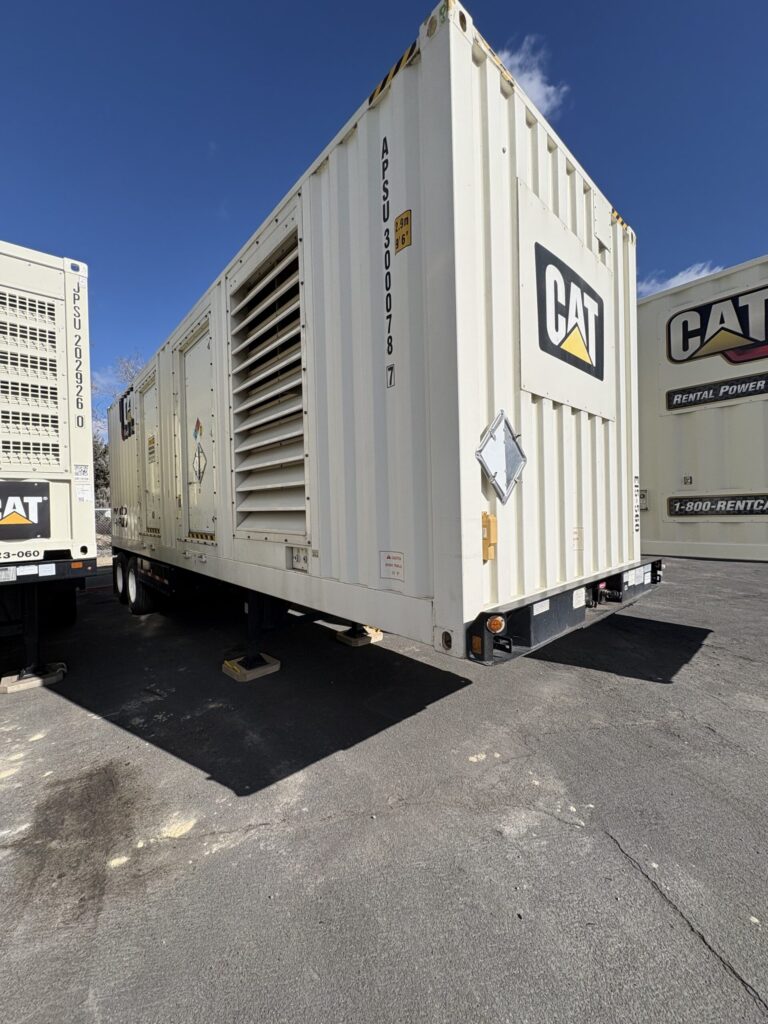
Caterpillar generators carry most of the volume, with
CK Power generators and
Taylor generators appearing regularly. See everything on our
shop by brand page.
Standby, Prime, or Continuous?
Buyers in this range are more likely than any other to need something beyond emergency standby, and the rating you specify changes which units qualify.
A standby rating assumes the generator runs only during utility failure, typically a limited number of hours per year, with varying load. Prime rating covers unlimited hours at variable load, which is what remote sites, temporary installations, and facilities without reliable utility service require. Continuous rating assumes constant load for unlimited hours and carries the lowest output for a given engine, since the machine is derated to survive the duty.
The same physical generator is often published with all three ratings at different kilowatt figures. A unit listed at 750 kW standby may only carry 600 kW prime. If you are comparing spec sheets, confirm which rating each number refers to before assuming two units are equivalent, and tell us the duty you intend before we quote. Emissions permitting frequently hinges on this distinction as well, since standby and prime power fall under different rules in most jurisdictions.
Does Renting Make Sense at This Size?
For temporary duty, often yes. Plant turnarounds, construction phases, seasonal load, and bridging a failed unit until a replacement lands are all cases where a rental beats a purchase outright. Our rental division,
Stag Power Rentals, handles that work.
Standby duty points the other direction. A generator installed to protect a facility runs a few hours a year and waits the rest, and rental rates do not hold up against that across a twenty or thirty year service life. The site work reinforces it, since the pad, transfer equipment, and fuel storage are permanent costs regardless of who owns the machine sitting on them. When capital availability rather than the business case is the holdup, our
generator financing options let the purchase proceed on your schedule.
Sizing Within a 500 Kilowatt Span
This range is wide, and the difference between the bottom and the top is an entire large generator. Start where every sizing exercise starts: catalog the loads running simultaneously, separate resistive from inductive, and account for the inrush that motors and compressors draw at startup.
Two factors decide most specifications in this band. The first is motor starting. A single large chiller, fire pump, or air compressor can demand several times its running current for a few seconds, and that transient often sets the generator size regardless of steady-state demand. The second is what you are backing up. Sizing to the essential panel produces a very different number from sizing to the whole building, and that decision is worth settling before anyone runs calculations.
Derating applies as always. Altitude and sustained high ambient temperature both cut available output. Our
power calculators will get you a working estimate, and our team runs full load studies at no charge.
Right Range, or a Tier Off?
If your calculated load comes in below 500 kW, the
100kW – 499kW range covers facility-scale sizing at meaningfully lower capital and installation cost. Buying more generator than the load justifies invites wet stacking, where unburned fuel accumulates in the exhaust of an engine that never reaches its designed load.
If demand exceeds 1000 kW, move up to
1000kW – 1499kW generators, where the installation requirements change substantially. And if redundancy is the driver rather than raw capacity, two units in this range often beat one unit in that one. We can price both approaches against your load profile.
Why Buy From Turnkey Industries
Every generator we sell passes a 22-point inspection and
load bank testing before shipment, which is how you confirm a unit performs under real load rather than on paper. We have been sourcing industrial power equipment for more than a decade.
Every purchase carries our
30-day IronClad warranty whether the unit is new or used. Once it is running, our service team handles
preventative maintenance, scheduled testing, and repairs.
Ready to Buy a 500kW – 999kW Generator?
Give us your load numbers and the duty you intend, and we will size it with you before showing you what is on the ground. Browse the
full inventory of industrial generators, review the sectors we support on our
industries served page, or
contact us to get started.
Frequently Asked Questions
Two 600 kW units or one 1200 kW unit?
Two units give you redundancy, let each machine run closer to its efficient load band, and keep one failure from taking the facility down. The cost is paralleling switchgear and added control complexity. One larger unit is simpler and cheaper up front but concentrates all the risk in a single machine. Redundancy requirements usually settle the question before economics do.
Why does the same generator show different kilowatt ratings?
Because standby, prime, and continuous ratings describe different duties. Standby assumes limited annual hours during utility failure. Prime allows unlimited hours at variable load. Continuous assumes constant load indefinitely and produces the lowest figure. Always compare like ratings when evaluating units.
What site work does a generator this size require?
An engineered pad, fuel storage with containment, designed exhaust routing and intake ventilation, and a transfer switch or paralleling gear rated for the output. Transport is usually an oversize load requiring permits and rigging at delivery. Civil work commonly runs longer than equipment sourcing.
How current do the controls need to be?
Current enough to integrate with your building management or paralleling system. Older control panels are serviceable and often perfectly adequate for straightforward standby duty, but retrofitting for modern communication protocols adds cost. Tell us what the unit needs to talk to and we will match accordingly.
Does used equipment hold up at this output?
Consistently, yes. Standby units in this class often accumulate very few hours over long service lives, so low-hour equipment is widely available. Engine hours, alternator condition, and control generation determine value. Everything we sell is inspected and load bank tested first, and the
IronClad warranty applies regardless of condition.