

Powering Productivity: Generators for the Rock Crushing Industry
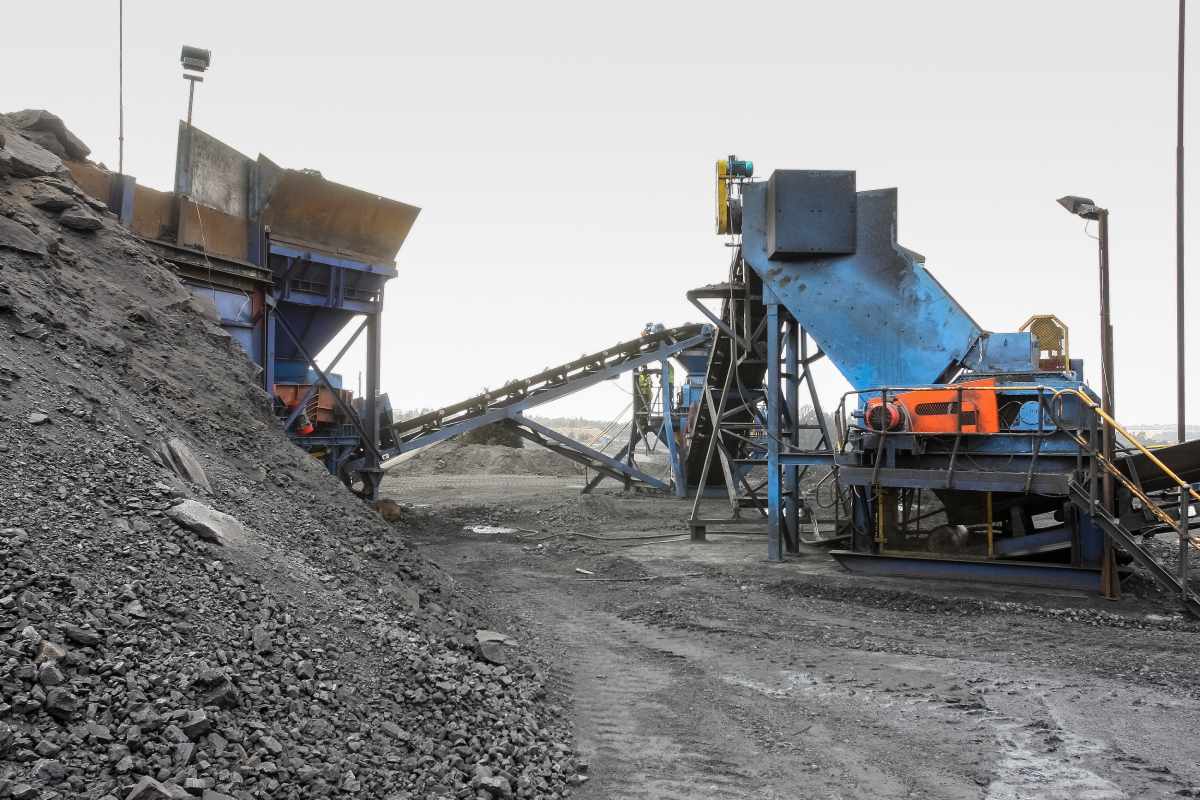
Rock crushing is one of the most power-hungry operations in the extractive industry. Primary crushers alone draw enormous startup and running loads. Add conveyors, screens, dust suppression systems, site lighting, and auxiliary equipment and you’re looking at a continuous, high-demand power requirement that grid supply frequently can’t support — particularly on remote quarry and mining sites where utility infrastructure simply doesn’t reach. Industrial generators purpose-built for this environment don’t just provide backup. They are often the primary power source, running continuously through multi-shift production schedules in conditions that would stress lesser equipment into failure.
For smaller crushing operations running individual crushers and basic conveyors, a 250 kW generator provides the sustained output needed to maintain production without overloading. Larger multi-crusher installations with extensive conveyor networks and screening infrastructure require the additional headroom of a 300 kW generator or above — where there’s genuine capacity to absorb the simultaneous startup surges that heavy crushing equipment creates.
What Size Generator Is Best for the Rock Crushing Industry?
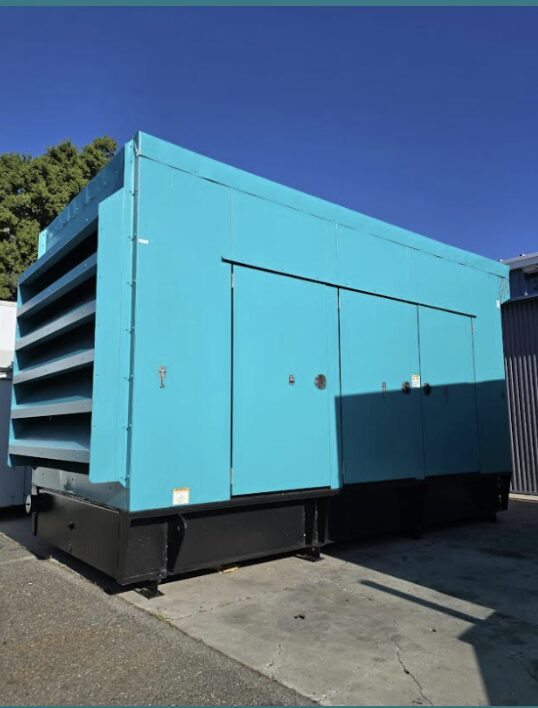
Sizing for rock crushing comes down to the equipment manifest and the duty cycle. Mobile crushing units and smaller quarry operations processing moderate material volumes can work effectively with 125 kW generators — portable, cost-effective, and adequate for the core crushing and screening load. Step up to a larger fixed quarry with multiple processing stages running simultaneously and 150 kW generators become the baseline, not the ceiling. The critical factor that many operators underestimate is startup surge draw. Crusher motors pull significantly higher amperage at startup than at steady state. A generator that’s correctly sized for running load can still fail to start the equipment if it doesn’t have the transient surge capacity to handle the inrush. Always spec with that margin built in.
Enabling Efficient Rock Crushing Operations
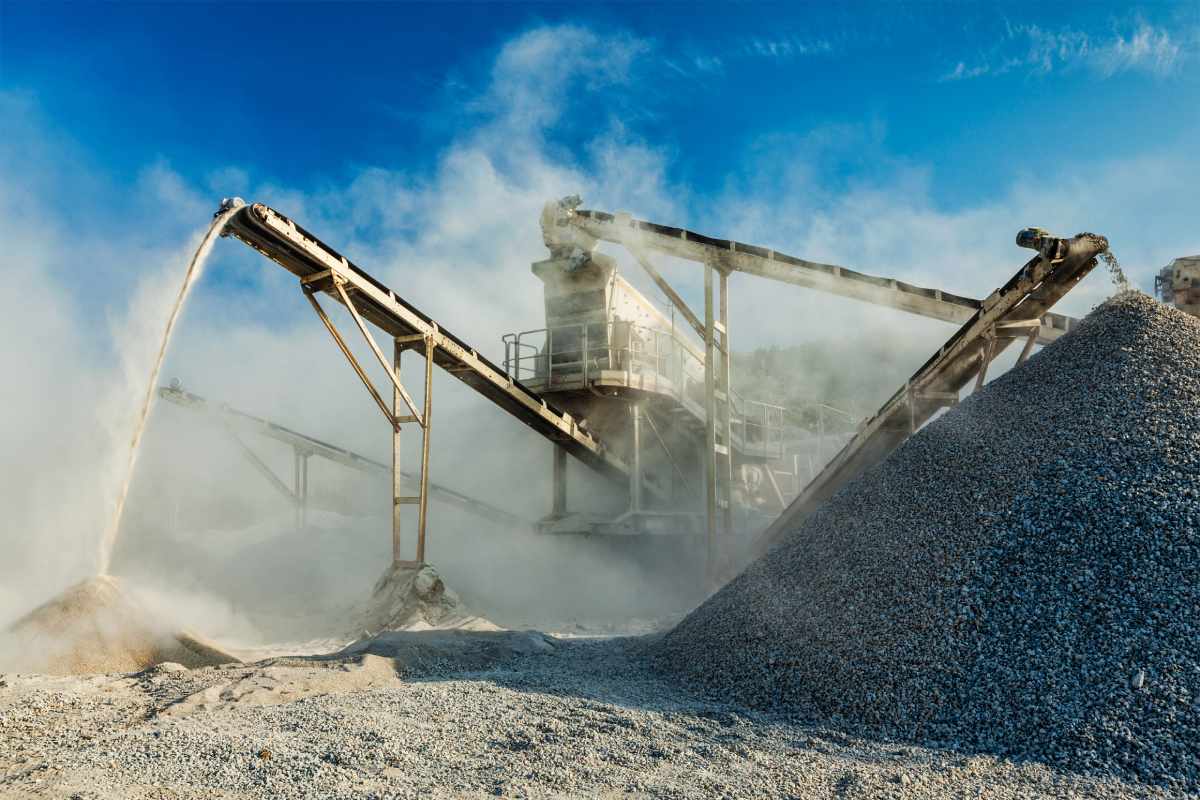
Downtime on a crushing site is expensive fast. Idle crushers, stationary conveyors, crews standing down — the cost per hour of unplanned shutdown on a production crushing operation is substantial. Industrial generators eliminate the vulnerability that remote sites face when grid power is unavailable or unreliable, providing continuous, dispatchable power that keeps equipment running on schedule regardless of what’s happening with utility infrastructure in the region. Turnkey Industries stocks trailer-mounted diesel units specifically suited to the mobility requirements of crushing operations that move between sites, as well as higher-capacity fixed units for permanent quarry installations.
Popular Generator Models for Rock Crushing Applications
Two units in our current inventory that align well with rock crushing power requirements are the Atlas Copco QAS250 trailer-mounted diesel generator — a 250 kW mobile unit built for the kind of rugged, remote deployment that crushing sites demand, with the output capacity to sustain primary crusher operation, conveyors, and screening equipment simultaneously — and the Caterpillar XQ350 trailer-mounted diesel generator, a 350 kW heavy-duty unit capable of powering larger multi-crusher installations and full quarry processing plants through continuous multi-shift production without the performance degradation that undersized equipment delivers over time.
Shop Rock Crushing Generators by kW Range
Smaller and mobile crushing operations typically find their match in our 100kW–249kW generators for sale. Larger quarry installations and high-volume crushing plants running multiple processing stages concurrently need the output levels available in our 250kW–374kW generator range — where capacity is sufficient to handle simultaneous high-draw equipment loads including startup surge without risk of overload or voltage sag that can damage crusher motors.
Custom Generator Sizing: Industry-Specific Reference
- Mining Operations — Small to medium mining operations typically require 500 kW to 1,500 kW. Larger open-pit and underground operations scale up to 2,000 kW and beyond, with mega mining projects requiring 3,000 kW or more.
- Educational Institutions — Smaller schools and campuses are served by 50 kW to 200 kW units. Larger colleges and universities with extensive facilities step up to 250 kW to 2,000 kW.
- Cities and Municipalities — Essential municipal services are covered by 100 kW to 500 kW units. Medium cities need 600 kW to 2,000 kW, while large metropolitan areas require 3,000 kW and above.
- Rock Crushing — Small to medium crushing operations need 200 kW to 500 kW to power primary crushers, screens, and conveyors. Large-scale crushing plants require 600 kW to 3,000 kW for full-plant operation.
Turnkey Industries: Your Source for Rock Crushing Site Generators
Rock crushing sites present generator procurement challenges that standard industrial applications don’t. Remote locations, demanding duty cycles, extreme dust and vibration exposure, and the need for mobile units that can move with the operation — Turnkey Industries understands these requirements because we’ve supplied generators to extractive industry operations across the country. Every unit we sell is thoroughly inspected and load bank tested before it ships. We also purchase used generators, so if your operation is upgrading or consolidating equipment, submit your units for a valuation here.
Looking to Buy or Sell a Used Generator for a Rock Crushing Site?
We carry one of the largest used industrial generator inventories in the United States, with units well-suited to quarry and crushing applications at multiple output levels. Equipment ships from Texas with fast lead times and arrives ready for immediate deployment. If you’re sourcing for an upcoming project or offloading surplus site equipment at project close, reach out to our team to discuss what’s available and what we’re buying.
What Types of Generators Are Available?
From rugged trailer-mounted diesel units built for remote site deployment to high-capacity fixed standby systems for permanent quarry installations, our inventory covers the full range. Browse used generators, new units, trailer-mounted configurations, standby systems, diesel-powered, and natural gas options. Don’t see the exact specification your operation requires? Contact us — we source equipment continuously and can often locate specific units on timelines that work for active project schedules.
Renting a Generator for Rock Crushing and Quarry Operations
Crushing operations that move between project sites, temporary aggregate production contracts with defined end dates, and situations where a permanent generator is down for service during an active production run — these are the scenarios where rental makes operational and financial sense for the rock crushing industry. Stag Rentals maintains a fleet of high-capacity trailer-mounted industrial generators available for rental at the output levels that crushing and quarry operations require, with units deployable to remote sites across Texas. For crushing operations running on fixed-term contracts where capital equipment purchase doesn’t pencil out against the project duration, rental provides the power capacity needed to maintain production without the ownership overhead. Emergency generator rentals are available when a primary unit fails mid-production and the cost of downtime justifies same-day deployment of a replacement unit to keep the site running.
Frequently Asked Questions: Generators for Rock Crushing Operations
How do I calculate the generator size needed for a jaw crusher and secondary cone crusher running simultaneously?
Start with the nameplate horsepower for each crusher motor. A typical primary jaw crusher in the 200 to 300 tph range runs a 150 to 250 HP motor; a secondary cone crusher in the same circuit might run a 100 to 200 HP motor. Convert HP to kW (multiply by 0.746) to get running load. The startup surge for each crusher motor is typically 3 to 6 times running current for direct-on-line starts — variable frequency drives (VFDs) reduce startup surge significantly if your equipment uses them. If starting the crushers sequentially rather than simultaneously, size the generator to handle the running load of all equipment plus the startup surge of the largest single motor being started. Add conveyor motors, screen drives, dust suppression pumps, site lighting, and control system load on top. Add 20% headroom. That’s your minimum generator requirement — not a starting point for negotiation downward.
Our quarry is in a remote location with limited fuel delivery access. How do we manage generator fuel logistics?
Fuel logistics on remote quarry sites require planning that most urban industrial applications don’t face. Establish your fuel consumption rate at your expected average load — most generator manufacturers provide consumption tables at 25%, 50%, 75%, and 100% load. Calculate daily consumption and multiply by your longest anticipated delivery gap, then double it for safety margin. On-site fuel storage should exceed that figure. Work with your fuel supplier to establish a delivery schedule and a priority delivery agreement for situations where weather or road conditions delay access — and get that agreement in writing before you need it. Consider installing a secondary fuel polishing system if stored diesel will sit for more than 60 to 90 days, particularly in hot climates where fuel degradation accelerates. Dirty fuel is a leading cause of injector failure on remote site generators where service response is slow.
What generator protection features are essential for a crushing site environment?
Dust ingestion is the primary threat to generators in rock crushing environments. Specify or retrofit enhanced air filtration — staged filtration with pre-cleaners designed for high-particulate environments significantly extends filter service life and protects the engine. Many standard generator enclosures are not designed for the dust levels that crushing operations generate; verify that air intake and exhaust louvers are positioned away from prevailing dust sources and that the enclosure has positive pressure or appropriate sealing to prevent fine silica dust from reaching control panels and alternator windings. Vibration is the second major concern — crushing equipment transmits substantial ground vibration that affects generator mounts, electrical connections, and control system components over time. Inspect mounting hardware and electrical terminations more frequently than standard service intervals recommend. Anti-vibration mounts between the generator skid and the ground pad help significantly.
Can a diesel generator for a rock crushing site meet EPA Tier 4 requirements, and does that affect performance in high-altitude or high-temperature conditions?
Tier 4 Final diesel engines use advanced aftertreatment systems — diesel oxidation catalysts and selective catalytic reduction or diesel particulate filters — that add complexity compared to older tier engines. At high altitude, combustion air density decreases and engine power output derate accordingly — typically 3% to 4% per 1,000 feet above sea level. At high ambient temperatures, both engine output and cooling system capacity are reduced. For quarry sites at elevation or in hot climates, apply manufacturer derate tables to confirm that the generator can deliver its rated output under your specific site conditions before specifying. Many generator manufacturers publish altitude and temperature derate charts; require this documentation as part of your equipment specification process. An undersized generator on a high-altitude crushing site is a common and expensive mistake.
Is it better to run one large generator or multiple smaller generators on a large quarry site?
Multiple smaller generators in parallel generally provide better operational flexibility and resilience for large quarry operations than a single large unit. With parallel generators, one unit can be taken offline for service without shutting down the entire operation — a critical advantage on a site where downtime costs are high. Load sharing between parallel units allows you to run only the capacity needed during lower-production periods, reducing fuel consumption and engine wear compared to a single oversized unit running at low load. The tradeoff is complexity — parallel operation requires synchronization controls, load sharing equipment, and operators who understand how to manage a paralleled generator system. For operations with experienced plant electricians and a full production schedule that justifies the investment, parallel configuration almost always wins over a single large unit.
How often should a rock crushing site generator be serviced, and what does a typical service interval look like in this environment?
Standard generator manufacturer service intervals are based on operating hours under normal conditions — typically oil and filter changes at 250 to 500 hours, coolant and major inspections at 1,000 to 2,000 hours. Rock crushing environments are not normal conditions. Dust loading on air filters, vibration effects on fasteners and electrical connections, and continuous heavy-load operation all accelerate wear and shorten effective service intervals. A practical approach for crushing site generators running in high-dust, high-vibration environments is to cut standard manufacturer intervals by 30% to 50% and add a daily visual inspection checklist covering oil level, coolant level, air filter condition indicator, battery condition, and any visible fuel or coolant leaks. Establish a relationship with a local generator service provider who can respond quickly when a service issue is identified — remote site downtime is expensive, and the cost of a service call is trivial compared to a day of lost production.